Home
/
Compare Bird Species
/
African Grey Parrot vs African Mourning Dove
African Grey Parrot vs African Mourning Dove
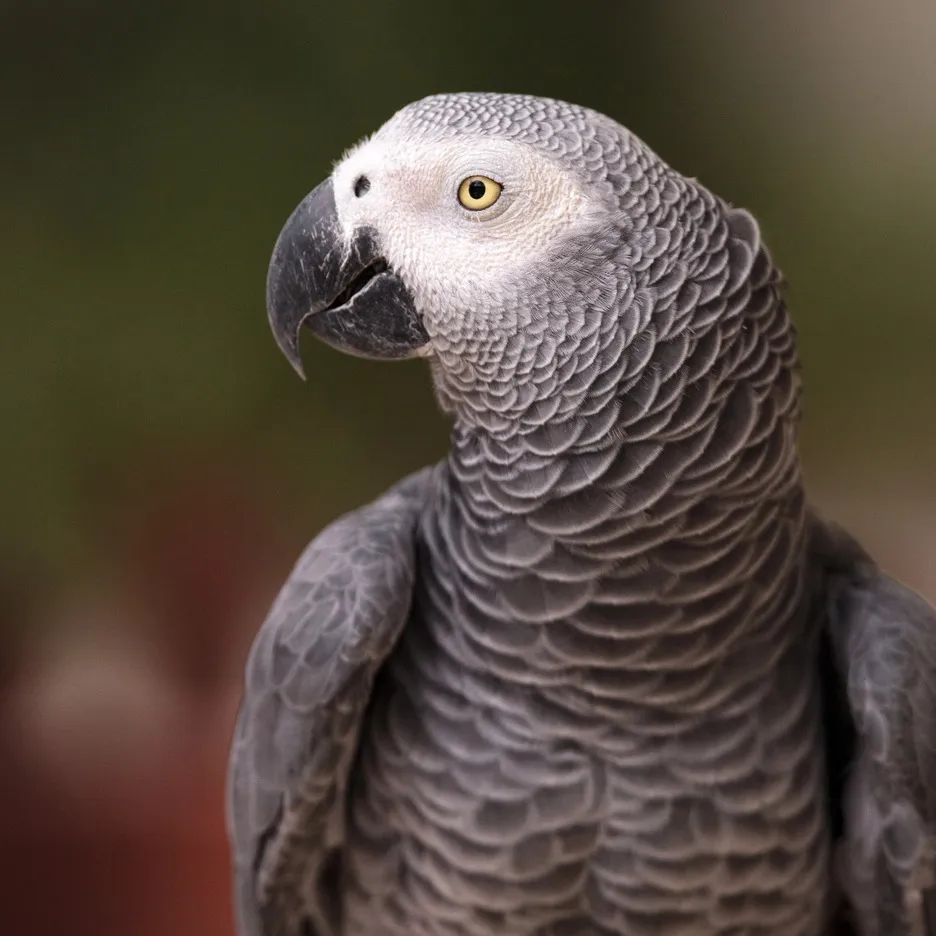
African Grey Parrot
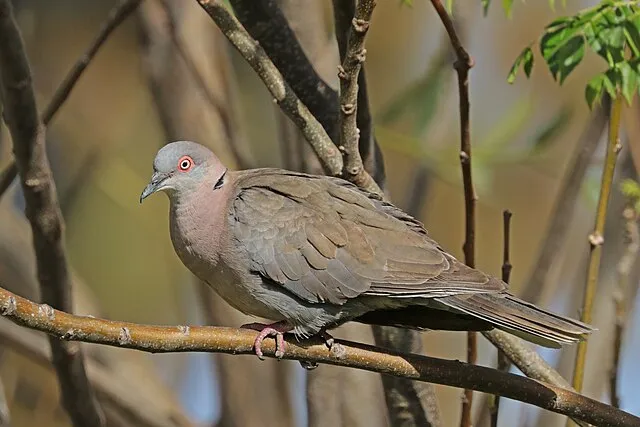
African Mourning Dove
Characteristics
Affection
Not Friendly
Super Friendly
Vocalization
Silent
Vocal
Intelligence
Low
High
Social Behavior
Prefer Isolation
Very Social
Affection
Not Friendly
Super Friendly
Vocalization
Silent
Vocal
Intelligence
Low
High
Social Behavior
Prefer Isolation
Very Social
Basic Information
Avg Monthly Expenses
₹1,000
Basic
₹2,000
Premium
Classification
Psittaciformes
Life Expectancy
40 - 60 years
Ideal Weather
18º - 30º celsius
Maintenance
Moderate
Size
Medium
Avg Monthly Expenses
₹2,500
Basic
₹3,500
Premium
Classification
Columbiformes
Life Expectancy
10 - 12 years
Ideal Weather
15º - 29º celsius
Maintenance
Low
Size
Medium
Overall Summary
Overall Summary
Frequently Asked Questions
Are African Grey Parrots good pets?
African Grey parrots can be great family pets, but only if you’re ready for a big commitment. Their intelligence, affectionate nature, and talking ability make them amazing companions. However, they need constant attention, daily mental and physical stimulation, a large cage. They are medium to large birds and can be loud and messy. In the right home, they’re loving and loyal, but not with everyone.
What should my African Grey eat every day?
Feed at least 60–80% high-quality pellets, plus fresh veggies, fruits, and sprouted seeds. Add nuts or treats a few times a week. Variety is important!
What foods should my African Grey avoid?
Never feed avocado, chocolate, caffeine, alcohol, onion, garlic, raw beans, fruit pits, nightshade parts, xylitol, or salty/processed foods—they're toxic or unhealthy.
Where do African Greys live in the wild?
They live in forests of West and Central Africa, up to 2,200 m elevation. They use forest edges, savannas, mangroves, and gardens to roost and forage.
Where should I keep my African Grey Parrot at home?
Keep the cage in a busy room but in a corner so that your bird can rest when they want to. Make sure there are natural perches and toys. Let them out daily to move and explore safely indoors or in enclosed areas.