Home
/
Compare Bird Species
/
European Starling vs Gouldian Finch
European Starling vs Gouldian Finch
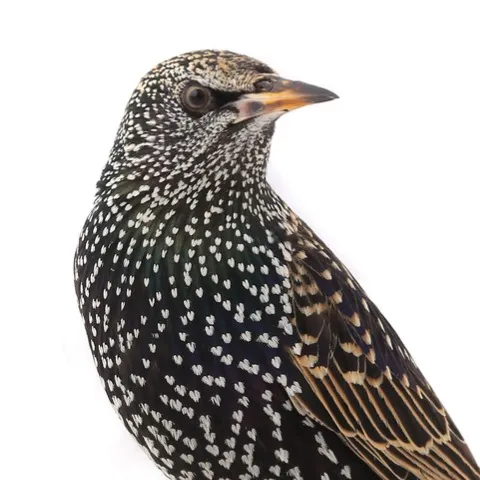
European Starling
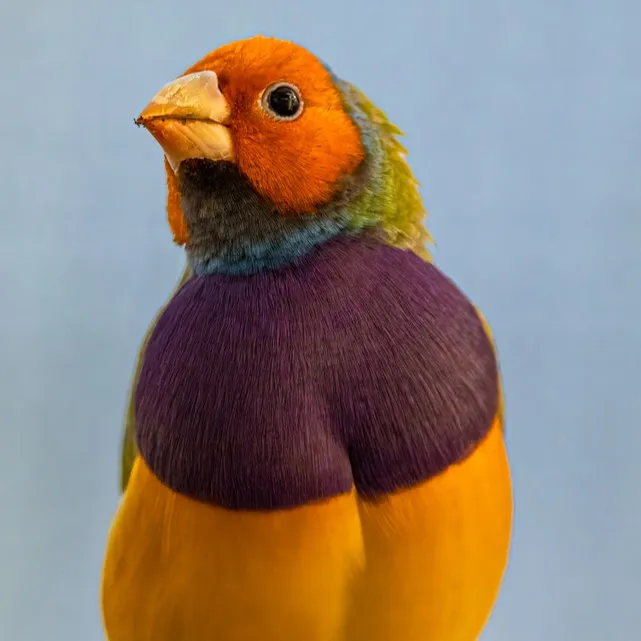
Gouldian Finch
Characteristics
Affection
Not Friendly
Super Friendly
Vocalization
Silent
Vocal
Intelligence
Low
High
Social Behavior
Prefer Isolation
Very Social
Affection
Not Friendly
Super Friendly
Vocalization
Silent
Vocal
Intelligence
Low
High
Social Behavior
Prefer Isolation
Very Social
Basic Information
Avg Monthly Expenses
₹2,500
Basic
₹3,500
Premium
Classification
Passeriformes
Life Expectancy
12 - 15 years
Ideal Weather
10º - 25º celsius
Maintenance
Moderate
Size
Small
Avg Monthly Expenses
₹2,000
Basic
₹3,500
Premium
Classification
Passeriformes
Life Expectancy
5 - 7 years
Ideal Weather
18º - 30º celsius
Maintenance
Moderate
Size
Small
Overall Summary
Overall Summary
Frequently Asked Questions
Are European Starlings good pets?
They can be affectionate and entertaining but are demanding and not as domesticated as parrots. Best for experienced bird keepers.
How long do European Starlings live?
In captivity, they can live 12–15 years with proper care.
Can European Starlings talk?
Yes, they are among the best mimics, capable of imitating words, voices, and household sounds.
What do European Starlings eat?
A softbill diet of insects, fruits, and specialized pellets and not seeds like parrots.
Do starlings need to be kept in pairs?
Not required, but they are very social and enjoy companionship, either from other starlings or lots of human interaction.