Home
/
Bird species
/
Conure
Conure
Origin
Central America
Size
Medium Breed
Ideal Weather
18º-27ºC
Avg Monthly Expenses
₹3,000
Basic Lifestyle
₹4,000
Premium Lifestyle
Top 5 Traits
Playful
Curious
Social
Affectionate
Intelligent

by Happy Pet TeamUpdated on 20 Jun 2025
Introduction to the Conure
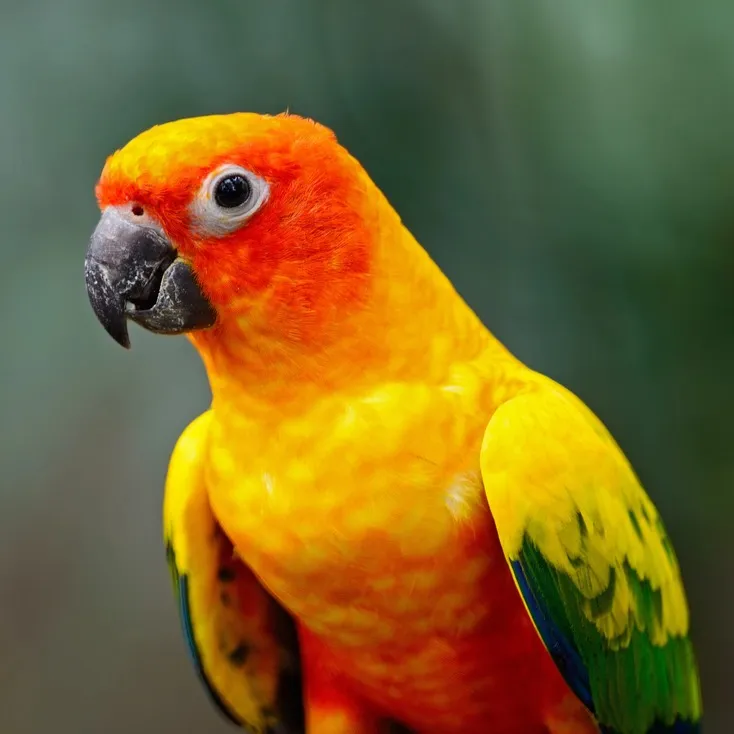
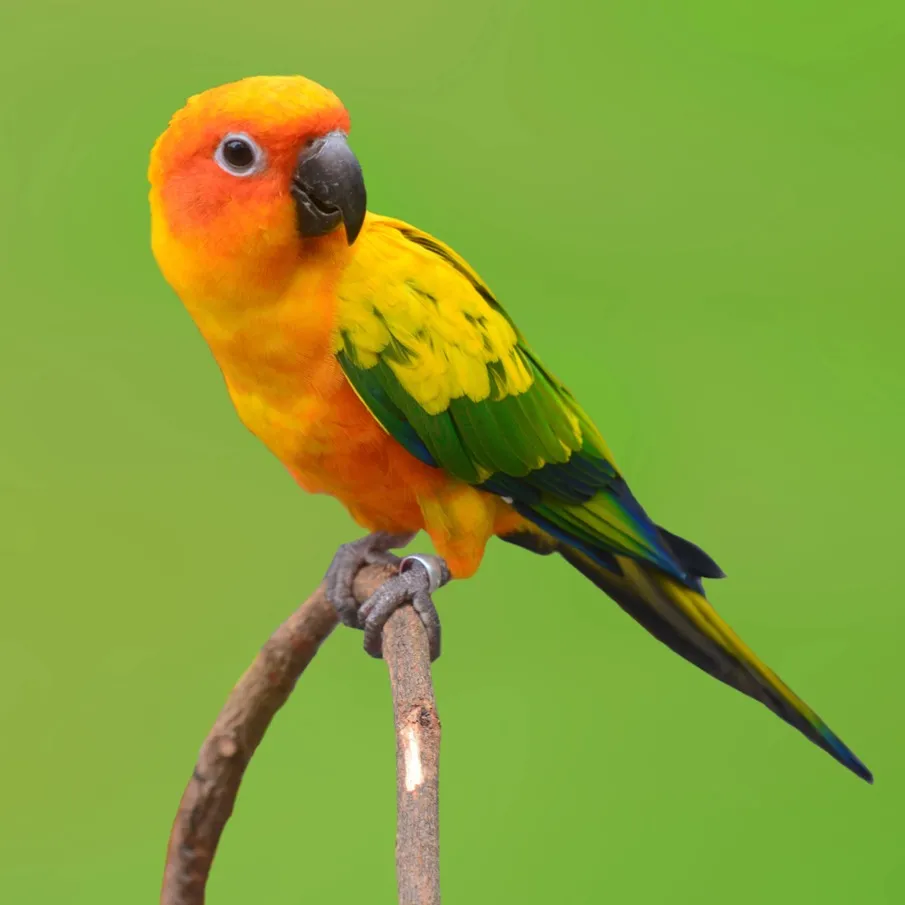
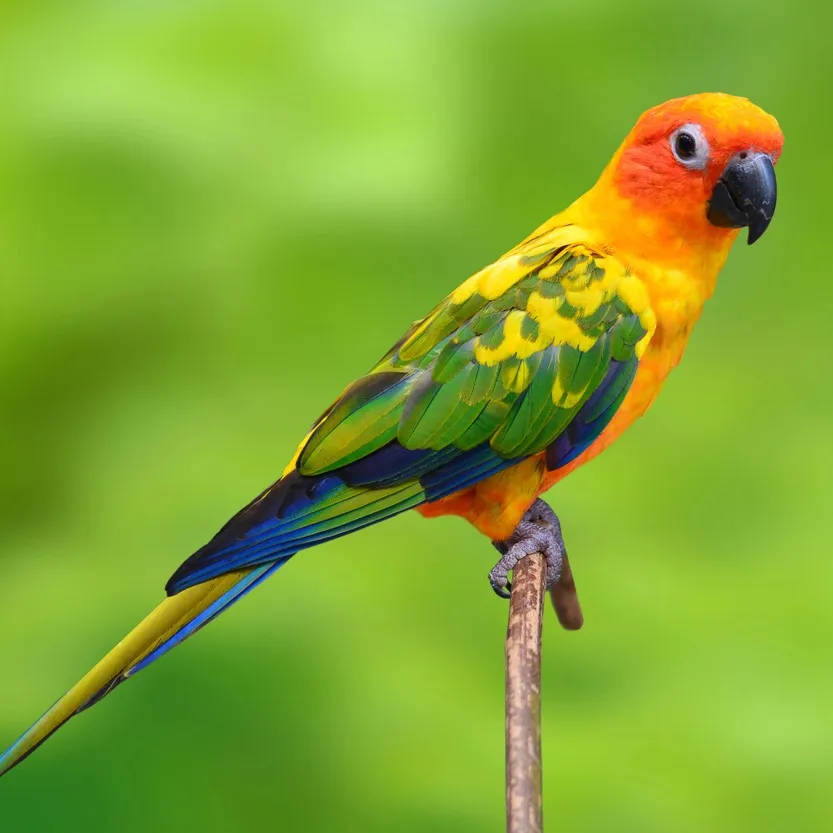
Conures are a playful, colourful flock of small to medium-sized parrots found in Central and South America. They have long tails and charming personalities, which is why they are usually referred to as the clowns of the bird world.
Conures are found in multiple genera, such as Aratinga and Pyrrhura, and have been recorded since the 1700s. The Green-cheeked Conure (Pyrrhura molinae) and the Sun Conure (Aratinga solstitialis) are popular species of pet.
Home breeding became common in the middle of the 20th century, and nowadays conures are one of the favourite companion birds among bird lovers.
How Long Do Conures Live?
Conures usually live up to 20 to 30 years in captivity. If they are very well cared for, they might live more than 35 years.
Conure Temperament and Personality
Conures are known for their:
- Playful and curious nature – They are into everything and are fond of toys.
- Social behaviour – They are attention grabbers and bond well.
- Vocal tendencies – Sun Conures are loud, whereas Green-cheeked Conures are quieter.
- Affectionate side – They enjoy shoulder time and cuddles with trusted humans.
They are adorable, humorous pets with regular training and socialisation.
Conure Exercise Needs
Conures are very active and need daily stimulation.
- Minimum 2 hours out-of-cage time
- Climbing toys, ropes, swings
- Flight space (or supervised flying if wings are not clipped)
- Rotating toys weekly to prevent boredom
Interactive games, like foraging puzzles or training sessions
Characteristics
Affection
Not Friendly
Super Friendly
Vocalization
Silent
Vocal
Intelligence
Low
High
Social Behavior
Prefer Isolation
Very Social


Nutrition Care for the Conure
Monthly Food Expenses
₹2,000 - ₹ 2,500
Ideal weight
60 - 100 grams
Essential Nutrients
Protein
Carbohydrates
Fats
Vitamins
Minerals
List of foods
Seeds
Nuts
Fruits
Vegetables
Legumes
Pellets
Cooked eggs
- Birds require quality protein to make their muscles strong and to grow feathers.
- Essential fatty acids increase energy and make feathers lustrous.
- Essential nutrients help to maintain immunity, bones and joints.
- Fresh foods and moist foods assist in hydration and digestion.
- Shabby seed combinations should be avoided to avoid obesity and belly problems.
Feeding Guidelines for Conures
Chicks (0–12 weeks): Hand-feed formula every 3–4 hours. Slow weaning onto soft pellets and mash fruits/veggies.
Adults (1–15 years): Twice daily feeding. The diet should consist of 60–80% pellets, 20–40% fresh produce. You can also provide them with nuts as healthy treats for training.
Seniors (15+ years): Give preference to low-fat and easily digestible food. Keep a close watch on weight. Offer tender food in case of beak problems or digestion problems.
Best Foods for Conures
Conures do best with variety and colour in their diet.
- Pellets: Harrison’s, ZuPreem, Roudybush, Lafeber. It should be the main part of a bird's daily balanced diet.
- Veggies: Leafy vegetables such as spinach, kale. High in vitamins, fresh and chopped.
- Carrots, sweet potato, broccoli. Nutrient and fibre-filled; serve cooked or uncooked.
- Fruits: Papaya, berry, pomegranate, and apple (no seeds). Moderate intake of sugar.
- Proteins: Lentils cooked; eggs; sprouted seeds, tofu. Promote the health and growth of feathers.
- Supplements: Cuttlebone, mineral blocks, vet-approved multivitamins. Assist in the requirement of calcium and trace minerals.
Foods to Avoid for Conures
Avoid anything with these ingredients
Avocado
Chocolate
Caffeine
Alcohol
High-fat foods
Onions
Garlic
Some common foods are toxic or inappropriate:
- Avocado – It contains persin (lethal). Even minor exposure can easily turn into a mortal situation.
- Chocolate & caffeine – Seizures and heart failure. Birds are very susceptible to these stimulants.
- Alcohol – Poisonous even in minute doses. It can harm their liver and brain instantly.
- Onion and garlic – Causes anaemia. They kill red blood cells and should be avoided.
- Fruit pits and apple seeds – Contain cyanide. Before feeding fruit, always take away seeds.
- High-salt/sugar snacks – Toxic to the kidneys. They cause dehydration and organ stress.


Healthcare for the Conure
Avg Monthly Expenses
₹1,000 - ₹1,500
Recognising Stress
Feather Plucking
Tail Bobbing
Excessive Vocalization
Aggression
Withdrawal or Hiding
Loss of Appetite
Changes in Droppings
Common Health Issues
Psittacosis
Respiratory Infections
Fatty liver disease
Feather Plucking
Psittacine Beak and Feather Disease (PBFD)
Aspergillosis
Egg Binding
Energy Level
High
Preventative measure
Physical checkup every 6-12 months
Annual Blood Work
Annual Fecal Exam
Beak Assessment
Nail Trimming
Feather Assessment
Environmental Enrichment
Common Health Problems of Conures
Conures are generally healthy but might be prone to some diseases. Most issues can be prevented with a clean environment, a balanced diet, and regular vet checkups.
- Conure Bleeding Syndrome (CBS) – Associated with deficiency of either Vitamin K or calcium. It might lead to sudden internal bleeding and needs to be treated using supplements.
- Aspergillosis – A Damp or dirty environment that causes a Fungal infection. Causes difficulties in breathing and requires antifungal therapy.
- Polyomavirus – A fatal virus in young birds, particularly. Results in dwarfism, dulled behaviour or acute death.
- Psittacine Beak and Feather Disease (PBFD) – A viral condition that causes the malformation of the feathers and beak. It is contagious and incurable; thus, isolation is important.
- Wasting Disease (PDD) – Affects digestion and nerves. Birds usually eat normally, but keep on losing weight and getting weak.
General Healthcare Tips for Conures
- Offer UV lights to assist birds in making vitamin D for healthy bones.
- Provide several perches of varying textures and dimensions to avoid foot sores.
- Seed-only diets are to be avoided since they contain no vital nutrients and lead to malnutrition.
- Keep birds clean by either bathing them or providing them with a bathing facility.
- Look out for warning signals such as alteration in droppings, loss of appetite, or feather picking.
Prerequisites to pet a Conure
Time Commitment.
Noise Tolerance.
Living Space.
Enrichment Activities.
Ideal habitat for the Conure
Initial Setup Cost
₹2,500 - ₹ 3,000
Monthly Expenses
₹1,000 - ₹ 1,500
Essential Equipment
Bird Cage
Perches
Food/ water dishes
Toys and Enrichment
Cage Liner Paper
Mineral Block
Cage Cleaning Brush
Compatible mates
Cockatiel.
Lovebird.
Budgerigar.
Parrotlet.
- Spacious cage (min. 24″×24″×30″) with ½–¾″ bar spacing for flight.
- Perches of varied types to keep feet healthy.
- Lots of toys for chewing, foraging, and play.
- Bright, draft-free room with 10–12 hrs of natural or UV light.
Written by
Happy Pet TeamAuthor
Team Happy Pet is a passionate collective of pet experts, enthusiasts, and advocates dedicated to sharing trusted and insightful content.
Our cont
Compare with similar breeds
Frequently Asked Questions
Are conures good beginner birds?
Yes! Green-cheeked Conures, in particula,r are intelligent, quiet, and affectionate.
Do conures need companions?
They enjoy living alone when provided with plenty of human companionship, but enjoy the flock as well.
Can conures talk?
They can repeat a few words, but they do not speak clearly.
How messy are conures?
Moderately messy—there will be feathers, throwing food and sometimes poop out of the cage.