Home
/
Bird species
/
Green-Winged Macaw
Green-Winged Macaw
Origin
South America
Size
Large Breed
Ideal Weather
18º-30ºC
Avg Monthly Expenses
₹2,000
Basic Lifestyle
₹3,000
Premium Lifestyle
Top 5 Traits
Social
Intelligent
Affectionate
Curious
Energetic
Learn All About Green-Winged Macaw
The green-wing macaw, which is referred to as a gentle giant because of its tranquil nature, is the second-largest parrot species after the hyacinth macaw. It is a popular family pet for people who have the time and room to care for such a huge bird because of its vivid color and temperament.
Green-wing macaws are highly social birds that dwell in flocks of six to eight in the wild. Because of their sociable natures, green-wing macaws require a lot of care and bonding time, and they respond quite well to instruction. A macaw that is bored will be destructive.
Make time to interact with your bird frequently. You become the green-wing macaw's "flock" when you bring it into your house, so you have to involve it in family activities.
A large macaw, such as a green-winged macaw, requires a cage that is at least 2 1/2 feet by 3 feet. Although the green-winged macaw is a loud species, it is a little quieter than some of the other giant macaws.
Keeping a large green-wing macaw demands continual care and is an expensive venture. Be ready to invest a lot of time, money, feed, equipment, veterinary care, and potentially even home repairs before you bring this bird home.
Physical Characteristics
- Height - 40 inches
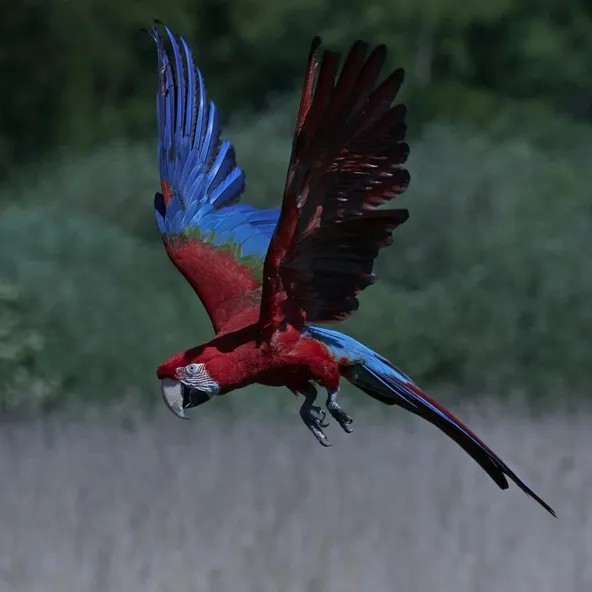
- Wingspan - 49 inches
- Weight - 1.7-2 Kgs
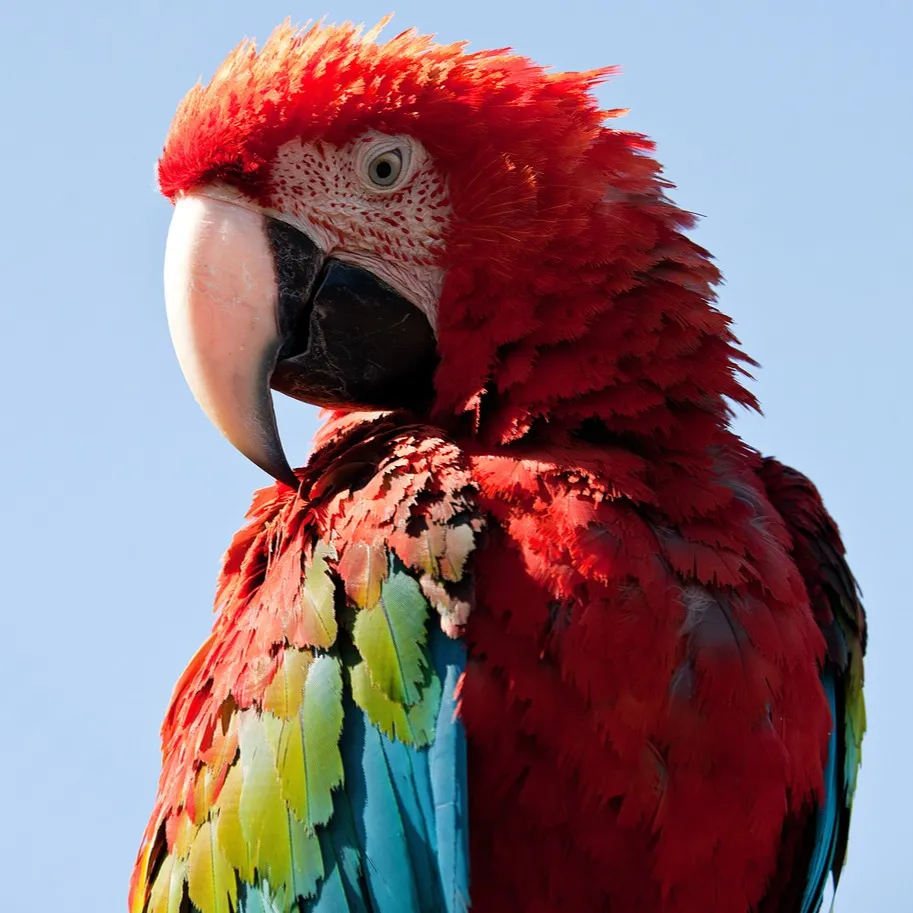
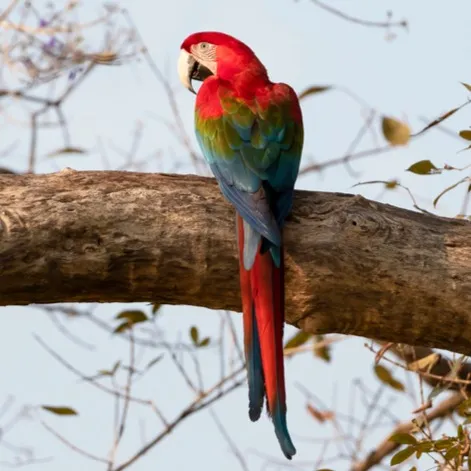
- Feathers - Red, blue, and green
- Beak - White on top and black on the bottom
Temperament
- Affectionate and form a strong bond with their humans.
- Social and require human interaction on a daily basis.
- Very intelligent and can learn words and speak them.
- They can be very vocal if they are excited or want attention.
Characteristics
Affection
Not Friendly
Super Friendly
Vocalization
Silent
Vocal
Intelligence
Low
High
Social Behavior
Prefer Isolation
Very Social


Green-Winged Macaw: Nutrition Guide
Monthly Food Expenses
₹1,000 - ₹ 1,500
Ideal weight
1250 - 1700 grams
Essential Nutrients
Protein
Fats
Carbohydrates
Vitamins
Minerals
List of foods
Nuts
Fruits
Seeds
Vegetables
Leafy Greens
Sprouts
Pellets
Green-winged Macaws are the second-largest breed of Macaws, with a long lifespan. They require a balanced and high-quality diet to maintain their bodies and fuel their daily activities.
- Protein helps them build and maintain their muscles and immunity. It is most important, especially during molting and breeding seasons.
- Healthy fats aid in brain function and provide sustained energy. It also boosts skin and feather health.
- Carbohydrates provide energy for daily activities like climbing, flying, and cognition.
- Vitamin A and D3 are crucial for eyes, skin, and help in better calcium absorption.
- Minerals like calcium and phosphorus aid skeletal health and play an important role in eggshell formation.
Best Foods To Feed Your Green-Winged Macaw
- Nuts like macadamia, walnuts, and almonds are rich in healthy fats. But, always feed them in moderation as they could lead to obesity.
- Fresh Vegetables- Leafy vegetables, bell peppers, carrots, and broccoli are a great source of fiber, beta-carotene, and minerals, and can be incorporated into their diet daily.
- Fruits - Can be fed occasionally as treats or a couple of times a week. Recommended sources are papaya, mango, pomegranate, and apples (deseeded).
- Whole grains - Cooked quinoa, brown rice, and oats.
- Legumes - Lentils provide complex carbohydrates and protein.
- Parrot pellet - Provides balanced nutrition and is curated specifically to meet the unique needs of the macaw.
- Sprouted Seeds - They are easy to digest and are more nutrient-dense when compared to dry seeds.
Foods That Are Toxic To Green-Winged Macaws
Avoid anything with these ingredients
Dairy products
High-fat foods
Mushrooms
Onions
Garlic
Salty snacks
Avocado
- Raw beans contain lectins, which are toxic until they are completely cooked.
- Alcohol is extremely toxic, and even small quantities could be fatal.
- Chocolate and caffeine can cause heart issues and seizures.
- Fruit seeds contain cyanide and should be removed before feeding them.
- Processed snacks contain high levels of sugar and salt and could lead to obesity and heart problems.


Green-Winged Macaw Health Guide
Avg Monthly Expenses
₹1,000 - ₹1,500
Recognising Stress
Feather Plucking
Excessive Vocalization
Withdrawal or Hiding
Loss of Appetite
Changes in Sleep Patterns
Panting or Open-Mouth Breathing
Stress Bars on Feathers
Common Health Issues
Psittacosis
Respiratory Infections
Feather cysts
Chlamydiosis
Aspergillosis
Nutritional Deficiencies (e.g., Vitamin A deficiency)
Heavy Metal Toxicity (Lead and Zinc Poisoning)
Energy Level
High
Preventative measure
Annual Blood Work
Annual Fecal Exam
Beak Assessment
Nail Trimming
Feather Assessment
Physical checkup every 6-12 months
Mental Stimulation
Physical Stimulation
Common Health Issues in Green-Winged Macaws
- Proventricular dilation disease - This illness causes intestinal issues along with neurological symptoms. Symptoms include weight loss and the excretion of undigested foods. Keeping the birds apart from other birds that may be infected with the virus is the best way to prevent it, as it is typically fatal.
- Psittacine beak-and-feather disease - A circovirus-caused illness that weakens the immune system and destroys feather and beak cells. According to PetMD, this condition is fatal. Thus, making sure your bird has been adequately quarantined before purchasing it is the best way to prevent this illness.
- Psittacosis - It is a frequent disease that affects parrots and is often referred to as parrot fever. Chronic infections, hidden illnesses, or sudden death are possible outcomes of the condition. Reduced appetite, weight loss, exhaustion, loose feces, nasal discharge, bloated appearance, and/or breathing difficulties are among the symptoms, according to VCA animal hospitals. Some birds are asymptomatic carriers, which means they have the disease but don't exhibit any symptoms, according to Veterinary Partner. Antibiotics are used to treat them, and a variety of medical tests are frequently used to diagnose them.
General healthcare guidelines for Green-Winged Macaws
- According to the Spruce Pets, they require 2-3 hours of supervised playtime daily outside their cage.
- Monitor their feathers for stress bars (they are faint horizontal lines that can be seen on the feathers). They indicate nutritional imbalances and stress. If you find them, immediately take them to your veterinarian for a wellness check.
- Green-winged macaws love nuts. But, feed them in moderation as they are high in fats and could lead to obesity and other related health issues.
- The breed is susceptible to vitamin A deficiency. So, feed them foods rich in beta-carotene like carrots, sweet potatoes, and leafy vegetables.
Prerequisites to pet a Green-Winged Macaw
Time Commitment.
Noise Tolerance.
Living Space.
Enrichment Activities.
Green-Winged Macaw Natural Habitat
Initial Setup Cost
₹2,500 - ₹ 3,000
Monthly Expenses
₹1,000 - ₹ 1,500
Essential Equipment
Bird Cage
Perches
Food/ water dishes
Toys and Enrichment
Cage Liner Paper
Shower Perch
Compatible mates
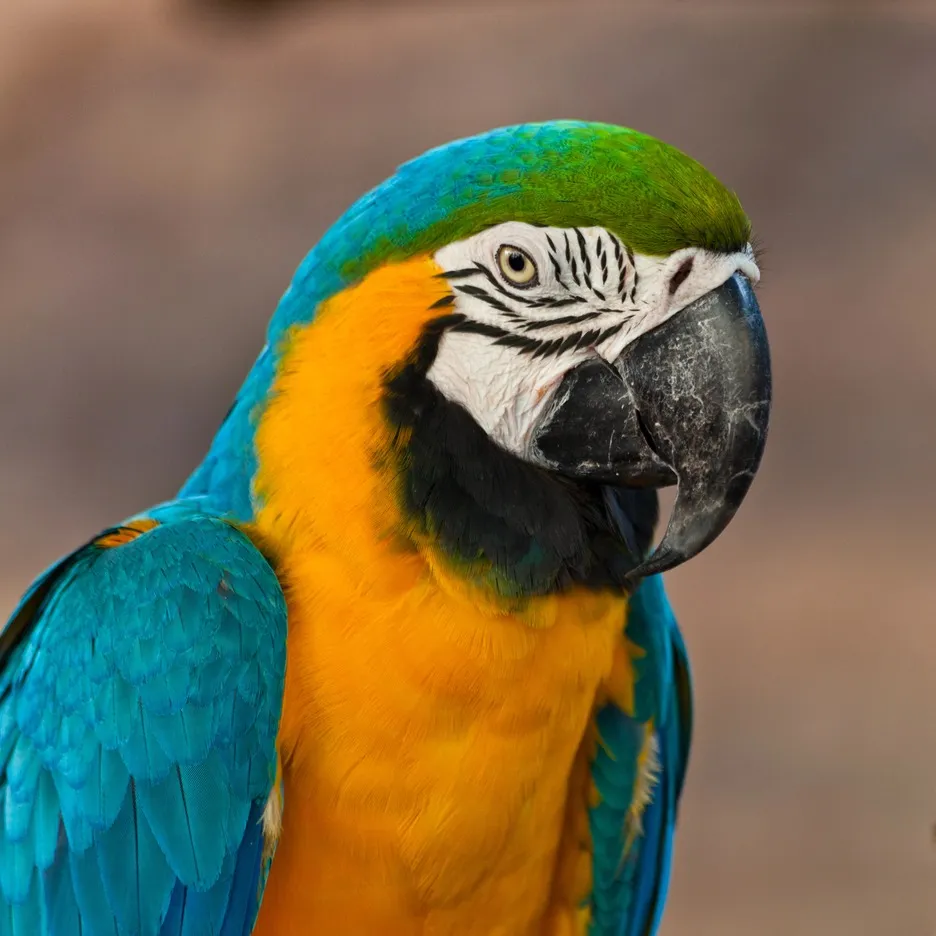
Blue-and-Gold Macaw.
Scarlet Macaw.
Hyacinth Macaw.
Military Macaw.
Originating in Panama, Colombia, Venezuela, Ecuador, Guyana, Brazil, Peru, Suriname, French Guiana, Paraguay, Argentina, and Bolivia, the green-wing macaw is a native of numerous tropical lowland forests in Central and South America. Its range is almost identical to that of the blue-and-gold macaw.
According to The Spruce Pets, green-wing macaws have been kept in captivity since the 17th century. During the 19th century, captive breeding operations were popular and were very effective. Green-wing macaws that have been bred in captivity are rather easy to locate today. The natural habitat of this macaw, like that of many other tropical species, has been severely diminished, and many are still being caught for the illegal parrot trade.
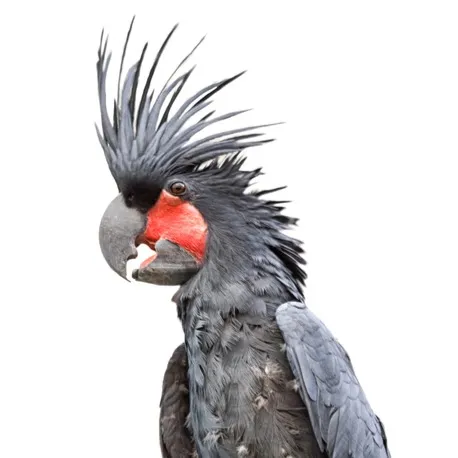
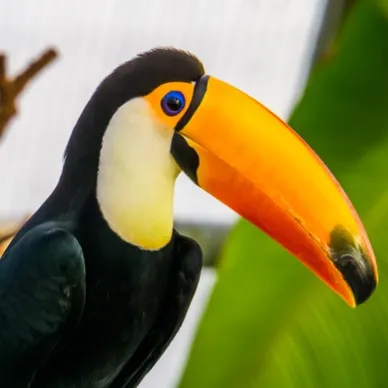
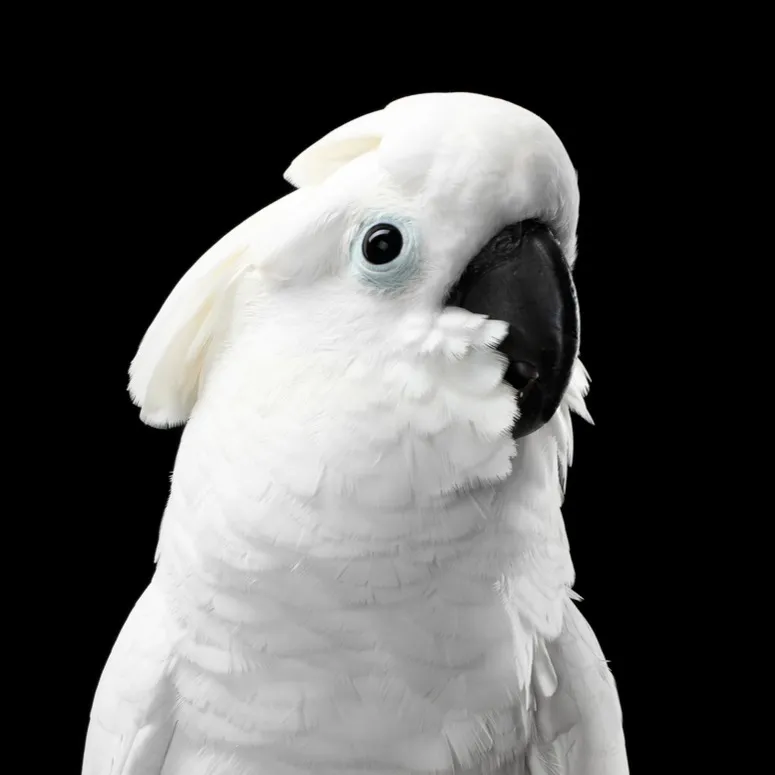
Compare with similar breeds
Frequently Asked Questions
How long do Green-winged Macaws live?
Green-winged macaws, on average, can live up to 50 years, and with good care, they can live up to 80 years.
Do Green-winged macaws talk?
Yes, they can learn words. But they are quieter when compared to other macaws.
Are Green-winged macaws good pets?
Yes, they are social and affectionate and can be great pets. However, they are a large bird and require a lot of dedicated investment and time, and are hence not recommended for first-time bird owners.
Do Green-winged macaws require a lot of space?
Yes, they are large birds and require a lot of space.
Are Green-winged macaws loud?
Yes, they are loud birds and use loud vocalisations to express themselves.