Home
/
Bird species
/
Hyacinth macaw
Hyacinth macaw
Origin
South America
Size
Large Breed
Ideal Weather
18º-30ºC
Avg Monthly Expenses
₹2,000
Basic Lifestyle
₹3,000
Premium Lifestyle
Top 5 Traits
Social
Intelligent
Affectionate
Curious
Gentle
Hyacinth Macaw: Learn All About The Largest Parrot
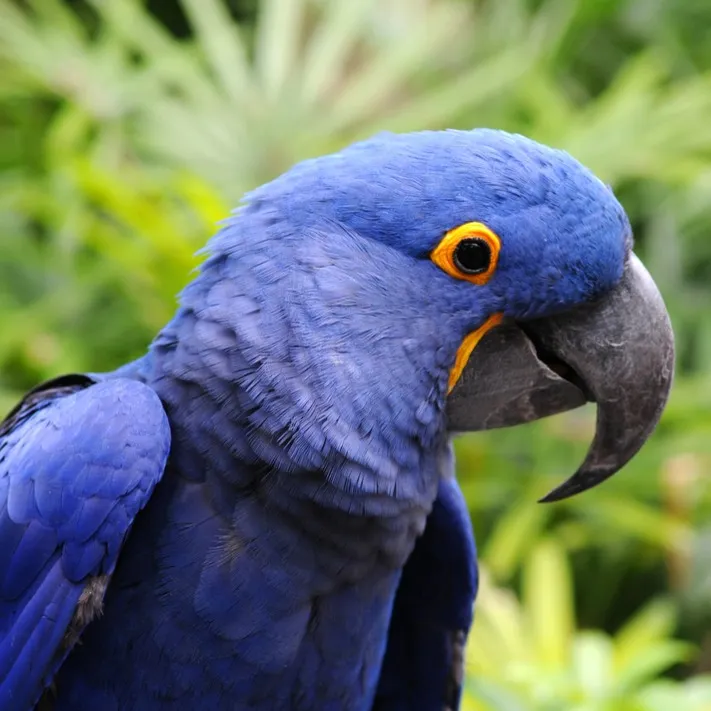
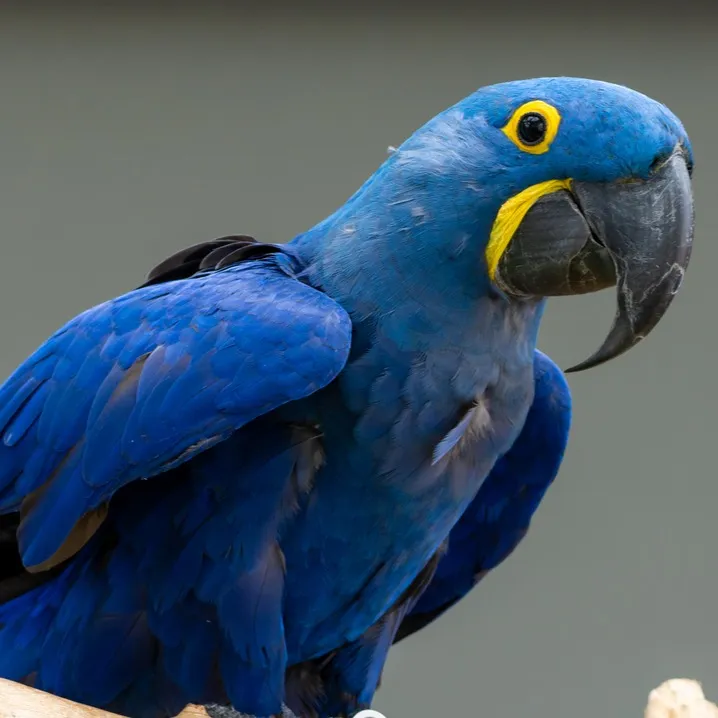
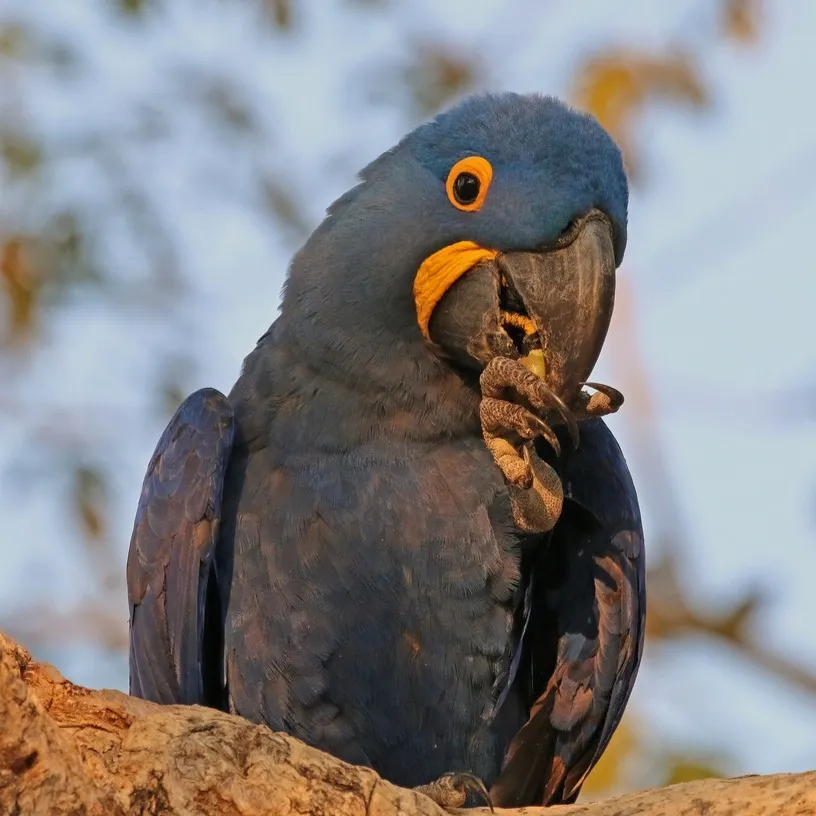
The largest of all parrots, the lovely cobalt-blue hyacinth macaw is a rare and endangered species that should only be owned by a very committed owner who can meet the needs as big as the bird itself. They are known for their big beaks that make them look like they are always smiling.
Despite not being the most proficient speakers among the macaws, a Hyacinth can pick up a few words and phrases that it will constantly repeat. Because of their high level of intelligence, they might even learn how to utilize those terms appropriately.
A Hyacinth macaw needs a huge space to live in, as one could anticipate from such a massive bird. Commercial cages that are big enough for this bird are scarce, and nearly none of them are impenetrable. Although a whole room devoted to the parrot is preferable, many owners discover that a specially made cage is required.
The strong beak may easily reduce most ordinary cages into debris. The ideal option is a stainless steel cage. As per Spruce Pets, the advantages of owning a stainless steel cage outweigh the expense because they are much more robust and long-lasting. Thus, investing in a stainless steel cage is worthwhile.
For good reason, zoos have more of these birds than private homes, and it is rare to find an owner who has the time, patience, and financial means to care for a sensitive and exotic bird that is almost as big as a bald eagle.
Physical Characteristics
Height - As per Spruce Pets, the average height of a full-grown adult is 40 inches (head to tail).
Weight - 1-2 kgs
Colour - Deep blue (cobalt blue), bright yellow circles around eyes and the beak.
Temperament
- Despite its enormous size, they are gentle birds.
- Training can be easy with positive reinforcement.
- They form easy and strong bonds with their humans.
- Requires ample social interaction.
- Birds that are confined and neglected are frequently referred to as "neurotic," exhibiting destructive tendencies, screeching, and self-mutilating habits like plucking feathers.
- They are loud birds and can be heard from over a mile away.
How Long Can A Hyacinth Macaw Live?
A healthy and well-cared-for Hyacinth Macaw can live more than 60 years.
Characteristics
Affection
Not Friendly
Super Friendly
Vocalization
Silent
Vocal
Intelligence
Low
High
Social Behavior
Prefer Isolation
Very Social


Hyacinth Macaw: Nutrition Guide
Monthly Food Expenses
₹1,000 - ₹ 1,500
Ideal weight
1200 - 1700 grams
Essential Nutrients
Protein
Carbohydrates
Fats
Vitamins
Minerals
List of foods
Nuts
Seeds
Fruits
Vegetables
Leafy Greens
Cooked eggs
Pellets
Hyacinth Macaws are large and active birds that require a balanced and nutrient-rich diet to support their energy levels.
- Carbohydrates provide the necessary energy for their daily activities. Complex carbs also help in digestion.
- Protein keeps them strong by maintaining muscle mass and boosting immune system function.
- Fats provide them with energy for extended hours. They also maintain skin and feather health.
- Vitamins - Vitamin A, D, E, and C are crucial as they promote immunity and provide antioxidants.
- Minerals like calcium, phosphorus, iron, and zinc promote bone health and nerve function.
Best Foods To Feed Your Hyacinth Macaw
- Nuts - They eat plenty of nuts in the wild, and their strong beaks are used to crack them open. Brazil nuts, macadamia nuts, walnuts, and almonds are excellent sources of healthy fats and protein.
- Fresh Fruits are filled with natural sugars, vitamins, and fiber. Recommended options are papaya, mango, banana, and berries.
- Vegetables like carrots, greens, capsicum, and sweet potatoes great source of antioxidants.
- Cooked grains and legumes like brown rice, quinoa, and lentils are a good source of carbs and protein.
- Pellets - There are pellets that are specially curated for parrots. They provide a balanced daily intake.
Foods That Are Toxic To Hyacinth Macaws
Avoid anything with these ingredients
Dairy products
High-fat foods
Mushrooms
Onions
Garlic
Salty snacks
Avocado
- Chocolate and caffeine - They are considered highly toxic to birds and can cause health issues like vomiting, diarrhea, and seizures.
- Alcohol - stay away from alcohol, as even extremely small amounts can lead to poisoning.
- Onions and garlic contain sulphur and allicin, which can cause anemia and damage red blood cells.
- Fruit seeds - They contain cyanide, which is toxic.
- Snacks high in salt and sugar can lead to kidney issues, obesity, and heart problems.


Hyacinth Macaw Health Guide
Avg Monthly Expenses
₹1,000 - ₹1,500
Recognising Stress
Feather Plucking
Excessive Vocalization
Withdrawal or Hiding
Loss of Appetite
Changes in Sleep Patterns
Stress Bars on Feathers
Panting or Open-Mouth Breathing
Common Health Issues
Psittacosis
Respiratory Infections
Chlamydiosis
Feather cysts
Aspergillosis
Nutritional Deficiencies (e.g., Vitamin A deficiency)
Heavy Metal Toxicity (Lead and Zinc Poisoning)
Energy Level
High
Preventative measure
Physical checkup every 6-12 months
Annual Blood Work
Annual Fecal Exam
Beak Assessment
Nail Trimming
Feather Assessment
Mental Stimulation
Physical Stimulation
Common Health Issues in Hyacinth Macaws
- Proventricular dilation disease (PDD) - In birds with proventricular dilatation illness, the stomach's nerves are impacted. It can be acquired through contact with the droppings of an infected bird or through exposure to a polluted environment. It happens when the stomach loses its capacity to contract normally as it extends. The following are the symptoms of PDD:
- Sudden increase in hunger, which is followed by drastic weight loss.
- The droppings contain undigested food (i.e., complete seeds are passed out).
As per Spruce Pets, PDD typically results in death. However, diagnosis and post-diagnostic care determine the lifespan of the bird.
- Psittacosis - Also known as parrot fever, it is a common illness affecting parrots. The illness may result in abrupt mortality, silent or chronic infections. According to VCA animal hospitals, symptoms include: reduced appetite, weight loss, fatigue, loose stools, nasal discharge, bloated appearance, and/or breathing difficulties. As per Veterinary Partner, some birds are asymptomatic carriers, meaning they have the disease yet show no symptoms. They can often be diagnosed with the help of a combination of medical tests and are treated with the help of antibiotics.
- Papillomas - It is a viral illness that causes papillomas to form in the digestive tract of birds. It is usually contracted from contact with other infected birds. Papillomas are tissue growths or thicker tissues that resemble pink cauliflower. It typically affects the intestines, cloaca, stomach, and mouth of the bird. As per PetMD, symptoms depend on the area of infection. Papillomas on the mouth manifest as wheezing or difficulty swallowing. On the other hand, papillomas in the cloaca emerge from the vent when the bird is under stress or expels waste. The droppings will smell strange and include blood. There is no treament that can completely cure the illness. However, papillomas can be surgically removed, and the chance of recurrence is high.
General healthcare guidelines for Hyacinth Macaws
- Spruce pet recommends 1-2 hours of exercise daily to keep them healthy.
- Keep the surroundings clean and offer plenty of space for them to move around.
- Schedule regular appointments with your veterinarian to stay proactive regarding your pet's health condition.
- Provide them with plenty of opportunities to chew on bird-safe wood as it helps strengthen their powerful beaks.
Prerequisites to pet a Hyacinth macaw
Time Commitment.
Noise Tolerance.
Living Space.
Enrichment .Activities
Hyacinth Macaw Natural Habitat
Initial Setup Cost
₹2,500 - ₹ 3,090
Monthly Expenses
₹1,000 - ₹ 1,500
Essential Equipment
Bird Cage
Perches
Food/ water dishes
Toys and Enrichment
Cage Liner Paper
Shower Perch
Compatible mates
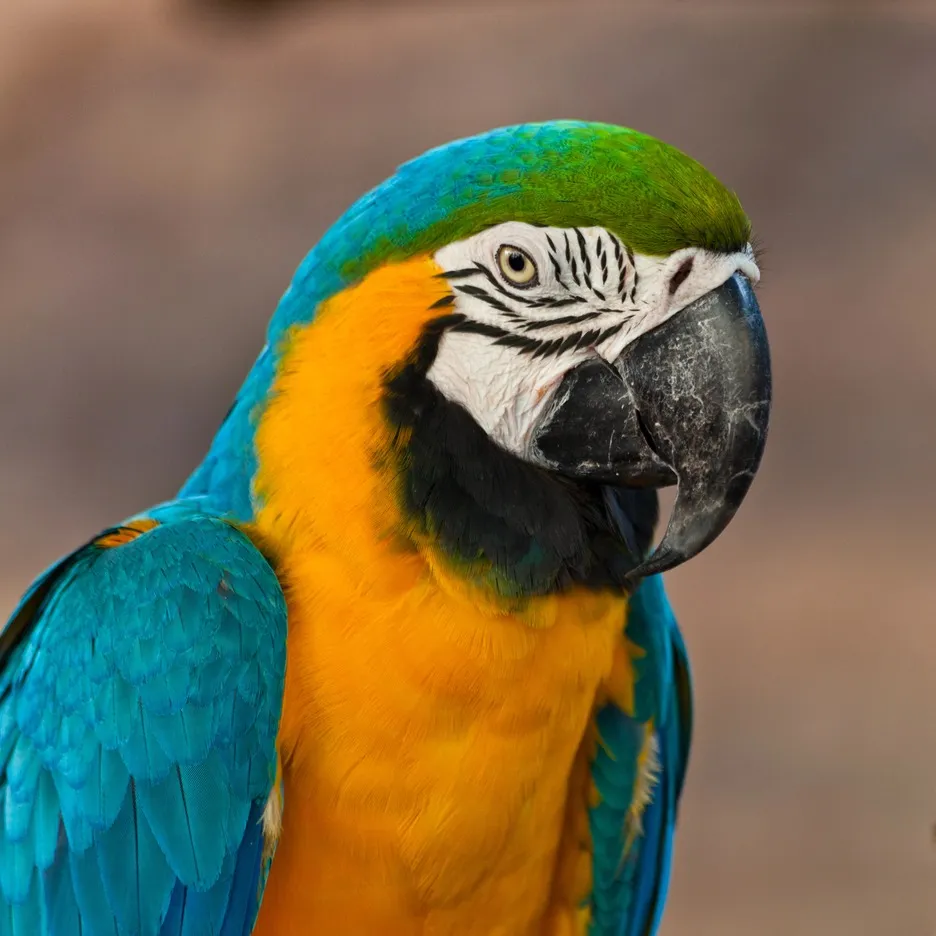
Blue-and-Gold Macaw.
Green-Winged Macaw.
Scarlet Macaw.
Military Macaw.
According to WebMD, the inland regions of South America, namely Brazil, eastern Bolivia, and northeastern Paraguay, are home to hyacinth macaws. Hyacinth macaws are typically found in less forested environments, such as palm swamps and flooded grasslands, whereas the majority of parrot species prefer to dwell in dense tropical rainforests. The Pantanal region of Brazil, the biggest tropical wetland in the world, is home to the majority of the hyacinth macaw population.
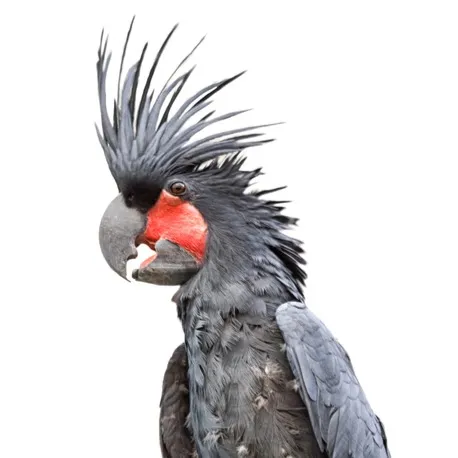
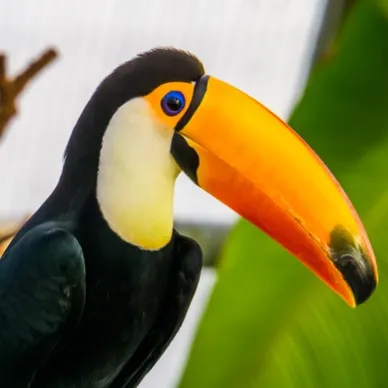
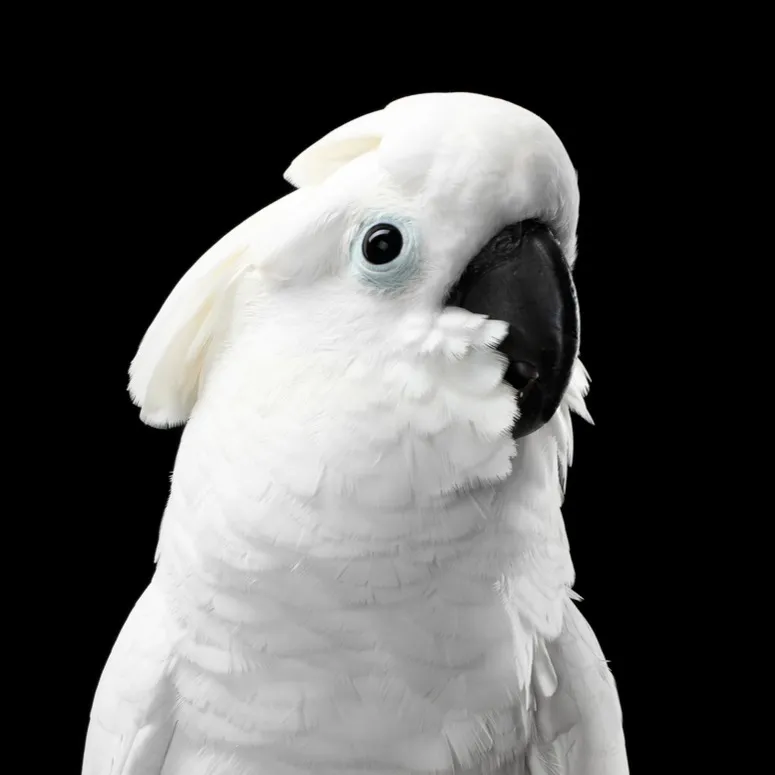
Compare with similar breeds
Frequently Asked Questions
Is the Hyacinth Macaw the largest parrot breed?
Yes, they are the largest parrot breed with a height of 3 feet and wingspan of up to 5 feet.
Is a Hyacinth macaw a good pet?
Yes, but they are recommended only for experienced bird owners who can dedicate a lot of time and space for the bird.
Is the Hyacinth Macaw Endangered?
The species is listed in the vulnerable category due to the pet trade, agriculture, and hunting.
Is it legal to own a Hyacinth Macaw in India?
No, it is not legal to own a Hyacinth Macaw in India without the necessary documentation and permits.
Are Hyacinth Macaws aggressive?
No, they are considered gentle birds. But if left alone for extended periods of time, they could turn aggressive.