Home
/
Cat Breeds
/
American Wirehair
American Wirehair
Origin
United States
Size
Medium Breed
Ideal Space
Apartment
Ideal Weather
15º-25ºC
Life Expectancy
15-20 years
Cost of buying
₹ 15,000 - ₹ 45,000
Top 5 Traits
Playful
Curious
Friendly
Independent
Affectionate
Avg Monthly Expenses
₹ 2,800 - ₹ 3,900

by Happy Pet TeamUpdated on 17 Jun 2025
Introduction to the American Wirehair
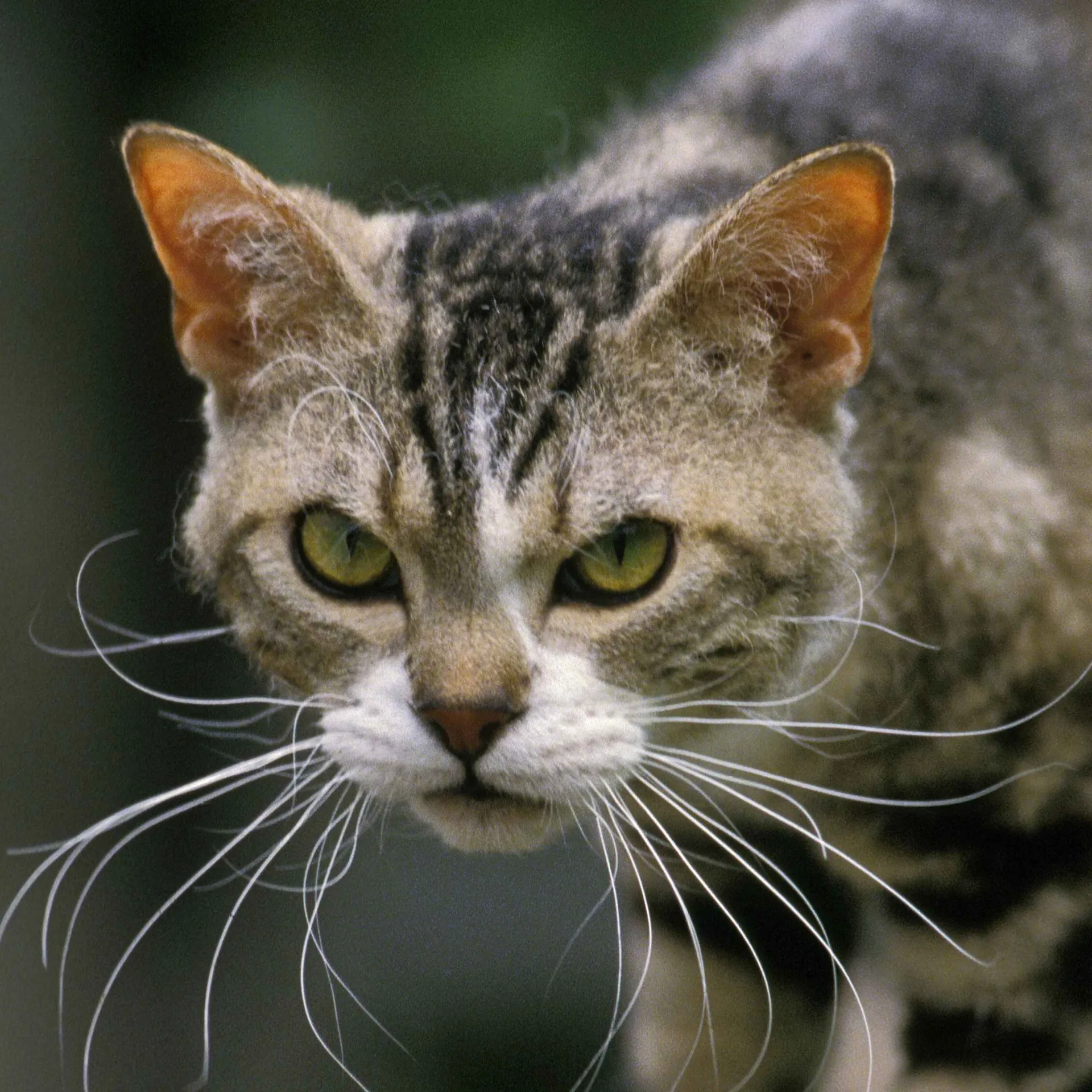
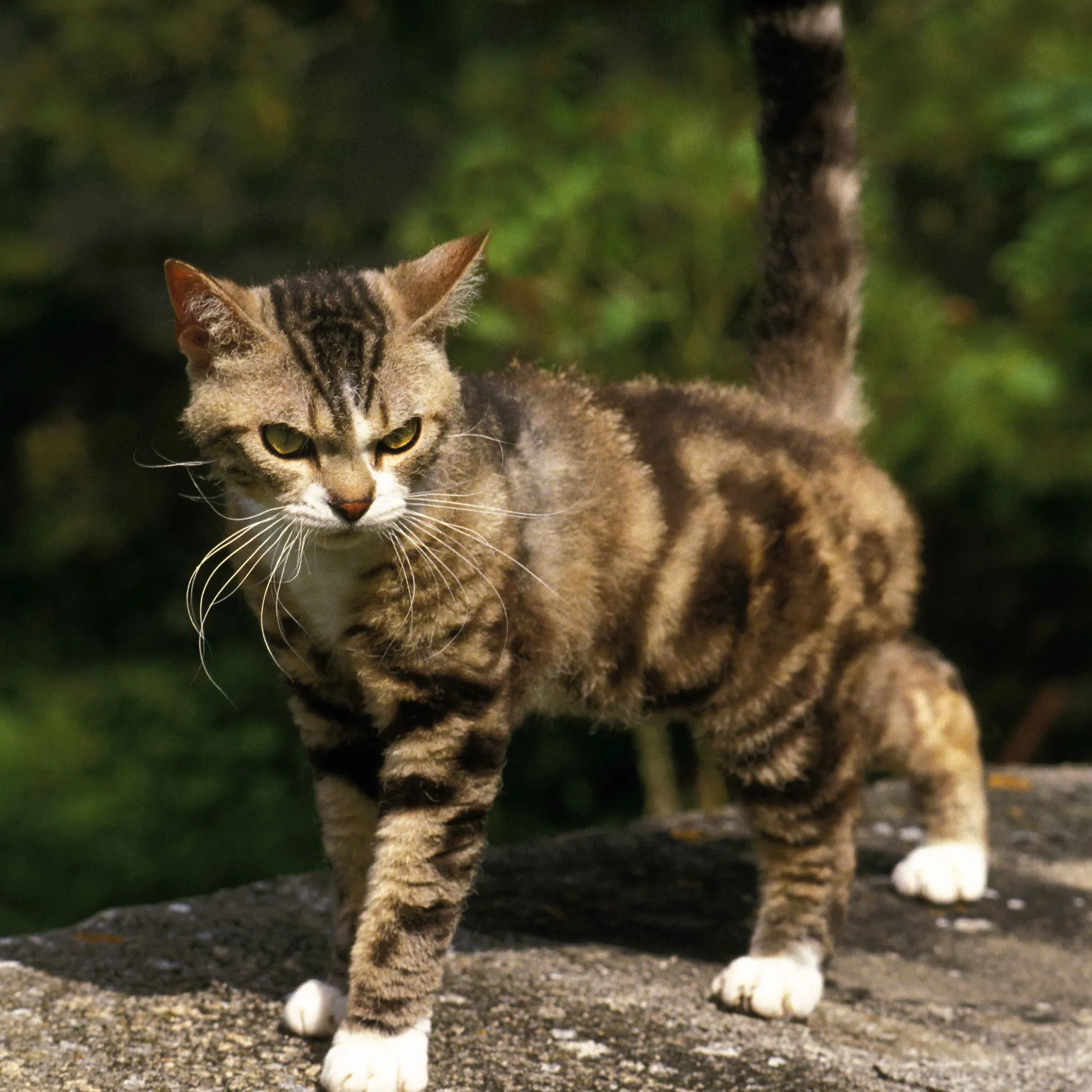
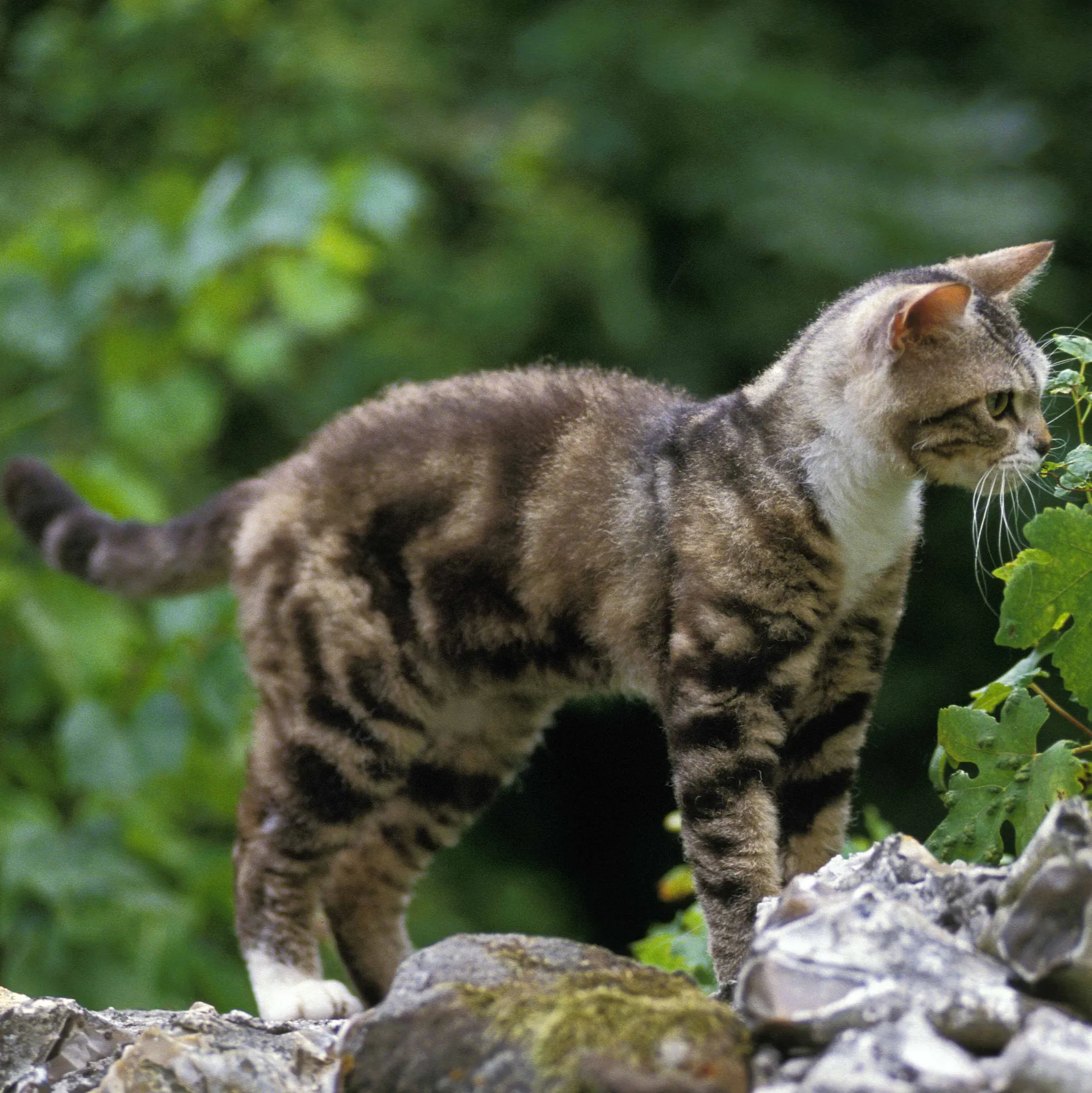
The American Wirehair is among the rarest and most distinctive kinds of cats on the planet. This breed with tight, wiry fur was created as a result of a genetic mutation in New York back in 1966.
Joan O’Shea, who was a local breeder, realised a farm kitten with wiry fur could be the base of a new breed and decided to begin the breeding process. Unlike similar curly cats such as the Cornish Rex, the American Wirehair has a one-of-a-kind and dominant fur gene.
In 1967, the Cat Fanciers’ Association (CFA) registered the breed and gave it Championship status in 1978. The wirehair variant continues to be found only in American-bred cats, so the breed is relatively uncommon.
How Long Do American Wirehairs Live?
Proper care can help an American Wirehair live up to 15 to 20 years.American Wirehair Temperament and Personality
American Wirehairs are famous for being loving, calm, and easygoing. They like being around their loved ones, though they are not always clingy.
Personality Traits:
- Affectionate but not clingy
- Good with kids and other pets
- Quiet but will purr and “talk” softly
- Inquisitive and playful but not hyperactive
- Independent yet people-oriented
They fit well in any home, whether people are constantly on the go or relaxing.
American Wirehair Exercise Needs
Though laid-back, this breed enjoys bursts of activity.
Keep Them Active With:
- Feather toys and laser pointers
- Interactive puzzle feeders
- Window perches and climbing trees
- Short 10–15 min play sessions daily
Their easygoing personality means structured play is better than relying on spontaneous activity.
Characteristics
Temperament with Kids
Aggressive
Friendly
Playfulness
Silent
Very Playful
Friendliness
Not Friendly
Super Friendly
Shedding amount
Negligible
Frequent
Compatibility with other cats
Not Friendly
Super Friendly
Prey Drive
Low
High
Need for attention
Independent
Very Needy
Monthly Expenses


American Wirehair Price Guide
Cost of buying
₹ 15,000 - ₹ 45,000
The American Wirehair prices depend upon coat type and lineage. In India, the price falls somewhere between ₹ 15,000 - ₹ 45,000.
Similar Breeds to the American Wirehair
Shop or Adopt an American Wirehair: Choice Is Yours!
Responsible shopping will make sure that ethical breeding is taking place, while adopting an American Wirehair will give a loving home to a cat that needs it. Pick based on your ability to keep up with their gentle temperament, grooming needs, and lifespan.
Best Practices for Shopping or Adopting an American Wirehair
- Select a good breeder or adoption centre.
- Get health screenings for heart disease and dental problems.
- Observe temperament and socialization levels.
- Vaccination, deworming and medical history should be checked.
- Offer a quiet, reasonably comfortable indoor environment.
- Prevent obesity by maintaining a balanced diet.
- They need to be groomed regularly to manage their dense coat.
- Always ensure you keep routine vet visits as a commitment to lifelong care.
Nutrition Care for the American Wirehair
Monthly Food Expenses
₹ 1,500 - ₹ 2,000
Calories per day
Kittens: 350 kcal
Adults: 250 kcal
Essential Nutrients
Protein
Fats
Carbohydrates
Vitamins
Minerals
Fiber
List of foods
Dry kibble
Wet canned food
Chicken (cooked or raw)
Eggs (cooked)
Pumpkin
Sweet potatoes (cooked)
Milk (lactose-free)
- They require high quality protein for the maintenance of muscle.
- Healthy fats support energy levels and a shiny coat.
- Immunity and joint health are strengthened with the help of essential nutrients.
- Taurine is important for heart and vision health.
- Wet food helps in hydration and urinary tract health.
- It is best to avoid low quality foods to prevent obesity and digestion problems.
- A balanced diet of wet food, lean meats and supplements is vital for overall well being.
Feeding Guidelines for American Wirehairs
- Kittens (0–12 months): 3–4 meals per day. Give your kitten food that has a protein content above 30%.
- Adults (1–7 years): 2 servings every day. Select formulas that put real animal protein at the top of the list. Give them measured meals, since cats can easily gain weight by not moving much.
- Seniors (7+ years): Give your pet small meals that are easier to process. Try using formulas that help joints and kidneys
Breakdown of Macro-nutrients
Best Foods for American Wirehairs
Look for premium commercial foods with real meat and no fillers.
- Royal Canin Indoor Adult or Hairball Control. Made to help indoor cats shed less and feel more comfortable when eating.
- Wellness CORE Grain-Free Wet Food. Plenty of protein and moisture to help lean muscles and hydration.
- Hill’s Science Diet Adult Sensitive Stomach & Skin. This is a perfect diet for cats who have digestive or skin sensitivities.
- Purina Pro Plan Focus Urinary Health. Supports the health of the urinary tract and functions of the bladder.
- Tip: Wet food provides moisture and protects your pet from urinary problems. It is especially helpful for cats with possible kidney or bladder issues.
Foods to Avoid for American Wirehairs
Avoid anything with these ingredients
Onions and Garlic
Caffeine
Alcohol
Dairy (in some cases)
Raw Eggs
Grapes and Raisins
Artificial Sweeteners
Xylitol
- Onions, garlic, chocolate, caffeine – All toxic. Just a little can cause serious health problems or death for your cat.
- Raw bones and raw meat – Can be home to bacteria and may produce blockages. Never give your pet undercooked meat, and only try raw diets that a veterinarian has approved.
- High-ash and high-calcium foods – May negatively affect the health of the urinary tract. Such foods might cause kidney stones or problems with the bladder.
- Low-protein fillers like corn or wheat gluten – Provide no benefits for muscles or the coat. Pick nutritious protein foods to ensure your cat is fit and healthy.


Healthcare for American Wirehairs
Avg Monthly Expenses
₹ 500 - ₹ 700
Common Health Issues
Upper Respiratory Infections
Dental Problems
Obesity
Diabetes
Kidney Disease
Hyperthyroidism
Heartworm Disease
Fleas and Ticks
Activities
Play with Toys
Exploring
Scratching
Grooming
Napping
Energy Level
Medium
Exercise routine
30 - 45 minutes
Recognising Stress
Hiding
Increased vocalization
Changes in litter box behavior
Overgrooming
Changes in appetite
Common Health Problems of American Wirehairs
While generally healthy, American Wirehairs can develop:
- Hypertrophic Cardiomyopathy (HCM) – A problem in the heart. The condition leads to thickening of the heart walls, and checks should be done regularly.
- Polycystic Kidney Disease (PKD) – This is a genetic disorder. Early screening allows doctors to treat the disease and keep it from worsening.
- Hip Dysplasia – May cause stiffness or difficulty in moving. Supplements and proper weight management can lessen stress on the joints.
- Dental issues – Most often seen in cats that are older. Keeping up with routine dental care makes their mouths healthier.
General Health Tips for American Wirehairs
- Take your pet to the vet every year (bi-annual after age 7). They allow doctors to spot early signs of illnesses related to aging or hereditary conditions.
- Getting cardiac and kidney screens done regularly. Required for pets that are at risk for Polycystic Kidney Disease and heart disease.
- Control their weight so they do not suffer from joint or metabolic problems. Follow a diet where each portion is controlled and balanced to stay healthy.
- Regular vaccines and preventative treatment against parasites are important. It helps to avoid common illnesses and ensures overall wellness.
Vaccination details
Growth Stage
Core Vaccines
8 Weeks
FVRCP (Core Vaccination)
12 Weeks
FVRCP Booster
16 Weeks
Rabies
20 Weeks
FVRCP Booster
24 Weeks
Rabies Booster
Annually
FVRCP and Rabies Boosters
American Wirehair Grooming Routine
Avg Monthly Expenses
₹ 800 - ₹ 1,200
Shedding Level
Low Shedding
Hygienic Checklist
Feeding
Litter Box
Grooming (for some breeds)
Hydration
Play and Exercise
Health Observation
Benefits of Grooming
Cleanliness
Odourless
Prevents Bad Breath
Low Shedding
Prevents infections
- Coat inspection (no brushing unless shedding)
- Bathe only if necessary, using mild shampoo
- Trim nails every 2–3 weeks
- Clean ears and check for wax buildup
- Brush teeth or use dental treats weekly


Written by
Happy Pet TeamAuthor
Team Happy Pet is a passionate collective of pet experts, enthusiasts, and advocates dedicated to sharing trusted and insightful content.
Our cont
Compare with similar breeds
Frequently Asked Questions
Do American Wirehairs shed a lot?
They generally shed a little, especially when they are not going through their seasonal shed.
Can I brush their coat daily?
Brushing your pet too frequently may hurt its wire-like hair. Less is better when it comes to grooming. Always proceed with care.
Are American Wirehairs good with kids and pets? Are there specific health considerations for this breed?
Yes! They are okay with loud noises, patient with children, and friendly with other animals.
How rare is this breed?
Rare—there is only one known occurrence of the wirehair gene in the U.S.