Home
/
Cat Breeds
/
Arabian Mau
Arabian Mau
Origin
Arabian Peninsula
Size
Medium Breed
Ideal Space
Apartment
Ideal Weather
15º-30ºC
Life Expectancy
12-14 years
Cost of buying
₹ 30,000 - ₹ 80,000
Top 5 Traits
Affectionate
Playful
Friendly
Independent
Energetic
Avg Monthly Expenses
₹ 2,800 - ₹ 4,200

by Happy Pet TeamUpdated on 18 Aug 2025
Meet the Arabian Mau: Desert Survivor, Family Charmer
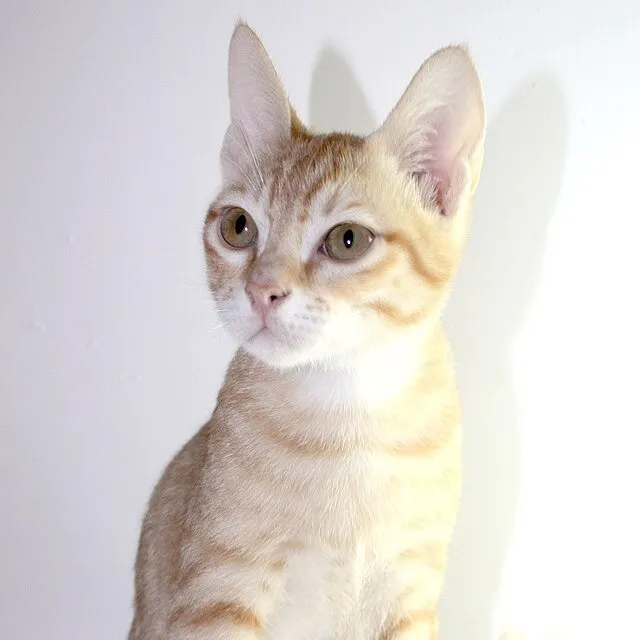
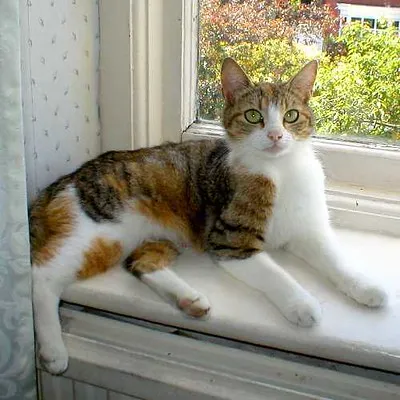
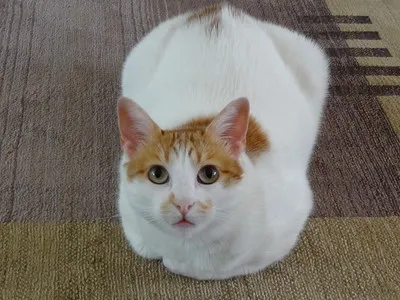
If you’ve ever admired the grace of a street cat and wished you could bring that raw elegance into your home, the Arabian Mau might be the one. This breed has its roots in the deserts of the Middle East, where it evolved naturally over centuries to survive harsh climates. As World Cat Congress notes, the Arabian Mau is one of the oldest natural cat breeds, known for its adaptability and strong health.
In India, where the climate can swing from scorching summers to chilly winters, the Arabian Mau’s resilience makes it a breed worth considering. Rarely “designed” like many exotic cats, it’s a straightforward, no-nonsense feline with a dash of desert wildness and a lot of affection to give.
Personality That Wins You Over
At first glance, the Arabian Mau may remind you of India’s very own streeties—slim, muscular, and alert. But the moment you interact with one, you’ll see a personality that’s as warm as the desert sun. According to Petfinder, Arabian Maus are social, talkative, and people-oriented, thriving best when they’re part of family life rather than left alone.
Here’s why families fall in love with them:
- They’re affectionate companions – they’ll greet you at the door and follow you around like a loyal shadow.
- They’re playful dynamos – always ready to chase a feather toy or bat at a ball.
- They’re independent yet loyal – not clingy, but always nearby when you need a friend.
- They’re adaptable – whether it’s a cozy apartment in Mumbai or a bigger house in Delhi, they fit right in.
As Omlet describes, the Arabian Mau combines the toughness of a desert survivor with the loyalty of a lap cat. And in India, where many families juggle busy schedules, this balance of independence and affection makes them a joy to live with.
Health and Lifespan
One of the Arabian Mau’s biggest strengths is its natural heritage. Having evolved without much human interference, this breed tends to be healthier and less prone to genetic issues than many designer cats. According to CatTime, Arabian Maus typically live 12–16 years, provided they’re fed well, kept indoors (or at least safe), and given regular vet check-ups.
Characteristics
Temperament with Kids
Aggressive
Friendly
Playfulness
Silent
Very Playful
Friendliness
Not Friendly
Super Friendly
Shedding amount
Negligible
Frequent
Compatibility with other cats
Not Friendly
Super Friendly
Prey Drive
Low
High
Need for attention
Independent
Very Needy
Monthly Expenses


Lifespan & Price of the Arabian Mau Cat in India
Cost of buying
₹ 30,000 - ₹ 80,000
Lifespan: The Arabian Mau is a hardy natural breed with a lifespan of 12–16 years. Thanks to their desert origins, they’ve evolved into resilient cats that handle varying climates well, but they still need proper nutrition, hydration, and vet care for a long life.
Price: In India, the Arabian Mau is still uncommon but easier to find compared to some exotic breeds. Depending on the breeder, pedigree, and import costs, prices range from ₹30,000–₹80,000. Cats sourced directly from GCC countries like UAE or Oman often cost more due to transport and health certification fees.
Exercise and Enrichment
Don’t expect your Arabian Mau to be a couch potato—they’re natural athletes. In fact, their desert background makes them highly active hunters, so they need outlets for all that energy.
Playtime: Set aside at least 30–45 minutes daily for interactive play. Feather wands, balls, and even chasing games are excellent. Some Maus enjoy fetch, which is a fun way to channel their energy indoors.
Climbing & Jumping: These cats love vertical exploration. Invest in a sturdy cat tree or wall-mounted climbing shelves. In apartments, a sunny window perch doubles as entertainment, especially in bird-rich cities like Pune, Bengaluru, or Hyderabad.
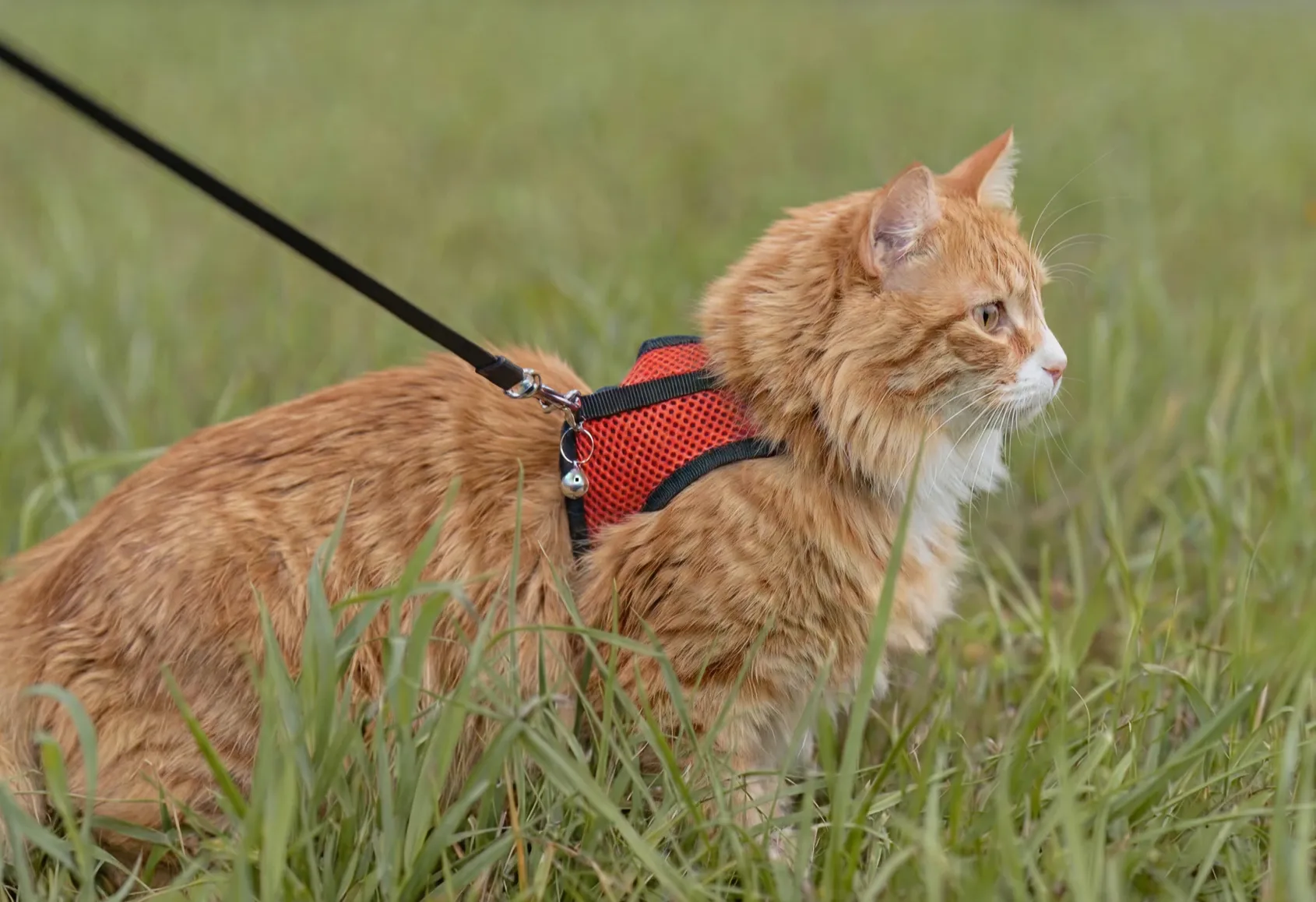
Training: Arabian Maus are intelligent and quick learners. Clicker training can teach them tricks, commands, or even leash-walking. This isn’t just fun—it also strengthens your bond.
Enrichment: Puzzle feeders, treat-dispensing toys, and DIY cardboard mazes keep their minds sharp. Since Indian summers can be draining, schedule play sessions during cooler mornings or evenings, and keep fans or AC on during peak heat to prevent exhaustion.
Buying or Adopting an Arabian Mau Cat in India
Since Arabian Maus are a natural breed and not commonly bred in India, sourcing one requires patience and caution. Always choose responsible breeders who provide lineage, vaccination, and health certificates, and avoid unverified sellers marketing “desert cats.”
Adoption is worth exploring first, as Maus or Maus-like mixes sometimes appear in Indian rescues, particularly in regions with Middle Eastern expat communities. Early socialization is vital since these cats are people-oriented yet cautious with strangers, so exposing kittens to family life, handling, and other pets helps them adjust well.
At home, they thrive with climbing spaces, scratching posts, and cozy corners. In India’s hot summers, ensure cool, shaded areas and fresh water, while in colder months, a warm bed or blanket keeps them comfortable.
Regular vet care, proper nutrition, and daily play are essential, and because Arabian Maus are strong jumpers, securing balconies and windows with mesh is a must in high-rise apartments.
Nutrition Care for the Arabian Mau
Monthly Food Expenses
₹ 1,500 - ₹ 2,000
Calories per day
Kittens: 200 kcal
Adults: 300 kcal
Essential Nutrients
Protein
Fats
Carbohydrates
Vitamins
Minerals
Amino Acids (Taurine, Arginine, etc.)
Essential Fatty Acids
Fiber
List of foods
Dry kibble
Turkey
Tuna
Chicken (cooked or raw)
Wet canned food
Mackerel
Eggs (cooked)
Plain yogurt (no added sugar)
The Arabian Mau may be a desert-born survivor, but in your home, its diet should be less about scavenging and more about balanced, wholesome nutrition. With their slim yet muscular build and endless energy, these cats thrive on a diet that supports stamina, strong immunity, and overall vitality. In India—where pet owners are increasingly exploring healthier diets beyond just kibble—it’s important to make mindful choices that align with this hardy breed’s natural instincts.
Protein
For the Arabian Mau, protein isn’t just important—it’s essential. As a naturally athletic cat, it relies on animal-based proteins like chicken, turkey, lamb, and fish to keep its muscles lean and powerful. According to CatTime, Maus are active hunters by nature, and taurine-rich diets ensure their eyes, heart, and muscles stay sharp.
In India, look for premium foods where real meat is listed as the first ingredient. Home-prepared meals—like boiled chicken or steamed fish—can also be added, but always balance them with complete cat food so they don’t miss essential vitamins and minerals.
Fats
The Arabian Mau doesn’t have a thick, fluffy coat, but it does benefit from healthy fats to keep its short fur sleek and skin healthy. Omega-3 and Omega-6 fatty acids from fish oil, flaxseed oil, or vet-approved supplements are excellent choices. As International Cat Care explains, fatty acids don’t just help with coat shine—they also support joint mobility and immunity.
For Indian homes, where dry winter air or extreme summer heat can stress skin, fatty acids are especially valuable. A tiny drizzle of fish oil on their food can make a visible difference.
Carbs
In the wild, Arabian Maus thrived without needing grains or fillers. Too much corn, soy, or wheat can slow them down and upset digestion. Grain-free, meat-first options are the best match for their desert-born metabolism. Fortunately, Indian retailers like Heads Up For Tails and Supertails now stock international and Indian grain-free cat foods that suit active breeds like the Mau.
Feeding Guidelines by Life Stage
- Kittens – Need nutrient-rich kitten food 3–4 times daily to support rapid growth and playfulness.
- Adults – Two balanced meals combining wet and dry food keep their energy steady and hydration levels healthy.
- Seniors – Lower-calorie meals plus joint supplements (glucosamine, chondroitin) help maintain mobility as they age.
Breakdown of Macro-nutrients
Choosing the Right Food for Arabian Mau Cats
Meat-First Diets: As The Spruce Pets notes, active, muscular breeds thrive best when real meat is the primary ingredient.
Skip Fillers & Junk: Avoid foods with artificial preservatives, heavy fillers, or low-grade by-products. The Mau’s natural digestion is best suited to clean, high-quality meals.
Key Nutrients to Include:
- Omega-3 & 6 fatty acids – for coat and skin resilience in harsh climates
- Taurine – for vision and heart health
- Zinc & Vitamin E – for immune support and skin repair
- Biotin – for strong nails and glossy fur
Wet vs. Dry Food: Striking a Balance
Hydration is critical for Arabian Maus, given their desert ancestry. While they’re used to conserving water, house cats rely on moisture-rich diets to prevent urinary tract issues. As PetMD highlights, wet food is excellent for hydration, especially in India’s hotter regions.
- Wet food: Mimics a natural prey diet, keeps them hydrated, and supports kidney health.
- Dry food: Useful for portion control and dental health, but ensure it’s grain-free and protein-rich.
For variety, Indian cat parents can add toppers like boiled chicken, scrambled egg (plain, no salt or oil), or freeze-dried fish—just ensure they’re vet-approved.
Never feed these foods to Arabian Mau
Avoid anything with these ingredients
Onions and Garlic
Caffeine
Chocolate
Alcohol
Grapes and Raisins
Xylitol
Bones
Raw Eggs
Some foods are tempting, but harmful for your Mau:
- Toxic foods: onions, garlic, grapes, raisins, chocolate, alcohol, caffeine
- Raw fish: destroys thiamine (Vitamin B1), leading to neurological issues
- Cooked bones: splinter risk and digestive injury
- Dairy: like most cats, Maus are lactose intolerant and may develop stomach upset
The safest approach? Always check with your vet before introducing new foods. Arabian Maus may be desert survivors, but in India, they thrive best on carefully balanced, high-quality diets.


Health
Avg Monthly Expenses
₹ 500 - ₹ 700
Common Health Issues
Urinary Tract Infections (UTI)
Fleas and Ticks
Dental Problems
Eye Problems
Hairballs
Skin Allergies
Obesity
Gastrointestinal Issues
Activities
Interactive Feeders
Exploring
Climbing
Play with Toys
Hiding Places
Sunbathing
Energy Level
High
Exercise routine
30 - 60 minutes
Recognising Stress
Hiding
Increased vocalization
Changes in litter box behavior
Decreased appetite
Overgrooming
Medical Care
Medical Care for the Arabian Mau Cat
The Arabian Mau might be built for the desert, but that doesn’t mean they can thrive without proper medical care—especially in India, where weather and living conditions can be very different from their Middle Eastern roots. These athletic, hardy cats are generally healthy, but consistent vet visits and climate-smart care are key to keeping them in top shape.
Like any cat, your Arabian Mau should visit the vet at least once a year for a thorough check-up. These appointments are not just about vaccinations—they also allow your vet to monitor weight, heart health, kidney function, and dental condition. Since Arabian Maus are naturally lean and active, even small changes in body shape or energy levels can indicate something worth checking early.
Vaccinations are non-negotiable. Core vaccines—including rabies, panleukopenia, feline calicivirus, and feline viral rhinotracheitis—are essential. If your Mau enjoys time on your balcony, terrace, or in an enclosed garden, your vet might recommend the feline leukemia vaccine as extra protection. Parasite prevention is also crucial. In India, ticks, fleas, and worms thrive year-round, especially in humid states like Kerala or Goa. Even if your Mau is strictly indoors, parasites can sneak in on your shoes or other pets. A regular flea and deworming schedule will save you a lot of trouble.
Health Quirks to Watch Out For
Arabian Maus are considered one of the hardiest breeds in the world, but they still have some quirks to look out for:
- Weight management: Unlike stockier breeds, Arabian Maus are built lean. If you notice a sagging belly or reduced activity, it may mean they’re overeating or not burning enough energy indoors.
- Dental care: Just like Highlanders, Arabian Maus are prone to plaque buildup. Skipping brushing can lead to gingivitis or even tooth loss. Dental treats and feline toothpaste help prevent long-term issues.
- Heat sensitivity indoors: Ironically, while they come from hot climates, Arabian Maus in India can struggle in sealed apartments without ventilation. Poor airflow may lead to dehydration, skin irritation, or heat stress.
- Kidney and urinary health: Cats from desert ancestry sometimes have sensitive urinary systems. Adequate hydration (wet food + fresh water) is non-negotiable.
Day-to-Day Care at Home
Caring for an Arabian Mau in India comes down to balance—mimicking their natural environment while protecting them from risks.
- Grooming: With their short coat, weekly brushing is usually enough. It helps reduce shedding and keeps their coat glossy, especially during shedding season (pre-monsoon and spring).
- Dental care: Brush their teeth at least twice a week, or supplement with dental treats. Cats in Indian households often don’t get dental care until it’s too late.
- Exercise and play: Arabian Maus are athletes. They need at least two active play sessions daily—think feather wands, laser toys, or even indoor climbing setups. Without this, they can become restless or destructive.
- Climate comfort: In hot regions, always ensure cool corners of the home with fans or AC. In cooler places like Delhi winters, provide soft blankets and warm napping spots since they don’t have a thick coat.
- Mental enrichment: Puzzle feeders, climbing perches, or even a catio (if you can build one safely) keeps their desert-born curiosity satisfied.
Caring for Senior Arabian Maus
As Arabian Maus age, their desert-cat stamina slowly dips. Senior care should focus on prevention and comfort.
- Vet visits: Switch to semi-annual check-ups to monitor kidney health, thyroid function, and joints.
- Diet: Transition to senior formulas that are lower in calories but enriched with taurine, omega-3s, and joint-supporting supplements like glucosamine. Indian pet stores and platforms like Supertails now carry senior-specific diets.
- Mobility support: Install ramps or step stools for easier access to beds and sofas.
Comfortable spaces: Senior Maus love sunbathing, but prolonged heat exposure in Indian summers can exhaust them. Keep cozy but cool spots ready year-round.
Vaccination details
Growth Stage
Core Vaccines
6-8 Weeks
Feline Distemper (FPV), Calicivirus (FCV), Herpesvirus (FHV-1).
12 Weeks
First booster for Feline Distemper, Calicivirus, Herpesvirus.
16 Weeks
Second booster for Feline Distemper, Calicivirus, Herpesvirus.
12-16 Weeks
Rabies.
Grooming the Arabian Mau Cat
Avg Monthly Expenses
₹ 800 - ₹ 1,500
Shedding Level
Low Shedding
Hygienic Checklist
Feeding
Litter Box
Health Observation
Bathing
Grooming (for some breeds)
Nail Trimming
Benefits of Grooming
Cleanliness
Low Shedding
Odourless
Prevents Bad Breath
Prevents infections
Quality of life
The Arabian Mau might be a desert-born breed, but grooming them in India requires some adjustments to our climate. Luckily, their short, sleek coat is pretty low-maintenance. A weekly brushing session with a soft bristle brush is usually enough to remove loose fur, distribute natural oils, and keep that glossy shine. This also minimizes hairballs, which can otherwise sneak up even in short-haired cats.
Bathing is rarely necessary—these cats are excellent self-groomers. However, in India’s hotter states like Rajasthan, Gujarat, or Maharashtra, a gentle bath once every few months helps refresh their coat. Just make sure to dry them thoroughly in humid regions like Kerala or Goa, as moisture can cause fungal issues. In the north, during chilly winters, you can safely skip baths and stick to brushing or using a damp cloth for wipe-downs.
Their ears need regular checks—dust, wax, and even fungal buildup are common in India’s warm, dusty conditions. Cleaning with a vet-approved solution every 2–3 weeks keeps infections away. Nail trims every 2–3 weeks are a must too, especially for indoor cats living in apartments with smooth tile floors.
Dental care is one area Indian pet parents often overlook. But since Arabian Maus are prone to tartar buildup, brushing with feline-safe toothpaste at least twice a week is ideal. Dental treats or toys can also help, particularly during the monsoon when dampness can worsen gum sensitivity.
The good news? Arabian Maus usually tolerate grooming well if introduced early. Keep sessions short and rewarding—think brushing after playtime or before meals. In bustling metro apartments, grooming becomes more than just upkeep; it’s a way to slow down and bond with your desert-born companion.
Similar Breeds to the Arabian Mau Cat


Written by
Happy Pet TeamAuthor
Team Happy Pet is a passionate collective of pet experts, enthusiasts, and advocates dedicated to sharing trusted and insightful content.
Our cont
Compare with similar breeds


Frequently Asked Questions
How do I choose a reputable breeder for an Arabian Mau?
Look for breeders who are transparent about their practices and the health of their cats. Reputable breeders should provide health records, allow you to meet the kittens and their parents, and offer a clean and well-maintained environment.
Are Arabian Maus prone to any specific health issues?
While generally healthy, Arabian Maus can be prone to common issues such as dental problems, obesity, and hairballs. Regular veterinary check-ups and proper care can help prevent and manage these issues.
Are Arabian Maus good with children and other pets?
Yes, Arabian Maus are generally friendly and adaptable. They are usually good with children and can get along well with other pets if properly introduced.