Home
/
Cat Breeds
/
Bengal Cat
Bengal Cat
Origin
United States
Size
Large Breed
Ideal Space
Apartment
Ideal Weather
15º-28ºC
Life Expectancy
12-15 years
Cost of buying
₹ 40,000 - ₹ 1,00,000
Top 5 Traits
Curious
Playful
Independent
Affectionate
Friendly
Avg Monthly Expenses
₹ 2,800 - ₹ 4,200

by Happy Pet TeamUpdated on 16 May 2025
Introduction to Bengal Cat Breed
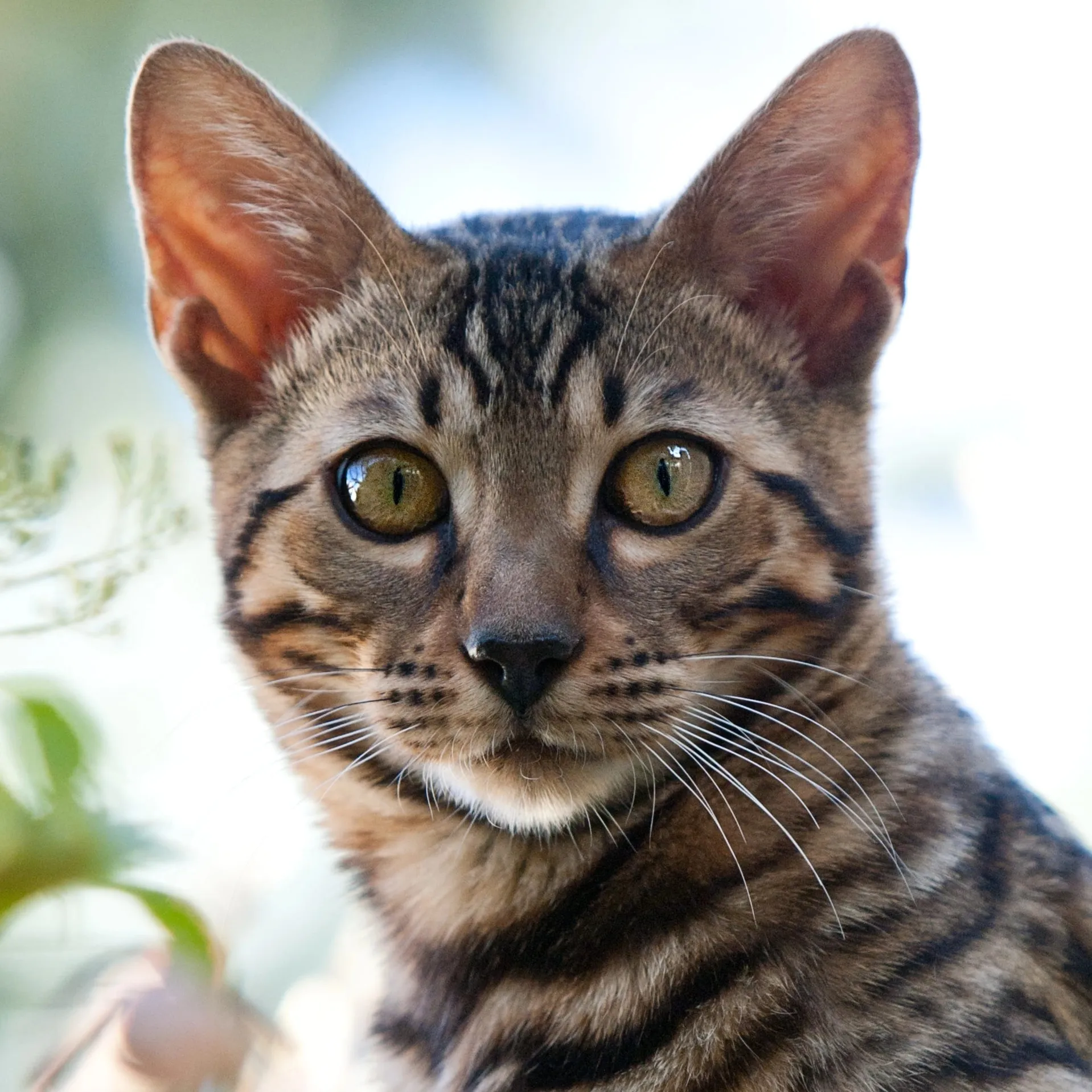
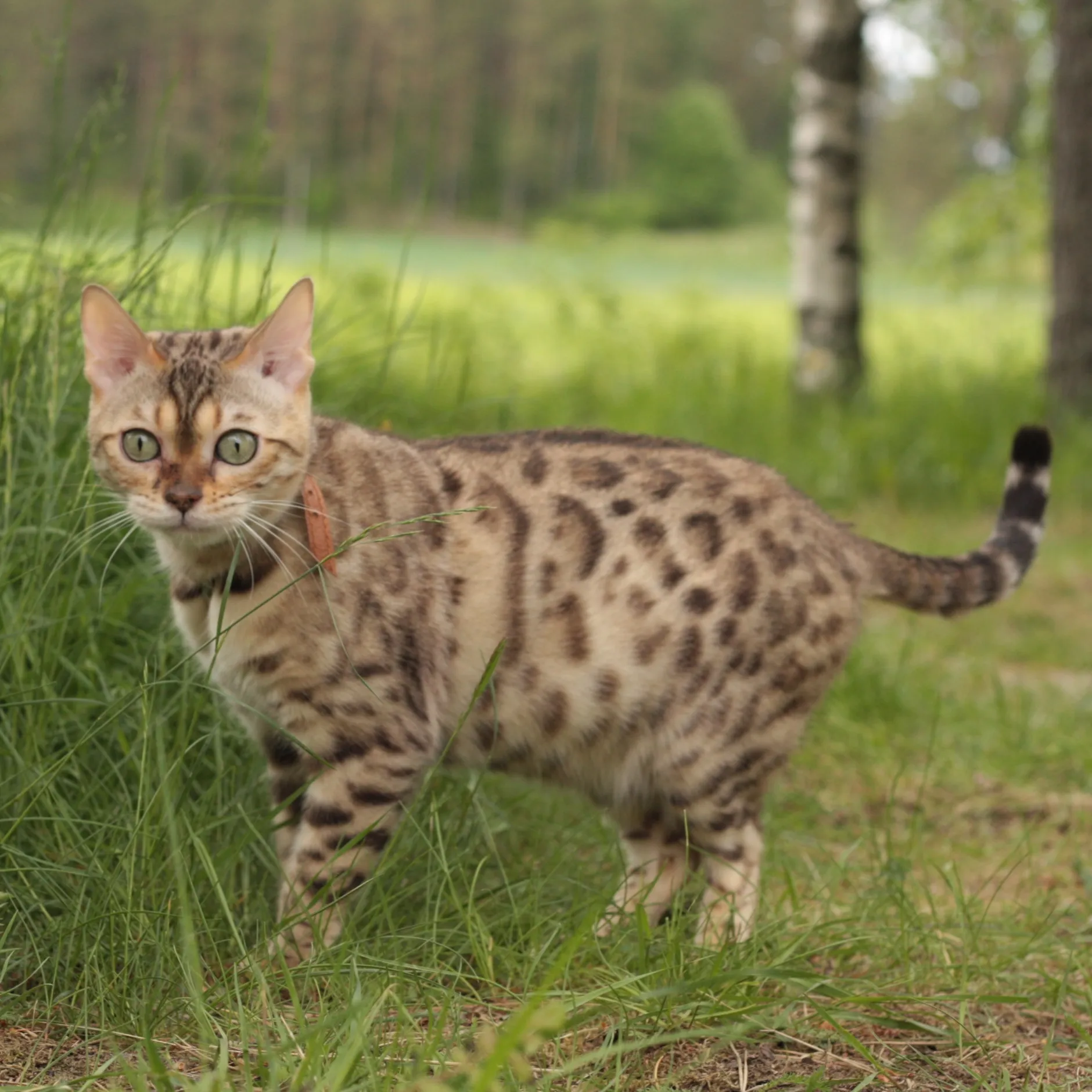
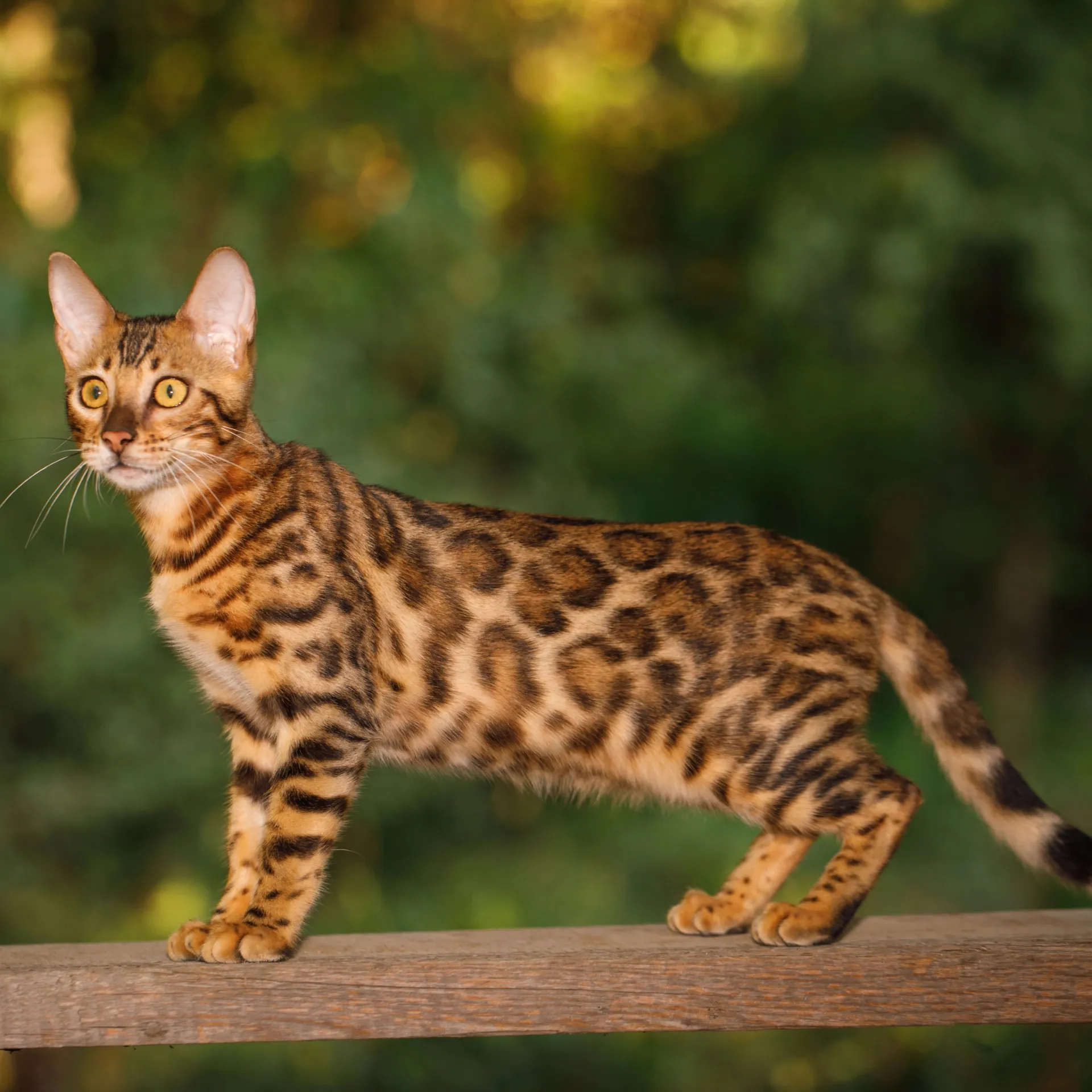
Bengal cats are an attractive cat breed that is active with an outstanding appearance. They are confident, curious creatures looking like an Asian Leopard Cat. Curious to know their origin and history? Let’s learn more about it in the next section.
Origin & History of Bengal Cats
They were originally bred in the 1960s by an American breeder Jean Mill with an aim to create a domestic cat with an appearance of a wild leopard. This was achieved by crossing an Asian leopard cat with a domestic black tomcat. Over a period of time by crossing various local breeds like Burmese Cat and Egyptian Mau these cats acquired a temperament of Bengal cats. In the 1980s Bengal Cats got recognized by The International Cat Association and gained a champion status in 1991 by the same association.
Life Expectancy of Bengal Cat
The average lifespan of a Bengal Cat can vary from 12 to 15 years. With proper care, medical attention and a balanced diet it can live longer than their peers.
Physical Traits of Bengal Cat
- The Bengal cats weigh around 3.6 to 7.77 kg
- They come in a spotted marble coat in brown, silver and snow color.
Temperament of Bengal Cats
- These are active and curious breeds that are best suited for experienced pet parents.
- Since they are a hyper active breed, you need to keep them engaged and monitored.
Characteristics
Temperament with Kids
Aggressive
Friendly
Playfulness
Silent
Very Playful
Friendliness
Not Friendly
Super Friendly
Shedding amount
Negligible
Frequent
Compatibility with other cats
Not Friendly
Super Friendly
Prey Drive
Low
High
Need for attention
Independent
Very Needy
Monthly Expenses


What is the price of a Bengal Cat?
Cost of buying
₹ 40,000 - ₹ 1,00,000
The average Bengal Cat price can vary from ₹ 40,000 to ₹ 1,00,000 in India. The cost depends on factors like breed, lineage, and health conditions. Several factors should be considered while purchasing a Bengal Cat -
- The most essential thing when purchasing a pet is choosing a trustworthy breeder. Ensure that any breeder treats the cats appropriately and follows the moral breeding procedure.
- Ask your breeder to provide health certificates and lineage papers to ensure that the cat is healthy and purebred. Visit the kennel to confirm that there is no inbreeding taking place.
- The cost depends on many variables like ancestry, the possibility of show quality, and the breeder's reputation.
Adopt
There is another way to get a cat home, i.e., to adopt
- Give a homeless pet all the love with adoption. Maybe breed-specific rescues, a local animal shelter, or other rescue groups have a cat/kitten up for adoption.
- Adoption fees usually cover vaccinations, spaying/neutering, and initial medical care. These fees vary, but they are generally lower than they would be to buy from a breeder.
Are you ready to get a Bengal Cat home?
Research: Do thorough research about the breed, its requirements, health issues, temperaments, traits, and compatibility. See if the cat breed is a good fit for your lifestyle.
Find reputable sources: Before buying a cat, look for a trustworthy breeder who practices ethical breeding. Also, check out the local rescues or shelters if you are planning to adopt.
Visit breeding establishments/adoption centers: Make a plan to visit the breeding establishments or adoption centers before going to buy or adopt the cat. Know about their behavior, health, immunization, history, and lineage.
Ask for documentation: Do not miss the health certification, vaccination record, and any other related documents from the breeder before buying the kitten. If you are adopting, make sure you inquire about the behavior and past and recent health conditions.
Prepare your home: You must make a comfortable living space for the cat before bringing it into your life. So, make sure you are well aware of the requirements, such as space, time, and commitment, needed to have a cat at home. Ensure you have enough supplies, grooming tools, a bed, a food bowl, and other necessities.
Nutritional Guide to Bengal Cats
Monthly Food Expenses
₹ 1,500 - ₹ 2,000
Calories per day
Kittens: 350 kcal
Adults: 300 kcal
Essential Nutrients
Protein
Fats
Carbohydrates
Vitamins
Amino Acids (Taurine, Arginine, etc.)
Essential Fatty Acids
Fiber
Minerals
List of foods
Dry kibble
Wet canned food
Turkey
Chicken (cooked or raw)
Lamb
Salmon
Tuna
Eggs (cooked)
Omega-3 fatty acids
As mentioned above, Bengal cats are hyper active and need an appropriate and a balanced diet to cater to their nutritional needs. Here are few points to consider before designing a diet for your Bengal cat-
- While designing a diet for them, you should keep in mind their age, size, activity level, energy requirements and health issues/allergies.
- Even though they may not need a specific diet, you should make sure their food meets all the AAFCO standards to ensure comprehensive nutrition.
- The diet should constitute all the nutrients like protein, minerals, carbohydrates, vitamins and minerals in an adequate amount.
- Commercial food designed for cats can be fed. Make sure you are consulting your vet before feeding any food to your cat.
- Consult your veterinarian to know about any kind of disease or allergies in your cat and hence, come up with a suitable diet.
Now, you have an idea about what all should be included in your cat’s diet. In the next, we shall deep dive into the specific food items that can be given to your cat.
Breakdown of Macro-nutrients
What to feed your Bengal Cat?
- Dry food that is available for cats can be fed in an adequate amount to cater to their energy needs.
- You can feed them foods like lean meat that provides protein for muscle building and overall development.
- You can include chicken, tuna, salmon, eggs and wet canned food for your cat.
- A homemade meal or commercial food should cater to their needs. Cats are primarily carnivores, so they are not capable of digesting vegetable based food.
- Keep them hydrated by providing enough water to maintain their body temperature and overall internal organ functioning.
These foods can be toxic to your Bengal cat
Avoid anything with these ingredients
Artificial Sweeteners
Artificial Additives
Raw Eggs
Grapes and Raisins
Caffeine
Onions and Garlic
Xylitol
- Do not feed your cat human foods like chocolate, onion, garlic, grapes, raisins and caffeine to your cat.
- Avoid foods that have more fat content as that can cause obesity and related health issues in the long run.
- Foods with high amounts of salt and sugar should be avoided to prevent long-term health issues.
- Be very careful when selecting commercial cat food, and avoid food that has artificial sweeteners, preservatives and odors.


Comprehensive Healthcare guide to Bengal Cats
Avg Monthly Expenses
₹ 500 - ₹ 700
Common Health Issues
Hypertrophic Cardiomyopathy (HCM)
Polycystic Kidney Disease
Progressive Retinal Atrophy
Gastrointestinal Issues
Urinary Tract Infections (UTI)
Hyperthyroidism
Skin Allergies
Activities
Play with Toys
Chasing Objects
Exploring
Climbing
Scratching
Energy Level
High
Exercise routine
60 - 90 minutes
Recognising Stress
Hiding
Decreased appetite
Overgrooming
Increased vocalization
Changes in litter box behavior
Scratching furniture or walls
Some common health issues found in Bengal cats
Bengal Cats are a relatively healthy breed, however, they are prone to some common health issues. Like-
- Lymphoma: These cats are more prone to lymphoma, a cancer of the lymphatic system. It can affect areas like the lymph nodes, spleen, bone marrow, thymus, and gut, with intestinal lymphoma being the most common. Treatment depends on the cancer’s location and stage, but chemo, surgery, or radiation are often recommended.
- Patellar Luxation: Patellar luxation happens when the kneecap slips out of its normal spot. To keep your pet comfortable and help prevent early arthritis, your vet might recommend anti-inflammatory medications or surgery, depending on how serious it is.
- Hypertrophic Cardiomyopathy (HCM): This is the most common heart disease in cats, where the heart muscle becomes thickened. Since symptoms aren’t always obvious, responsible breeders should have both parents tested for hypertrophic cardiomyopathy (HCM) before breeding.
- Progressive Retinal Atrophy (PRA): Progressive retinal atrophy (PRA) is a genetic condition that leads to blindness. There’s no cure, but blind cats can still live happy lives with some help. PRA can affect kittens as young as 2-3 months or cats between 2-5 years old, with night blindness being the first sign. Responsible breeders should test both parents for PRA before breeding.
Vaccination details
Growth Stage
Core Vaccines
6-8 weeks
Feline Panleukopenia Virus (FPV)
8-10 weeks
Feline Herpesvirus-1 (FHV-1)
10-12 weeks
Feline Calicivirus (FCV)
12-14 weeks
Rabies
Grooming guideline for Bengal Cats
Avg Monthly Expenses
₹ 800 - ₹ 1,500
Shedding Level
Low Shedding
Hygienic Checklist
Feeding
Litter Box
Hydration
Play and Exercise
Health Observation
Nail Trimming
Benefits of Grooming
Cleanliness
Odourless
Low Shedding
Prevents Bad Breath
Quality of life
Bengal Cats have short fur and need low-maintenance. Here are a few guidelines that can help you in grooming your cat -
- They are low-shedding cats and hence, need low maintenance.
- Brushing them with soft bristle brushes to remove loose hair is needed.
- Bathing them is rarely necessary. Use vet-recommended shampoos or cleansers.
- To prevent discomfort and maintain hygiene you should do nail trimming and frequent ear cleaning is necessary.


Written by
Happy Pet TeamAuthor
Team Happy Pet is a passionate collective of pet experts, enthusiasts, and advocates dedicated to sharing trusted and insightful content.
Our cont
Frequently Asked Questions
Do Bengal cats distinguish from other cat breeds in any particular traits or behaviors?
Bengal cats are renowned for their love of the water, tendency for climbing, and playful, energetic personalities. They frequently have a more dog-like temperament and love interactive play with their owners.
How can I make sure my Bengal cat is comfortable and well-mannered in my house?
Bengal cats will thrive in a stimulating environment with ongoing interactions and enrichment activities. Their well-being will be enhanced by meeting their physical and emotional demands.
What kind of routine, particularly in terms of grooming and exercise, are Bengal cats required to have?
Bengal cats have a short coat that requires minimal grooming. Due to their high level of activity, they require regular exercise and intellectual stimulation.Their wellbeing depends on providing toys and time to play.