Home
/
Cat Breeds
/
Birman Cat
Birman Cat
Origin
Myanmar
Size
Medium Breed
Ideal Space
Independent House
Ideal Weather
15º-25ºC
Life Expectancy
12-16 years
Cost of buying
₹ 20,000 - ₹ 50,000
Top 5 Traits
Playful
Curious
Friendly
Affectionate
Gentle
Avg Monthly Expenses
₹ 2,800 - ₹ 4,200


by Happy Pet TeamUpdated on 10 Jun 2025
Introduction to the Birman Cat
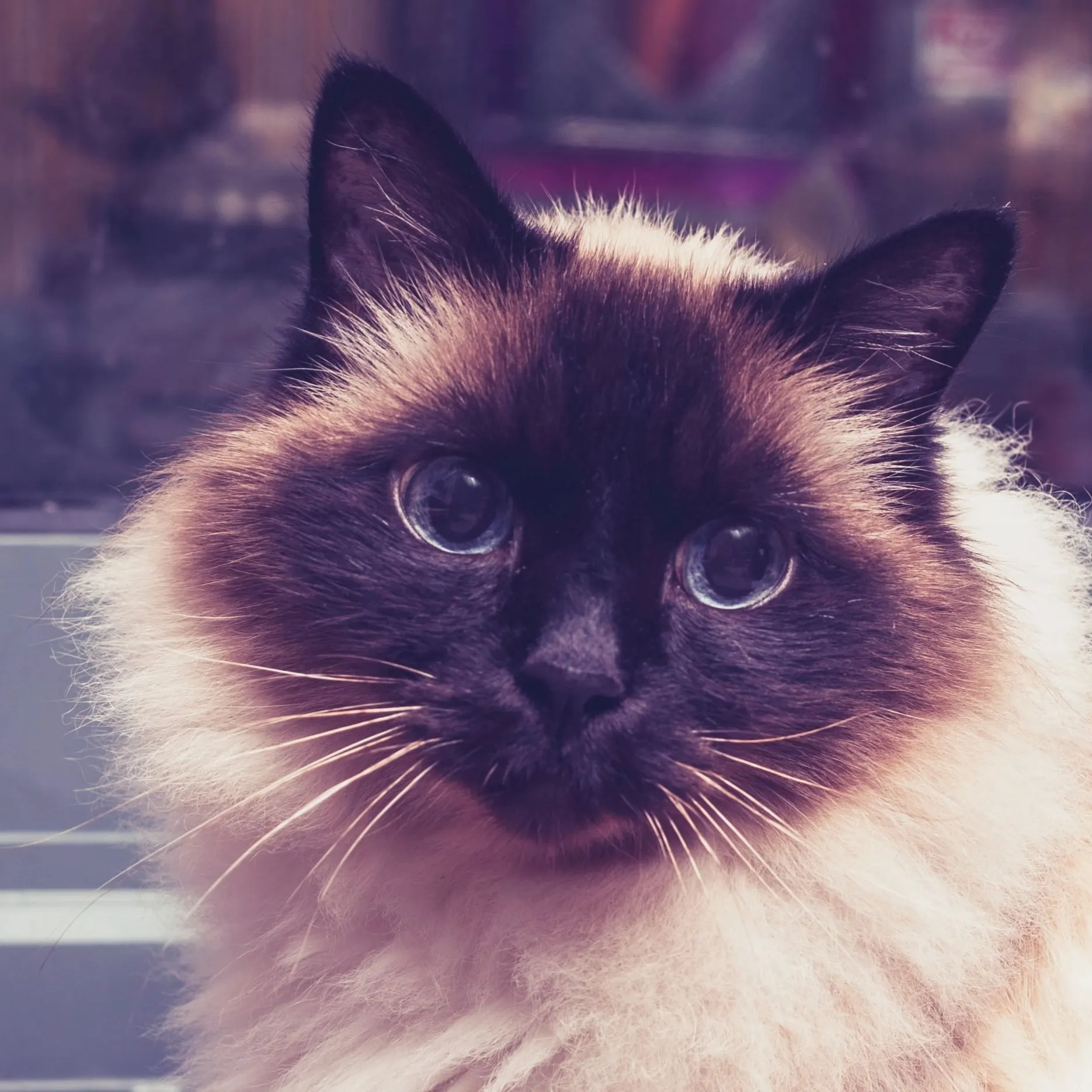
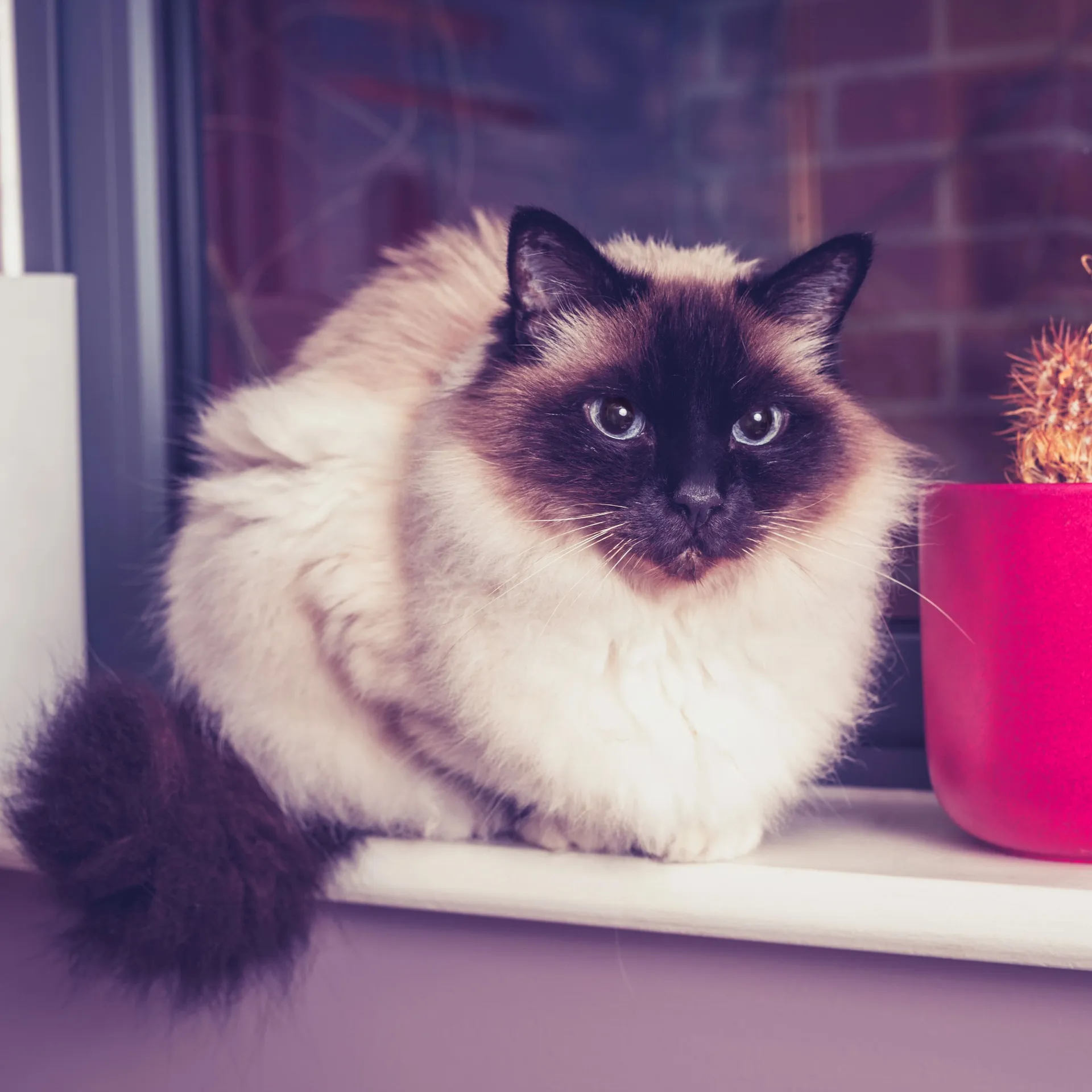
The Birman, which is sometimes called the Sacred Cat of Burma, is famous for its long, silky fur and gentle personality.
It is said that they were guardians of temples in Burma and were praised by the priests there. It was in the early 1900s that they first travelled to France, and that journey marked the start of their European story.
Although the breed was almost over during World War II, devoted breeders managed to bring it back. Because of their silky fur, striking blue eyes and white paws, Birman cats are sure to stay in your heart as a charming pet.
How Long Do Birmans Live?
When properly looked after, Birmans usually live for 12 to 16 years and sometimes even longer.
Birman Temperament and Personality
Birmans are known for their:
- Gentle and affectionate nature – They bond deeply with their family
- Soft voices – They’re quiet communicators who prefer purring or nudging
- Tolerance with children and pets – They adapt well to multi-pet households
- Curious but calm demeanour – They explore gently, never wildly
They prefer to sit on your lap and will often want to go with you from one room to another.
Birman Exercise Needs
They’re not the wild type, but Birmans do love to play.
30–60 minutes of activity daily is ideal:
- Wand toys and feather chasers
- Puzzle feeders for mental enrichment
- Climbing trees and scratching posts
- Interactive sessions with their humans
Apartment life suits them well with proper stimulation.
Characteristics
Temperament with Kids
Aggressive
Friendly
Playfulness
Silent
Very Playful
Friendliness
Not Friendly
Super Friendly
Shedding amount
Negligible
Frequent
Compatibility with other cats
Not Friendly
Super Friendly
Prey Drive
Low
High
Need for attention
Independent
Very Needy
Monthly Expenses


Birman Cats Price Guide
Cost of buying
₹ 20,000 - ₹ 50,000
Shop or Adopt a Birman Cat: Choice is Yours!
Responsible shopping will make sure that ethical breeding is taking place, while adopting a Birman will give a loving home to a cat that needs it. Pick based on your ability to keep up with their gentle temperament, grooming needs, and lifespan.
Best Practices for Shopping or Adopting a Birman
- Select a good breeder or adoption centre.
- Get health screenings for heart disease and dental problems.
- Observe temperament and socialization levels.
- Vaccination, deworming and medical history should be checked.
- Offer a quiet, reasonably comfortable indoor environment.
- Prevent obesity by maintaining a balanced diet.
- They need to be groomed regularly to manage their dense coat.
- Always ensure you keep routine vet visits as a commitment to lifelong care.
Nutrition Care for the Birman Cat
Monthly Food Expenses
₹ 1,500 - ₹ 2,000
Calories per day
Kittens: 250 kcal
Adults: 200 kcal
Essential Nutrients
Protein
Fats
Carbohydrates
Vitamins
Minerals
Amino Acids (Taurine, Arginine, etc.)
Essential Fatty Acids
Fiber
List of foods
Dry kibble
Wet canned food
Chicken (cooked or raw)
Lamb
Carrots (cooked)
Sardines (in moderation)
Mackerel
- They require high quality protein for the maintenance of muscle.
- Healthy fats support energy levels and a shiny coat.
- Immunity and joint health are strengthened with the help of essential nutrients.
- Taurine is important for heart and vision health.
- Wet food helps in hydration and urinary tract health.
- It is best to avoid low quality foods to prevent obesity and digestion problems.
- A balanced diet of wet food, lean meats and supplements is vital for overall well being.
Feeding Guidelines for Birmans
- Kittens (up to 12 months) – Feed your pet 3 to 4 times every day. Choose kitten food that’s high in calories and protein to benefit the growth process.
- Adults (1–7 years) – Give your pet two measured meals every day. Make sure they get about 30 calories per pound of their body weight to stay energised.
- Seniors (7+ years) – Reduce the number of calories by 10–15% in their diet. Include supplements for joints and add easily digestible protein to their diet.
Breakdown of Macro-nutrients
Best Foods for Birman Cats
Look for:
- High-quality dry kibble – Pick foods where real meat (chicken or lamb) comes first in the list of ingredients for better muscle support.
- Moisture-rich wet food – Keeps the body well hydrated and promotes urinary health.
- Animal-based protein sources – Foods like chicken, turkey, lamb, sardines, or mackerel help keep your pet’s coat healthy and give them energy.
- Cooked carrots and limited veggies – Include some natural fibre in their meal to support digestion.
- Fresh, human-grade diets – A well-balanced raw or home-cooked meal recommended by a vet is another good option.
Foods to Avoid for Birman Cats
Avoid anything with these ingredients
Onions and Garlic
High Salt Foods
High-Fat Foods
Chocolate
Caffeine
Bones
Raw Eggs
Grapes and Raisins
Avoid feeding:
- Chocolate, onions, garlic, grapes, and raisins – Even a small amount of these can lead to serious health complications.
- Dairy products – Giving a cat milk can cause them stomach pain and diarrhoea because most cats are lactose intolerant.
- Raw fish or eggs – Possible deficiency of thiamine and risk of salmonella, both harmful to the nervous system.
- Fatty or salty human foods – Foods with a lot of fat or salt can upset your dog’s stomach or give them pancreatitis.
- Dry food with excessive carbs and fillers – A food containing a lot of carbs and fillers can cause your pet to gain extra weight and become nutritionally deficient.
Go with a clean diet centred on meat and healthy nutrients to preserve their health.


Healthcare Guide for the Birman Cat
Avg Monthly Expenses
₹ 500 - ₹ 700
Common Health Issues
Dental Problems
Obesity
Kidney Disease
Hyperthyroidism
Feline Immunodeficiency Virus (FIV)
Feline Leukemia Virus (FeLV)
Skin Allergies
Eye Problems
Activities
Play with Toys
Exploring
Climbing
Scratching
Social Interaction
Energy Level
Medium
Exercise routine
30 - 60 minutes
Recognising Stress
Hiding
Increased vocalization
Decreased appetite
Overgrooming
Changes in litter box behavior
Common Health Problems of Birman Cats
Though Birmans are hardy, watch out for:
- Dental disease – Brush your pet’s teeth every week and have the vet examine them once a year.
- Obesity – A thick coat can hide extra weight, so checking the weight regularly is very important.
- Kidney disease – It is often found in older cats; when caught early, the symptoms can be managed.
- Hyperthyroidism – Be aware of any rapid weight loss, increased desire to eat or restlessness in your pet.
- Eye issues – The structure of their face can result in tear overflow or staining.
- Skin allergies – May be noticed by excessive grooming, itching or skin flakes.
General Healthcare Tips for Birmans
- Consult with the veterinarian every 6 to 12 months to protect your pet from potential health problems.
- Vaccinate regularly – Keep your pet’s shots for both FVRCP and rabies up to date.
- Regularly brush their teeth to avoid dental health problems and keep their mouth healthy.
- Birmans should not be allowed outdoors unless you can monitor their health and safety.
- Monitor their weight – Weigh your pet each month, because their thick coat can hide oncoming weight gain.
Vaccination details
Growth Stage
Core Vaccines
6-8 Weeks
FVRCP
12 Weeks
FVRCP
16 Weeks
FVRCP
20 Weeks
Rabies
Anually
FVRCP, Rabies
Birman Cat Grooming Routine
Avg Monthly Expenses
₹ 800 - ₹ 1,500
Shedding Level
Low Shedding
Hygienic Checklist
Litter Box
Grooming (for some breeds)
Nail Trimming
Ear cleaning
Teeth care
Benefits of Grooming
Cleanliness
Low Shedding
Odourless
Prevents Bad Breath
Prevents infections
The Birman’s semi-long coat needs regular care.
- Daily brushing – Use a slicker brush or metal comb to prevent tangles
- Weekly nail trims and ear cleaning – Prevent infections
- Monthly bath – Optional, if needed for cleanliness
- Dental care – Brush weekly or use dental treats
Grooming helps control shedding and keeps their coat glowing.


Written by
Happy Pet TeamAuthor
Team Happy Pet is a passionate collective of pet experts, enthusiasts, and advocates dedicated to sharing trusted and insightful content.
Our cont
Compare with similar breeds


Frequently Asked Questions
Do Birman cats shed a lot?
Yes, frequent shedding is common, especially whenever there are shifts in weather. Brushing every single day will help.
Are Birmans good with children?
Yes, they are sweet and tolerant, get along well with kids and other pets when introduced early.
Do Birman cats need special food?
It is important for them to eat meals low in carbohydrates and high in protein and healthy fats for their coat and heart.
How often should I groom a Birman?
Brushing your pet daily keeps its hair from tangling and matting. Having your pet professionally groomed monthly is good, but it’s not a necessary requirement.