Home
/
Cat Breeds
/
Bombay Cat
Bombay Cat
Origin
United States
Size
Medium Breed
Ideal Space
Apartment
Ideal Weather
20º-25ºC
Life Expectancy
12-16 years
Cost of buying
₹ 10,000 - ₹ 30,000
Top 5 Traits
Playful
Curious
Affectionate
Friendly
Vocal
Avg Monthly Expenses
₹ 2,800 - ₹ 4,200

by Happy Pet TeamUpdated on 16 May 2025
Introduction to the Bombay Cat
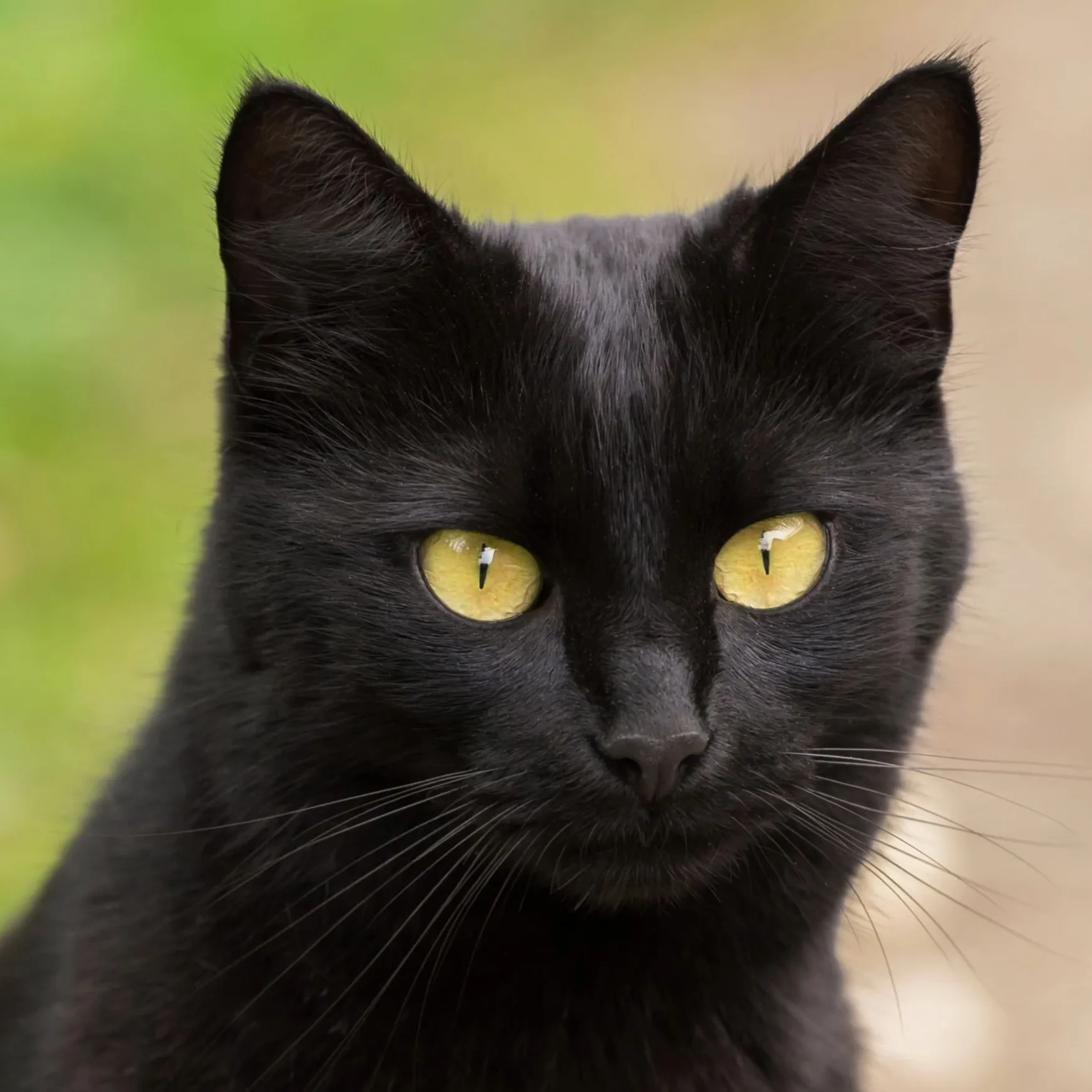
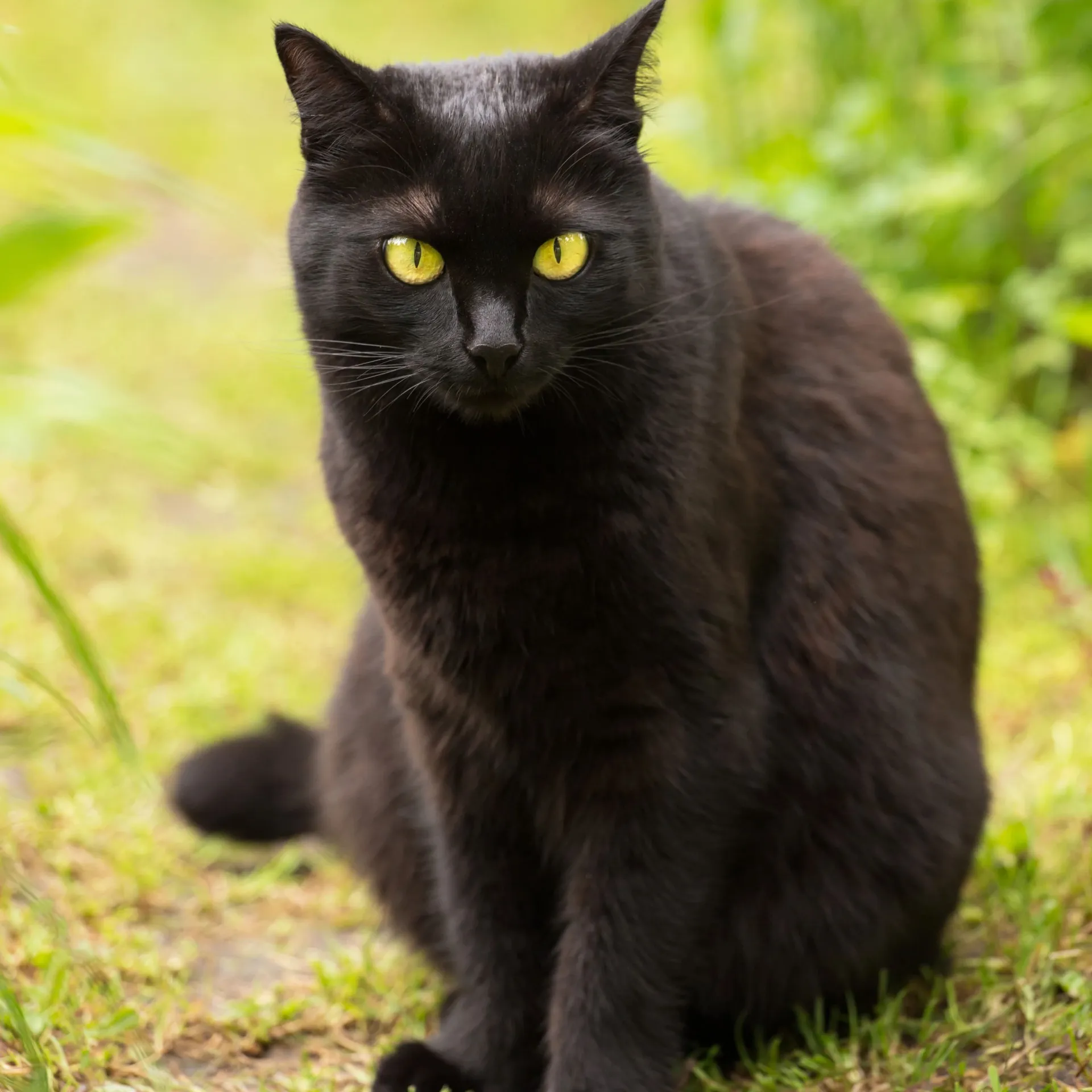
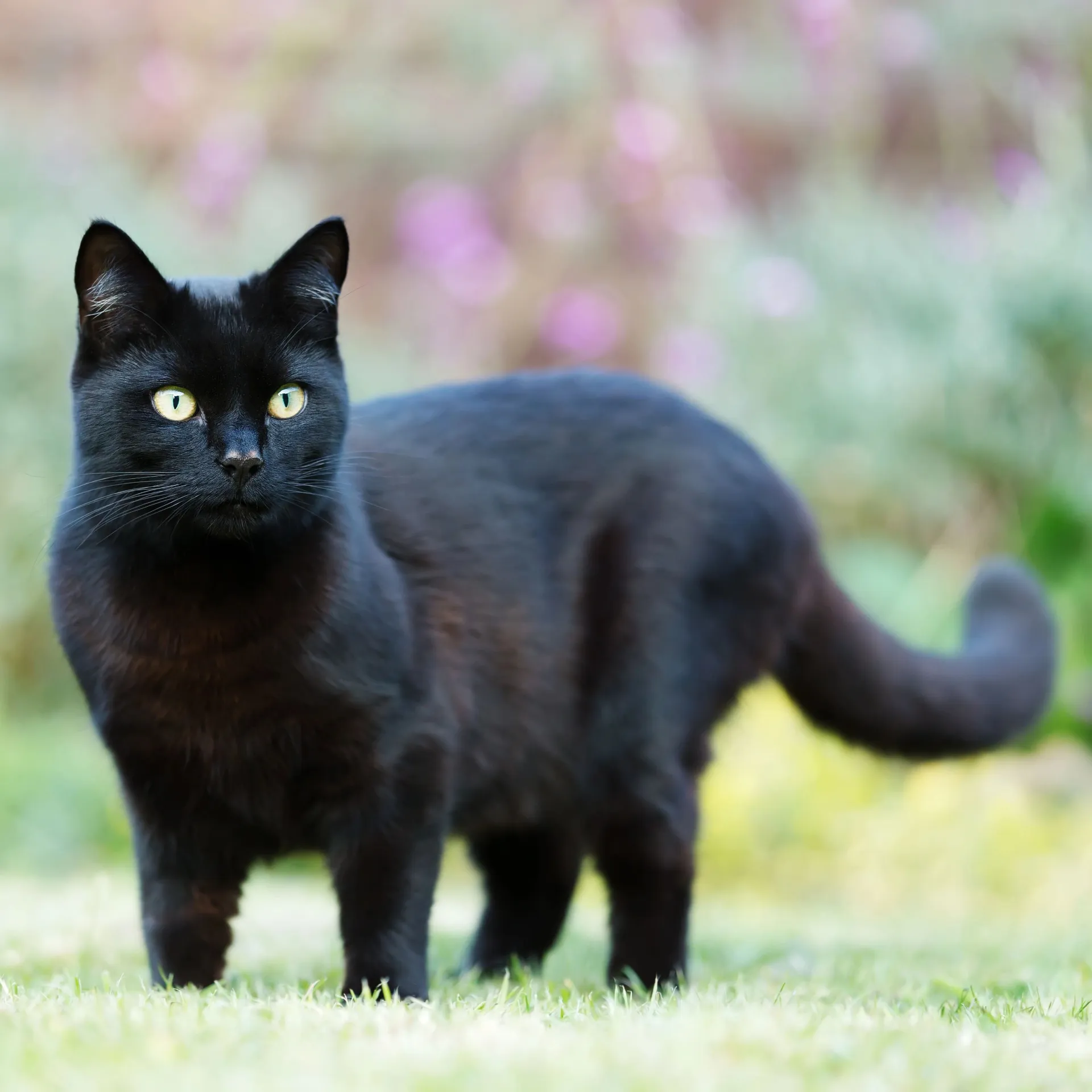
The Bombay cat is well known for its sleek jet black coat and striking copper gold colored eyes that make it look like ' a miniature black panther'. The breed was developed by breeder Nikki Horner in the United States in the 1950s. She wanted to breed a domestic cat which appeared wild but had a sweet, friendly personality.
She was able to get this by mating black American Shorthairs with sable Burmese cats. The breed name is a reference to India’s Bombay, now Mumbai, but is purely American in origin. The Bombay was officially accepted by the Cat Fanciers' Association in 1970 and then by TICA.
These cats are playful, confident, and affectionate and are great for families, singles, and first time pet parents.
How Long Do Bombays Live?
A Bombay cat’s typical lifespan is 12–16 years with proper care.
Bombay Temperament and Personality
- Bombays are smart, social and affectionate cats.
- They are very close to their humans and follow them everywhere.
- Interactive games are fun for them and sometimes they can even be trained to play fetch.
- These cats are curious, moderately active, and have adjusted to households with other pets or children.
Characteristics
Temperament with Kids
Aggressive
Friendly
Playfulness
Silent
Very Playful
Friendliness
Not Friendly
Super Friendly
Shedding amount
Negligible
Frequent
Compatibility with other cats
Not Friendly
Super Friendly
Prey Drive
Low
High
Need for attention
Independent
Very Needy
Monthly Expenses


Bombay’s Lifespan and Price
Cost of buying
₹ 10,000 - ₹ 30,000
In India, the price of a Bombay kitten ranges from ₹ 10,000 to ₹ 30,000, depending on quality, breeder reputation, and availability.
Bombay Exercise Needs
Bombays are playful and intelligent cats who enjoy interactive games.
Daily play sessions – Use wand toys, laser pointers, or catnip mice
Puzzle feeders – Keep them mentally and physically stimulated
Cat trees or perches – Offer climbing and resting opportunities
Toy rotation – Prevents boredom and encourages activity
They are not overly hyper, but they love to move and explore their environment.
Shop or Adopt a Bombay: Make the Right Choice!
Responsible shopping will make sure that ethical breeding is taking place while adopting a Bombay will give a loving home to a cat that needs it. Pick based on your ability to keep up with their gentle temperament, grooming needs, and lifespan.
Best Practices for Shopping or Adopting a Bombay
- Select a good breeder or adoption centre.
- Get health screenings for heart disease and dental problems.
- Observe temperament and socialization levels.
- Vaccination, deworming and medical history should be checked.
- Offer a quiet, reasonably comfortable indoor environment.
- Prevent obesity by maintaining a balanced diet.
- They need to be groomed regularly to manage their dense coat.
- Always ensure you keep routine vet visits as a commitment to lifelong care.
Nutrition Care for the Bombay
Monthly Food Expenses
₹ 1,500 - ₹ 2,000
Calories per day
Kittens: 250 kcal
Adults: 199 kcal
Essential Nutrients
Protein
Carbohydrates
Fats
Vitamins
Minerals
Amino Acids (Taurine, Arginine, etc.)
Essential Fatty Acids
Fiber
List of foods
Dry kibble
Wet canned food
Semi-moist cat food
Chicken (cooked or raw)
Turkey
Lamb
Salmon
- They require high quality protein for the maintenance of muscle.
- Healthy fats support energy levels and a shiny coat.
- Immunity and joint health are strengthened with the help of essential nutrients.
- Taurine is important for heart and vision health.
- Wet food helps in hydration and urinary tract health.
- It is best to avoid low quality foods to prevent obesity and digestion problems.
- A balanced diet of wet food, lean meats and supplements are vital for overall well being.
Feeding Guidelines for Bombays
- Kittens (Up to 6 Months) - Provide protein and fat rich kitten food 3 times a day to aid in growth.
- Adults (1–7 Years) - Feed two portion-controlled meals daily. Look for a protein content of 30–40%.
- Seniors (7+ Years) - Avoid weight gain by adjusting calorie intake. Select senior formulas with joint and kidney support.
Breakdown of Macro-nutrients
Best Foods for Bombays
- Royal Canin Indoor Adult or Bombay Formula – For coat health and digestion. These formulas promote a glossy coat and prevent hair balls in indoor cats.
- Wellness CORE Grain-Free Wet Food – High meat content and hydration. Ideal for keeping your cat well-hydrated and maintaining muscle mass.
- Instinct Raw Boost Mixers – Freeze dried protein to be mixed in regular meals. They improve the taste without artificial additives and with extra nutrients.
Boiled chicken or fish – It can be occasionally offered as a treat. Be sure that it is plain, without bones, and unseasoned so as not to upset their stomach.
Foods to Avoid for Bombays
Avoid anything with these ingredients
Onions and Garlic
Caffeine
Chocolate
Alcohol
Bones
Raw Eggs
Grapes and Raisins
Keep your Bombay healthy and their coat looking glossy by avoiding:
- Dairy products – Most cats are lactose intolerant. Milk or cheese feeding can cause diarrhoea and stomach upset.
- Grain-heavy foods – It may lead to digestive problems and weight gain. They provide almost no nutrition and are likely to cause allergies in some cats.
- Artificial colors or preservatives – They may dull the coat or make it sensitive. Search for ‘natural’ or food without synthetic additives.
- Onions, garlic, chocolate, or caffeine – Toxic to cats. Even a small amount can cause organ failure.
Raw fish – May contain enzymes that destroy essential B vitamins. Thiamine deficiency can occur with long term consumption.


Health
Avg Monthly Expenses
₹ 500 - ₹ 700
Common Health Issues
Upper Respiratory Infections
Dental Problems
Obesity
Diabetes
Kidney Disease
Hyperthyroidism
Heartworm Disease
Fleas and Ticks
Hairballs
Activities
Play with Toys
Chasing Objects
Exploring
Climbing
Scratching
Energy Level
Medium
Exercise routine
30 - 60 minutes
Recognising Stress
Hiding
Increased vocalization
Decreased appetite
Overgrooming
Changes in litter box behavior
Healthcare for the Bombay
Bombays are generally healthy, but, like all purebreds, have a few hereditary health problems.
Common Health Problems of Bombays
- Hypertrophic Cardiomyopathy (HCM) – Inherited from their Burmese side, a genetic heart condition. Regular cardiac screenings performed regularly can reveal early signs and aid in the management of the condition.
- Craniofacial issues – Some minor breathing or dental challenges can occur with a flat face. But soft foods and routine dental care will probably prevent complications.
- Excessive tearing – Eyes can be prone to watering. Daily eye cleaning reduces the risk of staining and infection.
- Obesity – Weight control is important as they love food. Their weight is kept in check with balanced meals and active play sessions.
General Healthcare Tips for Bombays
- Have the vet visit yearly and do cardiac checks to screen for early signs of HCM. It can help to manage symptoms and extend your cat’s life.
- Practice good dental hygiene by regularly brushing. You can use cat safe toothpaste to reduce plaque and prevent gum disease.
- Check eyes and clean tear stains (if needed). A soft, damp cloth will probably do the best of removing any buildup and keeping their face clean.
- Monitor weight gain and do not free feed. Provide measured meals and low calorie treats to maintain a healthy weight.
- Make sure vaccines and parasite control are up to date. This protects your cat from preventable diseases and common pests like fleas and worms.
Senior Bombay Cat Care
Bombays do need slightly different care as they age.
- Senior diet – Select low calorie and high protein food, which has glucosamine added. It helps maintain muscle mass and also supports aging joints.
- Twice-yearly vet visits – Look for arthritis, heart, and kidney health. Age related issues can be caught before they worsen through routine screenings.
- Gentle play sessions – It keeps their body and mind active. Short daily interactions can help to prevent stiffness and make them mentally alert.
- Easier access to litter and food bowls – Especially if mobility decreases. Raising dishes and shallow litter boxes can help lower stress on joints.
- Orthopedic bedding – Helps with joint comfort. It also offers warmth and security and improves overall rest quality.
Vaccination details
Growth Stage
Core Vaccines
6-8 Weeks
FVRCP.
12-16 Weeks
FVRCP, Rabies.
1 Year
FVRCP, Rabies.
Ongoing
Rabies (Every 1-3 years), FVRCP (Every 3 years).
Bombay Grooming Routine
Avg Monthly Expenses
₹ 800 - ₹ 1,500
Shedding Level
Low Shedding
Hygienic Checklist
Litter Box
Nail Trimming
Fur trimming
Ear cleaning
Teeth care
Benefits of Grooming
Cleanliness
Low Shedding
Odourless
Prevents Bad Breath
Prevents infections
Bombays are low-maintenance in terms of grooming but still benefit from regular care.
Brushing – Once a week with a soft brush to maintain shine
Bathing – Rarely needed, maybe once every few months
Nail trimming – Every 2–3 weeks
Ear cleaning – Weekly, using a vet-approved solution
Teeth brushing – At least 2–3 times a week
Similar Breeds to the Bombay Cat


Written by
Happy Pet TeamAuthor
Team Happy Pet is a passionate collective of pet experts, enthusiasts, and advocates dedicated to sharing trusted and insightful content.
Our cont
Compare with similar breeds
Frequently Asked Questions
1. Are Bombay cats hypoallergenic?
Not entirely. While they may not produce as many allergens as long haired breeds, they still produce the Fel d 1 protein that causes allergies.
3. Why is their coat so shiny?
Selective breeding and good nutrition give them their special patent leather shine.
2. Do Bombay cats get along with other pets?
Yes, they generally get along with cats and dogs if you introduce them properly.
4. Do they need special care in cold weather?
No, not particularly, but of course, they like warm spots because of their short coat. They like cozy bedding and sunny spots.