Home
/
Cat Breeds
/
Brazilian Shorthair
Brazilian Shorthair
Origin
Brazil
Size
Medium Breed
Ideal Space
Apartment
Ideal Weather
18º-27ºC
Life Expectancy
12-15 years
Cost of buying
₹ 10,000 - ₹ 20,000
Top 5 Traits
Playful
Curious
Friendly
Affectionate
Active
Avg Monthly Expenses
₹ 2,800 - ₹ 4,200

by Happy Pet TeamUpdated on 3 Sept 2025
Introduction to the Brazilian Shorthair
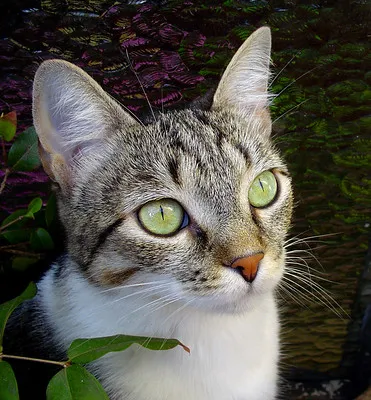
The Brazilian Shorthair is a sleek and agile cat with a super friendly personality. What’s cool about this breed is how it went from being just a regular street cat in Brazil to becoming a recognized and loved house companion. You’ll mostly find its roots in big cities like Rio de Janeiro or São Paulo, where these cats used to roam the streets freely.
Unlike many other breeds that come from royal bloodlines or ancient temples or whatnot, this one’s kind of a modern success story. Breeders started working with local strays back in the 1980s, picking the ones with the best traits—like strong builds, beautiful almond-shaped eyes, and short, soft coats. And the best part? Their fur can be just about any color or pattern you can think of.
The Brazilian Shorthair got official recognition from the World Cat Federation in 1998. Even though they’re not as famous worldwide as the Siamese or Persian, more people are discovering how loving, energetic, and just downright fun these cats can be.
What is the Brazilian Shorthair’s Lifespan?
These cats are pretty sturdy and tend to live a good long while. Most Brazilian Shorthairs live anywhere between 12 and 15 years, which is actually pretty impressive for a cat. Of course, things like diet, exercise, genetics, and vet visits all play a part. If they’re living indoors, get regular checkups, and have stuff to keep their minds active, chances are they’ll stick around for quite a while.
Brazilian Shorthair Temperament and Personality
If you want a cat that’s full of life but also sweet and affectionate, this breed is a great pick. Brazilian Shorthairs are curious, super smart, and love hanging out with their humans. Don’t expect them to sit on your lap all day, but they’ll definitely follow you from room to room just to be part of the action.
They’re big fans of climbing and exploring, so be prepared to find them on top of shelves or watching birds from the highest windowsill. While they’re not clingy, they do enjoy your company and might curl up next to you when they’re in the mood. Things like puzzle toys or even cardboard boxes can keep them entertained for hours.
Characteristics
Temperament with Kids
Aggressive
Friendly
Playfulness
Silent
Very Playful
Friendliness
Not Friendly
Super Friendly
Shedding amount
Negligible
Frequent
Compatibility with other cats
Not Friendly
Super Friendly
Prey Drive
Low
High
Need for attention
Independent
Very Needy
Monthly Expenses


Brazilian Shorthair Price in India
Cost of buying
₹ 10,000 - ₹ 20,000
The Brazilian Shorthair is still a pretty rare breed outside of Brazil, so finding one in India might take some searching. But if you do come across a registered breeder, the price for a Brazilian Shorthair kitten usually ranges between ₹10,000 to ₹20,000.
Brazilian Shorthair Exercise Needs
Brazilian Shorthairs are known for being playful, curious, and full of energy, especially when they’re young. They need regular daily activity to stay both physically fit and mentally happy. Without enough stimulation, they can easily get bored—or even a little destructive.
- Interactive toys: Think wand toys, feather teasers, laser pointers, and puzzle feeders. These keep them moving and also challenge their smart little brains. Cats Protection UK recommends rotating toys regularly to keep things fresh.
- Cat trees and climbing posts: These cats love to climb and perch. Vertical space helps them feel secure and gives them a proper workout. A tall scratching post or a multi-level cat tower is ideal for a cat like this.
- Short daily play sessions: Even 10–15 minutes, a couple of times a day, helps burn off energy and reduce unwanted behavior. According to VCA Hospitals, regular play also helps with weight control and bonding.
- Window perches: Brazilian Shorthairs are big fans of bird-watching and people-watching, and a sunny window seat gives them hours of free entertainment. It also provides mental stimulation, especially for indoor-only cats.
If they don’t get enough to do, Brazilian Shorthairs might start acting out—scratching furniture, waking you up in the middle of the night, or just being a bit clingy. Daily play, variety in their environment, and a little attention go a long way toward keeping them happy and calm.
Similar Breeds to the Brazilian Shorthairs
Shop or Adopt Brazilian Shorthairs: Make the Right Choice!
Whether you’re thinking of buying from a breeder or adopting from a shelter, bringing home a Brazilian Shorthair is a big step—and a rewarding one too. If you’re shopping, make sure it’s from a breeder who follows ethical practices and prioritizes the cat’s health. And if you’re adopting, you’re giving a smart, affectionate cat a second chance at a great life.
Whatever route you choose, what matters most is whether you can match the breed’s playful personality, grooming needs, and long-term care.
Best Practices to Follow When Getting Brazilian Shorthairs:
- Get your cat from a good breeder or trusted shelter.
- Ask if the cat has had a health check by a vet.
- Spend some time with the cat to see how it behaves.
- Make sure it’s had its shots and deworming.
- Set up a quiet and comfy space at home.
- Don’t overfeed and watch their weight.
- Brush the cat once a week to keep the coat nice.
- Take them to the vet regularly to stay healthy.
Nutrition Care for Brazilian Shorthairs
Monthly Food Expenses
₹ 1,500 - ₹ 2,000
Calories per day
Kittens: 150 kcal
Adults: 250 kcal
Essential Nutrients
Protein
Fats
Carbohydrates
Vitamins
Minerals
Amino Acids (Taurine, Arginine, etc.)
Essential Fatty Acids
Fiber
List of foods
Dry kibble
Wet canned food
Chicken (cooked or raw)
Turkey
Salmon
Eggs (cooked)
Cottage cheese
Pumpkin
Brazilian Shorthairs are naturally athletic and playful, which means they need good fuel to keep them going strong. A solid, balanced diet really helps with their overall health, from energy levels to coat shine to long-term joint care.
Here’s what to keep in mind when feeding them:
- High-quality protein is a must: Their bodies thrive on meat-based proteins like chicken, turkey, or fish. It keeps their muscles lean and supports their natural energy. According to PetMD, cats are obligate carnivores, so animal protein isn’t just helpful—it’s essential.
- Healthy fats support energy and coat health: Omega-3 and omega-6 fatty acids, often found in fish oils, help maintain their soft, shiny coat and keep their skin in good shape.
- Taurine is critical: This amino acid helps with heart function and eyesight, and it’s something cats can’t produce on their own. Look for cat food that clearly lists taurine, most premium brands include it, especially in wet food options.
- Essential vitamins and joint support: Vitamins A and E are good for the immune system, and things like glucosamine can help keep joints healthy, especially if your cat’s getting older or very active.
- Wet food is more than just a treat: It helps a lot with hydration, which is important for urinary health. Some cats aren’t big water drinkers, so wet food fills that gap. The Spruce Pets recommends a mix of wet and dry food for balance.
- Avoid filler-heavy, low-quality foods: These often contain too many carbs and not enough meat, leading to digestive issues or weight gain. Stay away from foods that list corn or wheat as one of the first ingredients.
Some cat parents like to add a bit of cooked or raw lean meat every now and then, just to give variety. That’s totally fine—just run it by your vet to be safe.
Feeding Guidelines for Brazilian Shorthairs
Kittens (Up to 12 Months): Brazilian Shorthair kittens grow fast and burn a lot of energy, so they’ll need 4 to 5 small meals a day. Make sure you’re using kitten-specific food that’s rich in protein and healthy fats. These formulas usually have extra calories and nutrients to support all that growing and playing.
According to PetMD, kitten food should be the only thing they eat until at least 12 months.
Adults (1–7 Years): Once they hit adulthood, most Brazilian Shorthairs do well with two meals a day—usually morning and evening. They’re active and love to move, but they can still put on weight if meals aren’t portioned properly.
You’ll want a food that supports energy but doesn’t go overboard with calories. Portion control is key here. VCA Hospitals recommends using a measuring cup to avoid accidental overfeeding, even for playful cats.
Seniors (7+ Years): As they age, Brazilian Shorthairs might slow down a little, so their food should be easier to digest and have fewer calories, but still enough protein to maintain muscle.
Look for senior formulas that include glucosamine or omega-3s to help with joint health. They’re not a must, but they really help, especially if your cat likes to climb or jump a lot. The Spruce Pets has a list of senior cat foods that support aging gracefully.
Breakdown of Macro-nutrients
How to Select Good Quality Food for Brazilian Shorthairs?
Best Foods for Brazilian Shorthairs
Feeding your Brazilian Shorthair the right stuff can go a long way in keeping them healthy, active, and looking sharp. They’ve got lean, athletic builds and sleek coats, so quality nutrition really does make a difference.
- High-quality cat foods keep their bodies strong and their coats smooth and shiny. Look for real meat (like chicken or salmon) as the first ingredient, not by-products or fillers. Cats.com offers a solid breakdown of top-rated cat foods, if you want a deeper look.
- Hill’s Science Diet Adult Cat Food: A good all-around choice, especially for adult Brazilian Shorthairs. It’s got a balanced mix of protein and fiber, plus antioxidants for immune health. Recommended by VCA Hospitals, especially for active indoor cats.
- Royal Canin Indoor Adult or Digest Sensitive formulas: While there isn’t a Brazilian Shorthair-specific recipe, Royal Canin makes food for active indoor cats with tailored nutrition to help with digestion, weight control, and coat health. Great for cats that spend time climbing and exploring indoors.
- Grain-free options (like Wellness CORE or Blue Buffalo Basics): If your cat’s got a sensitive stomach or you’ve noticed itching or skin issues, grain-free food might help. These formulas reduce chances of allergies or upset tummies, though it’s worth talking to your vet before making the switch. PetMD has a good article on this.
- Omega-3 & Omega-6 enriched foods: These fatty acids help keep your cat’s coat soft and reduce inflammation. Foods with fish oil or flaxseed (like Nutro Wholesome Essentials or Tiki Cat) are great for skin health and also support heart and joint function. The Spruce Pets has a roundup of top options for coat care.
- Mixing wet and dry food: This is usually the way to go. Dry food helps with dental health, while wet food boosts hydration and is often more tempting for picky eaters. Plus, the extra moisture helps prevent urinary tract issues, especially helpful if your cat doesn’t drink much water on its own.
If you’re ever in doubt, your vet can help pick a food that suits your cat’s specific lifestyle and health needs.
Never feed these foods to Your Brazilian Shorthair
Avoid anything with these ingredients
Onions and Garlic
Chocolate
Caffeine
Bones
Alcohol
Raw Eggs
Dairy (in some cases)
Grapes and Raisins
Brazilian Shorthairs are pretty tough little cats, but like any breed, there are a few things that just don’t sit well with them. Here’s a quick list of what not to feed them if you want to keep them healthy and out of trouble.
- Raw fish: It might seem like a classic “cat treat,” but raw fish can actually mess with their health. It may cause thiamine deficiency, which affects the nervous system, and can also carry parasites that are risky for cats.
- Onions and garlic: Even a small amount can damage a cat’s red blood cells, possibly leading to anemia or tummy troubles. Whether it’s raw, cooked, or powdered, it’s all toxic to cats. The ASPCA’s list of toxic foods backs this up clearly.
- Dairy products: A lot of people think cats love milk (thanks, cartoons), but truth is, most cats are lactose intolerant. Milk, cheese, and other dairy often cause bloating, gas, or diarrhea in adult cats.
- Low-quality fillers: Things like corn, wheat, and soy show up in cheaper cat foods and don’t really offer any benefits. In fact, they might trigger allergies or digestion issues in some cats, especially breeds like the Brazilian Shorthair who do best on cleaner, high-protein diets. Cats.com warns against relying on foods with these as main ingredients.
- Artificial additives: Preservatives, food dyes, and flavor enhancers might not be deadly, but they can lead to digestive irritation and even dull their coat over time. Natural, preservative-free foods are a safer choice for long-term health and better skin.
If your Brazilian Shorthair accidentally eats something questionable, don’t wait, call your vet immediately just to be safe.


Healthcare for Brazilian Shorthairs
Avg Monthly Expenses
₹ 500 - ₹ 700
Common Health Issues
Upper Respiratory Infections
Dental Problems
Obesity
Kidney Disease
Hyperthyroidism
Fleas and Ticks
Urinary Tract Infections (UTI)
Hypertrophic Cardiomyopathy (HCM)
Activities
Play with Toys
Chasing Objects
Exploring
Climbing
Scratching
Energy Level
High
Exercise routine
30 - 60 minutes
Recognising Stress
Hiding
Increased vocalization
Decreased appetite
Overgrooming
Changes in litter box behavior
Common Medical Problems of Brazilian Shorthairs
Brazilian Shorthairs are usually robust and healthy, especially since they come from naturally selected street cats. But like all breeds, they can still run into a few health issues here and there. Most of these aren’t super common, but it’s good to be aware just in case.
- Dental disease (periodontal issues): Dental problems are one of the most common issues in adult cats, and Brazilian Shorthairs aren’t immune. Plaque buildup can lead to gum infections or tooth loss if left unchecked. Brushing their teeth now and then (even a few times a week) and giving dental treats can help a lot. VCA Hospitals recommends early dental care as part of a healthy routine.
- Obesity: These cats love to run and climb, but if they don’t get enough exercise—or if you’re free-pouring dry food—they can put on extra weight. Obesity can lead to joint issues, diabetes, or heart problems over time. Portion control and playtime to help keep things in check is the way to go.
- Lower urinary tract issues (FLUTD): Some Brazilian Shorthairs may be prone to urinary tract problems, especially if they don’t drink enough water. Symptoms can include frequent urination or straining in the litter box. Feeding wet food and keeping fresh water available helps a lot. Cornell University Feline Health Center covers this in more detail.
Hypertrophic Cardiomyopathy (HCM): Though not common, this heart condition has been seen in various shorthaired breeds. It causes thickening of the heart muscles and can go unnoticed without screening. Vets might recommend occasional heart ultrasounds, especially as your cat gets older. The Spruce Pets has a guide on what signs to look out for.
General Healthcare Tips for Brazilian Shorthairs
Brazilian Shorthairs are usually pretty hardy cats, but a little regular care can go a long way in keeping them happy and healthy for years. Here are a few things worth keeping on your radar:
- Annual vet check-ups: Routine visits are more than just shots—they help catch early signs of kidney, heart, or eye problems before they turn serious. Blood work, physical exams, and screenings can help your vet spot anything off early. At least one vet visit per year, even for a healthy cat is strongly recommended.
- Regular dental hygiene: Dental disease is super common in cats, and Brazilian Shorthairs are no exception. Try to work in dental treats, cat-safe toothpaste, or even special kibble that helps scrub plaque. It might seem like overkill, but dental care helps avoid infections and other bigger issues down the road.
- Stay active: These cats are naturally playful and curious, so make sure they’ve got space to move and things to do. Daily playtime like chasing toys, climbing cat trees, or using food puzzles keeps their weight in check and their mind sharp. It also cuts down on boredom-related behavior. Cats Protection UK mentions how regular play helps with both physical and emotional health.
- Vaccinations and deworming: Even if your Brazilian Shorthair stays indoors, core vaccinations and routine deworming are still important. Parasites and viruses can sneak in from other pets, open windows, or even your shoes. It is recommended to follow a schedule based on age and risk level.
Senior Brazilian Shorthair Cat Care
As Brazilian Shorthairs get older, they may slow down a bit. They still enjoy attention, gentle play, and staying close to their people. A little extra care in their golden years goes a long way in keeping them comfortable and happy.
- Add joint supplements: Aging cats can start showing signs of arthritis or stiffness, especially if they were always active climbers. Supplements like glucosamine and chondroitin may help reduce discomfort and improve mobility over time. Many vets recommend these for senior cats.
- Provide soft, supportive bedding: A cozy sleeping spot makes a big difference. Orthopedic cat beds or even thick, soft blankets help reduce pressure on joints and make naps more restful.
- Schedule vet visits twice a year: For senior Brazilian Shorthairs, going to the vet every six months is smart. It helps monitor kidney function, vision, and heart health, all of which can shift quietly as they age. Catching changes early gives you more options to manage things well.
- Make food and litter areas more accessible: As mobility changes, some small adjustments help a lot. Low-sided litter boxes are easier for stiff joints to step into, and raised food bowls can prevent neck and shoulder strain.
Even in their later years, Brazilian Shorthairs stay curious and affectionate. A little extra patience, comfort, and vet support can help them age gracefully and stick around as loving companions for years to come.
Vaccination details
Growth Stage
Core Vaccines
6-8 Weeks
FVRCP (Feline Viral Rhinotracheitis, Calicivirus, Panleukopenia).
10 - 12 Weeks
FVRCP (2nd dose).
14-16 Weeks
FVRCP (3rd dose).
12-16 Weeks
FeLV (Feline Leukemia Virus).
Annually
FVRCP (Booster).
Annually
FeLV (Booster, if at risk).
Brazilian Shorthair Grooming Routine
Avg Monthly Expenses
₹ 800 - ₹ 1,500
Shedding Level
Low Shedding
Hygienic Checklist
Feeding
Litter Box
Grooming (for some breeds)
Play and Exercise
Health Observation
Bathing
Ear cleaning
Teeth care
Eye care
Nail Trimming
Benefits of Grooming
Cleanliness
Low Shedding
Odourless
Prevents Bad Breath
Prevents infections
Quality of life
Even though Brazilian Shorthairs have short, smooth coats that don’t mat easily, regular grooming still helps keep them looking and feeling their best. It’s also a great way to bond with them and check for any skin or health issues along the way.
- Brushing – Once a week: Their coat is short and lies close to the body, but a quick weekly brush helps get rid of loose hairs and spreads natural oils for a nice shine. A soft-bristle brush or rubber grooming mitt works great.
- Bathing – Only when really needed: Most Brazilian Shorthairs don’t need frequent baths, unless they get into something messy. If you do need to bathe them, go for a cat-specific, gentle shampoo.
- Nail trimming Every 2–3 weeks: Their nails can grow pretty fast, and if they don’t wear them down naturally (especially indoor cats), trimming every couple of weeks keeps things safe for both of you. Use proper cat nail clippers, and avoid the quick (the pink part inside the nail).
- Ear cleaning – Weekly check with a soft cloth: Just give their ears a quick look once a week. If they seem dirty, a damp cloth or vet-approved ear cleaner will do the trick. Don’t use cotton swabs deep inside the ear, that can cause damage.
- Teeth brushing – 2–3 times a week: Dental care makes a big difference over time. Use cat-safe toothpaste (never human toothpaste) and a soft brush. A few times a week helps prevent plaque and keeps their breath from knocking you over.
Brazilian Shorthairs are generally low-maintenance, but keeping up with these small grooming habits helps them stay clean, healthy, and comfy. And hey, it’s also a good excuse for some extra one-on-one time.


Written by
Happy Pet TeamAuthor
Team Happy Pet is a passionate collective of pet experts, enthusiasts, and advocates dedicated to sharing trusted and insightful content.
Our cont
Compare with similar breeds

Frequently Asked Questions
1. What is the lifespan of a Brazilian Shorthair cat?
Brazilian Shorthairs typically live 14 to 20 years with proper care and vet checkups.
2. How much does a Brazilian Shorthair kitten cost in India?
The price ranges from ₹20,000 to ₹60,000 depending on breeder, pedigree, and location.
3. Are Brazilian Shorthair cats good for families?
Yes, they’re affectionate, active, and great with kids and other pets.
4. Do Brazilian Shorthair cats need a lot of grooming?
Not much. Just weekly brushing, nail trims, and basic hygiene is enough.
What should I feed a Brazilian Shorthair cat?
high-protein diet with wet and dry food mix keeps them healthy and active.