Home
/
Cat Breeds
/
British Shorthair Cat
British Shorthair Cat
Origin
United Kingdom
Size
Medium Breed
Ideal Space
Apartment
Ideal Weather
15º-27ºC
Life Expectancy
12-20 years
Cost of buying
₹ 30,000 - ₹ 1,00,000
Top 5 Traits
Independent
Laid-back
Affectionate
Playful
Gentle
Avg Monthly Expenses
₹ 2,800 - ₹ 4,200

by Happy Pet TeamUpdated on 9 Jun 2025
Introduction to the British Shorthair
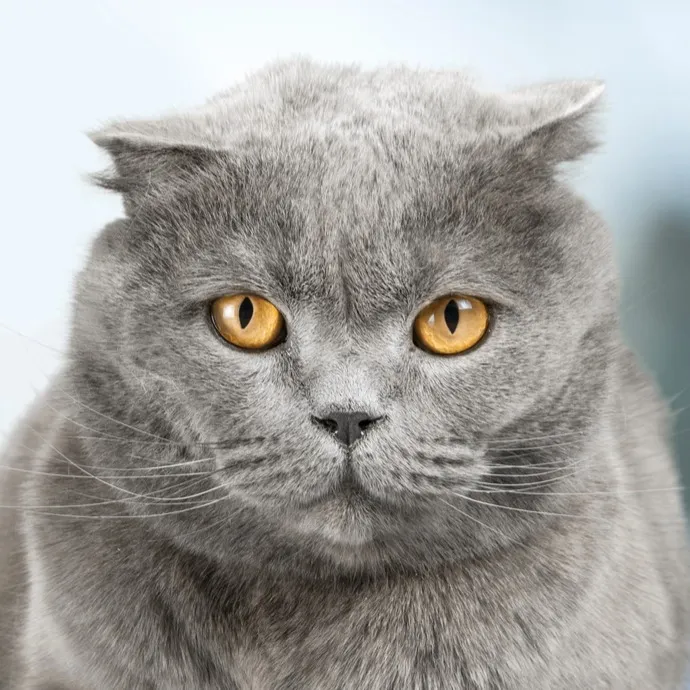
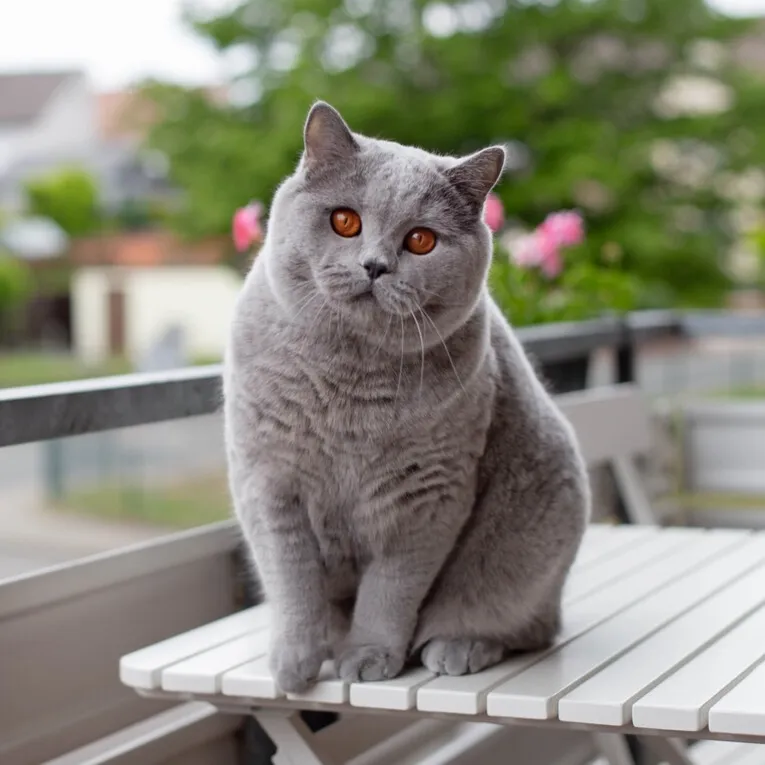
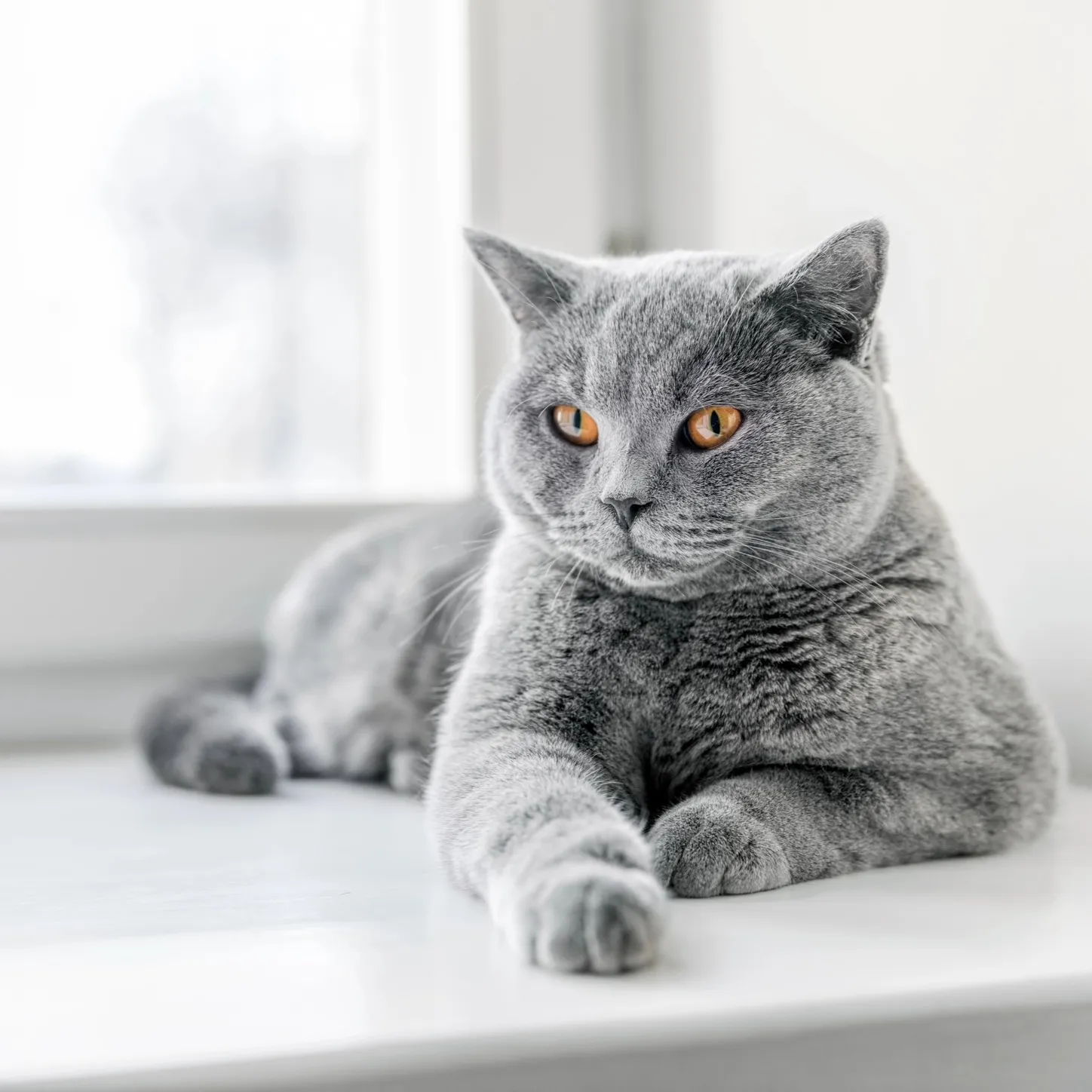
British Shorthair is a stocky and strong cat breed with a plush coat, round face, and calm temperament. The breed is one of the oldest of the cat breeds and continues to be the most popular pedigree cat in the UK.
The breed’s long history begins in ancient Egypt. British Shorthairs followed human travelers to Rome and ended up in Great Britain. They were prized for their exceptional hunting skills on the Continent, used to control the rodent populations, and in the British Isles particularly.
Through the centuries, these cats got on muscular, with thick coat, so that they would adapt to colder climate. The British Shorthair we see in the 21st century is a result of breeders refining them in the 19th century.
How Long Do British Shorthairs Live?
British Shorthairs can live 12 to 15 years, as long as they are cared for properly.
British Shorthair Temperament and Personality
- Calm & Affectionate – Enjoy companionship but are not needy.
- Independent & Gentle – Maintain a dignified, relaxed nature.
- Great with Kids & Pets – Adapt well to families.
- Ideal for Indoor Living – Comfortable in homes or apartments.
- "Teddy Bear" Look – Round face and plush coat.
British Shorthair Exercise Needs
British Shorthairs are naturally low energy cats, but they do require daily activity to stay healthy.
- Having interactive play sessions with toys such as feather wands or laser pointers helps to keep them active.
- Climbing structures, scratching posts, and food puzzles to encourage movement to prevent obesity.
Characteristics
Temperament with Kids
Aggressive
Friendly
Playfulness
Silent
Very Playful
Friendliness
Not Friendly
Super Friendly
Shedding amount
Negligible
Frequent
Compatibility with other cats
Not Friendly
Super Friendly
Prey Drive
Low
High
Need for attention
Independent
Very Needy
Monthly Expenses


How Much Does a British Shorthair Cost?
Cost of buying
₹ 30,000 - ₹ 1,00,000
The British Shorthairs cost depends upon breed lineage, breeder’s reputation, and location. In India, the price falls somewhere between ₹ 30,000 - ₹ 1,00,000.
Similar Breeds to the British Shorthair
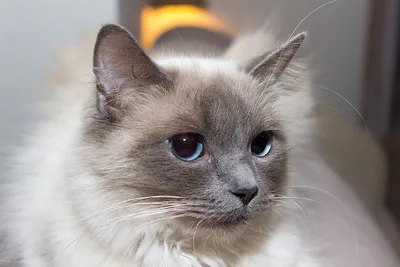
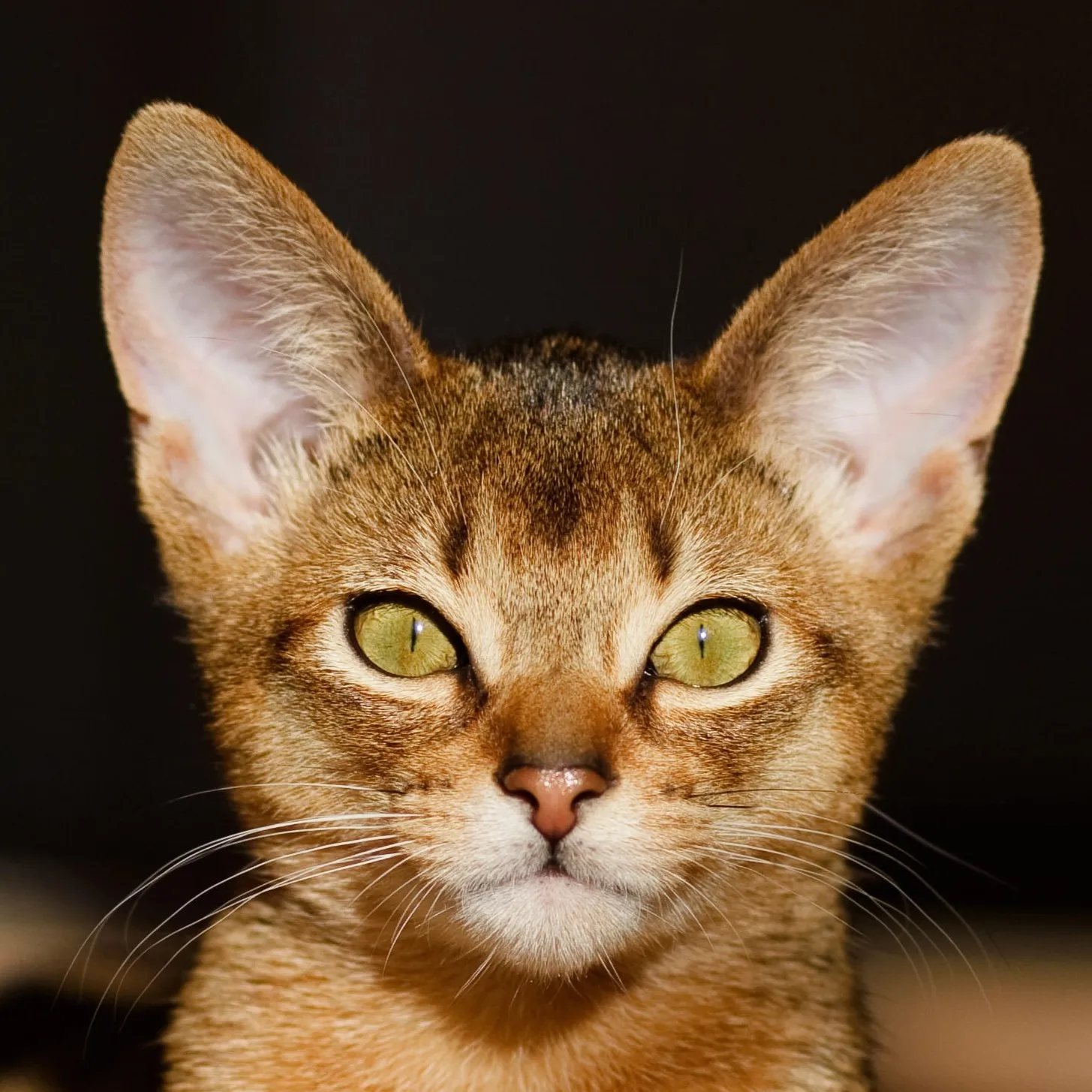
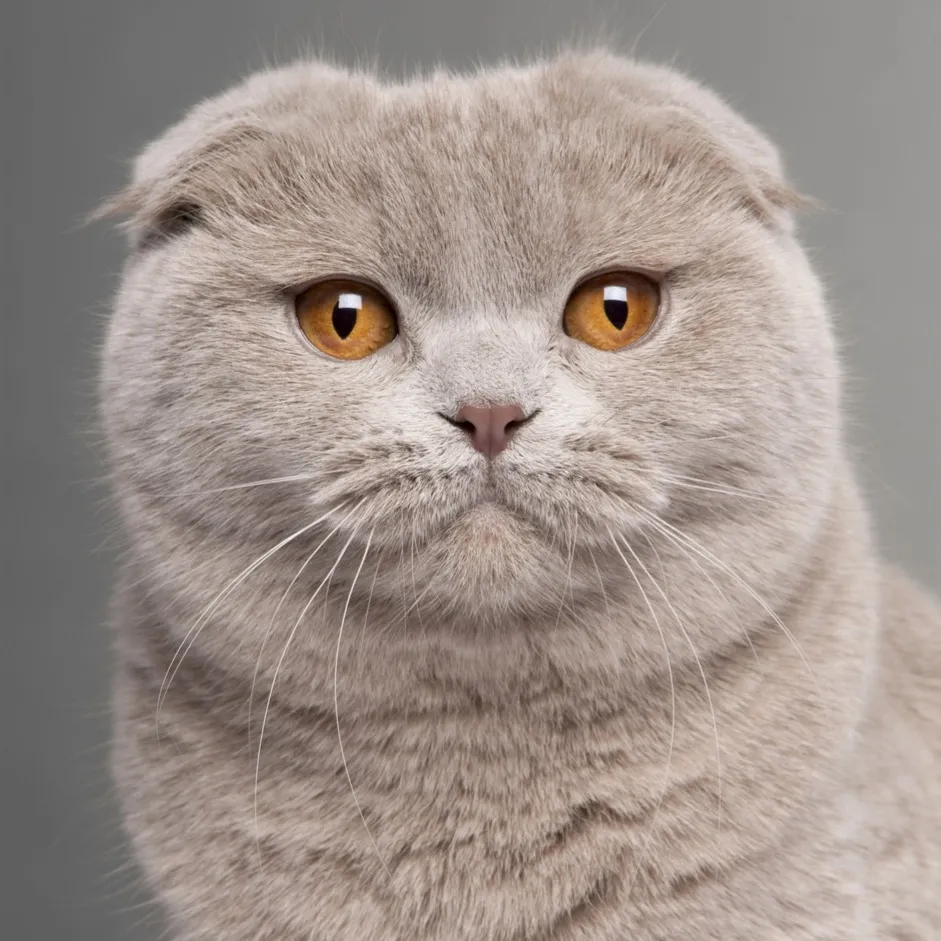
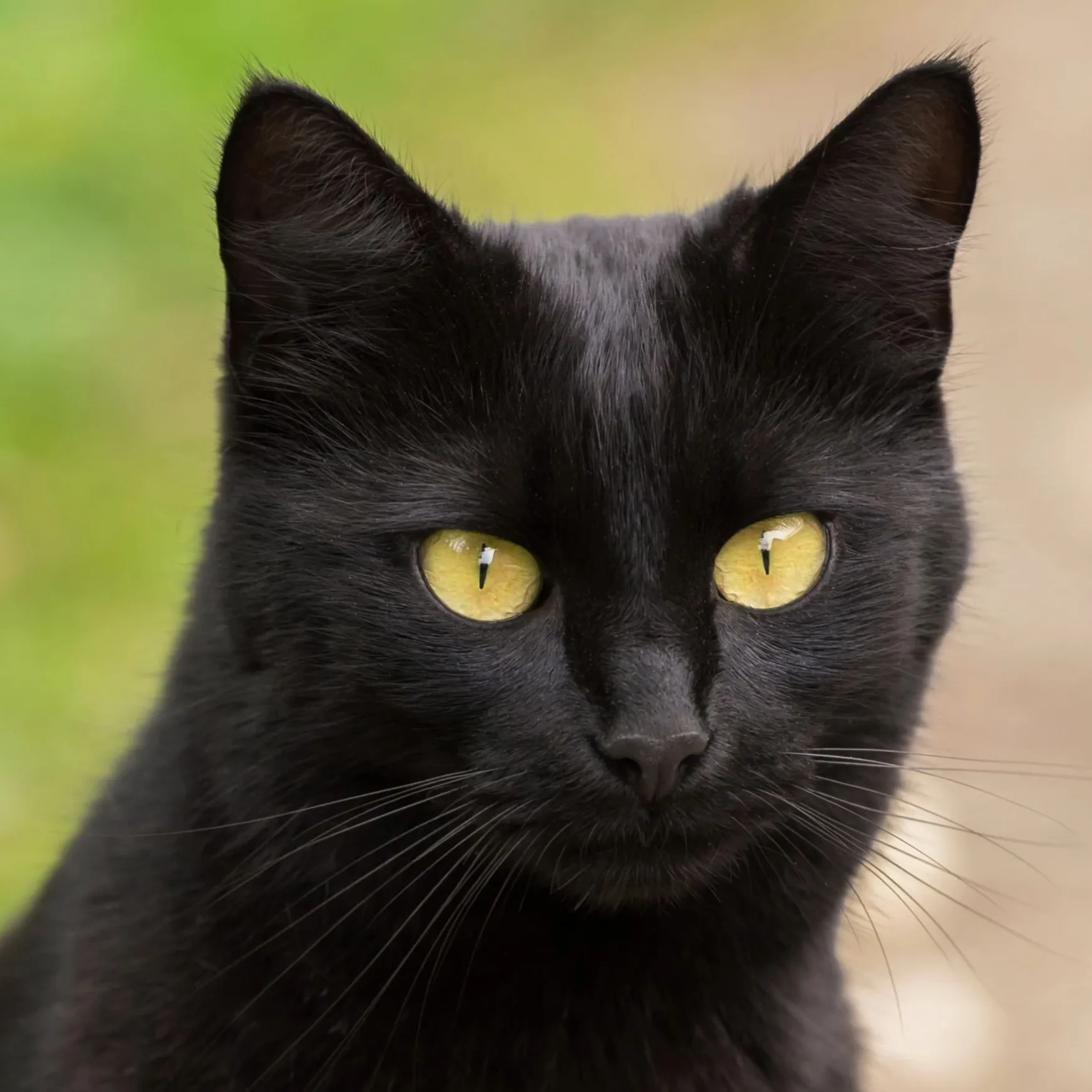
Scottish Fold | Chartreux | Russian Blue
Shop or Adopt a British Shorthair: Choice is Yours!
Responsible shopping will make sure that ethical breeding is taking place while adopting a British Shorthair will give a loving home to a cat that needs it. Pick based on your ability to keep up with their gentle temperament, grooming needs, and lifespan.
Best Practices for Shopping or Adopting a British Shorthair
- Select a good breeder or adoption centre.
- Get health screenings for heart disease and dental problems.
- Observe temperament and socialization levels.
- Vaccination, deworming and medical history should be checked.
- Offer a quiet, reasonably comfortable indoor environment.
- Prevent obesity by maintaining a balanced diet.
- They need to be groomed regularly to manage their dense coat.
- Always ensure you keep routine vet visits as a commitment to lifelong care.
Nutrition Care for the British Shorthair
Monthly Food Expenses
₹ 1,500 - ₹ 2,000
Calories per day
Kittens: 300 kcal
Adults: 250 kcal
Essential Nutrients
Protein
Fats
Carbohydrates
Vitamins
Minerals
List of foods
Dry kibble
Wet canned food
Cat-specific multivitamins
Eggs (cooked)
Rice (cooked)
Plain yogurt (no added sugar)
Salmon
Lamb
Omega-3 fatty acids
- They require high quality protein for the maintenance of muscle.
- Healthy fats support energy levels and a shiny coat.
- Immunity and joint health are strengthened with the help of essential nutrients.
- Taurine is important for heart and vision health.
- Wet food helps in hydration and urinary tract health.
- It is best to avoid low quality foods to prevent obesity and digestion problems.
- A balanced diet of wet food, lean meats and supplements are vital for overall well being.
Feeding Guidelines for British Shorthairs
- Kitten Stage: Feed 5 small meals a day and reduce to 3 by 6 months. Provide high quality kitten food full of protein and essential nutrients for growth.
- Adult Stage: Provide 2 balanced meals daily. Keep protein within normal ranges, adjusting portions by weight to avoid obesity and support muscle health.
- Senior Stage: You should feed 2 protein rich meals per day with reduced calories. Add joint supportive nutrients like taurine and omega-3s, and monitor weight.
Breakdown of Macro-nutrients
Best Foods for British Shorthairs
- Good quality wet food containing real animal protein as the main ingredient maintains proper muscle and supports overall health. Any options that list meat, poultry or fish as the first ingredient and not corn, wheat or soy are your best bets.
- Royal Canin British Shorthair Adult cat food is specifically formulated to meet the nutritional needs of its breed. This specific cat food offers the right level of protein, fat, and all-important nutrients to fit this breed's stocky body and solid coat.
- It is important to provide taurine, EPA, and DHA rich diets to prevent heart disease, vision, and cognitive problems. By providing these essential nutrients, British Shorthair cats can have a strong cardiovascular system and also support their joints, helping to avoid age-related problems.
Foods to Avoid for British Shorthairs
Avoid anything with these ingredients
Caffeine
Bones
Artificial Sweeteners
Raw Eggs
Dog Food
Moldy or Spoiled Food
Artificial Additives
High Salt Foods
High-Fat Foods
- British Shorthairs that are prone to obesity should avoid dry foods that are high in carbohydrates, such as those containing corn, rice, or wheat.
- Peas, beans and sweet potatoes are foods that have little nutritional value for cats and may cause digestive discomfort or allergic reactions.
- Garlic, onions, chocolate, and processed cat foods with high sodium cause health and life threatening problems in cats.
- If you give your British Shorthair a low protein diet that does not support muscle maintenance, it can become weak and unwell, as British Shorthairs are a strong, muscular breed.


Healthcare for the British Shorthair
Avg Monthly Expenses
₹ 500 - ₹ 700
Common Health Issues
Diabetes
Kidney Disease
Obesity
Heartworm Disease
Dental Problems
Fleas and Ticks
Hairballs
Hyperthyroidism
Activities
Play with Toys
Napping
Grooming
Exploring
Social Interaction
Energy Level
Medium
Exercise routine
30 - 60 minutes
Recognising Stress
Hiding
Increased vocalization
Decreased appetite
Overgrooming
Changes in litter box behavior
Changes in body weight (either gain or loss)
Common Health Problems of British Shorthairs
British Shorthairs are usually healthy but can have some of the following health issues:
- Dental Issues – Adversely prone to gingivitis and tooth resorption, which could result in serious health issues. Regular dental care helps to prevent complications.
- Skin Problems – It can suffer from parasites, allergies, or overgrooming caused by stress. Grooming once a week is helpful in detecting early symptoms.
- Obesity – They are vulnerable to weight gain and joint problems due to their low energy levels. Controlled portions and play sessions are a necessity.
- Heart Problems – Taurine and omega-3 supplements may be required for heart health. Vet check ups can be used to monitor the heart function.
- Urinary Issues – Requires a healthy, balanced diet to maintain a healthy urinary system. Water is important for preventing urinary infections.
General Healthcare Tips for British Shorthairs
- Regular vet check ups will enable catching health issues early. Early detection means that the disease will be discovered and treated early, which means better health management.
- Brushing teeth regularly prevents dental diseases and gum infections. Maintaining oral hygiene can be accomplished by dental chews or veterinarian approved oral rinses.
- Manage portion sizes to help prevent obesity and its associated health problems. To manage weight, avoid free feeding, and it is best to feed them measured meals.
- They should be offered moderate exercise through interactive play to keep them active. Climbing structures and puzzle toys can encourage movement.
- Joint pain in older cats needs to be watched for, and care should be adjusted accordingly. Glucosamine supplements for the aging cat can support joint health.
Senior British Shorthair Care
- Exercise: Maintain body movements by gentle play sessions without stressing aging joints.
- Joint Support: Glucosamine and omega-3 fatty acids supplements reduce inflammation and help with joint health.
- Rest: Supply soft and cushioned bedding for comfort and joint relief.
- Regular Vet Visits: Checking up frequently helps detect age related problems on time.
- Diet Adjustments: Older cats need high protein, moisture rich, calorie controlled food.
Vaccination details
Growth Stage
Core Vaccines
6-8 weeks
Panleukopenia, calicivirus, and rhinotracheitis (FVRCP)
10-12 weeks
FVRCP and rabies
14-16 weeks
FVRCP and rabies
Annually
FVRCP and rabies
British Shorthair Grooming Routine
Avg Monthly Expenses
₹ 800 - ₹ 1,500
Shedding Level
Moderate Shedding
Hygienic Checklist
Feeding
Litter Box
Hydration
Play and Exercise
Health Observation
Benefits of Grooming
Cleanliness
Low Shedding
Odourless
Prevents Bad Breath
Prevents infections
British Shorthairs have dense, plush coats that require regular care.
- Brushing: Increase brushing to three times a week during the shedding season and once a week throughout the rest of the year.
- Bathing: Bathe only as required to keep natural skin oils and coat healthy.
- Nail Trimming: Nails should be trimmed at least once a month to avoid overgrowth and discomfort.
- Ear Cleaning: Clean ears with a vet-approved solution to prevent infections.


Written by
Happy Pet TeamAuthor
Team Happy Pet is a passionate collective of pet experts, enthusiasts, and advocates dedicated to sharing trusted and insightful content.
Our cont
Compare with similar breeds
Frequently Asked Questions
Are British Shorthairs good for first-time cat owners?
Yes, their laid back temperament and minimal effort required to care for them make them a good choice for a first time cat owner.
Do British Shorthairs require special diet considerations?
Yes, they would need protein rich balanced diets with controlled portions to prevent obesity, a common problem in the breed.
How social are British Shorthairs with other pets?
Based on their calm, non-confrontational nature, they typically get along with other pets well.
Do British Shorthairs have special grooming needs?
They are not high maintenance, but their dense coat requires a weekly brushing to minimize their shedding and hairballs.