Home
/
Cat Breeds
/
Burmese Cat
Burmese Cat
Origin
Myanmar
Size
Medium Breed
Ideal Space
Apartment
Ideal Weather
20º-25ºC
Life Expectancy
12-16 years
Cost of buying
₹ 80,000 - ₹ 2,50,000
Top 5 Traits
Playful
Friendly
Curious
Energetic
Affectionate
Avg Monthly Expenses
₹ 2,800 - ₹ 4,200

by Happy Pet TeamUpdated on 3 Sept 2025
Know All About the Burmese Cat
The Burmese cat is a medium-sized, muscular breed originating from Southeast Asia, specifically Myanmar (formerly Burma). Recognized as a natural breed, it has a long history of evolving in tropical climates with minimal human intervention. Its glossy, short coat and large, expressive eyes make it a striking companion, as described on The Spruce Pets.
The breed was introduced to the United States in the 1930s through a cat named Wong Mau, which became the foundation for modern Burmese cats. Over the decades, breeders worked to retain their muscular build, playful nature, and affectionate personality, leading to formal recognition by the Cat Fanciers’ Association (CFA).
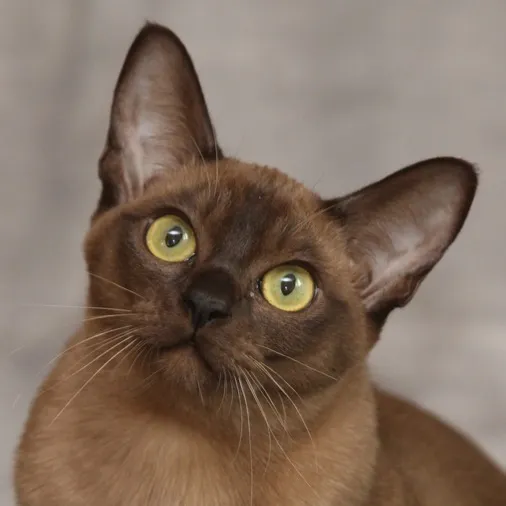
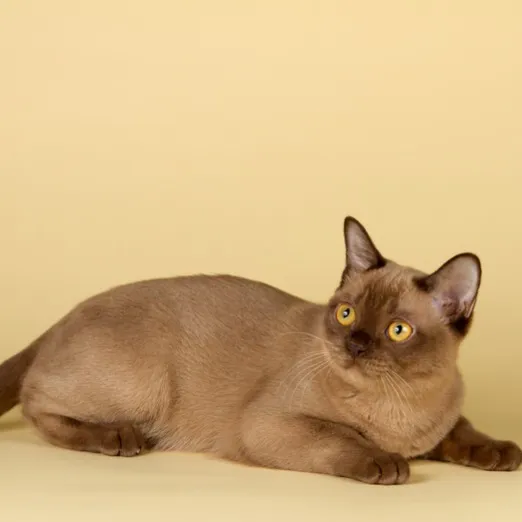
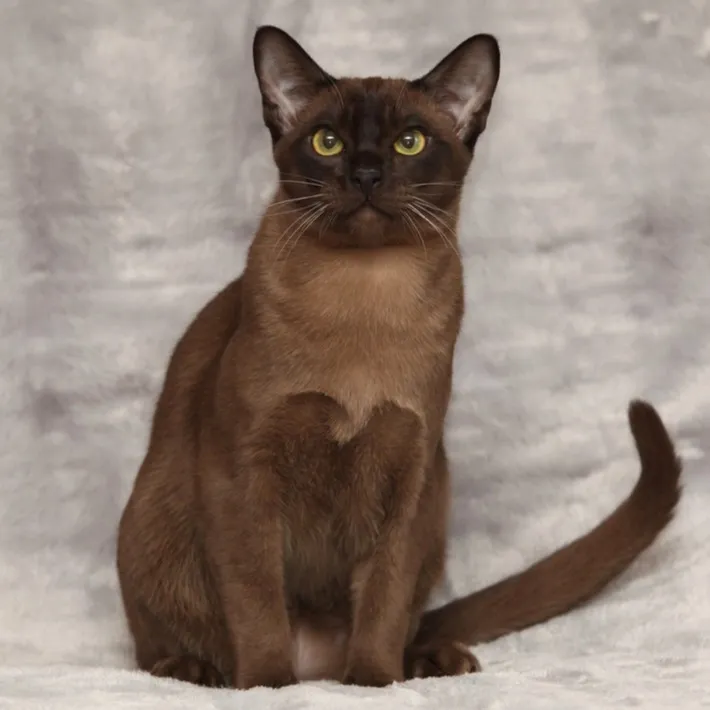
Burmese cats have a short, satin-like coat that comes in several colors, including sable, champagne, blue, and lilac. Their large, round eyes, usually gold or yellow, complement their rich coat colors. These physical traits make them agile climbers and playful hunters, reflecting both intelligence and curiosity, according to PetMD.
Temperament and Personality
Burmese cats are affectionate, social, and intelligent. They bond closely with their families, often following owners from room to room, earning a reputation as “dog-like” cats. While they love attention and interactive play, they may be reserved around strangers. Their energetic and curious nature makes them ideal for stimulating environments, interactive toys, and puzzle games.
Lifespan of Burmese Cats
With proper care, Burmese cats typically live 12–16 years, though many reach up to 18 years with optimal nutrition, regular vet care, and an active lifestyle.
Characteristics
Temperament with Kids
Aggressive
Friendly
Playfulness
Silent
Very Playful
Friendliness
Not Friendly
Super Friendly
Shedding amount
Negligible
Frequent
Compatibility with other cats
Not Friendly
Super Friendly
Prey Drive
Low
High
Need for attention
Independent
Very Needy
Monthly Expenses


Lifespan & Price of the Burmese Cat in India
Cost of buying
₹ 80,000 - ₹ 2,50,000
Lifespan: Burmese cats typically live between 12–16 years, with proper care, diet, and routine veterinary visits extending their lifespan.
Price: In India, Burmese cats are considered a premium breed due to their rarity, pedigree, and smooth temperament. Prices generally range from ₹80,000 to ₹2,50,000 depending on breeder reputation, lineage, and location.
Exercise and Enrichment
Burmese cats are playful, intelligent, and sociable. They need both physical and mental stimulation to stay healthy and happy.
- Daily Interactive Play: Use toys like feather wands, laser pointers, or small balls to engage them in active play. This supports their energy needs and strengthens bonding with owners.
- Climbing Structures and Scratching Posts: Provide tall cat trees, shelves, and sturdy scratching surfaces to satisfy their climbing instincts and maintain claw health.
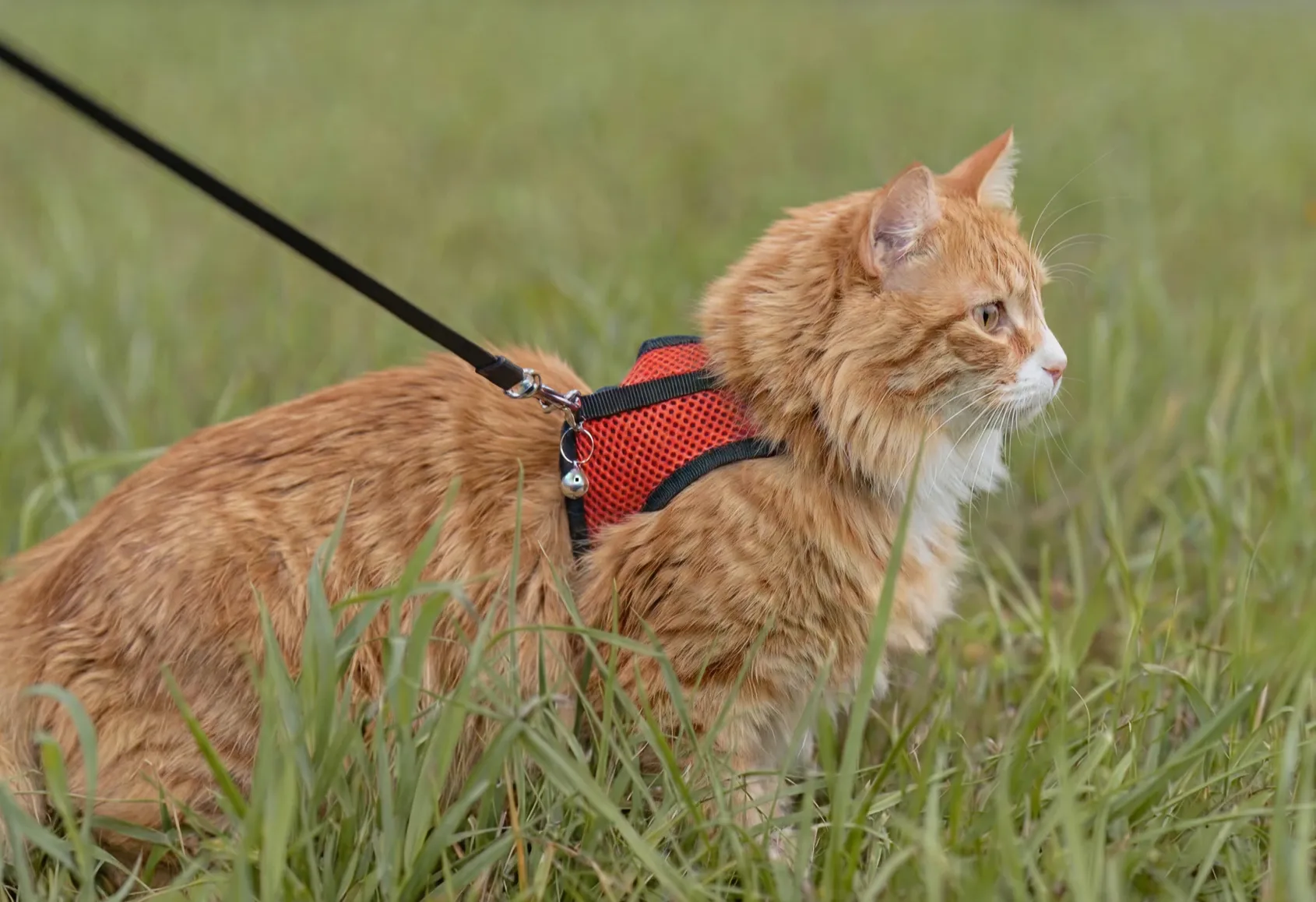
- Training Opportunities: Burmese cats are intelligent and can learn tricks, leash training, or respond to puzzle toys with guidance and positive reinforcement.
- Environmental Enrichment: Rotate toys regularly, provide window perches for observing birds or the outdoors, and use food-dispensing toys to prevent boredom and encourage mental stimulation.
Similar Breeds to the Burmese
Buying or Adopting a Burmese Cat: A Simple Guide
Bringing a Burmese cat home is exciting, but it’s also a responsibility. Here’s what you should know:
- Choose a reliable breeder: Make sure they provide health certificates and test results for genetic issues like hip problems or dental concerns. Burmese cats are generally healthy, but good breeding reduces future risks.
- Adoption first: If you’re adopting, spend some time with the cat. Burmese cats are affectionate, playful, and love human company. Make sure their energy and personality fit your home.
- Early socialization is key: Handle kittens often and expose them to different sounds, people, and environments. Well-socialized Burmese cats are confident, friendly, and curious.
- Set up a stimulating home: Provide scratching posts, climbing shelves, cozy beds, and interactive toys. Burmese cats love exploring, climbing, and mental challenges, so a little planning keeps them happy.
- Daily care counts: Feed high-quality protein meals, keep up with vet visits, and spend time playing every day. This ensures your Burmese cat stays healthy, active, and affectionate for years.
Nutrition Care for the Burmese Cat
Monthly Food Expenses
₹ 1,500 - ₹ 2,000
Calories per day
Kittens: 400 kcal
Adults: 300 kcal
Essential Nutrients
Protein
Fats
Carbohydrates
Vitamins
Minerals
Amino Acids (Taurine, Arginine, etc.)
Essential Fatty Acids
Fiber
List of foods
Cottage cheese
Eggs (cooked)
Tuna
Salmon
Lamb
Chicken (cooked or raw)
Turkey
Wet canned food
Dry kibble
The Burmese cat is a muscular, energetic breed that requires a balanced diet to support its activity levels, muscle tone, and overall health. While there are no breed-specific nutritional requirements, a nutrient-rich diet is essential for their well-being.
High-Quality Animal Protein
High-quality animal protein is crucial for muscle maintenance, metabolism, and overall health. Sources like chicken, turkey, salmon, or rabbit provide essential amino acids, including taurine, which supports heart function, vision, and reproduction. The Cat Fanciers’ Association (CFA) emphasizes taurine’s importance in feline diets.
Healthy Fats and Omega Fatty Acids
Fats, especially omega-3 and omega-6 fatty acids, help maintain skin elasticity, coat shine, and joint mobility while providing concentrated energy for this active breed. The American Animal Hospital Association (AAHA) highlights these fatty acids as key for maintaining a healthy coat and skin.
Vitamins and Minerals
A balanced intake of vitamins and minerals supports immunity, bone health, and overall maintenance. General feline nutrition guidelines stress vitamins A, D, E, B-complex, and minerals like calcium, magnesium, and phosphorus. PetMD provides detailed information on essential nutrients for cats.
Low-Carbohydrate Diets
Low-carbohydrate diets are recommended since cats are obligate carnivores. Excess carbs can cause weight gain, digestive issues, and reduced muscle tone. The American Association of Feline Practitioners (AAFP) advises feeding cats diets high in animal protein and low in carbohydrates.
Feeding Guidelines
- Kittens (8–16 Weeks): Feed a high-protein kitten formula (35–40% protein) in 3–4 small meals daily to support growth, agility, and playfulness. The American Veterinary Medical Association (AVMA) recommends multiple daily meals for kittens.
- Adults: Provide a diet with at least 30% protein, split into two meals. Supplement with high-quality wet food or lean cooked meats for variety and hydration. The National Research Council (NRC) recommends at least 30% protein for adult cats.
- Seniors: Adjust calories based on activity. Choose easily digestible proteins and include joint-supportive nutrients like glucosamine and chondroitin. The AAHA notes senior cats benefit from age-appropriate diets.
Hydration
Fresh, clean water should always be available. Burmese cats benefit from hydration to support kidney and urinary tract health. International Cat Care emphasizes hydration as essential for urinary health.
Feeding at least one wet food meal daily improves water intake, particularly in warm climates or for active cats. The Pet Nutrition Alliance notes that wet food helps maintain urinary tract health.
Breakdown of Macro-nutrients
Selecting Good Quality Food For Burmese Cats
Choose premium cat food with real meat—chicken, turkey, salmon, or lamb—as the first ingredient. Avoid fillers like corn, wheat, or soy, which offer little nutritional value for obligate carnivores. Animal Elysium recommends focusing on high-quality animal proteins.
Avoid artificial colors, flavors, and chemical preservatives like BHA/BHT, which may cause allergic reactions or long-term health issues. Petchef advises avoiding artificial additives.
For a shiny, healthy coat, select foods enriched with omega fatty acids, biotin, and vitamin E. These nutrients help maintain the Burmese cat’s short, glossy coat and protect against dryness or brittleness, according to the Meow Cat HQ.
Burmese cats benefit from high-protein wet food, which mimics natural prey and supports hydration, reducing urinary tract risks. Dearborn Animal Clinic emphasizes the urinary health benefits of wet food.
Dry food can be used for convenience and dental support but choose grain-free or high-meat kibbles with 30%+ protein, and rotate brands to avoid nutrient gaps. Some Burmese owners add freeze-dried or rehydrated raw toppers for protein variety and taste, following strict food safety standards.
Never feed these foods to Burmese Cat
Avoid anything with these ingredients
Onions and Garlic
Raw Eggs
Bones
Caffeine
Chocolate
High Salt Foods
High-Fat Foods
Moldy or Spoiled Food
Artificial Sweeteners
While Burmese cats are generally healthy, certain foods can be toxic or harmful and should be strictly avoided. Onions, garlic, chives, and leeks contain compounds that damage red blood cells, causing anemia. Chocolate, coffee, and tea have methylxanthines that can trigger vomiting, tremors, seizures, or even death.
Alcohol and raw yeast dough can severely lower blood sugar, blood pressure, and body temperature, while yeast can expand in the stomach. Grapes and raisins are linked to kidney failure, though the exact toxic compound is unknown. Bones and raw fish are risky too; cooked bones can splinter and cause internal injuries, and raw fish may contain thiaminase, which depletes vitamin B1 and leads to neurological issues.
Finally, many adult cats are lactose intolerant, so dairy products can cause digestive upset. Avoiding these foods helps ensure your Burmese cat stays safe and healthy.


Health Care Guide of Burmese Cats
Avg Monthly Expenses
₹ 500 - ₹ 700
Common Health Issues
Dental Problems
Obesity
Lymphoma
Feline Infectious Peritonitis (FIP)
Hyperthyroidism
Upper Respiratory Infections
Kidney Disease
Diabetes
Activities
Napping
Grooming
Play with Toys
Exploring
Social Interaction
Energy Level
Medium
Exercise routine
30 - 60 minutes
Recognising Stress
Hiding
Increased vocalization
Decreased appetite
Overgrooming
Changes in litter box behavior
Restlessness
Common Health Concerns for the Burmese Cat
Although robust, Burmese cats can be prone to certain health issues. Hypokalemia, a genetic disorder affecting potassium levels, can lead to muscle weakness and stiffness. Rare craniofacial defects, including jaw misalignment or malformed skulls, may require veterinary monitoring or corrective treatment.
Indoor Burmese cats are particularly susceptible to obesity and diabetes, which can result from overfeeding or lack of exercise. Maintaining a balanced, high-protein diet along with daily interactive play helps prevent these issues. Gingivitis and periodontal disease can progress silently, making routine dental care vital for preventing pain, tooth loss, and systemic health problems.
Some cats may experience urinary tract issues, including infections and bladder stones, particularly if hydration is inadequate. Providing wet food and constant access to fresh water is crucial to reduce these risks.
General Health Care Guide of Burmese Cats
Burmese cats are generally healthy, but thoughtful veterinary care is crucial for their long-term well-being. Regular check-ups help detect subtle issues early, ensuring timely intervention. Adult Burmese cats benefit from annual comprehensive exams, which include weight monitoring, dental evaluation, and blood work, while seniors may require biannual visits to track age-related changes like kidney function, joint health, and thyroid levels, as highlighted by PetMD.
Vaccinations remain essential throughout life. Core vaccines protect against panleukopenia, calicivirus, rhinotracheitis, and rabies, while your vet may advise feline leukemia (FeLV) vaccination based on lifestyle and exposure risk. Burmese cats, like all domestic cats, are susceptible to infectious diseases, and staying current with vaccines is a cornerstone of preventive care.
Parasite control is equally important. Year-round prevention for fleas, ticks, and intestinal parasites helps avoid discomfort, anemia, and other complications. Burmese cats, especially those allowed outdoors, are exposed to these threats, making consistent parasite prevention essential.
Dental examinations and cleanings are critical for Burmese cats, as short-coated breeds can still develop tartar, gingivitis, and periodontal disease. Daily tooth brushing with cat-safe toothpaste and professional cleanings every 6–12 months support long-term oral health.
General Healthcare Tips
Maintaining a Burmese cat’s health involves a multi-pronged approach. Regular vet visits and consistent dental care are foundational, while grooming their short, glossy coat with weekly brushing helps remove dead hair, stimulate circulation, and keep skin healthy.
Burmese cats are active, curious, and intelligent, requiring enrichment such as climbing shelves, scratching posts, and interactive toys to stay physically and mentally fit. Providing windows for bird-watching or puzzle feeders stimulates their instincts.
Preventive healthcare also includes staying current with vaccinations, parasite treatments, and wellness bloodwork, while choosing breeders who screen for genetic conditions like hypokalemia or craniofacial defects reduces inherited risks.
Senior Burmese Care
As Burmese cats age, their needs evolve. Twice-yearly vet visits help monitor organ function, joint health, and weight management, allowing early intervention if issues arise.
Dietary adjustments for senior cats should emphasize high-quality, easily digestible protein while reducing calories to prevent obesity. Supplements like omega-3 fatty acids or joint-supporting nutrients can help maintain mobility.
Older Burmese benefit from mobility support, including low-access litter boxes, soft bedding, and ramps or steps to access favorite resting areas.
Hydration is particularly important for seniors, as older cats are prone to kidney and urinary issues. Fresh water and water fountains encourage drinking, reducing the risk of urinary tract problems.
Finally, temperature comfort is essential for short-coated Burmese cats. Providing warm, cozy spots helps prevent stress, chills, and skin problems as they age.
Vaccination details
Growth Stage
Core Vaccines
6-8 weeks
Feline Calicivirus (FCV)
10-12 weeks
Feline Herpesvirus (FHV)
14-16 weeks
Feline Panleukopenia (FPV)
20-22 weeks
Rabies (if required)
Best Grooming Routine for the Burmese Cat
Avg Monthly Expenses
₹ 800 - ₹ 1,500
Shedding Level
Low Shedding
Hygienic Checklist
Bathing
Ear cleaning
Teeth care
Eye care
Nail Trimming
Play and Exercise
Health Observation
Benefits of Grooming
Cleanliness
Low Shedding
Odourless
Prevents Bad Breath
Prevents infections
Burmese cats have short, silky coats that are low-maintenance, but regular grooming keeps them healthy and shiny.
Brushing: Weekly brushing is usually sufficient to remove loose hair, stimulate skin circulation, and reduce shedding. Burmese cats shed lightly year-round, with a slight increase during seasonal coat changes, especially in spring and autumn.
Bathing: Their short, sleek fur rarely requires frequent baths. Occasional bathing may be needed if the cat gets particularly dirty or goes outdoors, but over-bathing can strip natural oils from their skin.
Nail Trims, Ear Checks, and Teeth Brushing: Regular nail trimming prevents overgrowth, and weekly ear checks help avoid wax buildup or infections. Daily or frequent tooth brushing is recommended to reduce the risk of periodontal disease, as advised by VCA Hospitals.


Written by
Happy Pet TeamAuthor
Team Happy Pet is a passionate collective of pet experts, enthusiasts, and advocates dedicated to sharing trusted and insightful content.
Our cont
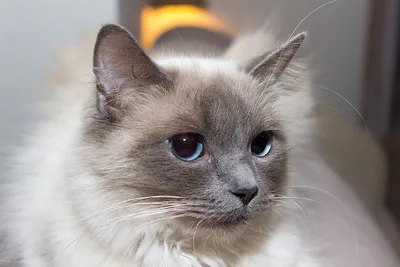
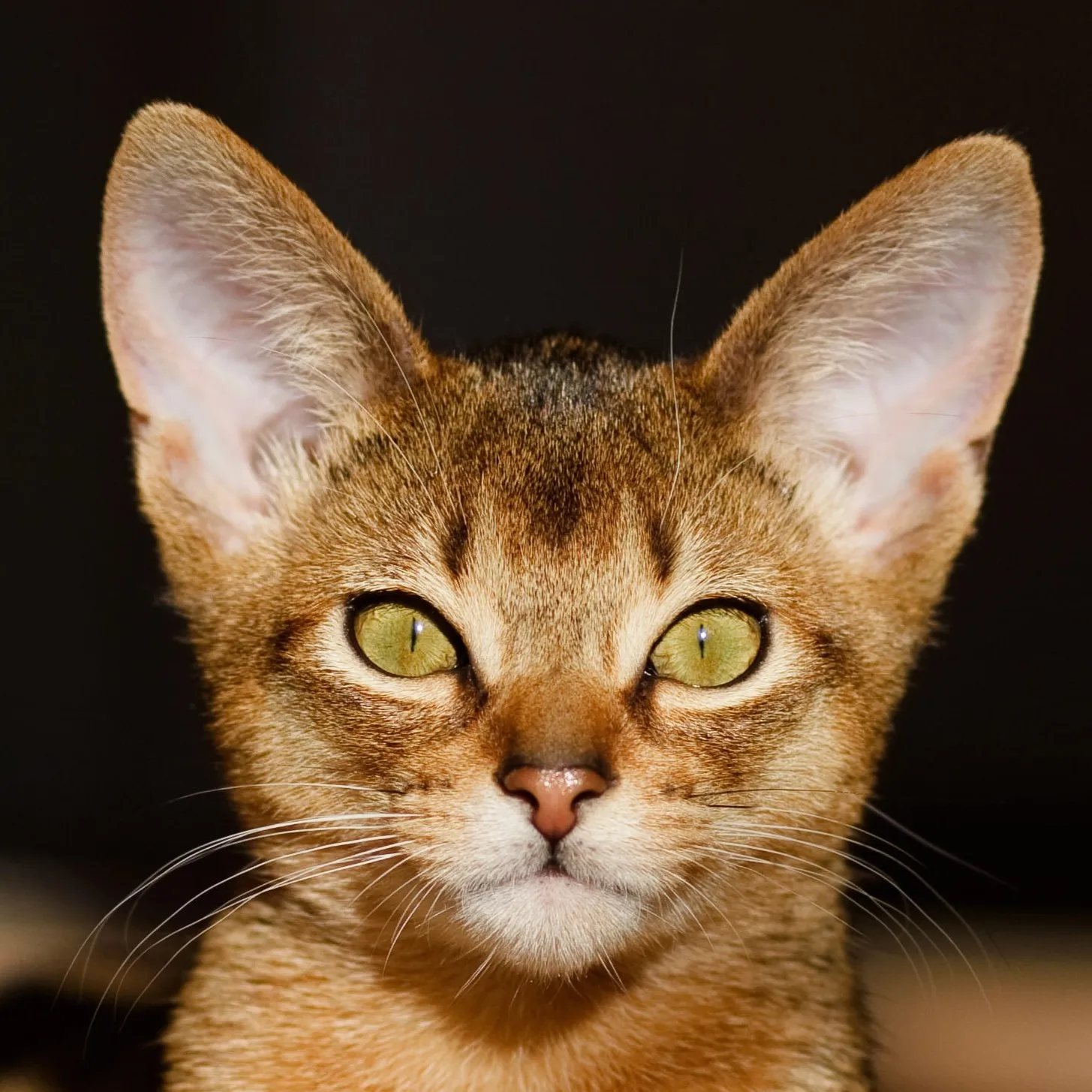
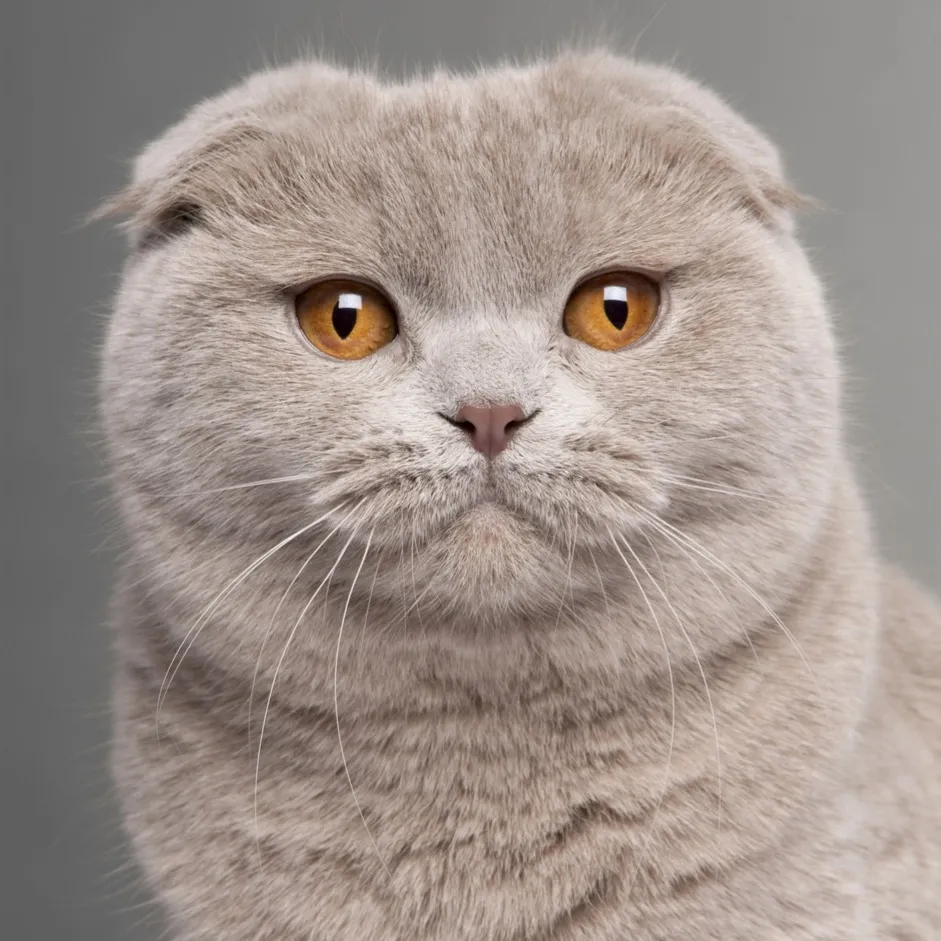
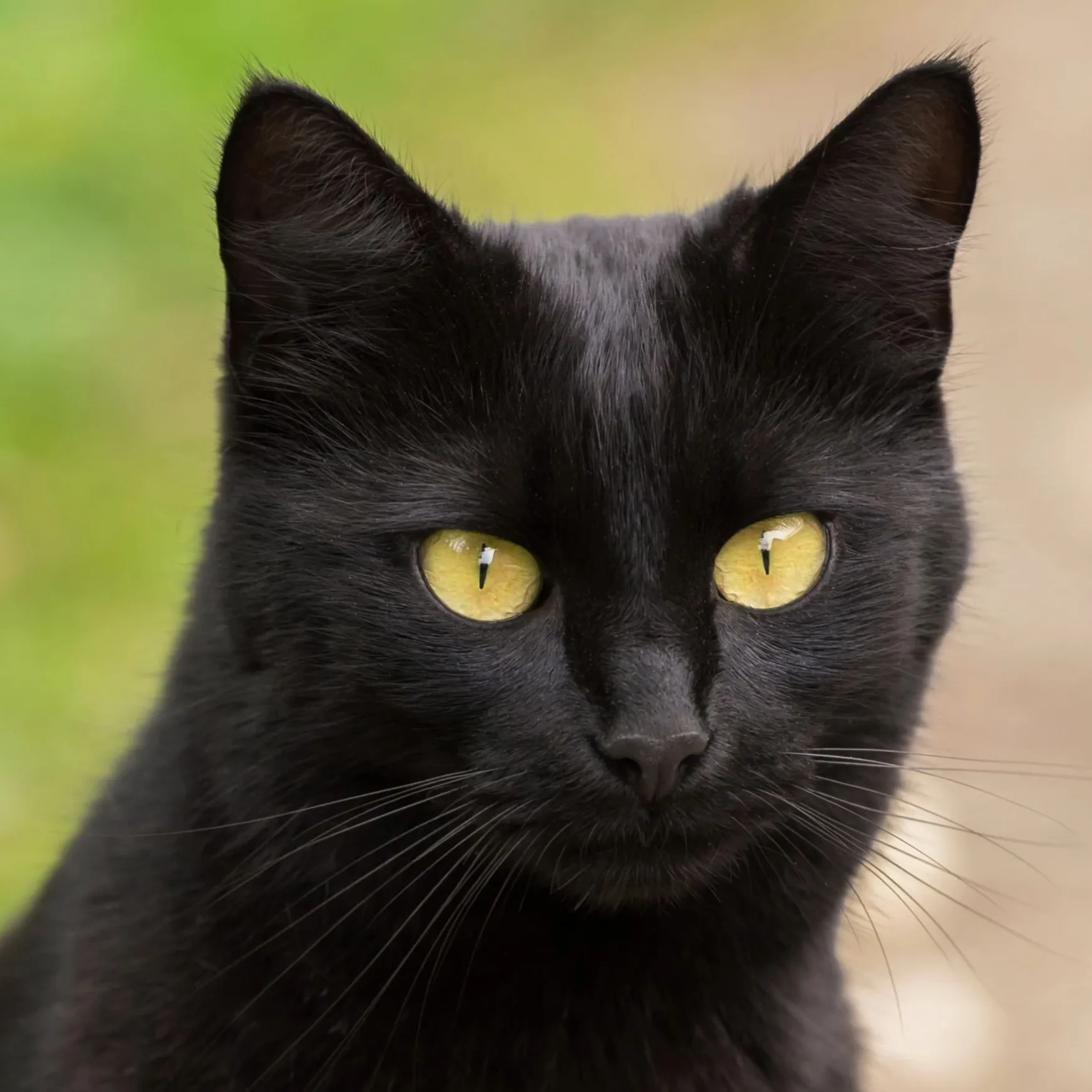
Compare with similar breeds
Frequently Asked Questions
What typical characteristics do Burmese cats exhibit?
A Burmese cat in healthy condition will have a shiny coat, bright eyes, be lively and lovable, have a good appetite, and routinely utilize the litter box. It is crucial to have regular veterinary checkups to make sure they are healthy.
Are there any distinct behavioral characteristics of Burmese cats that I should be aware of?
Burmese cats are renowned for their need for interaction and attention from their owners. They could follow you around the house and take pleasure in taking part in family events.
Are Burmese cats happier as indoor pets, or do they prefer the outdoors?
Due to their friendliness and potential risks outside, Burmese cats are typically best served as indoor pets. In a supervised setting, like a safe catio, you can offer outside activities.