Home
/
Cat Breeds
/
Colorpoint Shorthair
Colorpoint Shorthair
Origin
United States
Size
Medium Breed
Ideal Space
Apartment
Ideal Weather
18º-24ºC
Life Expectancy
12-16 years
Cost of buying
₹ 30,000 - ₹ 60,000
Top 5 Traits
Curious
Affectionate
Vocal
Playful
Energetic
Avg Monthly Expenses
₹ 2,800 - ₹ 4,200

by Happy Pet TeamUpdated on 14 Aug 2025
Introduction to the Colorpoint Shorthair
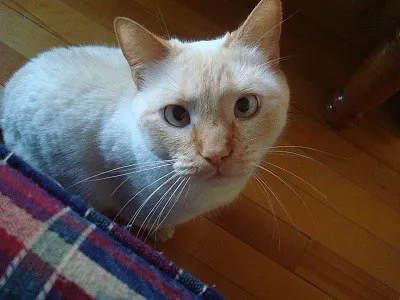
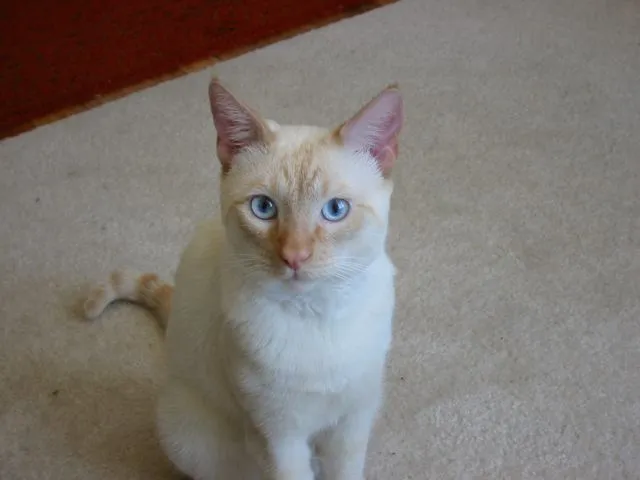
The Colorpoint Shorthair is a striking variation of the Siamese, developed in the U.S. by crossing Siamese cats with American Shorthairs to introduce new point colors beyond the traditional four—such as red, cream, tortie, and lynx patterns, according to The Spruce Pets. Recognized as a separate breed by the CFA in 1964 and also by the WCF, it's not universally acknowledged by all registries. Physically, they mirror the Siamese build: a sleek medium-sized body, long tapering wedge head, large pointed ears, and vivid almond-shaped blue eyes.
How Long Do Colorpoint Shorthairs Live?
With attentive care, Colorpoint Shorthairs tend to live between 12 and 15 years. Some cats have been known to live up to 17 years. According to the ASPCA Pet Health Insurance, individual health and conditions play a significant role in the lifespan of a Colorpint Shorthair.
Temperament and Personality
Colorpoint Shorthairs are affectionate and highly interactive, often forming deep, almost “dog-like” bonds with their owners. They’re known for:
- Being highly vocal and sociable—often chatting or greeting you at the door.
- Thriving on attention and human interaction; they can become mischievous if left alone for too long.
- Demonstrating intelligence and agility, enjoying games like fetch, climbing, and learning tricks.
- These cats are energetic, curious, and love being the center of household dynamics.
Characteristics
Temperament with Kids
Aggressive
Friendly
Playfulness
Silent
Very Playful
Friendliness
Not Friendly
Super Friendly
Shedding amount
Negligible
Frequent
Compatibility with other cats
Not Friendly
Super Friendly
Prey Drive
Low
High
Need for attention
Independent
Very Needy
Monthly Expenses


Lifespan and Price in India of Colorpoint Shorthair
Cost of buying
₹ 30,000 - ₹ 60,000
Lifespan of a Colorpoint Shorthair: Around 12–15 years, with some reaching 17 years when optimally cared for.
Price in India: While this breed isn't very common in India, mid-range exotic cat breeds similar to the Colorpoint Shorthair typically cost between ₹30,000 and ₹60,000, depending on breeder, color variant, and pedigree.
Exercise Needs
Highly spirited and curious, Colorpoint Shorthairs need at least 30–60 minutes of daily interactive play. Provide climbing perches, cat trees, interactive toys, and puzzle feeders to keep them physically and mentally engaged.
Adopting or Buying a Colorpoint Shorthair: How to Choosing Responsibly
When bringing a Colorpoint Shorthair into your home, it’s important to choose the right source. Look for reputable breeders who are registered with organizations like the Cat Fanciers’ Association (CFA) and do an international transfer, or well-established rescues that have proven experience with the breed. Ethical breeders will provide health certificates, vaccination records, and allow you to meet the kitten’s parents to assess temperament and living conditions.
If you’re adopting from a rescue or shelter, ask about the cat’s medical history, behavior, and any special care requirements.
When selecting a kitten or adult cat:
- Ensure they are well-socialized and comfortable with handling.
- Confirm they are vaccinated, dewormed, and vet-checked.
- Check for clear eyes, clean ears, and healthy body weight.
Whether you choose to adopt or shop, the goal is to provide a safe, loving, and stimulating environment that allows your Colorpoint Shorthair to flourish for years to come.
Nutrition Care for a Colorpoint Shorthair Car
Monthly Food Expenses
₹ 1,500 - ₹ 2,000
Calories per day
Kittens: 250 kcal
Adults: 300 kcal
Essential Nutrients
Protein
Fats
Carbohydrates
Vitamins
Minerals
Amino Acids (Taurine, Arginine, etc.)
Essential Fatty Acids
Fiber
List of foods
Dry kibble
Wet canned food
Chicken (cooked or raw)
Turkey
Salmon
Eggs (cooked)
Plain yogurt (no added sugar)
Pumpkin
Given their lean, muscular physique and active nature, Colorpoint Shorthairs do best on a balanced diet that supports muscle tone and energy while avoiding weight gain. According to Petco, a suitable nutritional strategy includes:
- High-quality animal proteins sourced primarily from meat or fish, to sustain muscle mass.
- Controlled calorie intake since their slender legs are ill-equipped to support extra weight.
- Balanced nutrition, including essential amino acids like taurine and healthy fats for skin, coat, and joint health.
- Avoid free feeding or too many treats, as this breed tends to overeat when bored or left unsupervised.
Feeding Guidelines
Although breed-specific feeding schedules are not established, general guidelines work well:
- Kittens (up to 12 months): Several small, nutrient-rich meals per day to support growth.
- Adults (1–7 years): Two balanced meals daily, with careful portion control to match energy needs.
- Seniors (7+ years): Easily digested, high-protein diets with controlled calories, and added joint-support as needed.
Breakdown of Macro-nutrients
Best Foods for your Colorpoint Shorthair
A Colorpoint Shorthair's dietary foundation rests upon a blend of high-quality dry kibble and wet food. The optimal balance of proteins, fats, and carbohydrates is crucial for their energetic lifestyle. Prioritizing brands that feature premium protein sources like chicken or turkey as primary ingredients is paramount to support their muscular development and overall health. Wet food complements this nutritional profile by enhancing hydration and potentially mitigating urinary tract issues, a common concern among feline companions.
To enrich their dietary experience and cater to their discerning palate, occasional treats can be judiciously incorporated. Cooked poultry, such as chicken or turkey, provides a natural protein boost, while digestive-friendly options like pumpkin offer fiber and hydration. Plain yogurt can also be considered as a supplemental treat, as it contains beneficial probiotics. However, it is imperative to exercise caution when selecting treats and avoid those laden with artificial additives, fillers, or low-quality meat by-products. These ingredients can compromise their overall health and well-being. A diet meticulously crafted with an abundance of essential vitamins, minerals, and fatty acids is indispensable for maintaining a Colorpoint Shorthair's vibrant coat, robust immune system, and boundless energy.
Optimal food choices include high-protein, premium wet and dry formulas that:
- Maintain lean muscle and provide sustained energy.
- Offer adequate moisture (especially from wet food) to support hydration and urinary tract health.
- Contain a full complement of nutrients, like taurine and omega fatty acids—for overall well-being.
Never feed these foods to Colorpoint Shorthair
Avoid anything with these ingredients
Onions and Garlic
Caffeine
Alcohol
Chocolate
Grapes and Raisins
Xylitol
Artificial Sweeteners
High-Fat Foods
To safeguard your Colorpoint's health:
- Steer clear of low-quality, filler-rich diets (e.g., corn, wheat, soy) that can contribute to unhealthy weight gain.
- Avoid free feeding: These cats are prone to overeating when unsupervised, according to Petco.
- Do not offer toxic foods such as onions, garlic, chocolate, or excess fatty human treats.


Health
Avg Monthly Expenses
₹ 500 - ₹ 700
Common Health Issues
Dental Problems
Kidney Disease
Obesity
Diabetes
Hyperthyroidism
Urinary Tract Infections (UTI)
Hypertrophic Cardiomyopathy (HCM)
Gastrointestinal Issues
Activities
Interactive Playtime
Climbing
Exploring
Social Interaction
Chasing Objects
Energy Level
High
Exercise routine
30 - 60 minutes
Recognising Stress
Hiding
Increased vocalization
Decreased appetite
Overgrooming
Changes in litter box behavior
Common Health Issues with the Colorpoint Shorthair
Colorpoint Shorthairs are known for their elegant appearance and playful personalities. While generally healthy, they can be prone to certain health conditions. They may be susceptible to conditions often found in Siamese-associated breeds, including:
- Amyloidosis, eye disorders (retinal degeneration, crossed eyes, PRA), and vaccine sensitivity.
- Dental health: Prone to dental problems, making regular dental care essential to prevent serious oral issues.
- Age-related conditions: May develop kidney disease or hyperthyroidism as they age; routine veterinary check-ups are important for early detection and treatment.
- Obesity risk: Bursts of energy followed by rest can lead to weight gain; maintain a balanced diet and regular exercise to prevent obesity-related issues.
- Digestive issues: Can experience occasional digestive upsets.
- Urinary tract health: May be susceptible to urinary tract infections; monitor urination habits.
- Heart health: Risk of hypertrophic cardiomyopathy (HCM) in some cats.
- Monitoring for illness: Watch for symptoms such as vomiting, changes in urination, or unusual lethargy.
- Overall care: Regular vet visits, a nutritious diet, and attentive observation are key to a long, healthy life.
General Healthcare Tips
- Make annual veterinary check-ups a priority to catch health issues early.
- Invest in regular dental care, using brushing or dental treats to prevent periodontal disease.
- Perform weekly grooming to keep their short coat smooth and healthy, and trim nails/clean ears regularly, according to Catster.
- Provide environmental enrichment with toys, climbing structures, and interactive games to maintain mental and physical health.
Senior Care
Older Colorpoint Shorthairs benefit from:
- Easier access to feeding and litter areas (low entry points).
- Soft, warm bedding to compensate for their short coats and cooler seasons.
- Gentle exercise routines and more frequent vet screenings for early intervention of age-related issues.
Vaccination details
Growth Stage
Core Vaccines
6-8 Weeks
Feline Viral Rhinotracheitis (FVR), Calicivirus (FCV), Panleukopenia (FPV) - FVRCP.
10-12 Weeks
FVRCP Booster, Rabies.
14-16 Weeks
FVRCP Booster, Rabies Booster.
6 Months
Feline Leukemia Virus (FeLV).
Annually
Rabies, FVRCP Booster, FeLV Booster.
Grooming
Avg Monthly Expenses
₹ 800 - ₹ 1,500
Shedding Level
Low Shedding
Hygienic Checklist
Grooming (for some breeds)
Nail Trimming
Ear cleaning
Eye care
Teeth care
Litter Box
Benefits of Grooming
Cleanliness
Low Shedding
Odourless
Prevents Bad Breath
Prevents infections
Quality of life
Colorpoint Shorthairs are renowned for their low-maintenance coat, a boon for owners seeking a tidy living environment. Their minimal shedding significantly reduces the frequency of grooming sessions required compared to longer-haired breeds. While regular brushing is essential for maintaining coat health and removing loose hair, the task is typically less time-consuming than with other breeds.
However, a well-rounded care regimen extends beyond coat maintenance. Let's take a look at a few.
- Balanced care: Extend grooming beyond coat maintenance to include full-body health.
- Nutrition & hydration: Maintain a healthy diet and ensure fresh water is always available.
- Litter hygiene: Keep the litter box clean to promote good habits and prevent health issues.
- Exercise & play: Provide daily opportunities for physical activity and mental stimulation.
- Veterinary care: Schedule regular check-ups, including dental exams, nail trims, and ear/eye inspections.
- Bathing: Bathe only when necessary, but monitor overall hygiene regularly.
- Preventive approach: Combine all care elements to support a long, happy, and healthy life.
Similar Breeds


Written by
Happy Pet TeamAuthor
Team Happy Pet is a passionate collective of pet experts, enthusiasts, and advocates dedicated to sharing trusted and insightful content.
Our cont
Compare with similar breeds
Frequently Asked Questions
What is their temperament?
Minimal grooming; regular brushing to manage shedding.
Are they prone to health issues?
Can have dental, respiratory, and genetic issues; regular vet check-ups recommended.
Are they good with children?
Yes, they are usually affectionate and enjoy family interaction.