Home
/
Cat Breeds
/
Cyprus
Cyprus
Origin
Cyprus
Size
Medium Breed
Ideal Space
Apartment
Ideal Weather
15º-25ºC
Life Expectancy
12-15 years
Cost of buying
₹ 50,000 - ₹ 1,20,000
Top 5 Traits
Playful
Curious
Friendly
Affectionate
Active
Avg Monthly Expenses
₹ 2,800 - ₹ 4,200

by Happy Pet TeamUpdated on 3 Sept 2025
Know All About the Cyprus Cat: The Island Treasure in Indian Homes
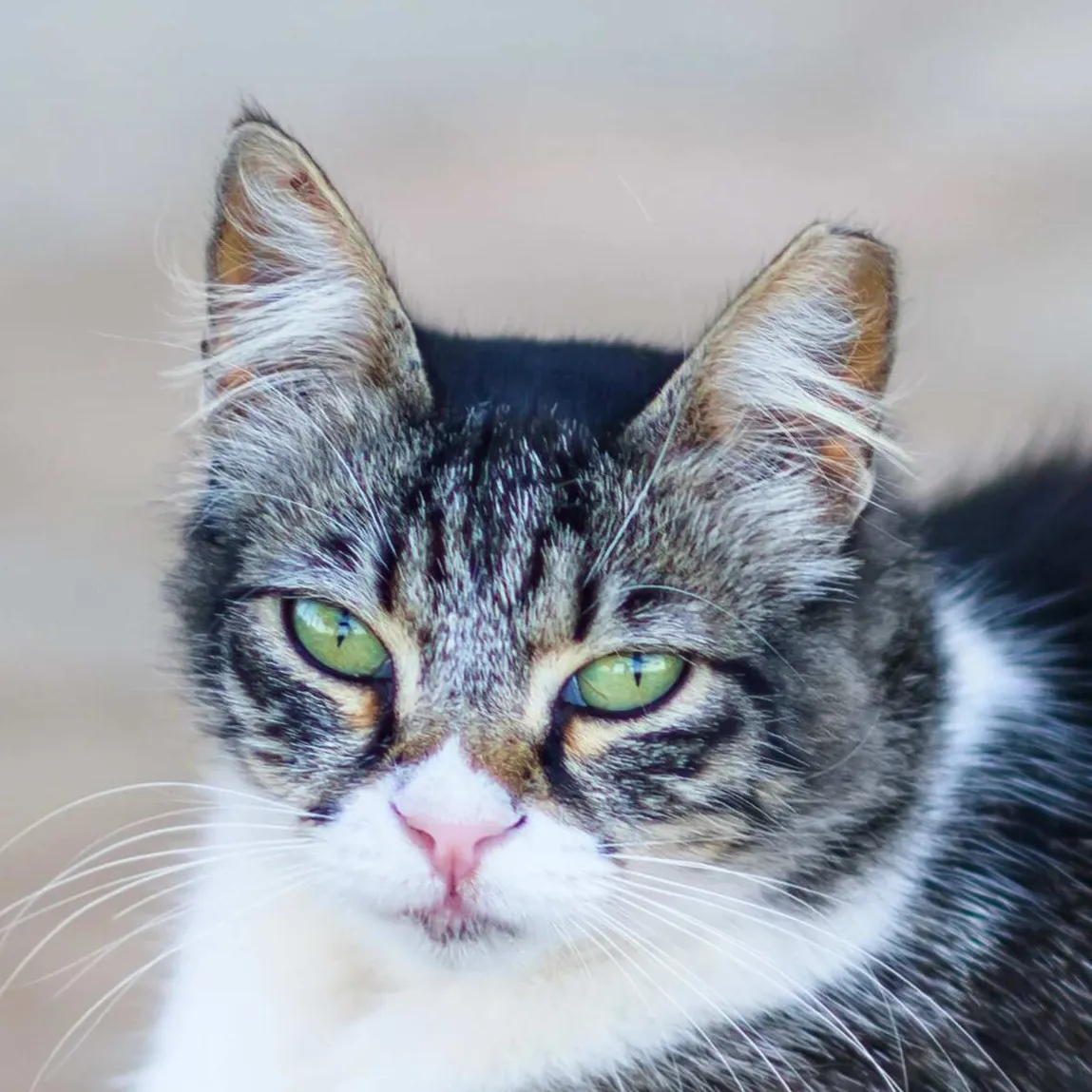
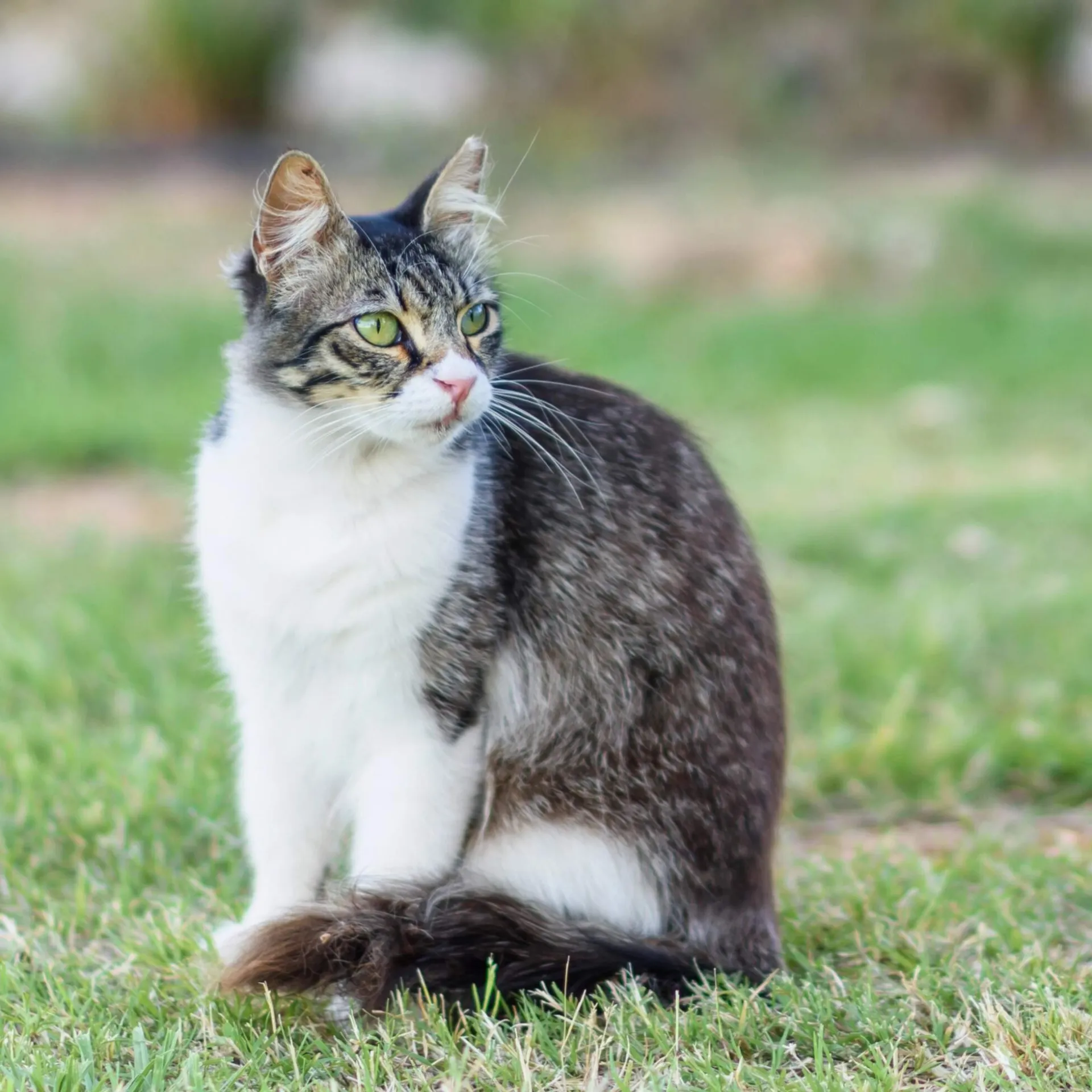
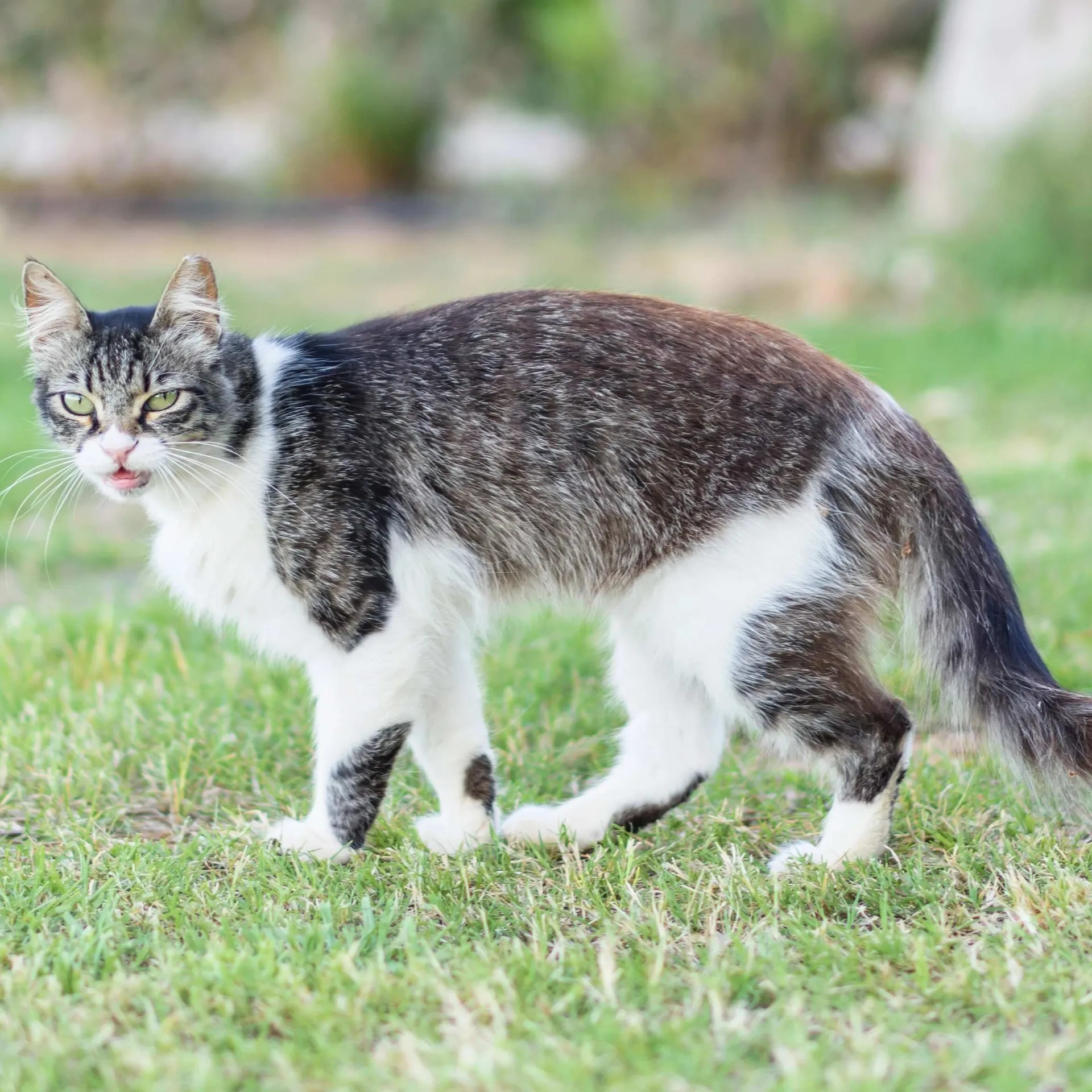
If the Somali is the fox-tailed acrobat, the Cyprus cat is the calm islander with a sturdy build and adaptable nature. Originating from the island of Cyprus and believed to be one of the world’s oldest domestic cat breeds, these cats are muscular, medium-to-large in size, and covered in a dense, weather-resistant coat. The Cat Fanciers’ Association describes them as versatile companions that have thrived in varied climates for centuries—a trait that makes them surprisingly well-suited to Indian households, from humid coastal cities like Chennai to the cooler winters of Delhi and Shimla.
Unlike heavy-coated Persians that struggle in Indian summers, the Cyprus cat’s coat is semi-long at most and much easier to maintain. That means fewer worries about matting during the sticky monsoon season, when fungal infections often trouble long-haired cats.
Personality: Calm Yet Curious
The Cyprus cat combines serenity with bursts of curiosity. As Vetstreet explains, their natural hunting instincts drive them to chase, climb, and explore, making them active but not hyperactive. In an Indian home, this translates to balcony patrols (always mesh-protected for safety), playful sessions with feather toys, and then long naps in shaded corners during hot afternoons.
They’re also wonderfully affectionate. Families in India will find that Cyprus cats like to be part of the action—whether it’s curling up near children during study time or calmly coexisting with pet dogs. Their adaptable nature makes them equally content in small apartments in Bengaluru or spacious homes in Pune.
- Affectionate and loyal: They form strong bonds with their families.
- Kid- and pet-friendly: Their even temperament helps them adjust to bustling Indian households.
- Balanced energy: They’re playful when engaged but also know how to settle down.
Lifespan
With attentive care, Cyprus cats enjoy a lifespan of 12–15 years. They are considered a generally healthy breed, but Indian pet parents should pay attention to lifestyle and climate-related risks.
Characteristics
Temperament with Kids
Aggressive
Friendly
Playfulness
Silent
Very Playful
Friendliness
Not Friendly
Super Friendly
Shedding amount
Negligible
Frequent
Compatibility with other cats
Not Friendly
Super Friendly
Prey Drive
Low
High
Need for attention
Independent
Very Needy
Monthly Expenses


Lifespan & Price of the Cyprus in India
Cost of buying
₹ 50,000 - ₹ 1,20,000
Cyprus cats are hardy and naturally healthy, often living 12–15 years when provided with preventive care. Annual checkups for heart, kidneys, and dental screenings are strongly recommended, advice echoed by PetMD.
Price in India: Very rare. Since there are no dedicated Cyprus breeders in the country, prices vary based on import. Pet-quality kittens may start at ₹50,000–₹80,000, while imports or show-quality cats can exceed ₹1,20,000.
Exercise and Enrichment
The Cyprus is an active yet balanced breed, combining playful bursts of energy with affectionate downtime. In Indian apartments and houses, keeping them stimulated is key.
- Playtime: Wand toys, tunnels, and interactive games satisfy their natural hunting instincts.
- Climbing: Cat trees and wall shelves are a must for their climbing habit. Scratching posts help save your furniture.
- Mental stimulation: Food puzzles and clicker training provide enrichment and prevent boredom.
Climate care in India:
- Summers: Provide cool spots with fans or AC. Cat fountains encourage hydration, especially in hotter states like Rajasthan.
- Winters: Their dense coat offers some insulation, but in colder northern cities, a warm blanket or sunlit nap spot adds comfort.
As PetMD notes, exercise and a stress-free environment are just as vital to health as diet.
Similar Breeds to the Cyprus
Buying or Adopting a Cyprus Cat in India
Cyprus cats are exceptionally rare in India, and there are no established breeding programs.
- Buying: Imports through CFA- or TICA-recognized breeders are the safest option, though expensive.
- Adoption: While purebred Cyprus cats are unlikely to appear, long-haired domestic cats and mixed breeds resembling the Cyprus are often rescued in Indian metros. Shelters in Delhi, Bengaluru, and Mumbai may occasionally list such cats.
Best home setup for India:
- Mesh windows and balconies for safety.
- Cat trees and shelves for exercise.
- Cooling arrangements during summers and cozy bedding for winters.
The Cyprus cat thrives in interactive households. They dislike long hours of solitude, so families where someone is usually at home will find them the perfect mix of companion and playmate.
Nutrition Care for the Cyprus Cat
Monthly Food Expenses
₹ 1,500 - ₹ 2,000
Calories per day
Kittens: 200 kcal
Adults: 300 kcal
Essential Nutrients
Protein
Fats
Carbohydrates
Vitamins
Minerals
Water
Amino Acids (Taurine, Arginine, etc.)
Essential Fatty Acids
Fiber
List of foods
Chicken (cooked or raw)
Turkey
Tuna
Eggs (cooked)
Cottage cheese
Pumpkin
Blueberries
Sardines (in moderation)
The Cyprus cat may have its roots on the island of Cyprus, but in Indian homes it thrives with the right balance of nutrition tailored to its sturdy, muscular build and adaptable nature. Known for being moderate in activity—not as hyper as a Somali, but not as sedentary as a Persian—this breed needs a diet that fuels energy without tipping into excess calories. In India, where obesity is an increasing concern among indoor cats, choosing the right protein-rich and balanced meals is key to keeping a Cyprus cat fit and healthy.
Protein
For the Cyprus cat, animal-based protein is the foundation of a healthy diet. According to PetMD, cats are obligate carnivores, relying on amino acids like taurine for strong muscles, healthy vision, and heart function. Cyprus cats, with their medium-to-large frame, particularly benefit from premium-quality protein.
In India, pet parents can choose from high-protein brands like Farmina N&D, Orijen, or Royal Canin, which are widely available through retailers such as Heads Up For Tails and Supertails. Fresh options like boiled chicken, turkey, or freshwater fish can also be offered, but only as supplements to a complete, vet-approved diet—never as the sole source of nutrition, to avoid deficiencies.
Fats
That thick, all-weather coat the Cyprus cat is known for relies on the right balance of healthy fats. As International Cat Care explains, Omega-3 and Omega-6 fatty acids support skin hydration, reduce inflammation, and keep coats glossy.
- In humid Indian cities like Kochi or Chennai, fats help maintain skin balance and reduce fungal flare-ups.
- In colder northern regions like Shimla or Delhi winters, they prevent dryness and flakiness.
Supplements like salmon oil or sardine oil—always introduced under veterinary guidance—are excellent additions to keep their coat lush and joints strong.
Carbohydrates
Cyprus cats aren’t as high-energy as Bengals but remain moderately active, which means they can handle small amounts of digestible carbs. Still, as The Spruce Pets points out, cats do not have a natural need for large amounts of carbohydrates, and diets overloaded with corn, soy, or wheat fillers can lead to digestive upset and obesity.
For Indian apartment cats, especially those with limited exercise, choosing grain-light formulas or diets with peas, sweet potato, or rice as minor ingredients helps maintain healthy weight without straining digestion.
Feeding Guidelines by Life Stage
- Kittens – Cyprus kittens are playful and quick to grow. Offer 3–4 small meals daily, with a mix of high-quality wet food for hydration and dry kibble for dental support. In India’s hot summers, wet food becomes especially useful to combat dehydration.
- Adults – Two balanced meals a day are ideal. Since Cyprus cats are muscular but not hyperactive, they need steady protein intake but controlled portions to avoid weight gain—particularly in smaller city flats.
Seniors (10+ years) – With age, joint and kidney health become priorities. Senior-specific formulas with reduced phosphorus, added antioxidants, and glucosamine are recommended. Softer wet foods help cats with dental sensitivity, as International Cat Care notes dental issues are common in older cats.
Breakdown of Macro-nutrients
Choosing the Right Food for Cyprus Cats
The Cyprus cat, with its sturdy build and adaptable nature, may not be as hyperactive as a Somali, but it’s still playful, curious, and muscular. To keep this breed healthy in Indian homes—whether in the cool hills of Himachal or the muggy heat of Kolkata—nutrition must focus on maintaining muscle strength, supporting coat health, and preventing unnecessary weight gain. Balanced, meat-first diets with the right supplements ensure the Cyprus thrives across India’s varied climates.
Meat-First Diets
Cyprus cats, like all felines, are obligate carnivores. As PetMD notes, they rely on animal-based protein for strong muscles, sharp vision, and heart health. While not as energy-hungry as Somalis, their medium-to-large frame still requires steady, high-quality protein.
In India, premium brands such as Farmina N&D, Orijen, and Royal Canin—available via Heads Up For Tails and Supertails—offer complete meat-first diets. For pet parents who prefer fresh options, lightly boiled chicken or small servings of freshwater fish make good toppers, but they must be paired with formulated food to avoid nutrient gaps.
Skip the Fillers
Because Cyprus cats are moderately active, they don’t burn off excess calories quickly. Diets loaded with carbohydrate fillers like corn, soy, or wheat, often found in lower-cost Indian brands, risk leading to weight gain. The Spruce Pets emphasizes that cats thrive best on animal proteins rather than empty calories. Choosing grain-light, protein-forward foods helps keep the Cyprus cat lean, healthy, and free from digestive issues.
Key Nutrients to Include
- Taurine – Essential for heart and vision health, as highlighted by PetMD.
- Omega-3 & 6 fatty acids – Support skin and coat health, especially important in India where humidity can trigger fungal flare-ups or dandruff in drier regions. International Cat Care notes their role in reducing inflammation and maintaining glossy coats.
- Vitamin E & Biotin – To keep their short-to-medium coat soft and healthy year-round.
- Glucosamine & antioxidants – Particularly helpful for maintaining joint strength and immunity in larger-framed Cyprus cats.
Wet vs. Dry Food: Finding the Balance
The Cyprus cat’s adaptable nature makes it well-suited to a mixed feeding plan. PetMD recommends wet food for hydration and urinary health—especially crucial in India’s hot summers, where dehydration is a risk.
- Wet food – Helps prevent urinary tract issues, improves hydration, and provides variety in meals.
- Dry food – Supports dental care and portion control, but must always be protein-rich and filler-free.
For many Indian households, a hybrid diet works best: wet food in the morning to boost hydration and measured kibble at night for satiety. Occasional add-ons like boiled chicken or egg yolk (with vet approval) can enrich meals without upsetting nutritional balance.
Never feed these foods to Cyprus
Avoid anything with these ingredients
Onions and Garlic
Caffeine
Chocolate
Bones
Dairy (in some cases)
Grapes and Raisins
Artificial Sweeteners
Raw Eggs
Cyprus cats may be sturdy and adaptable, but their digestive system is as sensitive as any feline’s. Certain human foods—common in Indian kitchens—can be harmful or even toxic. Knowing what to keep out of their diet is as important as choosing the right food.
Toxic Human Foods
Some everyday ingredients can pose serious health risks:
- Onions, garlic, and chives – Widely used in Indian cooking, these damage red blood cells and can cause anemia in cats, as PetMD warns. Even small amounts of curry or leftover gravy can be harmful
- Chocolate and caffeine – Common in Indian households as sweets or tea/coffee, both contain theobromine and caffeine, which are toxic for cats.
- Alcohol – Even tiny amounts (like beer froth or spilt whiskey) can cause severe liver and brain damage.
Table Scraps and Spicy Foods
Indian diets are rich in spices, ghee, and fried foods, all of which are unsuitable for cats. The Spruce Pets notes that high-fat foods can trigger vomiting, diarrhea, or pancreatitis. Feeding Cyprus cats table scraps not only risks illness but also encourages begging behavior and weight gain.
Bones and Raw Fish
- Cooked bones – Often left over from Indian chicken curry or tandoori, can splinter and injure the digestive tract.
- Raw freshwater fish – A common protein source in India, but it may contain thiaminase, which destroys vitamin B1, leading to neurological issues. International Cat Care recommends avoiding raw fish unless specifically prepared for pets.
Dairy Myths
Although cats and milk are often linked in Indian households, most adult cats—including Cyprus cats—are lactose intolerant. PetMD explains that milk can cause diarrhea and stomach upset. Instead of cow’s milk, opt for vet-approved cat milk if you want to treat your feline.
Safe Alternatives
Instead of risky table food, stick to:
- Commercial cat treats (protein-based, grain-free).
- Vet-approved toppers like boiled chicken or small portions of scrambled egg (without oil, salt, or spices).
- Catnip or silvervine toys for variety without upsetting their diet.


Health
Avg Monthly Expenses
₹ 500 - ₹ 700
Common Health Issues
Upper Respiratory Infections
Dental Problems
Obesity
Kidney Disease
Hyperthyroidism
Urinary Tract Infections (UTI)
Feline Immunodeficiency Virus (FIV)
Gastrointestinal Issues
Activities
Play with Toys
Exploring
Climbing
Scratching
Interactive Playtime
Energy Level
Medium
Exercise routine
30 - 60 minutes
Recognising Stress
Decreased appetite
Overgrooming
Increased vocalization
Hiding
Changes in litter box behavior
Medical Care for the Cyprus Cat
The Cyprus cat, known for its robust build and adaptable nature, thrives well in Indian households—from busy city apartments to semi-rural homes. While generally healthy, their active lifestyle and semi-long coat make preventive care essential in India’s diverse climate. PetMD notes that common feline health challenges, including dental disease and weight gain, can affect even resilient breeds like the Cyprus, making regular checkups a must.
Vaccinations & Parasite Protection
In India, where community animals freely roam, vaccinations aren’t optional for the Cyprus cat.
- Core vaccines—rabies, feline panleukopenia, calicivirus, and rhinotracheitis—form the baseline protection, especially for cats in high-density housing or outdoor-access homes.
- For adventurous Cyprus cats who enjoy gardens, balconies, or terraces, many vets also recommend the feline leukemia virus (FeLV) vaccine, advice reinforced by the Cornell Feline Health Center.
Parasite protection is another cornerstone. In India’s tropical and humid regions, fleas, ticks, and intestinal worms are common risks—even for indoor cats during monsoon months. International Cat Care highlights the importance of monthly flea/tick preventives and routine deworming, particularly in multi-pet homes with dogs who may carry parasites indoors.
Health Quirks to Watch Out For
Though hardy, Cyprus cats do have a few areas that need extra attention:
- Dental health – Like most cats, plaque buildup can quickly lead to gingivitis or tooth loss if ignored, a concern flagged by The Spruce Pets.
- Skin and coat care – Their dense fur can trap dirt and moisture, raising the risk of fungal skin infections during humid Indian summers or monsoons.
- Weight balance – Cyprus cats enjoy food and lounging, making portion control vital in smaller apartments where activity may be limited.
- Climate comfort – While they tolerate varied conditions, hot summers call for fans or AC, while cats in cooler northern states may need blankets or heated beds in winter.
Day-to-Day Care at Home
Caring for a Cyprus cat in India is about creating balance between grooming, health, and activity:
- Grooming – Brush at least twice a week to prevent mats and keep the coat free of dust or excess oils, particularly important in dusty cities.
- Dental hygiene – Regular brushing or vet-approved chews help prevent gum issues, a step recommended by The Spruce Pets.
- Exercise – Daily play sessions with toys, climbing trees, or even safe balcony enclosures help burn energy and curb boredom.
- Hydration – Cat fountains or multiple water bowls encourage drinking in hot regions where dehydration risks rise.
Caring for Senior Cyprus Cats
As Cyprus cats move into their senior years, preventive care becomes even more important.
- Vet visits – Bi-annual checkups to track kidney, heart, and joint health are recommended.
- Specialized diets – Taurine-rich foods, omega-3s for coat and skin, and glucosamine for joint support keep aging cats comfortable, a practice endorsed by The Spruce Pets.
- Mobility aids – Low-rise climbing shelves or ramps make it easier for seniors to stay active.
Climate comfort – Warm napping spots in the winter and shaded resting areas in summer ensure senior cats stay relaxed.
Vaccination details
Growth Stage
Core Vaccines
6-8 Weeks
Feline Rhinotracheitis, Calicivirus, Panleukopenia (FVRCP).
10-12 Weeks
FVRCP Booster.
14-16 Weeks
FVRCP Final Booster, Rabies.
Annual
FVRCP Booster, Rabies Booster.
Grooming Guidelines for Cyprus
Avg Monthly Expenses
₹ 800 - ₹ 1,500
Shedding Level
Moderate Shedding
Hygienic Checklist
Grooming (for some breeds)
Ear cleaning
Teeth care
Nail Trimming
Health Observation
Benefits of Grooming
Low Shedding
Prevents Bad Breath
Odourless
Prevents infections
Cleanliness
Quality of life
The Cyprus cat’s coat varies from short to semi-long, but what unites them is a dense texture that can handle both cool mountain air and warmer plains. In India’s diverse weather, their coat care needs a seasonal approach.
- Brushing: Once or twice a week is usually enough for short-haired Cypriots, but semi-long coats need brushing at least three times weekly. This prevents tangles and keeps shedding under control—especially in humid cities like Chennai, where trapped moisture may cause fungal flare-ups. International Cat Care highlights that regular brushing also supports circulation and distributes natural oils.
- Bathing: Rarely needed, but during India’s long summers, an occasional bath with a gentle cat shampoo can freshen the coat. Always dry completely, as dampness under the fur can lead to skin irritation in coastal areas.
- Ears & Teeth: Dust and pollution in Indian metros like Delhi or Bengaluru mean ear checks every two weeks are a must. For oral health, The Spruce Pets recommends brushing alongside dental chews to reduce the risk of gum disease—something common across cats in urban households.
Cyprus cats are easy-going by nature, making grooming sessions less of a battle and more of a bonding routine for Indian pet parents.


Written by
Happy Pet TeamAuthor
Team Happy Pet is a passionate collective of pet experts, enthusiasts, and advocates dedicated to sharing trusted and insightful content.
Our cont
Compare with similar breeds
Frequently Asked Questions
Is it better to adopt or buy a Cyprus cat?
Both adoption and purchasing are valid options. Adoption can be more cost-effective and provides a home to a cat in need, while buying from a reputable breeder ensures specific traits and lineage.
How can I ensure my Cyprus cat is happy and healthy?
Providing a balanced diet, regular grooming, veterinary care, and a loving environment with plenty of play and interaction are key to ensuring a happy and healthy Cyprus cat.
Are Cyprus cats prone to any specific health issues?
While generally healthy, Cyprus cats should have regular veterinary check-ups to monitor for common feline issues like dental disease, obesity, and parasitic infections. Regular vaccinations and preventive care are important.