Home
/
Cat Breeds
/
Donskoy
Donskoy
Origin
Russia
Size
Medium Breed
Ideal Space
Apartment
Ideal Weather
18º-24ºC
Life Expectancy
10-15 years
Cost of buying
₹ 50,000 - ₹ 1,50,000
Top 5 Traits
Playful
Curious
Affectionate
Energetic
Friendly
Avg Monthly Expenses
₹ 2,800 - ₹ 4,200

by Happy Pet TeamUpdated on 27 Jun 2025
Introduction to the Donskoy
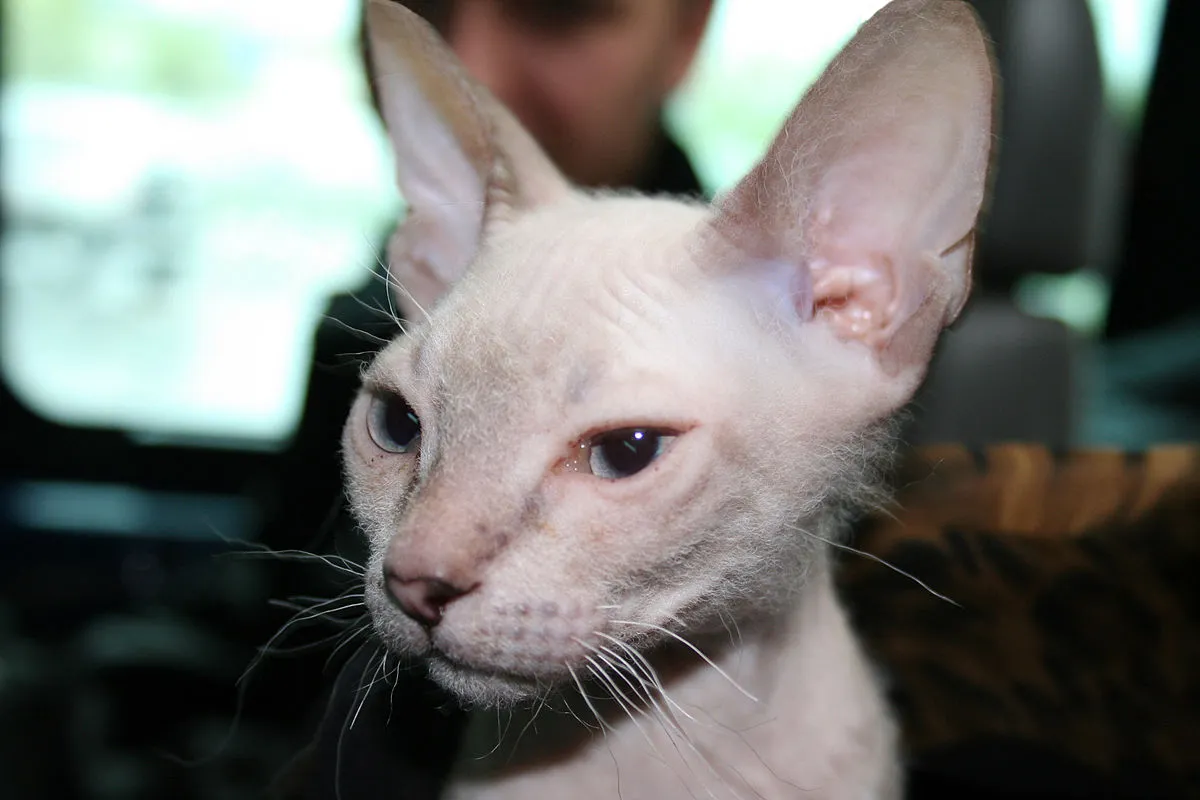
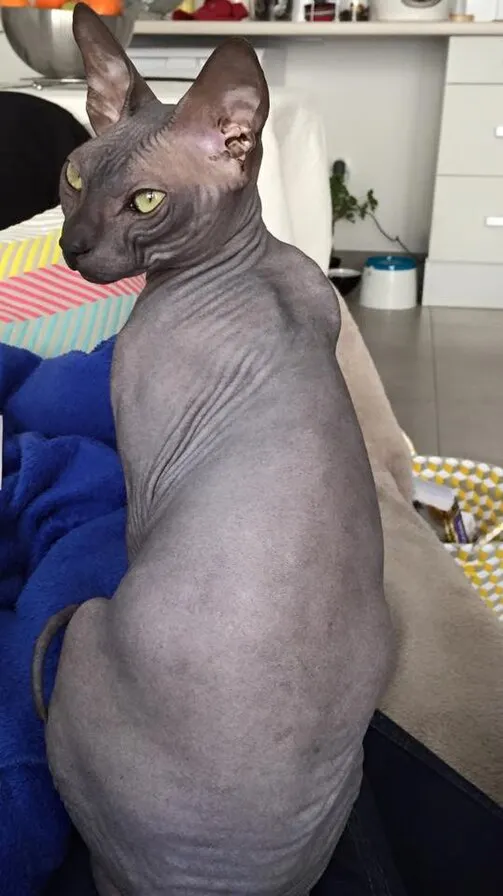
The Donskoy cat is a Russian-bred cat which is also called the Don Sphynx, or the Russian Hairless. Everything began in 1987 when a kitten called Varvara was saved in Rostov-on-Don.
At four months, Varvara started losing her hair. When she carried kittens, some of them were born without fur, but others lost it later on- this was a confirmation that the hairless gene was overriding.
The World Cat Federation acknowledged this breed officially in 1987, and TICA in 2005.
How Long Do Donskoys Live?
Donskoy cats have a lifespan of 10-15 years when well taken care of.
Donskoy Temperament and Personality
Donskoys are:
- Have dog-like loyalty
- Very curious and full of energy
- Very loving with people.
- Social and enjoys company
- Sometimes vocal and chatty
They are great for families and get along well with kids and other pets.
Donskoy Exercise Needs
Donskoys love to play and need about 30 minutes of activity daily.
Try:
- Puzzle toys
- Feather wands
- Laser pointers
- Climbing towers
- Hide-and-seek games
They enjoy attention and can follow you around like a dog.
Characteristics
Temperament with Kids
Aggressive
Friendly
Playfulness
Silent
Very Playful
Friendliness
Not Friendly
Super Friendly
Shedding amount
Negligible
Frequent
Compatibility with other cats
Not Friendly
Super Friendly
Prey Drive
Low
High
Need for attention
Independent
Very Needy
Monthly Expenses


Donskoy’s Price Guide
Cost of buying
₹ 50,000 - ₹ 1,50,000
The Donskoy prices depend upon coat type and lineage. In India, the price falls somewhere between ₹ 50,000 - ₹ 1,50,000.
Similar Breeds to the Donskoy
Shop or Adopt a Donskoy: Make the Right Choice!
Responsible shopping will make sure that ethical breeding is taking place, while adopting a Donskoy will give a loving home to a cat that needs it. Pick based on your ability to keep up with their gentle temperament, grooming needs, and lifespan.
Best Practices for Shopping or Adopting a Donskoy
- Select a good breeder or adoption centre.
- Get health screenings for heart disease and dental problems.
- Observe temperament and socialization levels.
- Vaccination, deworming and medical history should be checked.
- Offer a quiet, reasonably comfortable indoor environment.
- Prevent obesity by maintaining a balanced diet.
- They need to be groomed regularly to manage their dense coat.
- Always ensure you keep routine vet visits as a commitment to lifelong care.
Nutrition Care for the Donskoy
Monthly Food Expenses
₹ 1,500 - ₹ 2,000
Calories per day
Kittens: 300 kcal
Adults: 250 kcal
Essential Nutrients
Protein
Fats
Carbohydrates
Vitamins
Minerals
Amino Acids (Taurine, Arginine, etc.)
Essential Fatty Acids
Fiber
List of foods
Dry kibble
Wet canned food
Chicken (cooked or raw)
Turkey
Salmon
Tuna
Eggs (cooked)
Omega-3 fatty acids
- They require high quality protein for the maintenance of muscle.
- Healthy fats support energy levels and a shiny coat.
- Immunity and joint health are strengthened with the help of essential nutrients.
- Taurine is important for heart and vision health.
- Wet food helps in hydration and urinary tract health.
- It is best to avoid low quality foods to prevent obesity and digestion problems.
- A balanced diet of wet food, lean meats and supplements is vital for overall well being.
Feeding Guidelines for Donskoy Cats
Kittens (Up to 6 Months): Feed them 3-4 meals a day. Always opt for high-protein food for fast and healthy growth.
Adults (1–7 Years): Feed them twice a day. Always keep an eye on portions as Donskoys are usually heavy eaters.
Seniors (7+ Years): Provide 2 to 3 small meals daily. Protein-enriched, easy-to-digest meals will support their ageing needs.
Breakdown of Macro-nutrients
Best Foods for Donskoy Cats
Donskoys thrive on:
- Wet food containing real meat as the primary ingredient. It helps with hydrating and delivering quality protein.
- Supplement consisting of grain-free dry kibble. Add in small quantities to provide a crunchy variety.
- Cooked meat such as chicken, turkey or fish. Serve always plain and boneless to digest safely.
- Salmon for omega fatty acids. Fosters a shiny coat and good skin.
- Raw diets (under the recommendation of your vet). It should be carefully balanced in order to cover all nutritional requirements.
Foods to Avoid for Donskoys
Avoid anything with these ingredients
Onions and Garlic
Caffeine
Chocolate
Alcohol
Bones
Raw Eggs
Grapes and Raisins
Xylitol
Avoid feeding:
- Garlic or onions (poison to cats). They may harm red blood cells and lead to anaemia.
- Chocolate or caffeine can damage the heart. Even minor doses can cause death or seizures.
- Carbohydrate foods (such as wheat or corn fillers). They may lead to blood sugar surges and obesity.
- Synthetic colours or additives. It can cause allergies or other chronic illnesses.
- Dairy and milk can upset the stomach. Most cats are lactose-intolerant and could have diarrhoea.


Healthcare for the Donskoy
Avg Monthly Expenses
₹ 500 - ₹ 700
Common Health Issues
Skin Allergies
Skin & coat disorders
Upper Respiratory Infections
Dental Problems
Obesity
Hyperthyroidism
Gastrointestinal Issues
Urinary Tract Infections (UTI)
Activities
Exploring
Climbing
Interactive Playtime
Chasing Objects
Social Interaction
Energy Level
Medium
Exercise routine
30 - 60 minutes
Recognising Stress
Hiding
Changes in litter box behavior
Increased vocalization
Decreased appetite
Overgrooming
Common Health Problems of Donskoys
- Hypertrophic Cardiomyopathy – Thickened walls of the heart. Heart checkups conducted regularly assist in early detection.
- Skin infections – As a result of excessive oil buildup. Skin can be kept clean by daily wiping or baths every alternate day.
- Dental issues – Common to this breed. Gum disease is prevented by brushing and regular dental care.
- Ectodermal Dysplasia – May occur in teeth and sweat glands. Keep an eye out for broken teeth or overheating problems.
General Healthcare Tips for Donskoys
- Keep them warm in the winter--they easily go cold. Comfort with soft clothes or heated beds.
- Use pet-safe sunscreen during summer. It saves their naked skin from sunburn.
- Clean their skin on a daily basis to get rid of oil. This prevents buildup and the chance of infections.
- Keep ears and claws clean. Regular checks help avoid wax buildup and overgrown nails.
- Visit the vet every 6–12 months. Routine checkups catch health issues early.
Senior Donskoy Cat Care
Older Donskoys need:
- Small, frequent meals. Lower in fat and easier on the stomach of ageing cats.
- Joint support supplements. Stiffness and pain can be alleviated using glucosamine and omega-3s.
- A cosy and hot place to sleep. Firm bedding relieves ageing joints and enables them to sleep well.
- Frequent vet examination. A visit every 6 months assists in tracking age-related health concerns.
- Litter boxes and water bowls should be easily accessible. Minimises stress and helps to stay comfortable.
Vaccination details
Growth Stage
Core Vaccines
6-8 Weeks
Feline Herpesvirus, Calicivirus, Panleukopenia (FVRCP).
10-12 Weeks
FVRCP (Booster).
14-16 Weeks
FVRCP (Final Booster), Rabies.
Adult ( 1 Year)
Rabies (Booster), FVRCP (Booster).
Adult (3 Years )
Rabies, FVRCP (Booster).
Donskoy Grooming Routine
Avg Monthly Expenses
₹ 800 - ₹ 1,500
Shedding Level
No Shedding
Hygienic Checklist
Grooming (for some breeds)
Hydration
Health Observation
Nail Trimming
Teeth care
Eye care
Benefits of Grooming
Cleanliness
Low Shedding
Odourless
Prevents Bad Breath
Prevents infections
Quality of life
Even without fur, Donskoys need care:
- Bathe every 1–2 weeks
- Clean skin folds, ears, and nails
- Use gentle, cat-safe shampoo
- Moisturize skin in dry weather
- Brush teeth several times a week


Written by
Happy Pet TeamAuthor
Team Happy Pet is a passionate collective of pet experts, enthusiasts, and advocates dedicated to sharing trusted and insightful content.
Our cont
Compare with similar breeds
Frequently Asked Questions
Are Donskoy's hypoallergenic?
No. Although they are hairless, they also have allergens.
Do they need sunscreen?
Yes. They are capable of burning in direct sunlight.
How often should they be bathed?
Every 1–2 weeks, plus daily spot cleaning.
Are they related to Sphynx cats?
No. They belong to a different breed with a different hairlessness gene.