Home
/
Cat Breeds
/
Dragon Li
Dragon Li
Origin
China
Size
Medium Breed
Ideal Space
Apartment
Ideal Weather
15º-25ºC
Life Expectancy
12-15 years
Cost of buying
₹ 60,000 - ₹ 1,00,000
Top 5 Traits
Playful
Friendly
Curious
Affectionate
Energetic
Avg Monthly Expenses
₹ 2,100 - ₹ 3,700

by Happy Pet TeamUpdated on 16 Aug 2025
All You Need to Know About the Dragon Li Cat
The Dragon Li (also called Chinese Li Hua or Li Hua Mao) is a rare, ancient cat breed that originates from China. Recognized as a natural breed, it has evolved over centuries without human intervention. Its name, "Li Hua," translates to "fox flower cat," reflecting its wild appearance and floral-patterned coat, as described on Wikipedia.
The Dragon Li is believed to be a direct descendant of the wild Chinese Mountain cat (Felis bieti), making it one of the few naturally occurring domestic breeds in the world, according to Animalia.
Although this breed existed for centuries, it was only standardized in 2004 when it debuted in Beijing as an experimental-class breed. A Dragon Li named Needy won the first championship under the Chinese Cat Association, which brought significant attention to the breed, as noted by Catster.
Following this victory, Needy was ceremoniously “married” to a breeding partner in a traditional Chinese wedding ceremony, highlighting the breed’s cultural significance. In 2010, the Dragon Li was officially accepted for showing by the International Cat Fanciers’ Association (CFA), elevating its profile among cat enthusiasts globally.
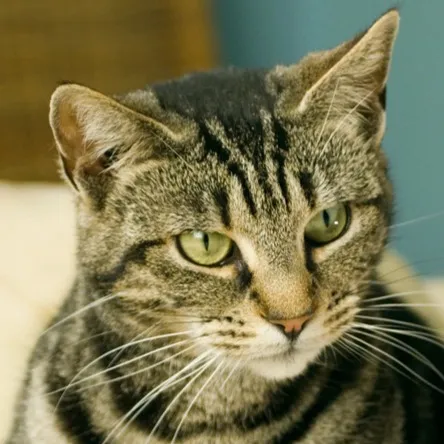
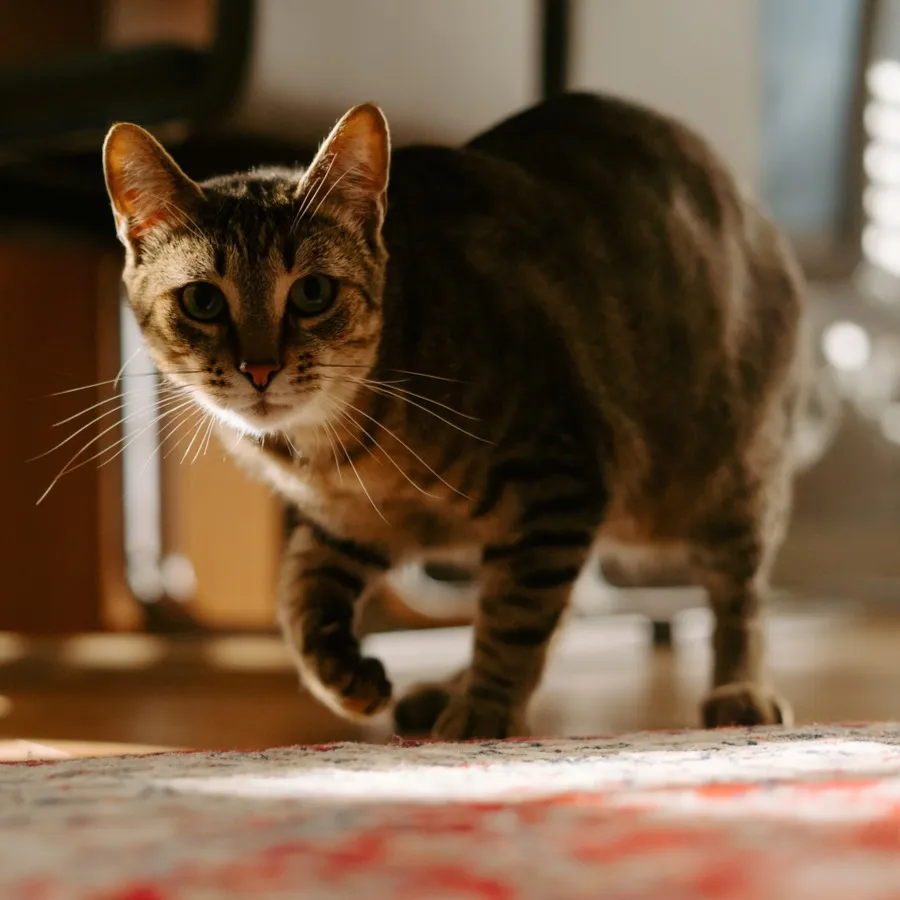
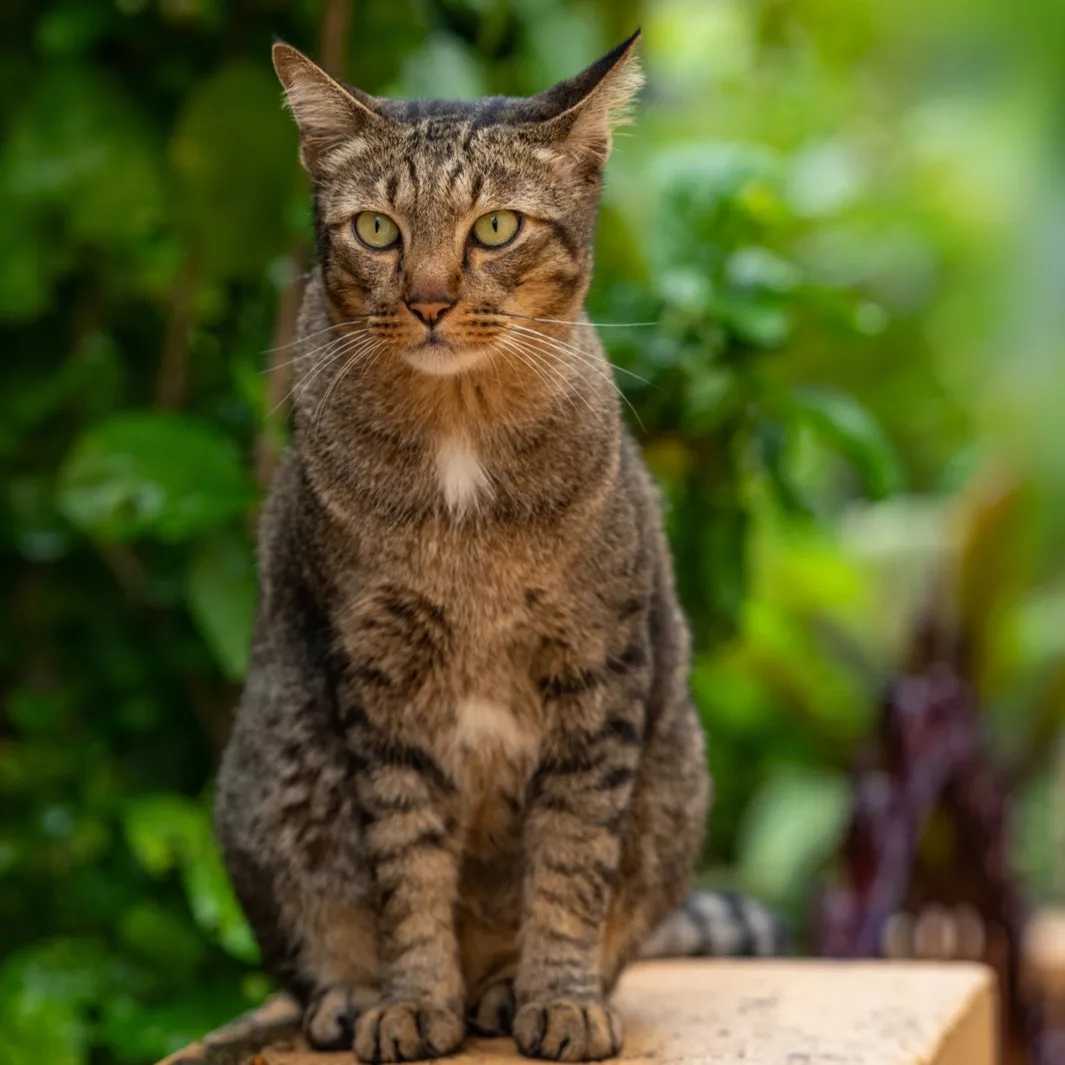
Dragon Li cats have a striking golden-brown coat with a broken-mackerel tabby pattern, giving them a wild and exotic appearance. They also have distinctive ear tipping, large almond-shaped eyes that range from yellow to green, and a strong, muscular body. These physical traits make them agile climbers and active hunters, reflecting their wild ancestry.
Temperament and Personality
Dragon Li cats are intelligent, loyal, and playful. They are highly trainable and have been observed performing tricks such as fetching items or responding to commands, according to Catster. While they enjoy human companionship and bonding deeply with their families, they may be reserved around strangers. Their energetic and curious nature makes them ideal for interactive play and stimulating environments.
Lifespan
With proper care, Dragon Li cats typically live between 12 and 15 years, though many can reach up to 16 years, according to World Life Expectancy. Their longevity, combined with their intelligence and playful personality, makes them a lifelong companion for families and cat enthusiasts alike.
Characteristics
Temperament with Kids
Aggressive
Friendly
Playfulness
Silent
Very Playful
Friendliness
Not Friendly
Super Friendly
Shedding amount
Negligible
Frequent
Compatibility with other cats
Not Friendly
Super Friendly
Prey Drive
Low
High
Need for attention
Independent
Very Needy
Monthly Expenses


Lifespan & Price of the Dragon Li Cat in India
Cost of buying
₹ 60,000 - ₹ 1,00,000
Lifespan: Dragon Li cats typically live between 9 to 16 years, with proper care potentially extending their lifespan.
Price: In India, Dragon Li cats are considered a rare and premium breed. While specific prices can vary, they are generally priced between Rs 60000 to Rs 100000 due to their rarity and unique characteristics.
Exercise and Enrichment
Dragon Li cats are active, intelligent, and curious. Providing ample opportunities for physical and mental stimulation is essential for their well-being.
- Daily Interactive Play: Engage in activities like fetch, feather wands, and laser pointers. Active play helps meet their high-energy needs and strengthens the bond with owners.
- Climbing Structures and Scratching Posts: Provide tall cat trees, climbing shelves, and sturdy scratching surfaces to fulfill their climbing instincts and keep claws healthy.
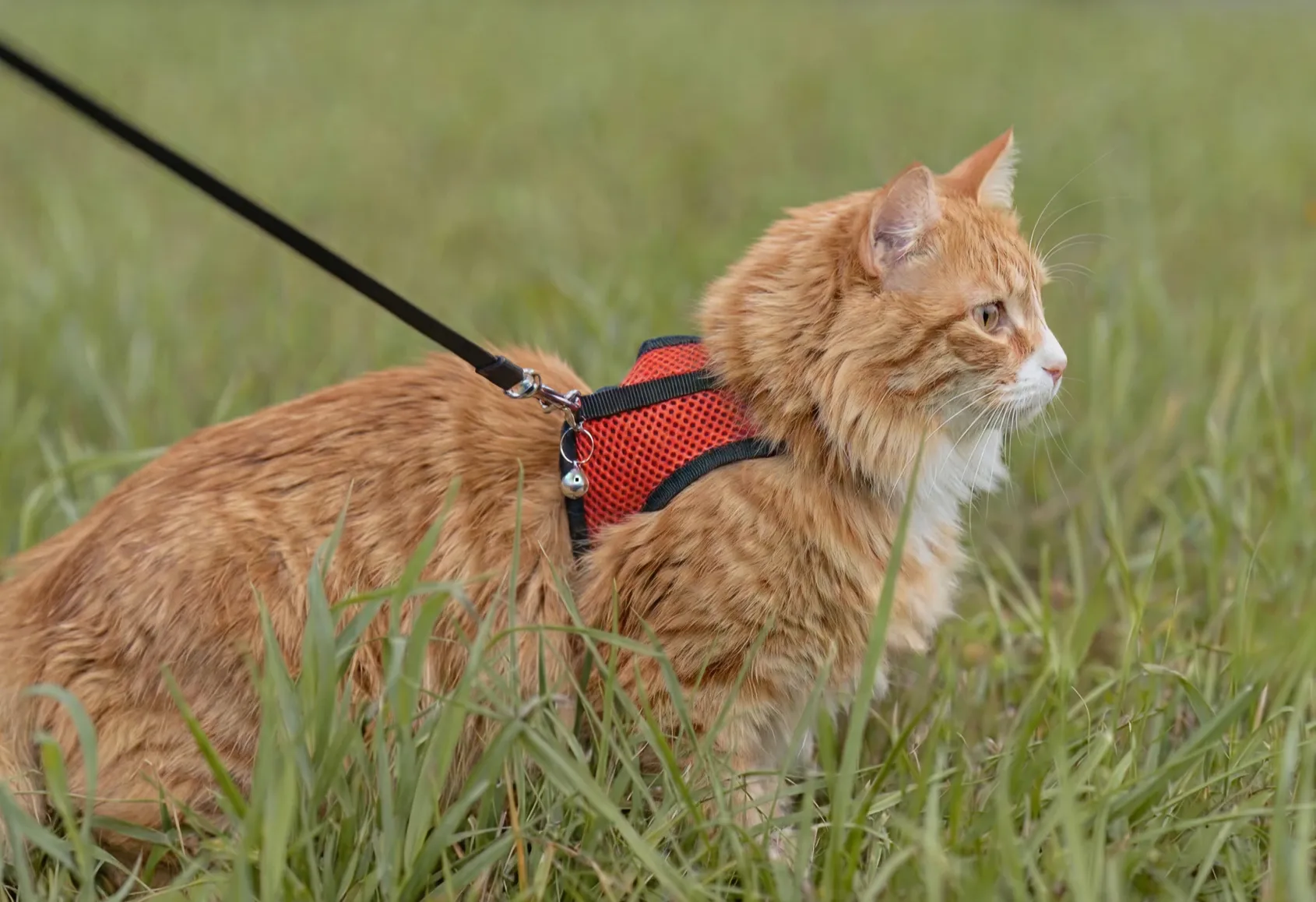
- Training Opportunities: Their curiosity and intelligence make them quick learners for leash training, tricks, and puzzle toys.
- Environmental Enrichment: Rotating toys, providing window perches for bird-watching, and using food-dispensing puzzles can prevent boredom and promote mental sharpness.
Buying or Adopting a Dragon Li: What You Need to Know
Bringing a Dragon Li cat into your home is exciting, but it’s a lifelong commitment. Here’s a quick guide for Indian cat lovers:
- Pick a trusted breeder: Look for breeders who can show health certificates and tests for issues like hip problems or dental health. Dragon Lis are generally healthy, but good breeding ensures fewer risks.
- Adopting? Spend time first: Interact with the cat to see if its playful, curious, and active personality fits your home. They love exploring and being mentally stimulated.
- Socialize early: Handle kittens regularly and expose them to people, sounds, and different spaces. Early socialization makes them confident and friendly.
- Set up your home right: Provide climbing shelves, window perches, scratching posts, and fun toys. Dragon Lis love activity and observation, so a little planning goes a long way.
- Daily care matters: Feed high-quality protein food, schedule vet check-ups, and spend time playing. This keeps them happy, healthy, and energetic for years.
Best Nutrition Care for the Dragon Li Cat
Monthly Food Expenses
₹ 800 - ₹ 1,500
Calories per day
Kittens: 350 kcal
Adults: 300 kcal
Essential Nutrients
Protein
Fats
Carbohydrates
Vitamins
Minerals
Amino Acids (Taurine, Arginine, etc.)
Essential Fatty Acids
Fiber
List of foods
Lamb
Turkey
Chicken (cooked or raw)
Wet canned food
Dry kibble
Eggs (cooked)
Sardines (in moderation)
Salmon
The Dragon Li is an active, muscular breed with a strong prey drive, requiring a diet that supports its energy levels, muscle maintenance, and overall health. While there are no breed-specific nutritional requirements, providing a balanced diet is essential for their well-being.
High-Quality Animal Protein:
High-quality animal protein is vital for muscle maintenance and metabolic function. Sources like chicken, turkey, salmon, or rabbit provide the necessary amino acids, including taurine, which is essential for heart, vision, and reproductive health. The Cat Fanciers’ Association (CFA) emphasizes the importance of taurine in a cat's diet.
Healthy Fats and Omega Fatty Acids
Healthy fats, particularly omega-3 and omega-6 fatty acids, help maintain skin elasticity, coat softness, and joint mobility while providing concentrated energy for this active breed. The American Animal Hospital Association (AAHA) notes that these fatty acids are crucial for maintaining a healthy coat and skin.
Vitamins and Minerals
A balanced range of vitamins and minerals supports immune resilience, bone health, and overall maintenance. While there are no breed-specific nutritional requirements for Dragon Li cats, general feline guidelines emphasize vitamins A, D, E, B-complex, and minerals such as calcium, magnesium, and phosphorus. PetMD provides detailed information on essential nutrients for cats.
Low-Carbohydrate Diets
Low-carbohydrate diets are recommended, as cats are obligate carnivores. Excess carbohydrates may lead to weight gain, digestive issues, and reduced muscle tone. The American Association of Feline Practitioners (AAFP) advises feeding cats diets that are high in animal protein and low in carbohydrates.
Feeding Guidelines
Kittens (8–16 Weeks): Offer a high-protein kitten formula (35–40% protein) in 3–4 small meals daily to support rapid growth, agility, and playfulness. The American Veterinary Medical Association (AVMA) recommends feeding kittens multiple times a day to ensure proper growth and development.
Adults: Provide a diet with at least 30% protein, split into two measured meals; supplement with high-quality wet food or lean cooked meats for variety and hydration. The National Research Council (NRC) suggests that adult cats require a minimum of 30% protein in their diet.
Seniors: Adjust caloric intake according to activity level; choose easily digestible proteins and include joint-supportive nutrients like glucosamine and chondroitin. The American Animal Hospital Association (AAHA) advises that senior cats may benefit from diets formulated for their age group, which often include joint-supportive nutrients.
Hydration
Fresh, clean water should always be available. As active climbers and jumpers, Dragon Li cats benefit from optimal hydration to support kidney and urinary tract health. The International Cat Care organization emphasizes the importance of hydration in maintaining urinary tract health in cats.
Feeding at least one wet food meal daily can improve hydration, especially in warmer climates or for highly active cats. The Pet Nutrition Alliance notes that wet food can help increase a cat's water intake.
Breakdown of Macro-nutrients
Selecting Good Quality Food for the Dragon Li
Choose premium cat food with real meat, such as chicken, turkey, salmon, or lamb, as the first ingredient. Avoid fillers like corn, wheat, or soy, as they provide little nutritional value for obligate carnivores and can contribute to digestive issues. Animal Elysium advises selecting foods with high-quality animal protein sources.
Artificial colors, flavors, and chemical preservatives like BHA/BHT should also be avoided, since they may cause allergic reactions or long-term health concerns. Petchef recommends avoiding artificial additives in cat food.
For optimal coat health, opt for diets enriched with omega fatty acids, biotin, and vitamin E. These nutrients help maintain the Dragon Li’s fine, short coat and protect against dryness or brittleness. Meow Cat HQ suggests looking for foods that include these nutrients.
Dragon Li cats benefit from high-protein wet food in their diet, which supports hydration and mimics the moisture content of a natural prey diet, reducing the risk of urinary tract issues. The Dearborn Animal Clinic notes that wet food can help maintain urinary tract health.
Dry food can be included for convenience and dental health but should be chosen carefully. Pick grain-free or high-meat kibbles with 30%+ crude protein, and rotate between high-quality brands to avoid nutrient gaps and flavor fatigue. Some Dragon Li owners also include freeze-dried raw toppers or rehydrated raw meals for added protein variety and taste stimulation, provided these are from reputable sources that follow strict food safety standards. MTEDR recommends ensuring food safety standards are met when feeding raw diets.
The best way is to consult your vet for the right advice.
Never feed these foods to Dragon Li
Avoid anything with these ingredients
Onions and Garlic
Chocolate
Alcohol
Raw Eggs
Grapes and Raisins
Caffeine
Artificial Sweeteners
While generally healthy, Dragon Li cats should not consume certain foods that are toxic or harmful:
- Onions, garlic, chives, and leeks – Contain compounds that damage red blood cells, causing anemia.
- Chocolate, coffee, and tea – Contain methylxanthines, which may cause vomiting, tremors, seizures, or death.
- Alcohol and raw yeast dough – Can cause severe drops in blood sugar, blood pressure, and body temperature; yeast can expand in the stomach.
- Grapes and raisins – Linked to kidney failure in cats, though the toxic compound is still unknown.
- Bones and raw fish – Cooked bones can splinter and cause internal injuries; raw fish may contain thiaminase, which depletes vitamin B1 and causes neurological issues.
- Dairy products – Many adult cats are lactose intolerant, and milk can cause digestive upset.


Health
Avg Monthly Expenses
₹ 500 - ₹ 700
Common Health Issues
Kidney Disease
Upper Respiratory Infections
Dental Problems
Obesity
Skin Allergies
Urinary Tract Infections (UTI)
Fleas and Ticks
Gastrointestinal Issues
Activities
Exploring
Climbing
Scratching
Play with Toys
Chasing Objects
Energy Level
Medium
Exercise routine
30 - 60 minutes
Recognising Stress
Hiding
Increased vocalization
Changes in litter box behavior
Decreased appetite
Overgrooming
Medical Care for the Dragon Li Cat
Dragon Li cats are generally healthy, but attentive veterinary care is essential to ensure their long-term well-being.
Routine Veterinary Check-ups
Regular veterinary exams are crucial. Adult Dragon Li cats should have annual comprehensive check-ups, while seniors benefit from biannual visits to monitor age-related changes and catch potential health issues early, as recommended by Animalia.
Vaccinations
Ensure your Dragon Li is up to date with core vaccines, including panleukopenia, calicivirus, rhinotracheitis, and rabies, and consult your vet regarding FeLV vaccination. Like all cats, Dragon Lis are vulnerable to these infectious diseases, according to Catster.
Parasite Control
Maintain year-round prevention for fleas, ticks, and intestinal parasites. Dragon Li cats are just as susceptible as any other breed, and consistent parasite control is mandatory.
Dental Examinations & Cleanings
Regular tooth brushing and professional dental cleanings help prevent periodontal disease. Following general preventive care guidelines for cats supports long-term oral health.
Common Health Concerns
While Dragon Li cats are hardy, owners should be aware of potential health issues:
- Hip Dysplasia: Some Dragon Li cats may develop misalignment in the hip joint, leading to mobility issues, as explained by Cats.com.
- Gingivitis and Periodontal Disease: Inflammation of the gums can progress to serious dental problems if untreated, noted by Hepper.
- Obesity: Indoor Dragon Li cats can gain excess weight without proper diet and exercise, which may affect overall health, according to Catypety.
- Urological Issues: They can be prone to urinary tract infections or bladder stones.
General Healthcare Tips
- Annual Vet Visits: Key for early detection of health problems.
- Dental and Coat Care at Home: Regular brushing supports oral health, while light grooming maintains a clean, healthy coat, as suggested by Pet Premium.
- Physical Activity: Dragon Li cats are agile and active, benefiting from interactive play and climbing structures, according to Pets4Homes.
- Preventive Healthcare: Stay current with vaccinations and parasite treatments to avoid preventable illnesses.
- Breeder Screening: Choose breeders who screen for hip dysplasia and dental health issues to reduce inherited risks.
Senior Dragon Li Care
As Dragon Li cats age, they require additional support:
- Twice-Yearly Vet Visits: Regular monitoring helps detect age-related conditions early.
- Dietary Adjustments: Senior formulas high in quality protein but lower in calories, with joint-supportive nutrients like omega-3 fatty acids are best for senior cats.
- Mobility Support: Low-access litter boxes, soft bedding, and ramps help ease movement for older cats.
- Hydration: Ensure constant access to fresh water; water fountains can encourage drinking and promote urinary health.
- Comfort & Temperature Regulation: Dragon Li cats, like other short-coated breeds, appreciate cozy, warm resting areas to prevent discomfort and skin issues.
Vaccination details
Growth Stage
Core Vaccines
6-8 Weeks
Feline Distemper (FVRCP).
10-12 Weeks
Feline Distemper (FVRCP) - Booster, Feline Leukemia Virus (FeLV).
16 Weeks
Feline Distemper (FVRCP) - Final Booster, Feline Leukemia Virus (FeLV).
Annually
Feline Distemper (FVRCP) - Annual Booster, Feline Leukemia Virus (FeLV).
The Best Grooming Routine for the Dragon Li Cat
Avg Monthly Expenses
₹ 800 - ₹ 1,500
Shedding Level
Low Shedding
Hygienic Checklist
Feeding
Litter Box
Grooming (for some breeds)
Health Observation
Hydration
Nail Trimming
Benefits of Grooming
Cleanliness
Low Shedding
Odourless
Prevents infections
Quality of life
Dragon Li cats possess a short, dense coat that requires minimal grooming, making them relatively low-maintenance compared to long-haired breeds.
Brushing: Regular brushing, about once or twice a week, helps manage loose hair and maintain coat health. This is especially important as they shed steadily throughout the year, with increased shedding typically seen in spring and autumn as seasonal coats change.
Bathing: Due to their short fur, Dragon Li cats generally do not require frequent bathing. However, if they become particularly dirty or have access to outdoor spaces, occasional baths may be necessary, according to Catster.
Nail Trims, Ear Checks, and Teeth Brushing: Regular nail trimming, ear cleaning to prevent wax buildup, and consistent dental care—ideally daily tooth brushing—are important to prevent infections and dental disease.
Similar Breeds to the Dragon Li


Written by
Happy Pet TeamAuthor
Team Happy Pet is a passionate collective of pet experts, enthusiasts, and advocates dedicated to sharing trusted and insightful content.
Our cont
Compare with similar breeds
Frequently Asked Questions
What are the key characteristics of a Dragon Li cat?
Dragon Li cats are medium sized with a muscular build, a golden-brown coat, and bright green eyes. They are known for being playful, curious, and affectionate.
How much exercise does a Dragon Li need?
Dragon Li cats have a medium energy level and require about 30-60 minutes of playtime per day. Activities like chasing toys, exploring, and climbing are beneficial for their well-being.
What is the grooming requirement for a Dragon Li?
Dragon Li cats have low shedding and require minimal grooming. Regular brushing helps maintain coat cleanliness and prevent hairballs, but they do not need frequent baths.