Home
/
Cat Breeds
/
European Shorthair
European Shorthair
Origin
Sweden
Size
Medium Breed
Ideal Space
Apartment
Ideal Weather
10º-30ºC
Life Expectancy
12-20 years
Cost of buying
₹ 20,000 - ₹ 40,000
Top 5 Traits
Playful
Curious
Friendly
Independent
Affectionate
Avg Monthly Expenses
₹ 2,800 - ₹ 4,200

by Happy Pet TeamUpdated on 10 Jun 2025
Introduction to the European Shorthair Cat
The European Shorthair is an ancient and naturally developed breed of cats found in Europe. About 2,000 years ago, the breed started when Roman traders brought cats from Africa and crossed them with local European wildcats.
FIFe officially accepted the European Shorthair in 1949, and it is frequently regarded as the classic house cat in Europe. It was only in 1982 that the European Shorthair was officially separated from the Persian.
Since they are naturally strong, smart, and good at hunting, these cats are well-known in Europe and are now being recognised globally for being adaptable and healthy.
How Long Do European Shorthairs Live?
A European Shorthair can live up to 12–20 years if given proper care.
European Shorthair Temperament and Personality
European Shorthairs are famous for having:
- Independent yet affectionate – They like being noticed but are not clingy.
- Playful and intelligent – They are skilled at hunting and interested in what happens around them.
- Adaptable – They can be happy in apartments or houses, whether they have access to the outdoors or not
- Calm and friendly – Children and other pets get along well with them when they are trained early.
They are self-assured and usually build close relationships with their owners, still keeping their usual feline independence.
European Shorthair Exercise Needs
These cats are active and curious, so they require:
- 15–20 minutes of playtime daily using teaser toys, balls, or feather wands
- Puzzle toys and treat dispensers for mental stimulation
- Vertical spaces like cat trees or shelves to climb and explore
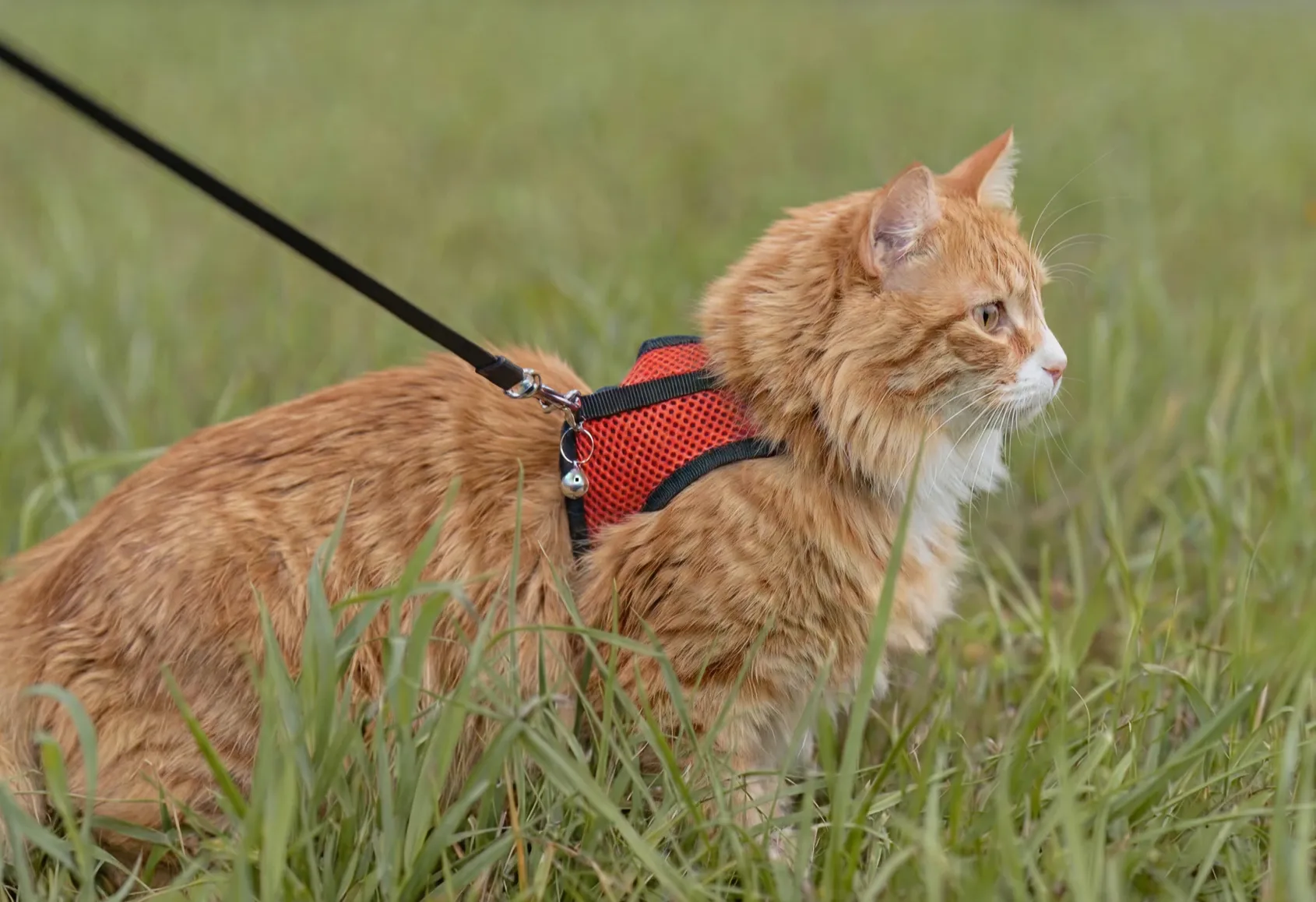
- Outdoor enclosures (catios) or leash walking for safe outdoor time
Characteristics
Temperament with Kids
Aggressive
Friendly
Playfulness
Silent
Very Playful
Friendliness
Not Friendly
Super Friendly
Shedding amount
Negligible
Frequent
Compatibility with other cats
Not Friendly
Super Friendly
Prey Drive
Low
High
Need for attention
Independent
Very Needy
Monthly Expenses


European Shorthair Price
Cost of buying
₹ 20,000 - ₹ 40,000
Since it is not widely available outside Europe, the price can be higher in some areas. The price is likely to be between ₹20,000 and ₹40,000.
Similar Breeds to the European Shorthair
Shop or Adopt a European Shorthair: Choice is Yours!
Responsible shopping will make sure that ethical breeding is taking place, while adopting a European Shorthair will give a loving home to a cat that needs it. Pick based on your ability to keep up with their gentle temperament, grooming needs, and lifespan.
Best Practices for Shopping or Adopting a European Shorthair
- Select a good breeder or adoption centre.
- Get health screenings for heart disease and dental problems.
- Observe temperament and socialization levels.
- Vaccination, deworming and medical history should be checked.
- Offer a quiet, reasonably comfortable indoor environment.
- Prevent obesity by maintaining a balanced diet.
- They need to be groomed regularly to manage their dense coat.
- Always ensure you keep routine vet visits as a commitment to lifelong care.
Nutrition Care for the European Shorthair
Monthly Food Expenses
₹ 1,500 - ₹ 2,000
Calories per day
Kittens: 300 kcal
Adults: 250 kcal
Essential Nutrients
Protein
Fats
Carbohydrates
Vitamins
Minerals
Fiber
List of foods
Dry kibble
Wet canned food
Chicken (cooked or raw)
Turkey
Lamb
Salmon
Tuna
- They require high quality protein for the maintenance of muscle.
- Healthy fats support energy levels and a shiny coat.
- Immunity and joint health are strengthened with the help of essential nutrients.
- Taurine is important for heart and vision health.
- Wet food helps in hydration and urinary tract health.
- It is best to avoid low quality foods to prevent obesity and digestion problems.
- A balanced diet of wet food, lean meats and supplements is vital for overall well being.
Feeding Guidelines for European Shorthairs
Kittens (Up to 12 Months): Give your pet 3–4 small meals each day. Pick kitten food that is high in protein and contains calcium and DHA for your pet’s growth.
Adults (1–7 Years): Give your pet two meals every day. Choose a food that has real meat listed as the main ingredient. Don’t give your pet too much food to prevent it from becoming obese.
Seniors (7+ Years): Give your senior cat food that is easy for them to digest. Make sure to add glucosamine and omega-3 fatty acids to your pet’s diet. Keep an eye on both the weight and kidney function of your cat.
Breakdown of Macro-nutrients
Best Foods for European Shorthairs
Ideal food options include:
- Royal Canin Indoor Adult – Made for cats that prefer to stay indoors and don’t move around a lot. It aids digestion, decreases hairballs, and assists in controlling your pet’s weight.
- Wellness CORE Grain-Free – Contains a lot of protein and no artificial additives. This helps maintain a healthy and lean body.
- Hill’s Science Diet Adult 7+ – Made specifically for cats that are older. Helps keep the kidneys and heart healthy, as it is easy for the body to digest.
- Instinct Raw Boost Mixers – Provides extra protein and different options for meals. Gives kibble a better taste and makes it more nutritious.
- Wet food options – Give your pet Tiki Cat or Fancy Feast to help them stay hydrated. Wet foods help support the health of your pet’s urinary tract and prevent dehydration.
Foods to Avoid for European Shorthairs
Avoid anything with these ingredients
Onions and Garlic
Caffeine
Chocolate
Alcohol
Bones
Raw Eggs
Dairy (in some cases)
Grapes and Raisins
Xylitol
Avoid feeding your cat:
- High-carb, grain-heavy dry food – May result in gaining weight. Pick formulas that are high in protein and low in carbs to support their lean muscle.
- Foods with artificial colours or preservatives – They may cause allergic reactions. Additive-free foods are safer and easier for their body to process.
- Low-quality meat by-products – They are not rich in the nutrients the body needs. Always opt for named meat sources like chicken or fish.
- Human food – Especially chocolate, onions, grapes, and garlic. Stay away from these, as they are harmful.
- Frequent diet changes – May cause problems with digestion. Make the switch to new foods slowly, taking about 7–10 days.


Healthcare Guide for the European Shorthair Cat
Avg Monthly Expenses
₹ 500 - ₹ 700
Common Health Issues
Upper Respiratory Infections
Dental Problems
Obesity
Kidney Disease
Eye Problems
Skin Allergies
Bladder Stones
Feline Immunodeficiency Virus (FIV)
Activities
Chasing Objects
Play with Toys
Exploring
Climbing
Scratching
Energy Level
Medium
Exercise routine
30 - 60 minutes
Recognising Stress
Hiding
Increased vocalization
Decreased appetite
Overgrooming
Changes in litter box behavior
Common Health Problems of European Shorthairs
- Hypertrophic Cardiomyopathy (HCM) – Heart problems are common in a variety of breeds. Frequent visits to the vet and heart screenings can assist in detecting it early.
- Obesity – This is especially common in cats that spend most of their time indoors. A healthy weight is maintained by eating well and playing every day.
- Dental issues – If not looked after properly, it can turn into gingivitis. Caring for your pet’s teeth through brushing and dental treats can help keep their mouth healthier.
- Occasional hip dysplasia – Get your pet checked by a vet once a year and twice a year for senior pets. If health issues are found early, they can be treated more quickly and with better results.
General Healthcare Tips for European Shorthairs
- Get your pet checked by a vet once a year and twice a year for senior pets. If health issues are found early, they can be treated more quickly and with better results.
- Keep up with the regular vaccinations for your pet. It guards your cat against common viruses and diseases.
- Clean your pet’s teeth by brushing them 2–3 times a week or use dental treats. Proper dental care every six months can help avoid tartar and gum problems.
- Keep weight in check through portion control and play. Having obesity can result in joint pain, diabetes, and less movement.
- Be sure to give your outdoor cats medication to prevent parasites. Taking flea, tick, and worm preventatives each month protects your pet from discomfort.
Vaccination details
Growth Stage
Core Vaccines
8-10 Weeks
FVRCP (feline rhinotracheitis, calicivirus, panleukopenia)
12-14 Weeks
Second dose of FVRCP
16-18 Weeks
Rabies
20-22 Weeks
Second dose of rabies
Anually
Boosters for FVRCP and rabies
Grooming Routine for the European Shorthair
Avg Monthly Expenses
₹ 800 - ₹ 1,500
Shedding Level
Low Shedding
Hygienic Checklist
Feeding
Worming (if needed)
Nail Trimming
Fur trimming
Ear cleaning
Benefits of Grooming
Cleanliness
Low Shedding
Prevents Bad Breath
Odourless
Prevents infections
Quality of life
European Shorthairs are low-maintenance in grooming:
- Brush weekly to reduce shedding and remove loose hair.
- Increase brushing to 2–3 times a week during spring and fall shedding seasons.
- Trim nails every 2–3 weeks.
- Clean ears gently once a month.
- No regular bathing needed unless dirty or recommended by a vet.


Written by
Happy Pet TeamAuthor
Team Happy Pet is a passionate collective of pet experts, enthusiasts, and advocates dedicated to sharing trusted and insightful content.
Our cont
Compare with similar breeds
Frequently Asked Questions
Are European Shorthairs good with children and pets?
Yes, they’re friendly, adaptable, and generally do well in families.
Do they need frequent grooming?
No, their coat is low-maintenance. Weekly brushing is usually enough.
Are they healthy cats?
Yes, they’re among the healthiest cat breeds, with few genetic disorders.
Can they go outdoors?
Yes, they enjoy the outdoors but should be in safe, enclosed spaces.