Home
/
Cat Breeds
/
Highlander
Highlander
Origin
United States
Size
Large Breed
Ideal Space
Apartment
Ideal Weather
15º-25ºC
Life Expectancy
12-15 years
Cost of buying
₹ 80,000 - ₹ 2,00,000
Top 5 Traits
Playful
Friendly
Curious
Affectionate
Active
Avg Monthly Expenses
₹ 2,800 - ₹ 4,200

by Happy Pet TeamUpdated on 17 Aug 2025
Meet the Highlander Cat: A Wild Look with a Gentle Heart
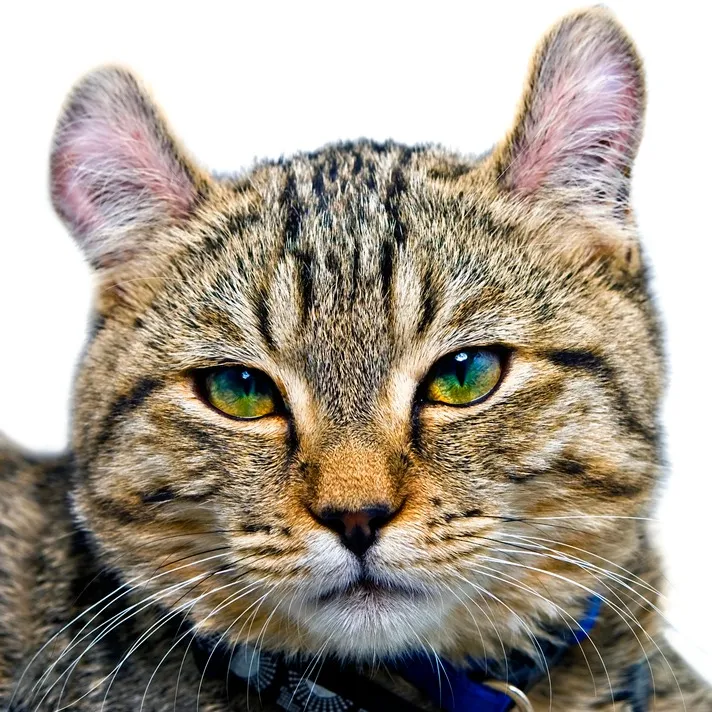
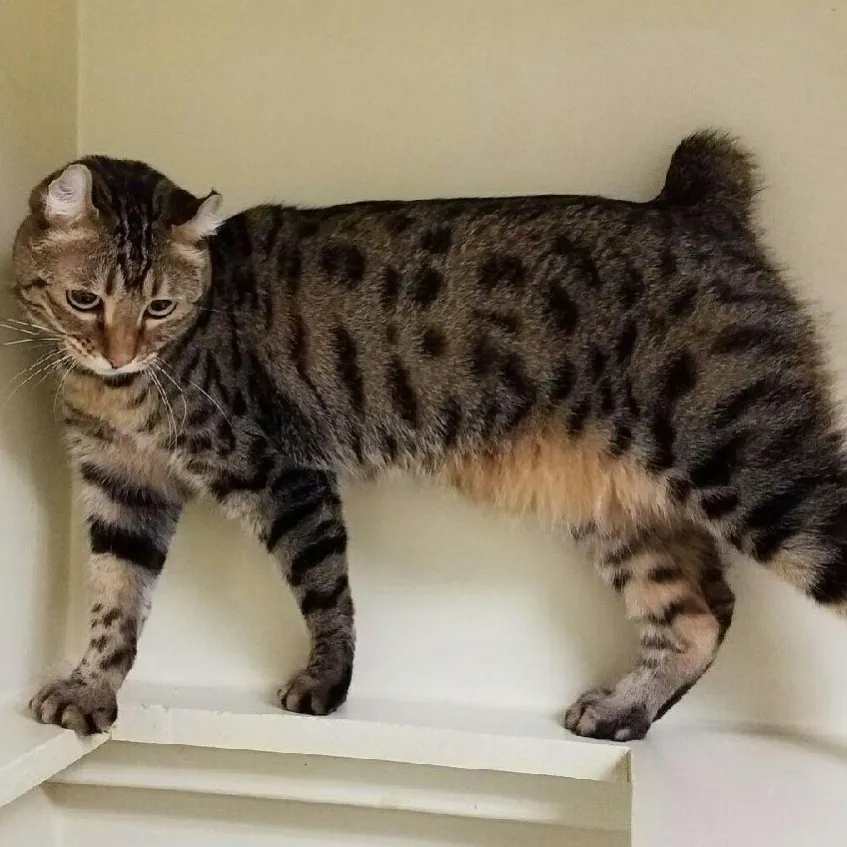
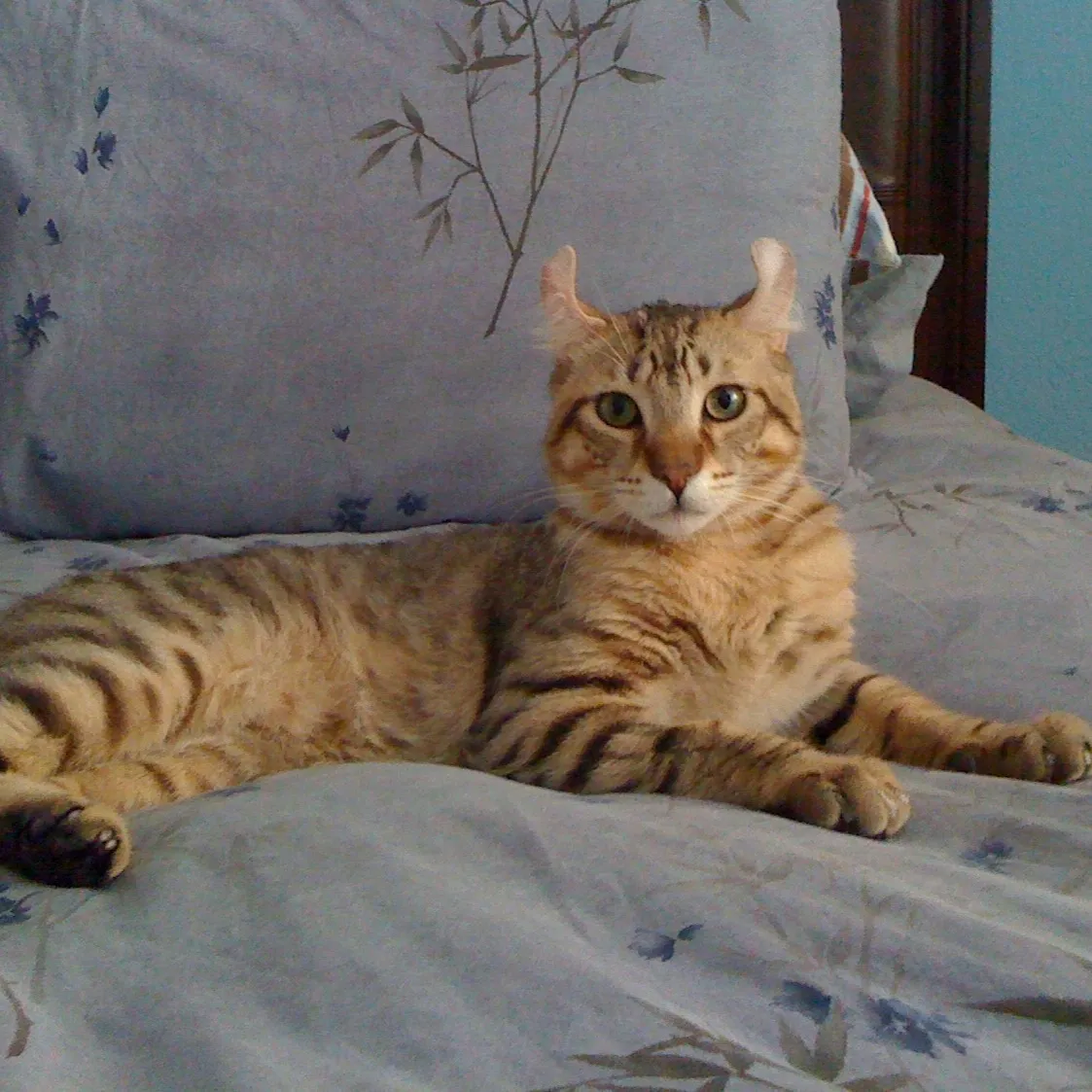
If you’ve ever wanted a cat that looks like it walked straight out of the jungle but behaves like a cuddly companion, the Highlander cat might be the one. This rare breed came into existence in the early 2000s in the U.S., when breeders mixed the Desert Lynx and the Jungle Curl to get a domestic cat with wild looks and a family-friendly personality. As Petfinder explains, the Highlander quickly stood out for its curled ears, bobbed tail, and muscular build.
In India, where exotic and unusual cat breeds are slowly catching attention, the Highlander is still extremely rare. But for families looking for something truly unique, it’s a breed that promises both beauty and companionship.
Personality That Breaks Stereotypes
At first glance, the Highlander might seem intimidating with its lynx-like body and short tail. But spend just five minutes with one, and you’ll realize they’re absolute clowns at heart. According to Omlet, these cats are endlessly playful, often chasing toys, fetching balls, or even showing off silly antics just to make you laugh.
Here’s what makes them special:
- They’re people cats – happiest when following you from room to room.
- Their energy is contagious – they need daily playtime to burn it off.
- They’re social butterflies – good with kids, dogs, and other cats.
- They’re curious explorers – always testing out new corners of the house or climbing up to higher perches.
As CatTime puts it, the Highlander has “the look of a wildcat but the heart of a lap cat.” And that’s exactly why families who adopt them end up smitten.
Health and Lifespan
Highlanders are sturdy, healthy cats with an average lifespan of 10–15 years, according to The International Cat Association (TICA).
Characteristics
Temperament with Kids
Aggressive
Friendly
Playfulness
Silent
Very Playful
Friendliness
Not Friendly
Super Friendly
Shedding amount
Negligible
Frequent
Compatibility with other cats
Not Friendly
Super Friendly
Prey Drive
Low
High
Need for attention
Independent
Very Needy
Monthly Expenses


Lifespan & Price of the Highlander Cat in India
Cost of buying
₹ 80,000 - ₹ 2,00,000
Lifespan: The Highlander is generally a healthy, robust breed with a lifespan of 10–15 years when given proper nutrition, regular veterinary care, and plenty of exercise.
Price: In India, however, the Highlander cat is incredibly rare. Most cats are brought in through international breeders or specialized catteries. The price typically ranges from ₹80,000–₹2,00,000, depending on pedigree, ear curl quality, coat pattern, and breeder reputation.
Exercise and Enrichment
If you’re picturing the Highlander as just a pretty cat lounging around—think again! These cats are powerhouses of energy. They need plenty of physical and mental stimulation to stay happy, especially in Indian homes where indoor living is the norm.
- Playtime: A Highlander thrives on active play. Daily sessions of 30–40 minutes with feather wands, laser toys, or fetch (yes, they can learn fetch!) are great ways to burn off their energy.
- Climbing & Jumping: Highlanders love vertical spaces. In an Indian apartment, a tall cat tree or wall-mounted shelves will do wonders. Just ensure platforms are sturdy to support their muscular bodies.
- Training: Intelligent and eager to please, they can be clicker-trained to follow cues, walk on a harness, or even enjoy obstacle courses. It’s a fun way to bond and keep them sharp.
- Enrichment: Puzzle feeders, window perches, and bird-watching spots will keep them busy. In hotter Indian states, placing their play zone near a cooler or fan helps them stay active without overheating.
Buying or Adopting a Highlander Cat in India
Bringing a Highlander into your home in India isn’t as simple as visiting your local breeder. This cat is a rare sight in the country, and most Highlanders are either imported or found through very select international contacts. That makes doing your homework even more important before you commit.
- Finding the Right Source: Start with breeders who are transparent about lineage, health testing, and vaccination records. If you’re dealing with an importer, ask for all documentation and avoid anyone who sells cats as “rare exotics” without proof. Responsible breeders may even interview you to make sure their kitten is going to the right home.
- The Adoption Angle: While purebred Highlanders are almost never up for adoption in India, it’s not impossible to find mixes with their signature curled ears or bobtails in shelters. Keeping an eye on adoption groups or rescue networks can sometimes lead to happy surprises.
- Home Prep 101: Think beyond just food and a litter box. Highlanders are athletic cats who need vertical climbing spaces, scratching posts, and interactive toys. With India’s climate, prepare for extremes—cool shaded corners or AC access in the summer, and warm bedding or pet sweaters in northern winters.
- Family & Socialization: Highlanders thrive in homes where they are included in the action. Early socialization with children, guests, and other pets helps bring out their confident, playful personality.
- Daily Care Routine: These cats are high-energy and smart, which means they need more than just cuddles. Regular vet visits, puzzle feeders, and scheduled play sessions keep them physically fit and mentally sharp.
Owning a Highlander in India is not just about affording the price tag—it’s about creating a safe, stimulating, and climate-adapted environment where this striking, active breed can thrive.
Nutrition Care for the Highlander Cat
Monthly Food Expenses
₹ 1,500 - ₹ 2,000
Calories per day
Kittens: 300 kcal
Adults: 400 kcal
Essential Nutrients
Protein
Fats
Carbohydrates
Vitamins
Minerals
Amino Acids (Taurine, Arginine, etc.)
Essential Fatty Acids
Fiber
List of foods
Dry kibble
Turkey
Lamb
Chicken (cooked or raw)
Beef (in moderation)
Salmon
Eggs (cooked)
Wet canned food
The Highlander cat may look like it belongs in the wild, but its diet is all about balance and good-quality ingredients. With their athletic build and high energy levels, Highlanders need food that fuels their playful lifestyle while keeping them lean and healthy. In India, where many cat parents still rely on commercial kibble, it’s important to make mindful choices that match this breed’s active nature.
Protein First, Always
For a Highlander, protein isn’t just food—it’s fuel. Their muscular frame thrives on animal-based proteins like chicken, fish, turkey, and lamb. According to Petfinder, cats with such energetic temperaments need taurine-rich diets to support strong hearts, sharp vision, and overall vitality. In the Indian market, look for premium brands that list real meat as the first ingredient, or supplement with lightly cooked chicken or fish at home.
Healthy Fats for a Glossy Coat
While the Highlander doesn’t face the same skin sensitivity issues as hairless breeds, a shiny coat and supple skin still depend on healthy fats. Omega-3 and Omega-6 fatty acids from fish oil, flaxseed oil, or even a vet-approved drizzle of ghee can go a long way. As International Cat Care highlights, fatty acids are crucial for skin health and immunity—especially helpful in India’s dry winters or humid summers.
Carbs: Keep Them Light
Highlanders are natural athletes, but too many fillers like corn, soy, or wheat can weigh them down and cause digestive discomfort. Grain-free or limited-ingredient foods are a smarter choice. Thankfully, platforms like Heads Up For Tails and Supertails now stock several Indian and international grain-free options that suit energetic breeds.
Feeding Guidelines by Life Stage
- Kittens: Need high-protein kitten food 3–4 times a day to fuel growth and endless play.
- Adults: Two balanced meals with a mix of wet and dry food keep energy steady and hydration levels up.
- Seniors: Controlled calories plus joint support (glucosamine and chondroitin) help with mobility as they age.
Breakdown of Macro-nutrients
Choosing the Right Food for a Highlander Cat
Go for Meat-First, Premium Diets
According to The Spruce Pets, diets where real meat comes first keep muscular cats like the Highlander fit and energized.
Skip the Junk
Artificial preservatives, fillers like wheat and soy, or low-grade by-products can lead to digestive issues. As HolistaPet warns, sensitive breeds benefit most from clean, additive-free food.
Nutrients to Look Out For
- Omega-3 & 6 fatty acids – support coat and skin health
- Vitamin E & Biotin – aid tissue repair
- Zinc – helps immunity and prevents minor skin irritation
This is especially relevant for Indian homes, where changing weather can sometimes stress a cat’s system.
Wet Food Matters
Hydration is just as important as nutrition. Biter Bite notes that moisture-rich meals mimic a cat’s natural diet and support urinary health. Highlanders should ideally get a good share of wet food daily—especially in India’s hotter states where dehydration is common.
Dry food, on the other hand, can still play a role, provided it’s protein-heavy and grain-free. For variety, you can safely add boiled chicken, fish, or homemade toppers (vet-approved). Just avoid raw fish or meat unless freeze-dried, since bacterial infections can be risky in Indian climates.
Never feed these foods to Highlander
Avoid anything with these ingredients
Onions and Garlic
Caffeine
Chocolate
Bones
Alcohol
Raw Eggs
Dairy (in some cases)
Grapes and Raisins
No matter how adventurous your Highlander’s appetite, some foods are strictly off-limits:
- Toxic foods: onions, garlic, grapes, raisins, chocolate, caffeine, alcohol
- Raw fish: can destroy Vitamin B1 (thiamine), causing neurological issues
- Cooked bones: risk splintering and harming the digestive tract
- Dairy: most cats in India, including Highlanders, are lactose intolerant
The safest choice? Consult your vet for a breed-appropriate diet plan, especially since Highlanders are rare in India and may need tailored nutrition.


Health
Avg Monthly Expenses
₹ 500 - ₹ 700
Common Health Issues
Hypertrophic Cardiomyopathy (HCM)
Hyperthyroidism
Dental Problems
Obesity
Urinary Tract Infections (UTI)
Skin Allergies
Hairballs
Gastrointestinal Issues
Activities
Play with Toys
Chasing Objects
Exploring
Climbing
Interactive Playtime
Energy Level
High
Exercise routine
30 - 60 minutes
Recognising Stress
Hiding
Increased vocalization
Changes in litter box behavior
Decreased appetite
Overgrooming
Medical Care
Don’t let the Highlander’s wildcat looks fool you—this breed is still a house cat at heart and depends on consistent care to stay healthy. In India, where summers can be scorching and winters vary drastically across regions, tailoring their healthcare routine to the climate is just as important as regular vet visits.
Like all cats, Highlanders thrive when they see the vet at least once a year. These visits aren’t just about vaccines but also about keeping an eye on their strong joints, heart health, and dental condition. Because they’re large and athletic, any early signs of hip strain or arthritis can slip under the radar unless a vet checks.
Vaccinations are non-negotiable. Core shots—like rabies, panleukopenia, calicivirus, and rhinotracheitis—keep them safe. If your cat is allowed supervised outdoor time or lives with other pets, your vet may also recommend the feline leukemia vaccine. Parasite protection matters too, especially in India’s humid states where fleas and ticks can be a year-round nuisance. Even indoor cats aren’t fully safe, since parasites can hitchhike indoors on humans or other pets.
Health Quirks to Watch Out For
Highlanders are generally robust, but they do have a few quirks worth noting:
- Their curled ears look striking but need gentle, regular cleaning to avoid infections.
- Their love for food means weight gain is a real risk, and obesity can strain their joints.
- Dental care often gets overlooked in Indian households, but without brushing, tartar buildup and gum disease creep in fast.
- Like other big cats, some may face hip or joint concerns as they age.
Day-to-Day Care at Home
Keeping a Highlander comfortable in India comes down to a mix of good habits and climate-friendly adjustments. Weekly brushing will help manage shedding during hot months. For their teeth, a quick brush with feline-safe toothpaste a few times a week saves you big vet bills later. And don’t be fooled by their wild appearance—these cats are playful and need mental stimulation. Scratching posts, climbing shelves, or even puzzle feeders work beautifully for apartment setups in cities like Bengaluru or Pune.
India’s weather can be tricky for them. In the summer, make sure they stay cool with fans or AC during peak heat, while in colder places like Shimla or Delhi winters, give them cozy blankets and warm sleeping spots.
Caring for Senior Highlanders
When your Highlander starts slowing down, their care routine needs tweaking. Semi-annual vet check-ups become essential to monitor arthritis, kidney health, and dental issues. Switching to a senior diet enriched with joint-supporting nutrients like glucosamine and omega-3s can make a world of difference. Luckily, many Indian pet brands now stock senior-friendly formulas. Around the home, ramps or step stools help them climb comfortably, and softer bedding keeps their joints cushioned.
No matter their age, what Highlanders want most is a balance of care and companionship. With attentive vet visits, mindful grooming, and a few climate-conscious adjustments, your Highlander can enjoy a long, healthy life right here in India.
Vaccination details
Growth Stage
Core Vaccines
6-8 Weeks
Feline Viral Rhinotracheitis (FVR), Calicivirus (FCV), Panleukopenia (FPV) (FVRCP).
10-12 Weeks
FVRCP 2nd dose, Rabies.
14-16 Weeks
FVRCP 3rd dose, Rabies.
Adult Weeks
FVRCP, Rabies.
Annually
FVRCP, Rabies.
Grooming the Highlander Cat
Avg Monthly Expenses
₹ 800 - ₹ 1,500
Shedding Level
Moderate Shedding
Hygienic Checklist
Grooming (for some breeds)
Nail Trimming
Litter Box
Health Observation
Teeth care
Bathing
Benefits of Grooming
Cleanliness
Low Shedding
Odourless
Prevents Bad Breath
Prevents infections
Quality of life
Highlanders may look wild and rugged, but when it comes to grooming, they’re surprisingly easy-going. Their short to medium coats don’t demand much upkeep, but a little regular care keeps them comfortable—especially in India’s varied climate.
A weekly brushing session is usually enough to keep shedding under control and their coat glossy. This also reduces hairballs, something the Cornell Feline Health Center notes is a common issue in cats with dense coats. In hotter states like Maharashtra or Tamil Nadu, regular brushing also helps them shed extra hair more comfortably. Meanwhile, in colder northern regions like Delhi, brushing stimulates natural oils to prevent flaky, dry skin during winter.
Bathing doesn’t need to be frequent—every couple of months works unless they’ve rolled in something messy. Cats are generally good at self-cleaning, as the ASPCA highlights, but India’s climate can change the rules a bit. In humid regions like Mumbai, Goa, or Kerala, it’s crucial to dry them thoroughly after a bath to prevent fungal skin issues. On the flip side, in chilly winters up north, you can skip baths more often and stick to brushing or a gentle wipe-down with a damp cloth.
Those signature curled ears need a little extra attention. Earwax and dust can build up quickly, so a gentle clean every couple of weeks with a vet-approved solution is enough. The International Cat Care recommends introducing ear cleaning early so cats get used to it without stress. Nail trims are another must—every 2–3 weeks—especially in Indian homes with marble or tiled floors where claws don’t wear down naturally.
Dental health is just as important. According to PetMD, most cats develop dental disease by age three if oral care is neglected. Brushing a few times a week with feline toothpaste or giving dental treats helps prevent plaque buildup. This is extra useful during the monsoon season, when damp weather can worsen gum sensitivity.
The best part? Highlanders usually enjoy grooming if you start young. Treat brushing or ear-cleaning as a bonding ritual, maybe after playtime. In busy Indian metro apartments, grooming becomes more than just upkeep—it’s a calming way to slow down and spend quality time with your wild-looking, playful cat.
Similar Breeds to the Highlander Cat


Written by
Happy Pet TeamAuthor
Team Happy Pet is a passionate collective of pet experts, enthusiasts, and advocates dedicated to sharing trusted and insightful content.
Our cont
Frequently Asked Questions
Are Highlander cats vocal?
Highlanders can be quite vocal, especially when they want attention or are interacting with their owners. They are known for their expressive and communicative nature.
What makes the Highlander breed unique?
The Highlander is known for its distinctive physical appearance, including tufted ears, a strong muscular build, and a wild look. Combined with their playful and affectionate personality, these traits make them a unique and appealing breed.
Do Highlander cats have any specific health concerns?
While generally healthy, Highlanders can be prone to certain health issues like obesity, dental problems, and hypertrophic cardiomyopathy (HCM). Regular veterinary check-ups are recommended.