Home
/
Cat Breeds
/
Japanese Bobtail
Japanese Bobtail
Origin
Japan
Size
Medium Breed
Ideal Space
Apartment
Ideal Weather
15º-25ºC
Life Expectancy
9-15 years
Cost of buying
₹ 70,000 - ₹ 1,10,000
Top 5 Traits
Playful
Friendly
Affectionate
Gentle
Independent
Avg Monthly Expenses
₹ 2,800 - ₹ 4,200

by Happy Pet TeamUpdated on 3 Sept 2025
All You Need to Know About The Japanese Bobtail
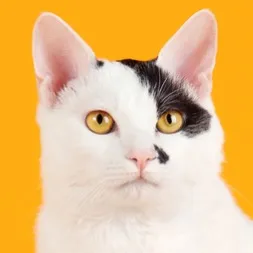
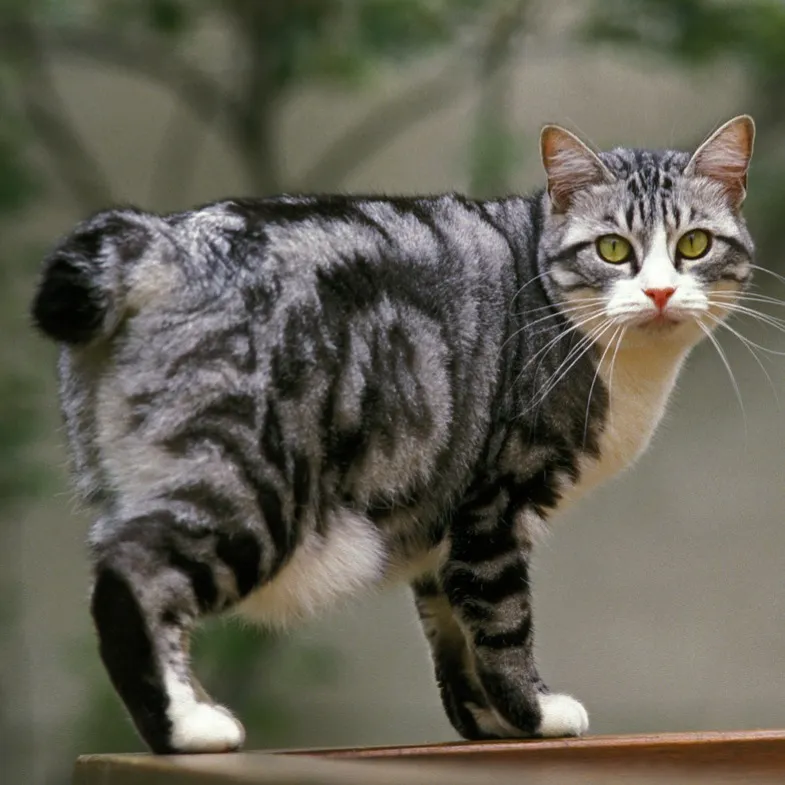
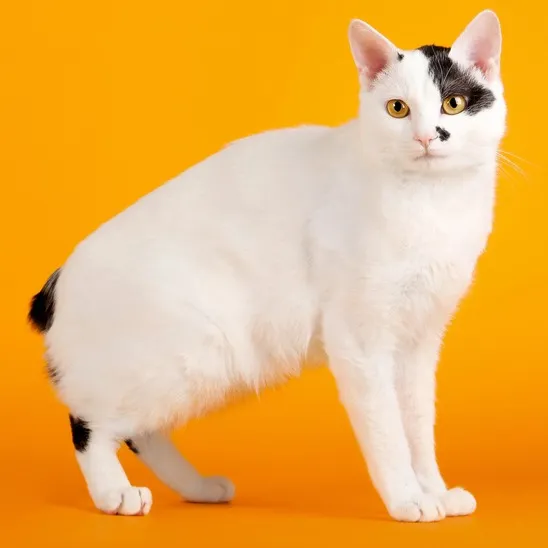
The Japanese Bobtail is a charming, medium-sized cat breed, easily recognized by its unique bobbed tail that resembles a rabbit's pom-pom. Renowned in Japanese folklore and art for centuries, this breed has long been associated with good luck and prosperity, according to Wikipedia.
Emerging naturally in Japan, the bobtail trait originated from a dominant genetic mutation tied to the HES7 gene, without causing the health issues seen in Manx cats. The breed’s presence in Japan dates back over a thousand years and was historically revered, appearing in ukiyo-e prints and considered a symbol of fortune (e.g., the maneki-neko). According to The Spruce Pets, it gained recognition in the West when first imported in 1968, achieving CFA championship status for the shorthaired variety in 1976, and for the longhaired in 1993.
Temperament and Personality
Japanese Bobtails are intelligent, playful, and highly social, often described as “singers” for their chirpy, melodious vocalizations. They’re affectionate but not typically lap cats, though they love being close and will sleep beside you. Many enjoy playing fetch, carry toys in their mouths, and easily pick up tricks.
Lifespan
This is a long-lived, hardy breed that averages 9–15 years of good health, with some individuals reaching up to around 18 years.
Characteristics
Temperament with Kids
Aggressive
Friendly
Playfulness
Silent
Very Playful
Friendliness
Not Friendly
Super Friendly
Shedding amount
Negligible
Frequent
Compatibility with other cats
Not Friendly
Super Friendly
Prey Drive
Low
High
Need for attention
Independent
Very Needy
Monthly Expenses


Lifespan & Price of the Japanese Bobtail in India
Cost of buying
₹ 70,000 - ₹ 1,10,000
- Lifespan: Japanese Bobtails typically live 9–15 years, with many reaching 15–18 years with proper care, according to the Daily Paws.
- Price: In India, this rare breed is known to sell for roughly ₹70,000–₹110,000 depending on breeder, lineage, and availability
Exercise and Enrichment
Japanese Bobtails are active, social, and highly intelligent—enrichment is key to their happiness:
- Daily interactive play: They enjoy games like fetch and often carry toys in their mouths. Even gentle training is effective due to their clever and curious nature.
- Climbing structures and scratching posts: Provide vertical spaces like cat trees or wall shelves to satisfy their agility and adventurous tendencies.
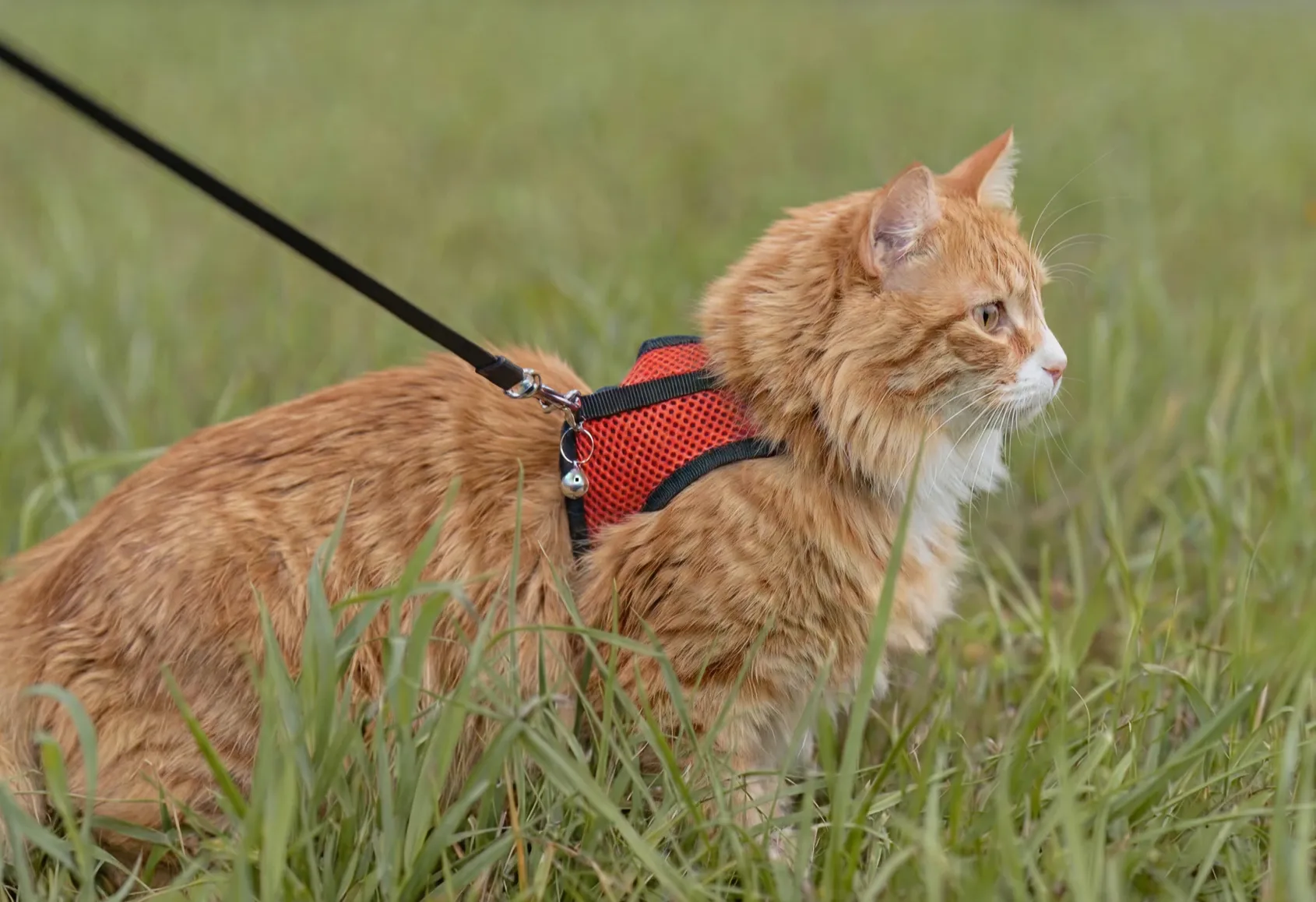
- Training opportunities: Japanese Bobtails are highly trainable, they can learn tricks, walk on a leash, and are adept at interactive activities like agility training.
- Environmental enrichment: Rotating toys, puzzle feeders, and varied play opportunities help maintain their mental and physical health, reducing behaviors driven by boredom.
Similar Breeds to the Japanese Bobtail
Shop or Adopt a Japanese Bobtail: The Choice is Yours
Bringing a Japanese Bobtail into your home is an exciting decision that requires careful planning. Here are some best practices to guide you:
- Choose reputable, ethical breeders who can provide proof of health screenings for hereditary issues like polycystic kidney disease (PKD) and spinal deformities, though the breed is generally considered healthy.
- If adopting, spend time interacting with the cat to ensure its personality—social, playful, and active—aligns with your household’s activity level.
- Assess socialization early—Japanese Bobtails thrive in environments where they’ve been well-handled from kittenhood and exposed to varied people, sounds, and experiences.
- Prepare your home with climbing trees, vertical shelves, scratching posts, and interactive puzzle toys to meet their agility and mental stimulation needs.
- Commit to lifelong care—including a balanced, protein-rich diet, regular grooming for coat maintenance, annual veterinary check-ups, and engaging play sessions to keep them physically fit and emotionally fulfilled.
Nutrition Care for the Japanese Bobtail
Monthly Food Expenses
₹ 1,500 - ₹ 2,000
Calories per day
Kittens: 250 kcal
Adults: 300 kcal
Essential Nutrients
Protein
Fats
Carbohydrates
Vitamins
Minerals
Amino Acids (Taurine, Arginine, etc.)
Essential Fatty Acids
Fiber
List of foods
Dry kibble
Wet canned food
Chicken (cooked or raw)
Turkey
Mackerel
Eggs (cooked)
Pumpkin
Plain yogurt (no added sugar)
Japanese Bobtails are agile, active, and playful cats; their diet should support their high energy levels and lean physique:
High-quality animal protein such as chicken, turkey, or fish is crucial for muscle tone, overall vitality, and to fuel their active lifestyle. These protein sources also provide taurine, an essential amino acid that supports heart, vision, and reproductive health, according to The Cat Fanciers’ Association (CFA).
Healthy fats, including omega-3 and omega-6 fatty acids, promote a glossy coat, support joint health, and provide concentrated energy.
A balanced supply of vitamins and minerals is necessary for overall well-being. While breed-specific nutritional data is limited, general feline dietary guidelines highlight the importance of vitamins A, D, E, B-complex, and minerals like calcium, magnesium, and phosphorus, according to PetMD.
Low to moderate carbohydrates are preferred as too many carbs can lead to weight gain and are less suitable for a carnivorous metabolism.
Feeding Guidelines
- Kittens: Feed a high-protein kitten formula (35–40% protein) in 3–4 small meals per day to support rapid growth, coordination, and playfulness.
- Adults: Offer a protein-rich diet (30%+ protein) split into two measured meals daily; supplement with small portions of cooked lean meats, and ensure hydration through wet food.
- Seniors: Adjust portions to match lower activity levels; prioritize easily digestible protein and monitor body condition to avoid obesity or muscle loss.
Hydration
Fresh, clean water should always be available. Japanese Bobtails are very active and benefit from extra hydration, according to The International Cat Association (TICA).
Including wet food in their diet helps maintain hydration, supporting urinary tract and kidney health. Mixing wet food into at least one daily meal is advisable.
Breakdown of Macro-nutrients
Selecting Good Quality Food For Japanese Bobtail Cats
Choose premium cat food with real meat, such as chicken, turkey, or fish, listed as the first ingredient. Avoid generic fillers, excessive grains, artificial additives, or plant-based proteins, which provide less nutritional benefit for obligate carnivores, according to The Cat Fanciers’ Association (CFA).
Avoid overfeeding or free-feeding to prevent obesity, as Japanese Bobtails, while active, can gain weight if given unlimited access to calorie-dense food.
For variety and nutritional enrichment, supplement dry kibble with cooked lean meats (e.g., chicken breast or fish) or high-quality wet food, ensuring the overall diet remains balanced in protein, fats, vitamins, and minerals.
Never feed these foods to Japanese Bobtail Cats
Avoid anything with these ingredients
Grapes and Raisins
Xylitol
High Salt Foods
Onions and Garlic
Caffeine
Chocolate
Alcohol
Bones
Raw Eggs
While Japanese Bobtails are generally healthy and active, certain foods can pose serious health risks and should be strictly avoided:
- Onions, garlic, chives, and leeks – These contain compounds that can damage red blood cells, leading to anemia in cats, according to the ASPCA Animal Poison Control Center.
- Chocolate, coffee, and tea – All contain methylxanthines (theobromine and caffeine), which can cause vomiting, diarrhea, seizures, and even death in cats, per the Pet Poison Helpline.
- Alcohol and raw dough with yeast – Even small amounts can cause dangerous drops in blood sugar and body temperature, and yeast dough can expand in the stomach, according to the American Veterinary Medical Association (AVMA).
- Grapes and raisins – These can cause kidney failure in some cats, although the exact toxic compound remains unknown.
- Bones and raw fish – Cooked bones can splinter and cause internal injuries; raw fish may contain thiaminase, which destroys vitamin B1, leading to neurological problems.
- Dairy products – Many adult cats are lactose intolerant; milk and dairy can cause digestive upset.


Health Care Guide for Japanese Bobtail Cat
Avg Monthly Expenses
₹ 500 - ₹ 700
Common Health Issues
Upper Respiratory Infections
Dental Problems
Obesity
Hyperthyroidism
Feline Leukemia Virus (FeLV)
Skin Allergies
Urinary Tract Infections (UTI)
Gastrointestinal Issues
Activities
Play with Toys
Chasing Objects
Exploring
Climbing
Interactive Playtime
Energy Level
High
Exercise routine
30 - 60 minutes
Recognising Stress
Hiding
Increased vocalization
Decreased appetite
Overgrooming
Changes in litter box behavior
Common Health Concerns for the Japanese Bobtail
Japanese Bobtails are typically robust with few breed-specific issues, but it’s still important to be aware of potential risks:
- Generally Excellent Health: This breed is not widely predisposed to genetic health conditions and the bobtail mutation is not linked to spinal or bone abnormalities.
- Obesity: Despite their active nature, Japanese Bobtails can gain weight if overfed or under-stimulated. Monitor their diet and ensure regular exercise, according to the Spruce Pets.
- Urinary Tract and Dental Issues: Though not widely reported, cats may develop urinary crystals or dental problems; balanced nutrition and hygiene are preventive steps.
- Tail Injuries: Due to their unique bobbed tail structure, some cats may experience tail sensitivity or related joint discomfort—prompt veterinary attention for any abnormalities is advised.
Japanese Bobtail Cat Health Profile
Japanese Bobtails are generally healthy and resilient, but proactive medical care remains important:
- Routine Veterinary Check-ups: Schedule comprehensive examinations annually for adult cats and biannually for senior or chronically ill cats to monitor age-related changes and prevent issues, according to WebMD.
- Vaccinations: Ensure your cat is up-to-date with core vaccines—such as panleukopenia, calicivirus, rhinotracheitis, rabies, and FeLV—as recommended for all cats.
- Parasite Control: Maintain regular prevention against external parasites (fleas, ticks) and internal parasites (worms) as part of standard prophylactic care.
- Dental Examinations & Cleanings: Brush your cat’s teeth at least twice a week, and perform routine dental check-ups to help prevent periodontal disease.
General Healthcare Tips
- Annual Vet Exams: Early detection through regular examinations helps maintain long-term health.
- Home Dental Care: Brushing and dental dental treats are effective tools to support oral hygiene.
- Encourage Activity: Engage your Japanese Bobtail in daily play sessions with interactive toys to support fitness and mental stimulation.
- Vaccination & Parasite Adherence: Stick to recommended preventive schedules for maximum protection.
Senior Japanese Bobtail Care
As your Bobtail enters its golden years, consider adjustments to promote comfort and health:
- Veterinary Visits: Increase check-ups to twice per year to monitor for age-related health changes.
- Nutrition Adaptations: Transition to appropriate senior diets—still nourishing yet calorie-conscious—to manage weight and promote joint health.
- Mobility Support: Provide low-access litter boxes and ramped pathways to favorite spots to reduce strain.
- Hydration Focus: Encourage water intake using multiple clean water sources or fountains to support urinary health.
- Comfort Measures: Offer warm, quiet resting areas to accommodate stiffness or arthritis.
Vaccination details
Growth Stage
Core Vaccines
6-8 Weeks
FVRCP (Feline Viral Rhinotracheitis, Calicivirus, Panleukopenia).
10-12 Weeks
FVRCP (Booster).
14-16 Weeks
FVRCP (Booster), Rabies.
Annually
FVRCP, Rabies (as required by law).
Every 3 years
Rabies (if required by law)
Grooming Routine for the Japanese Bobtail
Avg Monthly Expenses
₹ 800 - ₹ 1,500
Shedding Level
Moderate Shedding
Hygienic Checklist
Grooming (for some breeds)
Health Observation
Nail Trimming
Play and Exercise
Ear cleaning
Teeth care
Benefits of Grooming
Cleanliness
Low Shedding
Prevents infections
Quality of life
Odourless
Japanese Bobtails come in either short or long coat varieties (both single-coated) that are easy to care for:
- Brushing: Brush once or twice a week to remove loose hair and maintain coat shine. Increase frequency during seasonal shedding (spring and fall) to control loose fur, according to Purebred Kitties.
- Bathing: Occasional bathing may be needed if the cat gets particularly dirty, but they generally stay clean.
- Nail trims, ear checks, and teeth brushing: Routine care—nail clipping, ear cleaning, and dental hygiene—are essential for their overall well-being.


Written by
Happy Pet TeamAuthor
Team Happy Pet is a passionate collective of pet experts, enthusiasts, and advocates dedicated to sharing trusted and insightful content.
Our cont
Compare with similar breeds
Frequently Asked Questions
Do Japanese Bobtails shed a lot?
Japanese Bobtails have moderate shedding. Regular grooming can help manage and reduce loose hairs around the home.
Are Japanese Bobtails easy to train?
Yes, Japanese Bobtails are intelligent and can be trained to follow basic commands and use a litter box. They enjoy interactive play and can learn tricks with patience and positive reinforcement.
What health issues are common in Japanese Bobtails?
Common health issues in Japanese Bobtails include dental problems, obesity, upper respiratory infections, gastrointestinal issues, urinary tract infections, skin allergies, hyperthyroidism, and Feline Leukemia Virus (FeLV).