Home
/
Cat Breeds
/
Korat Cat
Korat Cat
Origin
Thailand
Size
Medium Breed
Ideal Space
Apartment
Ideal Weather
20º-25ºC
Life Expectancy
15-20 years
Cost of buying
₹ 25,000 - ₹ 60,000
Top 5 Traits
Affectionate
Playful
Independent
Gentle
Curious
Avg Monthly Expenses
₹ 2,800 - ₹ 4,200

by Happy Pet TeamUpdated on 11 Jun 2025
Introduction to the Korat Cat
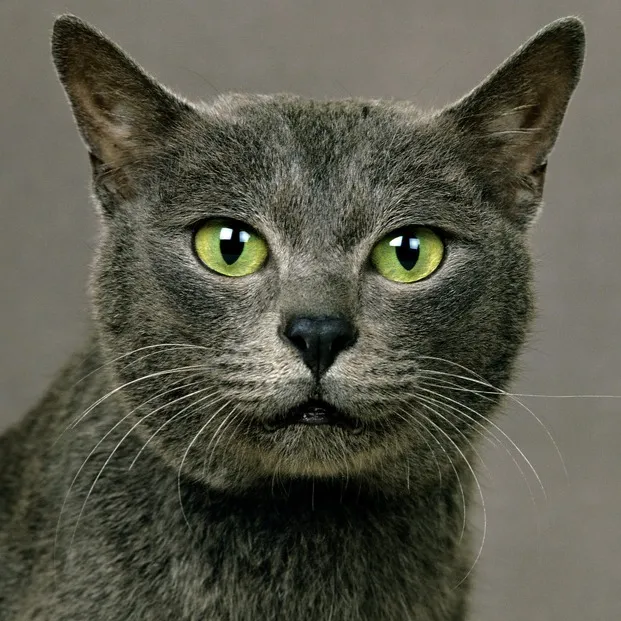
The Korat cat, otherwise called Si-Sawat, is a native Thai breed that has been around for over 600 years. Because they were thought to bring luck, cats of this breed were often offered to newlyweds or other special guests.
Korat cats were first mentioned in Thailand’s ancient Tamra Maeo (Book of Cat Poems), and in 1959, two Korats were brought to the United States for breeding. It was granted recognition in 1965 and in 1982 by FIFe.
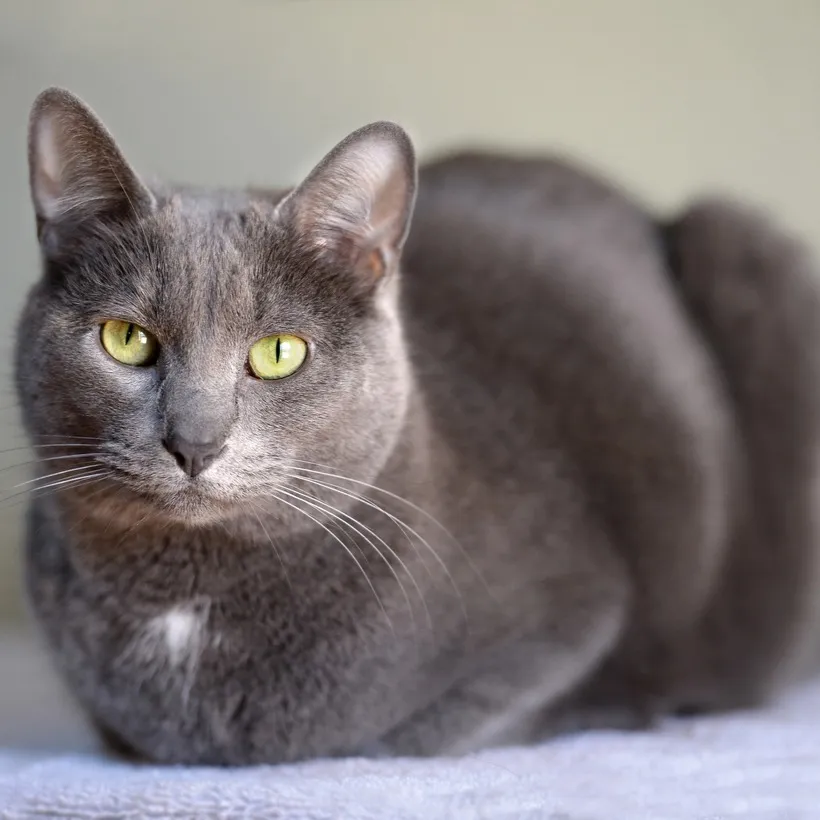
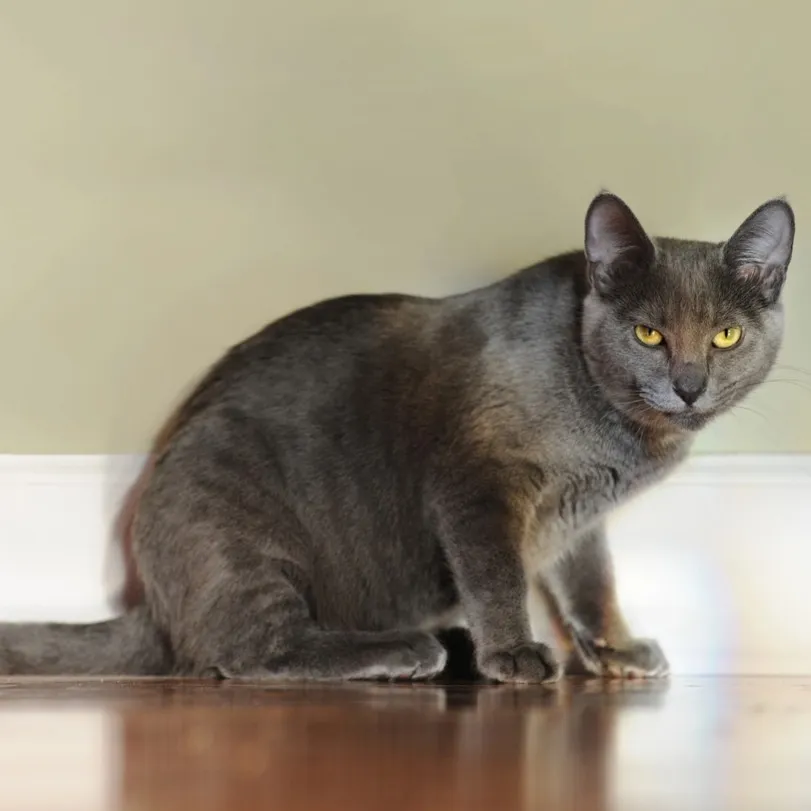
Since they have a heart-shaped face, bright emerald eyes, and a coat of silver-blue, Korats are seen as being both graceful and bright.
How Long Do Korats Live?
If cared for properly, Korats have a life span of about 15–20 years.
Korat Temperament and Personality
Korats are:
- Affectionate and loyal – They form close relationships with their humans.
- Intelligent and curious – They love playing with puzzles and other interactive games.
- Talkative – They make charming sounds and can ‘talk’ to their owners
- Sensitive and social – Do best when living peacefully with someone around daily
They are not recommended for busy homes or those who spend a lot of time alone.
Korat Exercise Needs
Korats are playful and curious cats who need stimulation:
- Provide 30–45 minutes of active play daily
- Use puzzle toys, cat trees, and climbing towers
- Include interactive toys and wand games
- Secure balconies or enclosures are ideal for safe outdoor time
They’re smart and love a good challenge!
Characteristics
Temperament with Kids
Aggressive
Friendly
Playfulness
Silent
Very Playful
Friendliness
Not Friendly
Super Friendly
Shedding amount
Negligible
Frequent
Compatibility with other cats
Not Friendly
Super Friendly
Prey Drive
Low
High
Need for attention
Independent
Very Needy
Monthly Expenses


Korat Cat Price Guide
Cost of buying
₹ 25,000 - ₹ 60,000
Since they are rare and exported with restrictions from Thailand, their price is higher.
You should expect to pay between ₹25,000 and ₹60,000 based on the breeder and the dog’s background.
Similar Breeds to the Korat
Shop or Adopt a Korat: Make the Right Choice!
Responsible shopping will make sure that ethical breeding is taking place while adopting a Korat will give a loving home to a cat that needs it. Pick based on your ability to keep up with their gentle temperament, grooming needs, and lifespan.
Best Practices for Shopping or Adopting a Korat
- Select a good breeder or adoption centre.
- Get health screenings for heart disease and dental problems.
- Observe temperament and socialization levels.
- Vaccination, deworming and medical history should be checked.
- Offer a quiet, reasonably comfortable indoor environment.
- Prevent obesity by maintaining a balanced diet.
- They need to be groomed regularly to manage their dense coat.
- Always ensure you keep routine vet visits as a commitment to lifelong care.
Nutrition Care for the Korat Cat
Monthly Food Expenses
₹ 1,500 - ₹ 2,000
Calories per day
Kittens: 300 kcal
Adults: 250 kcal
Essential Nutrients
Protein
Fats
Carbohydrates
Vitamins
Minerals
Amino Acids (Taurine, Arginine, etc.)
Essential Fatty Acids
Fiber
List of foods
Omega-3 fatty acids
Mackerel
Salmon
Tuna
Lamb
Dry kibble
Wet canned food
Chicken (cooked or raw)
Eggs (cooked)
Cat-specific multivitamins
- They require high quality protein for the maintenance of muscle.
- Healthy fats support energy levels and a shiny coat.
- Immunity and joint health are strengthened with the help of essential nutrients.
- Taurine is important for heart and vision health.
- Wet food helps in hydration and urinary tract health.
- It is best to avoid low quality foods to prevent obesity and digestion problems.
- A balanced diet of wet food, lean meats and supplements is vital for overall well being.
Feeding Guidelines for Korats
- Kittens (Up to 12 Months) – Eat three to four times a day. High-protein diets with DHA and taurine support the development of a kitten’s eyes and muscles.
- Adults (1–7 Years) –Offer your pet 2–3 meals every day. Your pet should get 30 calories for every pound of its weight, and mix both dry and wet food.
- Seniors (7+ Years) – Give your pet meals that include smaller amounts of digestible protein. Include joint supplements and omega fats in your pet’s meals, and make sure to keep an eye on their weight and organ health closely.
Breakdown of Macro-nutrients
Best Foods for Korat Cat
Choose foods that have:
- Chicken, salmon, and turkey are listed as the top ingredients. They contain amino acids needed for good muscle growth and general well-being.
- Moisture-rich wet food – Maintains proper hydration in the body. Particularly useful for cats who usually do not drink a lot of water.
- Taurine and omega fatty acids – To improve the shine of their coat and the health of their eyes. They are important for keeping the heart and brain healthy.
- Limited grains or grain-free formulas – Makes it easier for the body to digest. They help lower the chances of food sensitivities and stomach problems.
- Balanced mineral content – To help keep the urinary system healthy. It prevents the formation of crystals in the urinary tract and helps avoid infections.
Foods to Avoid for Korat Cat
Avoid anything with these ingredients
Onions and Garlic
High Salt Foods
Caffeine
High-Fat Foods
Moldy or Spoiled Food
Chocolate
Artificial Additives
Xylitol
- Artificial colours or preservatives – May cause their silver-blue coat to look dull. They may also cause allergies or problems with digestion.
- High-carb dry food – May result in obesity. Being active and muscular, Korats can suffer from joint pain if they gain too much weight.
- Fish-heavy diets – Overuse can lead to a shortage of thiamine. Rotate proteins to maintain balanced nutrition.
- Magnesium-rich foods may result in problems with urination. Choose formulas that have limited minerals to keep the bladder healthy.
- Sudden food changes – Korats are protective of their space and do not enjoy changes. Start feeding your pet a new diet gradually over a period of 7–10 days.


Healthcare for the Korat Cat
Avg Monthly Expenses
₹ 500 - ₹ 700
Common Health Issues
Heartworm Disease
Fleas and Ticks
Kidney Disease
Hyperthyroidism
Upper Respiratory Infections
Dental Problems
Obesity
Diabetes
Activities
Play with Toys
Chasing Objects
Exploring
Climbing
Social Interaction
Interactive Playtime
Energy Level
Medium
Exercise routine
30 - 60 minutes
Recognising Stress
Hiding
Increased vocalization
Decreased appetite
Overgrooming
Changes in litter box behavior
Common Health Problems of Korats
While generally healthy, they may face:
- Hypertrophic cardiomyopathy – Heart monitoring is recommended. With regular checkups and detection in the early stages, this genetic heart condition can be managed properly.
- Gangliosidosis GM1/GM2 – Genetic testing is necessary for breeders. Such disorders can harm the nervous system and are deadly if not detected in time.
- Corneal dystrophy or PRA – Eye checks should be done regularly. Regular eye exams make it easier to find and treat vision problems early.
- Dental problems – Brushing their teeth every week helps to prevent plaque. Since Korats are at risk for gingivitis and tartar, it is important to give them proper dental care.
- Obesity – Common due to their indoor, quiet nature. Eating in moderation and being active decrease the chances of gaining weight.
General Healthcare Tips for Korats
- Have your pet checked by a vet every 6–12 months. Having regular check-ups can help find heart, dental, or genetic problems at an early stage.
- Make sure to brush their teeth regularly. To avoid tartar and gum disease, always use toothpaste made for cats.
- Watch for any irritation in their eyes. Pay attention to any cloudiness, tears, or changes in your pet’s vision.
- Watching your pet’s weight is very important, as they can gain weight quickly. Give your pet measured meals and make sure they get enough exercise every day.
They are safest and live longer when kept inside. It helps avoid problems from diseases and accidents.
Vaccination details
Growth Stage
Core Vaccines
6-8 weeks
Feline Rhinotracheitis-Calici-Panleukopenia (FVRCP)
12-14 weeks
Feline Rhinotracheitis-Calici-Panleukopenia (FVRCP)
16-18 weeks
Rabies
Annually
Feline Rhinotracheitis-Calici-Panleukopenia (FVRCP), Rabies
Korat Grooming Routine
Avg Monthly Expenses
₹ 800 - ₹ 1,500
Shedding Level
Low Shedding
Hygienic Checklist
Feeding
Play and Exercise
Hydration
Litter Box
Health Observation
Teeth care
Bathing
Benefits of Grooming
Cleanliness
Low Shedding
Odourless
Quality of life
Prevents infections
Their short coat is very low maintenance:
- Brush once a week with a soft brush
- Bathe only if necessary – their coat repels dirt
- Clean ears monthly and trim nails every 3–4 weeks
- Brush teeth weekly or use vet-recommended dental treats


Written by
Happy Pet TeamAuthor
Team Happy Pet is a passionate collective of pet experts, enthusiasts, and advocates dedicated to sharing trusted and insightful content.
Our cont
Compare with similar breeds

Frequently Asked Questions
Are Korat cats hypoallergenic?
No, but their short coat produces fewer allergens than long-haired breeds.
How long does it take for their eyes to turn green?
Their eyes start changing from amber to vivid green between 2–4 years of age.
Can Korats be left alone?
They tolerate alone time but prefer companionship and daily interaction.
Are Korats good with kids or other pets?
They prefer calm, quiet homes. Best with adults or older children and may not get along with other dominant pets.