Home
/
Cat Breeds
/
Munchkin
Munchkin
Origin
United States
Size
Large Breed
Ideal Space
Apartment
Ideal Weather
20º-25ºC
Life Expectancy
12-15 years
Cost of buying
₹ 30,000 - ₹ 60,000
Top 5 Traits
Playful
Curious
Friendly
Affectionate
Independent
Avg Monthly Expenses
₹ 2,800 - ₹ 4,200

by Happy Pet TeamUpdated on 16 May 2025
Introduction to the Munchkin
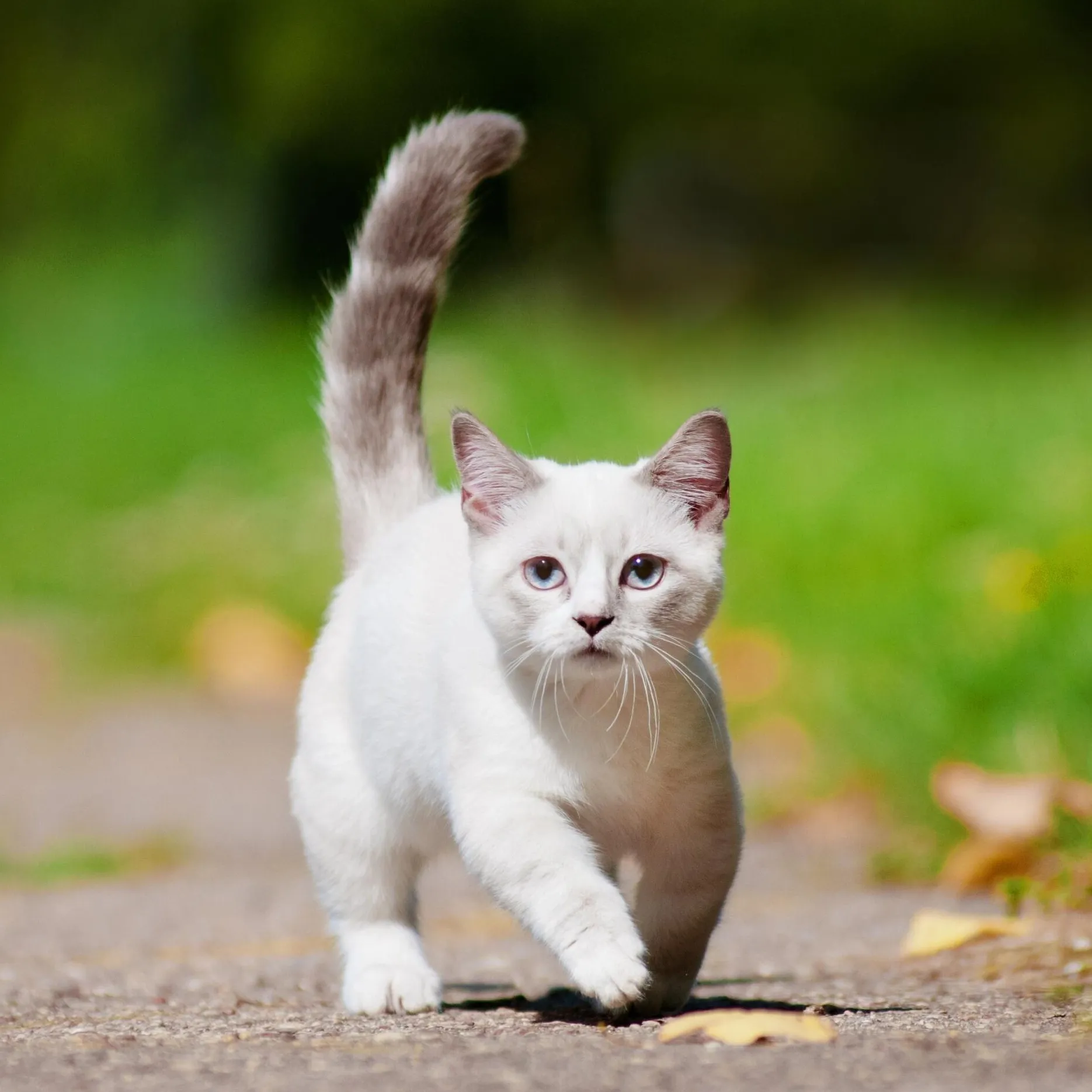
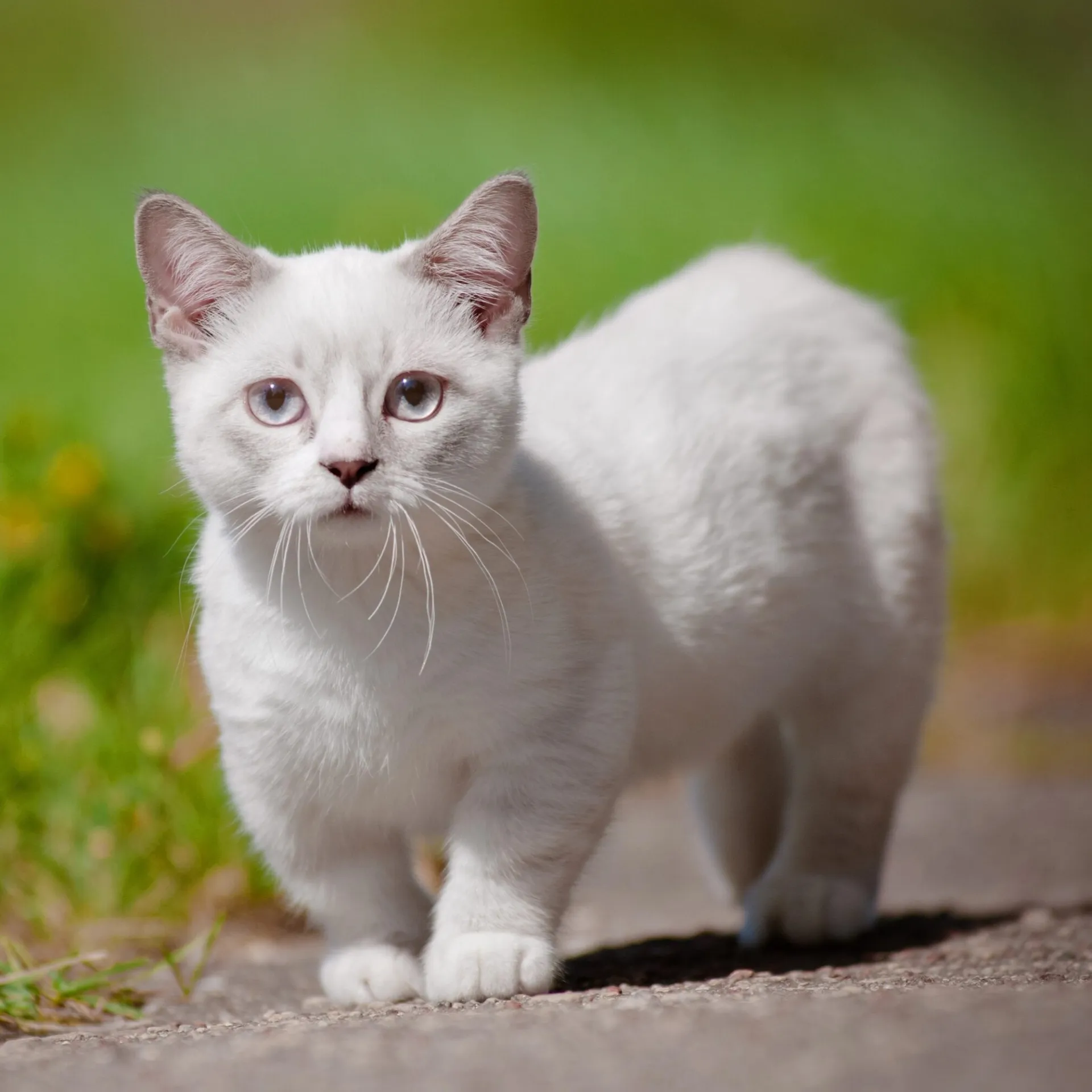
The Munchkin breed first appeared on the scene in the 1990s, but short-legged cats have been hinted at for decades. The breed’s name comes from the characters in The Wonderful Wizard of Oz.
The modern Munchkin descends from a pregnant stray cat called Blackberry found in Louisiana in 1983. Her short legs were passed down to many of her kittens, and selective breeding has brought us the Munchkin breed we know today.
Although TICA recognized the breed in 1997, it isn't recognized by some organizations like the Cat Fanciers' Association (CFA) because of health concerns associated with the breed.
How Long Do Munchkins Live?
Given proper care, Munchkins can live 12 – 15 years.
Munchkin Temperament and Personality
- Munchkin cats are well known for being playful and affectionate.
- Even with short legs, they are energetic and enjoy playing with toys.
- They are social cats that do well with kids and other pets.
Munchkin Exercise Needs
Munchkins are active little creatures with short legs and need daily exercise. Encourage movement with:
- Interactive toys – These keep them engaged and entertained.
- Climbing structures – Mobility is aided by ramps and modified cat trees.
- Play sessions – They can stay active through regular games of chase or fetch.
Characteristics
Temperament with Kids
Aggressive
Friendly
Playfulness
Silent
Very Playful
Friendliness
Not Friendly
Super Friendly
Shedding amount
Negligible
Frequent
Compatibility with other cats
Not Friendly
Super Friendly
Prey Drive
Low
High
Need for attention
Independent
Very Needy
Monthly Expenses


Munchkin Cat's Price In India
Cost of buying
₹ 30,000 - ₹ 60,000
Shop or Adopt a Munchkin: Choice is Yours!
Responsible shopping will make sure that ethical breeding is taking place while adopting a Munchkin will give a loving home to a cat that needs it. Pick based on your ability to keep up with their gentle temperament, grooming needs, and lifespan.
Best Practices for Shopping or Adopting a Munchkin
- Select a good breeder or adoption centre.
- Get health screenings for heart disease and dental problems.
- Observe temperament and socialization levels.
- Vaccination, deworming and medical history should be checked.
- Offer a quiet, reasonably comfortable indoor environment.
- Prevent obesity by maintaining a balanced diet.
- They need to be groomed regularly to manage their dense coats.
- Always ensure you keep routine vet visits as a commitment to lifelong care.
Nutrition Care for the Munchkin
Monthly Food Expenses
₹ 1,500 - ₹ 2,000
Calories per day
Kittens: 250 kcal
Adults: 200 kcal
Essential Nutrients
Protein
Fats
Carbohydrates
Vitamins
Minerals
Fiber
List of foods
Dry kibble
Wet canned food
Chicken (cooked or raw)
Turkey
Lamb
Tuna
Eggs (cooked)
Cottage cheese
- They require high quality protein for the maintenance of muscle.
- Healthy fats support energy levels and a shiny coat.
- Immunity and joint health are strengthened with the help of essential nutrients.
- Taurine is important for heart and vision health.
- Wet food helps in hydration and urinary tract health.
- It is best to avoid low quality foods to prevent obesity and digestion problems.
- A balanced diet of wet food, lean meats and supplements are vital for overall well being.
Feeding Guidelines for Munchkins
Kittens (Up to 12 Months)
A high protein diet is required for Munchkin kittens to grow. Specially formulated kitten food should be given to them 3-4 times a day.
Adults (1-7 Years)
To prevent the Munchkins from overeating and putting on weight, feed them 2-3 small meals daily. Their weight and activity level determine portion sizes.
Seniors (7+ Years)
Older Munchkins require diets that contain fewer calories but are higher in nutrients that support joints. The recommendation is a senior cat food with added glucosamine.
Breakdown of Macro-nutrients
Best Foods for Munchkins
A mixture of wet and dry food is good for Munchkins. Dry food maintains dental health whereas wet food helps with hydration. Recommended options include:
- Purina Cat Chow Indoor – Formulated for weight control. Indoor cats with little activity benefit from it in the conservation of a good body condition.
- Purina Beyond Indoor Grain Free – Each pack includes natural ingredients with extra joint support. A good option for cats sensitive to grains or fillers.
- Royal Canin Indoor Adult – Offers balanced nutrition for less active indoor cats. The fiber rich formula supports digestion and reduces hairballs.
Foods to Avoid for Munchkins
Avoid anything with these ingredients
Onions and Garlic
Caffeine
Chocolate
Alcohol
Bones
Raw Eggs
Dairy (in some cases)
Grapes and Raisins
There are certain foods that can be harmful to Munchkin cats and should be avoided:
- Dairy products – Many cats are lactose intolerant. Milk or cheese consumption can cause diarrhea and stomach upset.
- High-carb foods – Can lead to obesity. Obesity in cats increases the risk for diabetes and joint problems.
- Onions, garlic, and chocolate – Toxic to cats. Even small amounts can damage red blood cells or affect the nervous system.
- Artificial additives and fillers – These can cause digestive issues. Real nutrition is not what they offer, and they can trigger allergic reactions in sensitive cats.


Healthcare for the Munchkin
Avg Monthly Expenses
₹ 500 - ₹ 700
Common Health Issues
Dental Problems
Obesity
Diabetes
Hyperthyroidism
Kidney Disease
Heartworm Disease
Fleas and Ticks
Hairballs
Activities
Play with Toys
Chasing Objects
Exploring
Climbing
Scratching
Energy Level
Medium
Exercise routine
30 - 59 minutes
Recognising Stress
Hiding
Decreased appetite
Increased vocalization
Overgrooming
Changes in litter box behavior
Common Health Problems of Munchkins
Munchkin cats can be healthy but are prone to some genetic and structural health problems. Most problems can be prevented with regular veterinary care and a proper diet.
- Lordosis – A condition of the spine that can lead to back problems. The result is a downward curve of the spine, which tends to become worse with age.
- Pectus Excavatum – A defect that deforms the chest and may affect breathing. In extreme cases, it can create lung capacity issues and require veterinary care.
- Joint issues – Arthritis and mobility difficulties due to their short legs. Proper weight management, as well as supportive supplements, can relieve discomfort.
General Healthcare Tips for Munchkins
- Annual vet check-ups – It helps detect potential health problems early. Joint or mobility issues can be caught before they get bad through regular exams.
- Weight management – It prevents extra strain on their joints. A healthy weight for your cat can help with better mobility and heart health.
- Joint supplements – Glucosamine helps in reducing arthritis symptoms. In addition, they may also help flexibility and ease discomfort in older cats.
- Easy-access furniture – To help them get up high surfaces, use ramps or steps. It also decreases the chance of an injury and allows for their independence.
Vaccination details
Growth Stage
Core Vaccines
6-8 Weeks
FVRCP (Core Vaccination), FeLV
10-12 Weeks
FVRCP (Core Vaccination), FeLV
14-16 Weeks
FVRCP (Core Vaccination), FeLV
1 year
Booster vaccine
Anually
Annual vaccine
Munchkin Grooming Routine
Avg Monthly Expenses
₹ 800 - ₹ 1,500
Shedding Level
Moderate Shedding
Hygienic Checklist
Feeding
Grooming (for some breeds)
Play and Exercise
Nail Trimming
Anal Gland Expression
Bathing
Fur trimming
Benefits of Grooming
Cleanliness
Low Shedding
Odourless
Prevents Bad Breath
Prevents infections
Regular grooming is necessary to keep a munchkin’s coat in good health.
- Brushing – Weekly brushing is required for short haired Munchkins and twice a week for long haired Munchkins.
- Bathing – Only when necessary, using cat-friendly shampoo.
- Nail trimming – Every 3-4 weeks to prevent overgrowth.
- Ear cleaning – Regularly to prevent infections.


Written by
Happy Pet TeamAuthor
Team Happy Pet is a passionate collective of pet experts, enthusiasts, and advocates dedicated to sharing trusted and insightful content.
Our cont
Frequently Asked Questions
Are Munchkin cats' short legs harmful to their health?
They tend not to have the spinal problems that short-legged dogs tend to have, but they are more prone to joint problems such as arthritis.
Are Munchkins recognized by major cat associations?
They are recognized by the International Cat Association (TICA) but not by the CFA because of issues with genetic health.
What is the average lifespan of a Munchkin cat?
Munchkins usually live 12-15 years when given proper care.
Do Munchkin cats have trouble jumping?
Though they don’t jump as high as regular cats, they are extremely agile and can climb with ease.