Home
/
Cat Breeds
/
Norwegian Forest
Norwegian Forest
Origin
Norway
Size
Large Breed
Ideal Space
Apartment
Ideal Weather
15º-25ºC
Life Expectancy
12-16 years
Cost of buying
₹ 40,000 - ₹ 70,000
Top 5 Traits
Playful
Curious
Active
Friendly
Affectionate
Avg Monthly Expenses
₹ 2,800 - ₹ 4,200
Norwegian Forest Cats: An Overview
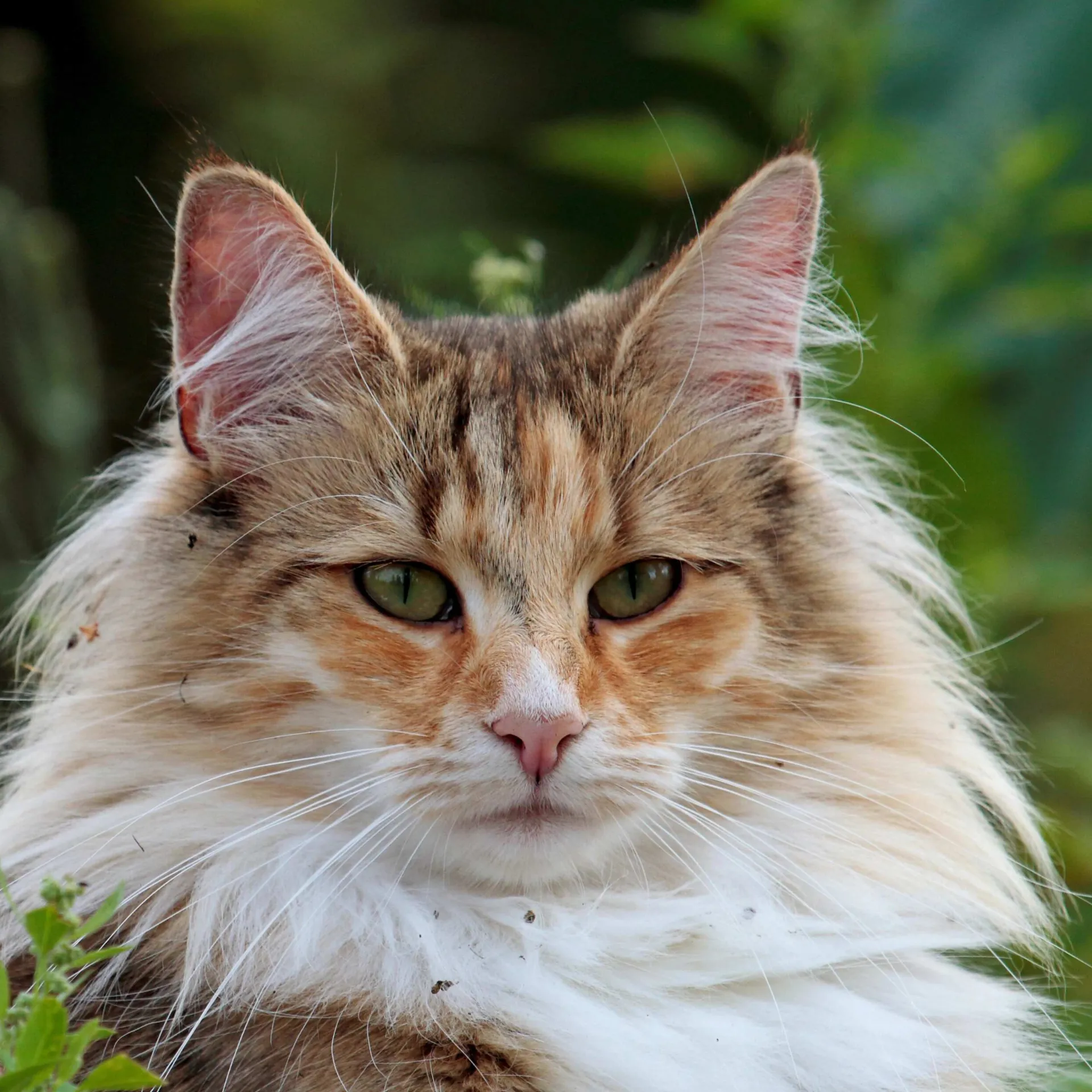
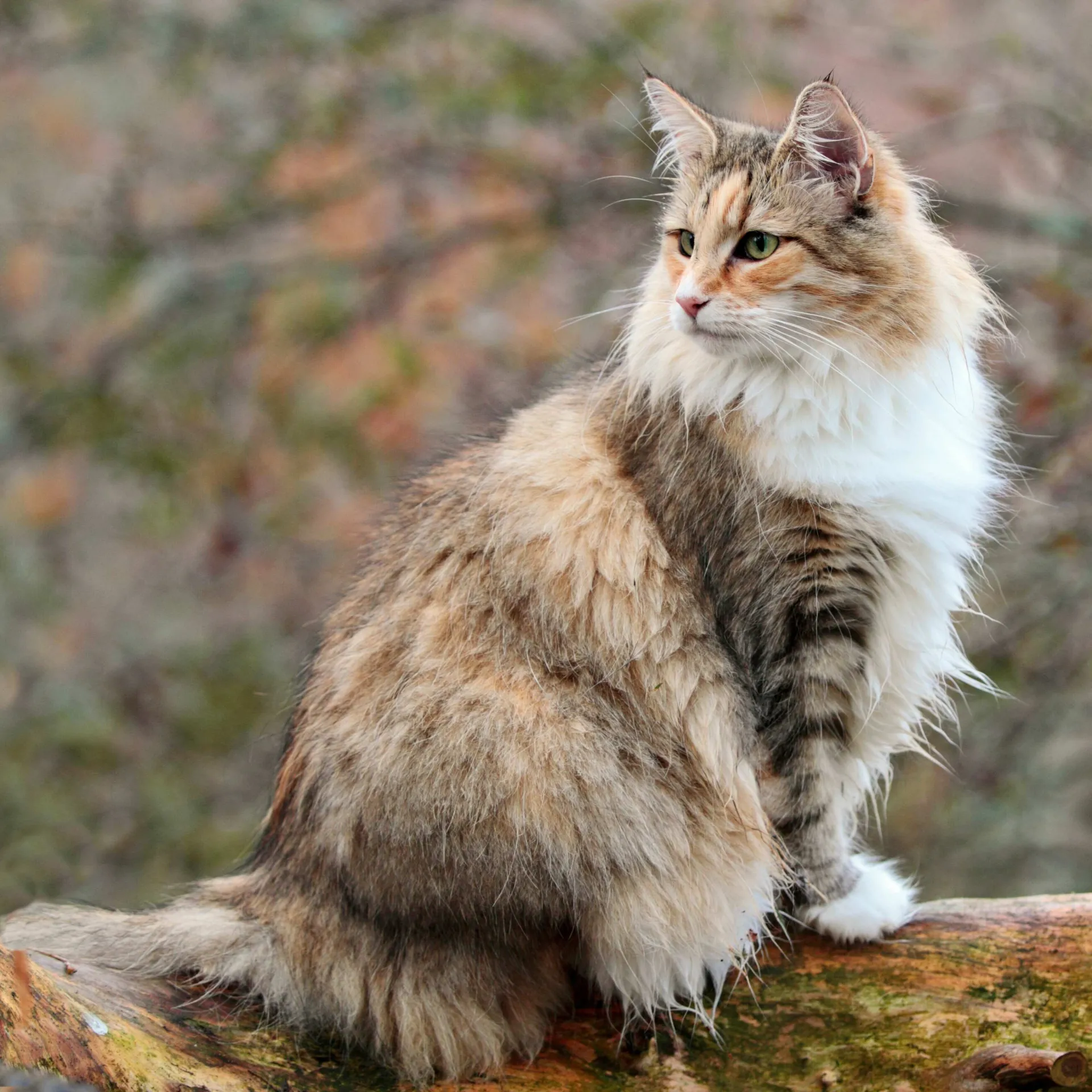
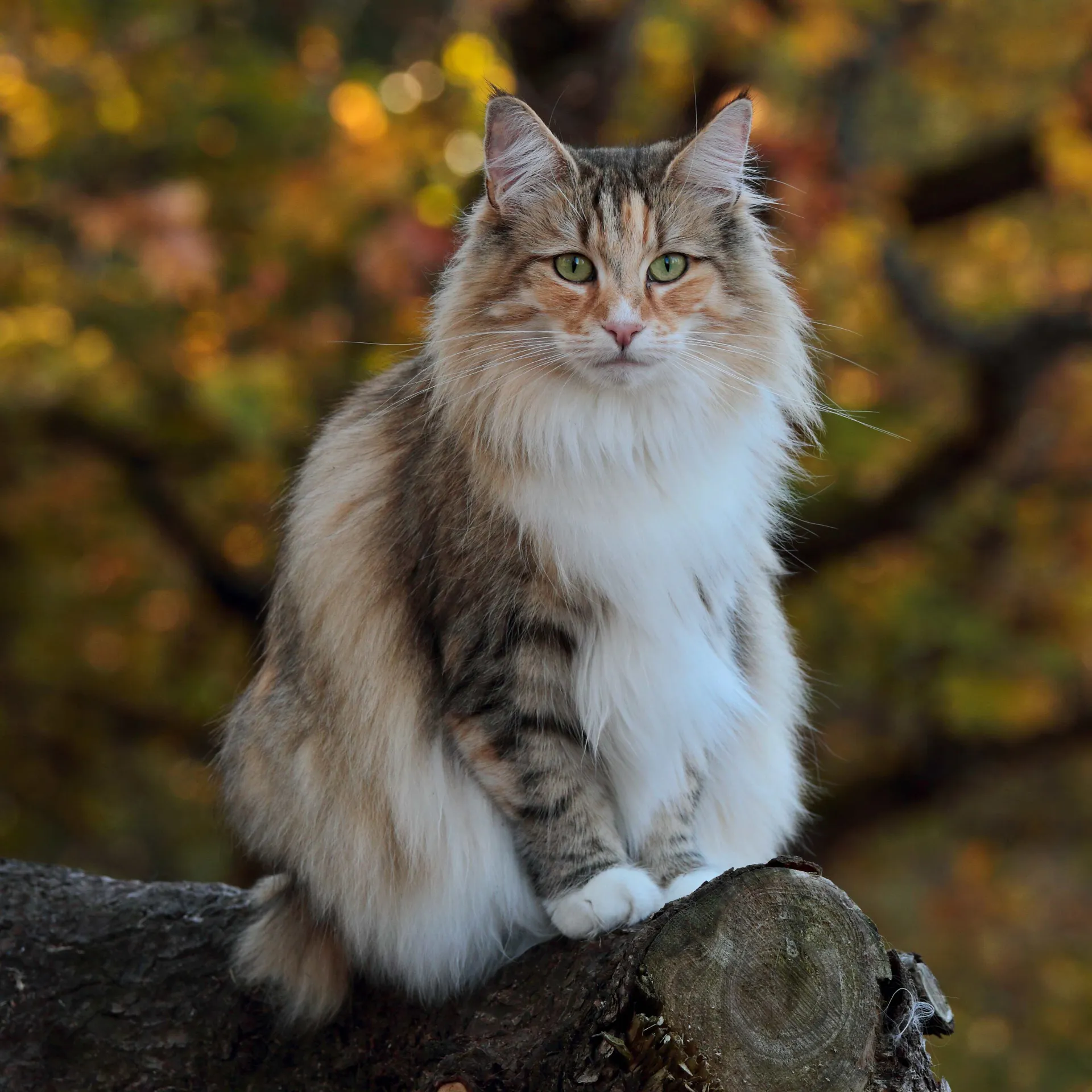
As the name suggests, the Norwegian Forest Cat originates from Norway, and as per the Cat Fanciers’ Association, the breed was named the official cat of Norway in the 1970s. The breed exudes a magical charm with its fluffy coat and lion-like mane. This mythical appearance could be the reason why many consider it to be a gift from the Norse gods.
They are an independent breed that craves attention on their own terms. They are friendly and social and get along well with other pets and children in the house. They can keep themselves entertained with toys and have a love for high places, so be sure to provide them with tall scratching posts.
They were once forest cats, so they may display their hunting instincts by pouncing on toys and treating them as prey. Don’t be surprised if you see them puffing out their chests and patrolling their territory to ensure peace and order.
Life expectancy of a Norwegian Forest Cat
According to PetMD, the average life span of a Norwegian Forest cat is 12-16 years.
Physical traits of a Norwegian Forest
- Weight - 5-9 kgs
- Height - 9-12 inches
- Eyes - Almond-shaped
- Head - Triangle-shaped
- Coats - As per WebMD, they have long, bushy tails and coarse, semi-long, weatherproof coats.
Temperament of the Norwegian Forest
- They are friendly yet self-sufficient.
- Easily forms close bonds with their humans
- Their curiosity, playfulness, and composure make them wonderful family pets.
- They are calm and get along well with other dogs and cats.
- As per The Cat Fancier’s Association, Forest Cats are known to have sporadic energy outbursts and are moderately energetic. This can be seen when they suddenly ambush their toys like prey.
- The noises they make vary from a gentle purr to chirping sounds (like birds) when excited.
Characteristics
Temperament with Kids
Aggressive
Friendly
Playfulness
Silent
Very Playful
Friendliness
Not Friendly
Super Friendly
Shedding amount
Negligible
Frequent
Compatibility with other cats
Not Friendly
Super Friendly
Prey Drive
Low
High
Need for attention
Independent
Very Needy
Monthly Expenses


What is the price of a Norwegian Forest Cat Breed?
Cost of buying
₹ 40,000 - ₹ 70,000
There are two ways of adding a Norwegian Forest Cat to your family. They are buying and adopting.
Buying
- Look for reputable and ethical breeders as they prioritise the health and well-being of the cats.
- The cost often varies based on the reputation of the breeder and lineage of the cat.
Adoption
- Adopting is an excellent choice, as you would be giving a loving home to a cat in need.
- Check your local animal shelters and rescues to enquire if they have a Norwegian Forest Cat up for adoption.
Here are some of the breeds that are similar to the Norwegian Forest Cat
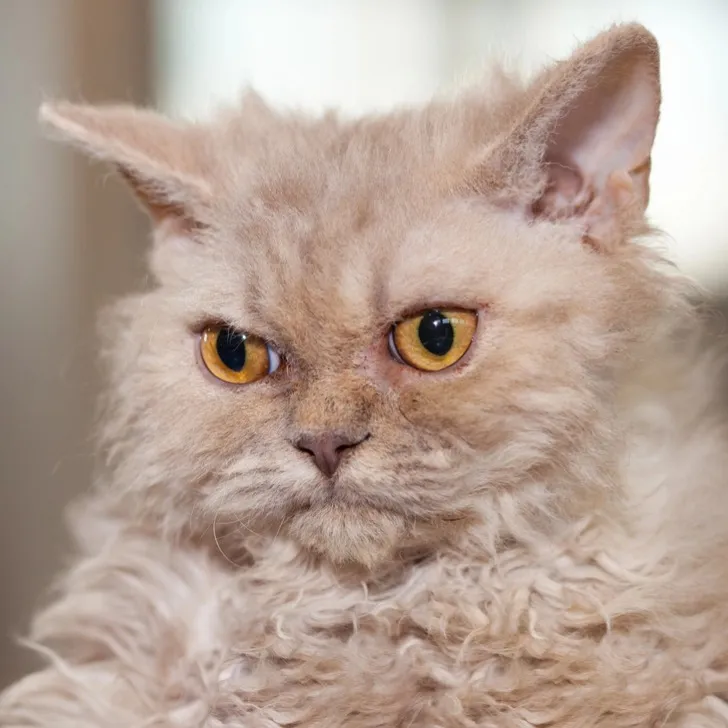
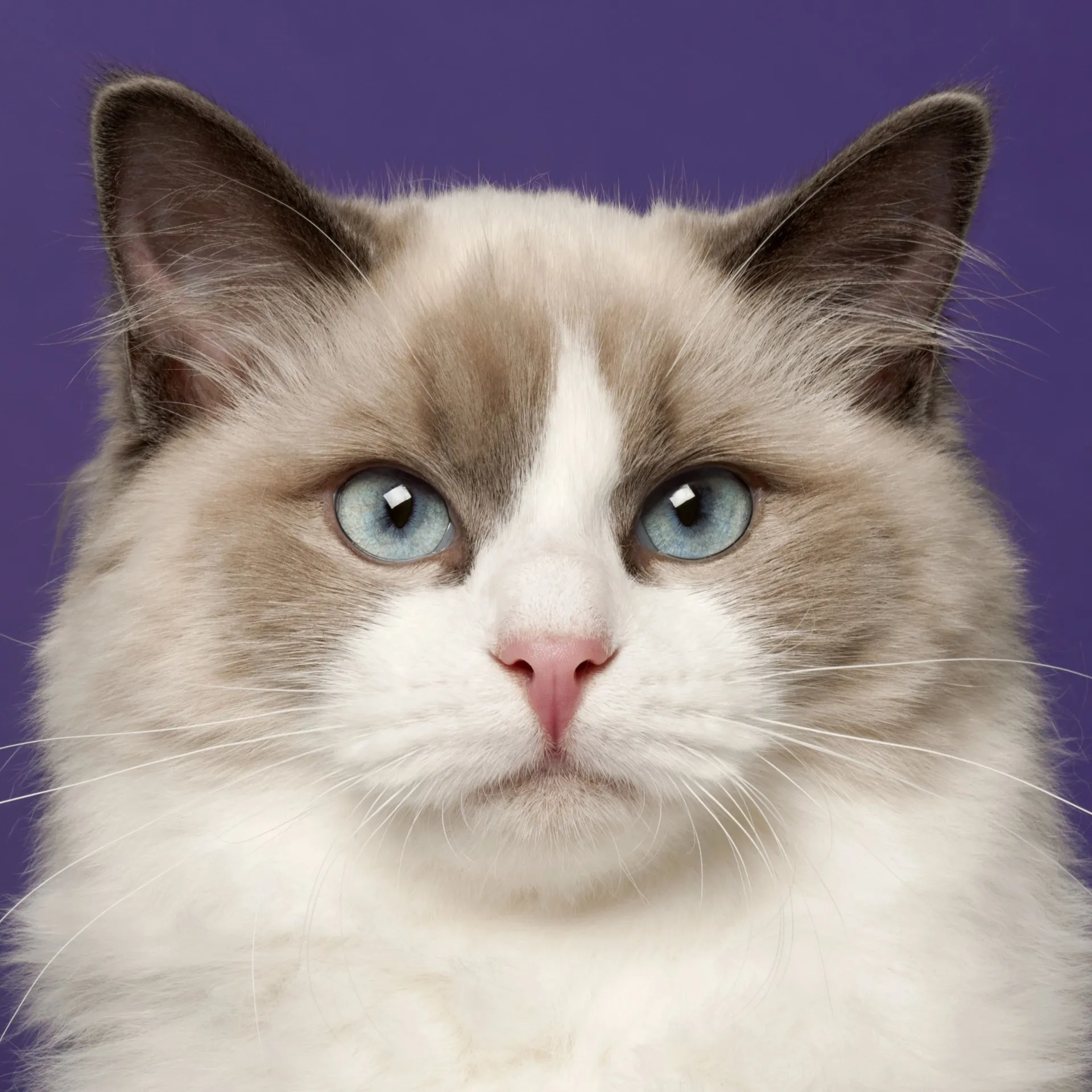
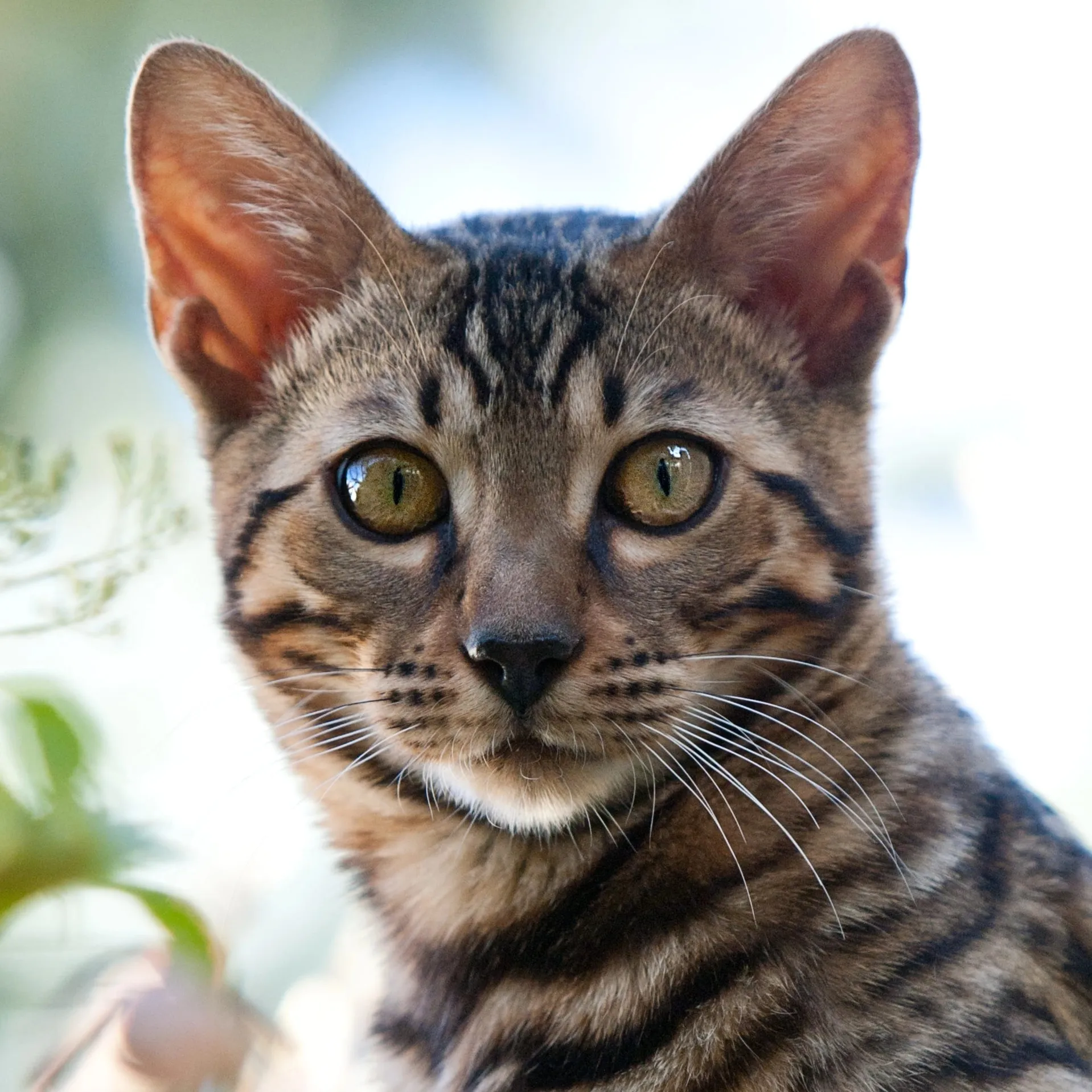
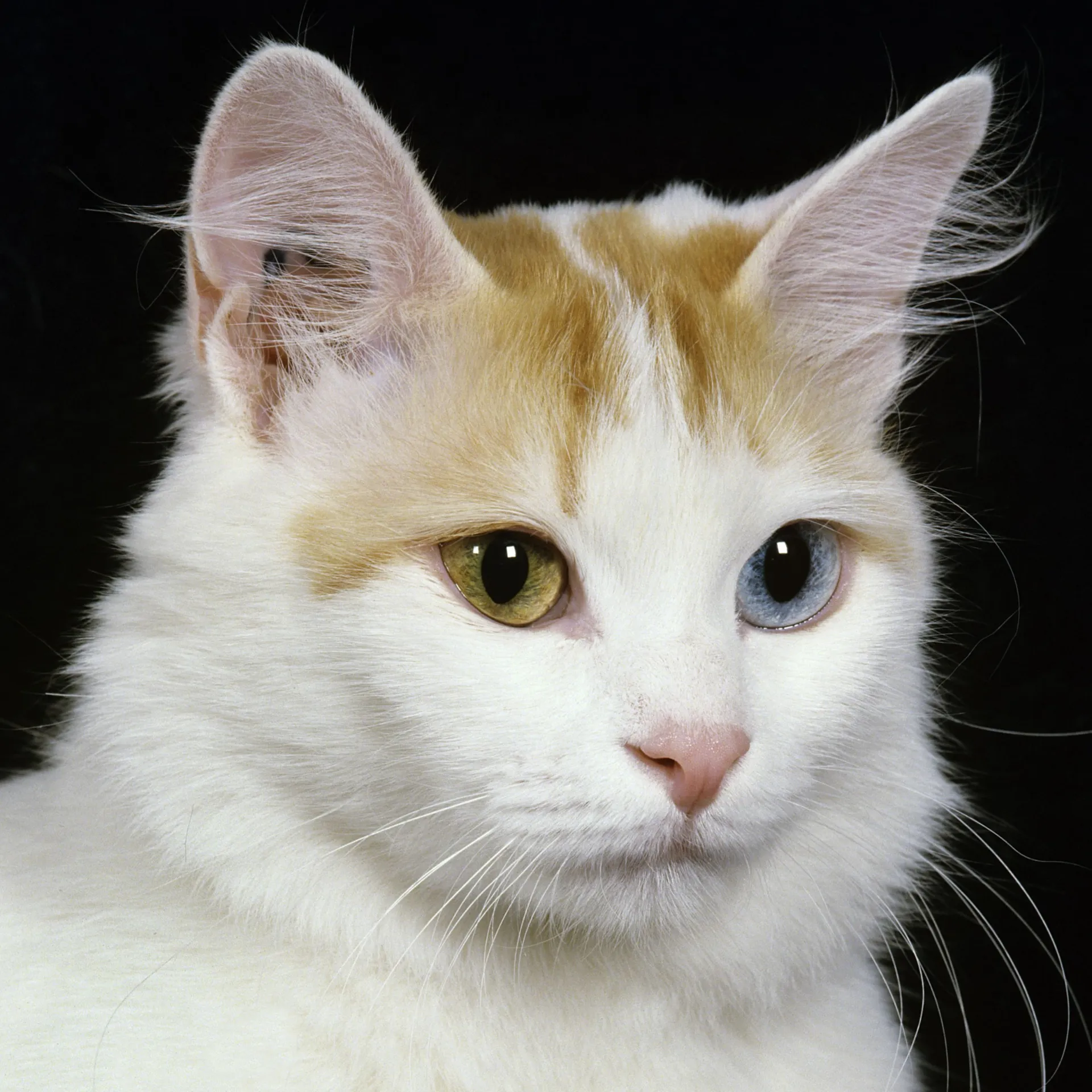
Ragdoll | Siberian | Maine Coon | Birman
Are you ready to get a Norwegian Forest cat home?
Adding a new feline member to your family can be both exciting and overwhelming. Here are a few tips to get started on the journey:
- Research - Do not rush into the process. Be diligent with your research to understand the breed and its requirements.
- Ethical sources - Only buy from breeders who are trustworthy and reputable. They prioritise the health and wellness of their animals.
- Visit the breeder/adoption center - Take a visit to meet the cats before making a final decision. Interact with them if possible to understand their temperament and to check if they would be compatible with your family.
- Documentation - Collect important documents from the breeders (if buying), like vaccination records.
- Shopping - Stock up on necessary supplies like a cat bed, litter, food bowl, etc, to ensure a warm welcome.
Norwegian Forest Nutrition Guide
Monthly Food Expenses
₹ 1,500 - ₹ 2,000
Calories per day
Kittens: 250 kcal
Adults: 199 kcal
Essential Nutrients
Protein
Fats
Carbohydrates
Vitamins
Minerals
Fiber
List of foods
Dry kibble
Wet canned food
Chicken (cooked or raw)
Turkey
Lamb
Beef (in moderation)
Salmon
Tuna
- Feed them a diet that is compliant with the AAFCO feeding guidelines.
- Provide a balance of wet and dry food. This helps them stay hydrated while managing their dental health.
- According to PetMD, Norwegian Forests take time to reach adulthood. So, check in with your vet to determine when to make the transition from kitten to adult food.
- Keep portion sizes in check to prevent overfeeding, as it could lead to obesity and other related health issues.
- Feed them a diet that contains high-quality protein to maintain their large frame. Meat is an excellent source of amino acids for cats.
- Consult your veterinarian before adding supplements to their diet.
Breakdown of Macro-nutrients
Helping You Pick the Right Foods for Your Norwegian Forest
- Animal Protein - Salmon, Chicken, Turkey, Tuna, Liver.
- Veg Protein - Peas, Carrots, Rice, Soya. However, as per Untamed, even the best vegetarian protein does not provide adequate amino acids when compared to non-vegetarian protein sources.
- Fatty Acids - Cats love the taste of animal fat, and the calories that cats get from fats are used to release energy slowly. This prevents their blood sugar levels from increasing rapidly. However, while feeding them animal fat, keep it below 20% of their diet to avoid weight issues.
- Vitamins and Minerals- Vegetables, Liver, Meat, and Fish oil are some of their recommended sources.
Norwegian Forest Cat: Foods to avoid
Avoid anything with these ingredients
Onions and Garlic
Caffeine
Chocolate
Alcohol
Bones
Raw Eggs
Grapes and Raisins
Artificial Sweeteners
- Stay away from foods that are toxic to animals like chocolate, raisins, grapes, etc. As they could be lethal.
- Do not feed them a high-carb diet as it could lead to weight gain and other related health issues.
- Check the ingredients before buying packaged food to make sure it is not loaded with fillers, as they could contribute to empty calories with no nutritional benefits.
- According to Four Paws, they should not be given raw meat or raw eggs, as they contain salmonella.


Health
Avg Monthly Expenses
₹ 500 - ₹ 700
Common Health Issues
Hyperthyroidism
Upper Respiratory Infections
Dental Problems
Obesity
Diabetes
Kidney Disease
Heartworm Disease
Fleas and Ticks
Activities
Play with Toys
Chasing Objects
Exploring
Climbing
Scratching
Energy Level
Medium
Exercise routine
- - - -
Recognising Stress
Hiding
Increased vocalization
Decreased appetite
Overgrooming
Changes in litter box behavior
Medical Care
Norwegian Forest Cats are generally robust, but they can be prone to certain health issues. Preventive care requires routine veterinarian checkups. Given their size and level of activity, this breed may be more prone to joint issues, therefore maintaining a balanced diet and limiting portion sizes is essential to preventing obesity. Maintaining tooth health is crucial, and consistent brushing can help prevent dental issues. Giving them opportunities for interactive play, climbing frames, and scratching posts will improve their mental and physical health. Because of their thick coat, frequent grooming sessions are recommended to reduce the likelihood of matting and hairballs.
Vaccination details
Growth Stage
Core Vaccines
8-10 Weeks
Feline Herpesvirus 1 (FHV)-1), Feline Calicivirus (FCV), Feline Panleukopenia Virus (FPV
12-14 Weeks
Second dose of FHV-1, FCV, FPV
16-18 Weeks
Rabies
Anually
Booster shots for FHV-1, FCV, FPV, Rabies
Norwegian Forest Cat: Grooming Requirements
Avg Monthly Expenses
₹ 800 - ₹ 1,500
Shedding Level
Moderate Shedding
Hygienic Checklist
Grooming (for some breeds)
Hydration
Play and Exercise
Nail Trimming
Anal Gland Expression
Fur trimming
Benefits of Grooming
Low Shedding
Cleanliness
Odourless
Prevents Bad Breath
Prevents infections
- Coat Care: They have a waterproof coat, which is medium-long with a thick undercoat. As per Spruce Pets, they require brushing once a week to prevent matting.
- Ear Care: Consult your veterinarian to rule out an ear infection if you observe redness, debris, or smell in your cat's ears.


Frequently Asked Questions
Are Norwegian Forest Cats good family pets?
Yes, they are known for their friendly and affectionate demeanour and make excellent family pets.
Do Norwegian Forest Cats require a lot of grooming?
No, they are pretty low-maintenance when compared to their long-haired counterparts. They benefit from just a weekly brushing.
What is the price of a Norwegian Forest Cat in India?
The average price of a Norwegian Forest Cat in India varies between ₹40,000 to ₹70,000.