Home
/
Cat Breeds
/
Ocicat
Ocicat
Origin
United States
Size
Medium Breed
Ideal Space
Apartment
Ideal Weather
18º-24ºC
Life Expectancy
15-18 years
Cost of buying
₹ 30,000 - ₹ 70,000
Top 5 Traits
Playful
Curious
Energetic
Affectionate
Friendly
Avg Monthly Expenses
₹ 2,800 - ₹ 4,200

by Happy Pet TeamUpdated on 3 Sept 2025
Know All About the Ocicat
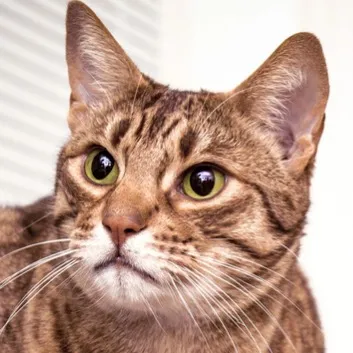
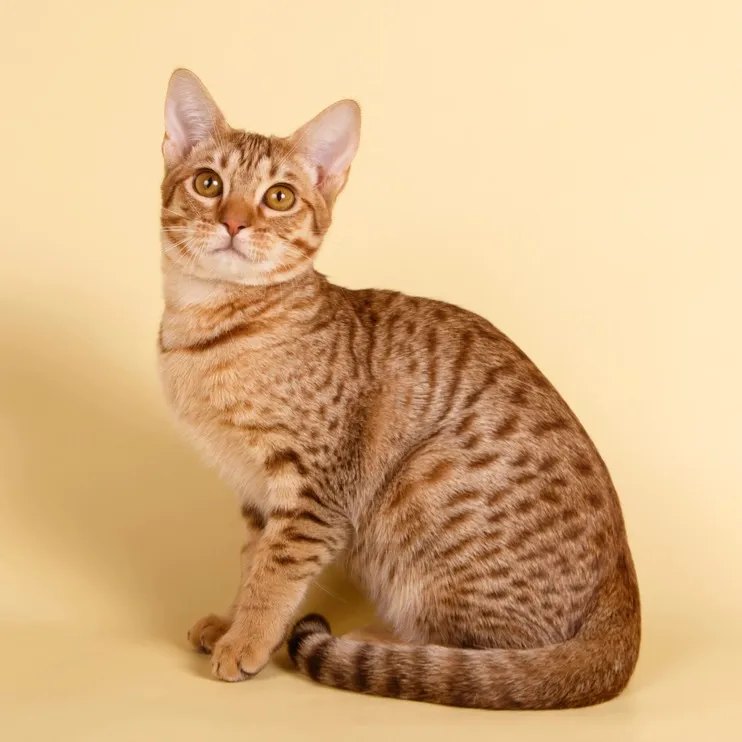
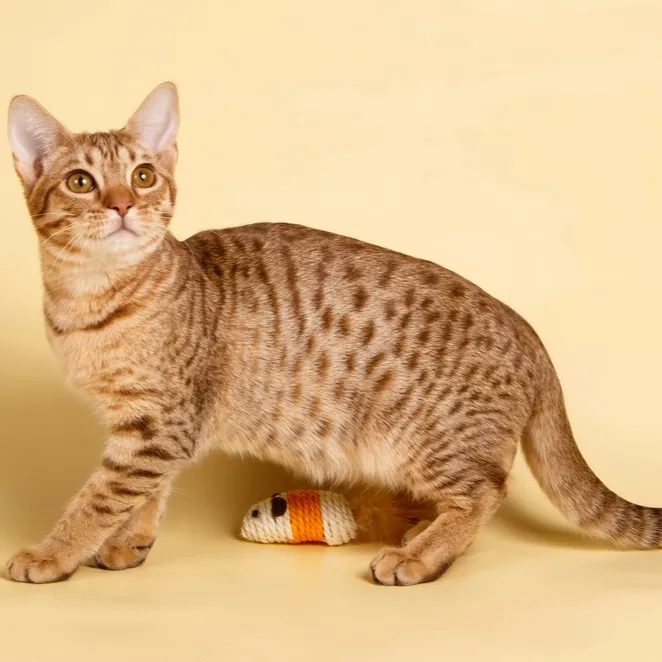
The Ocicat is a striking, spotted domestic cat breed that resembles a wild ocelot but has no wild ancestry. Developed in the 1960s in the United States by crossing Abyssinians, Siamese, and American Shorthairs, the breed combines the exotic spotted pattern of wild cats with the gentle, sociable temperament of domestic cats. Ocicats are playful, intelligent, and social, making them ideal companions for families, singles, and other pets. Recognized by The International Cat Association (TICA), Ocicats have gained popularity worldwide for their unique appearance and affectionate nature, according to The Spruce Pets.
Ocicat Lifespan
Ocicats typically live 12–15 years, with some reaching 16 years or more with proper care. Longevity depends on a healthy diet, regular veterinary visits, and an active lifestyle.
Ocicat Temperament and Personality
Ocicats are known for being outgoing, intelligent, and playful. They thrive on interaction with their human families and are highly adaptable to various living situations. Key traits include:
- Sociable Nature: They enjoy companionship and bond closely with owners, often following them around the house.
- Playful and Active: Ocicats love climbing, exploring, and playing with interactive toys.
- Intelligent and Trainable: Many can learn tricks, fetch games, or leash walking due to their keen intelligence.
- Affectionate Yet Independent: They enjoy human attention but are not overly clingy.
- Good with Children and Other Pets: Their tolerant temperament makes them great family cats.
Characteristics
Temperament with Kids
Aggressive
Friendly
Playfulness
Silent
Very Playful
Friendliness
Not Friendly
Super Friendly
Shedding amount
Negligible
Frequent
Compatibility with other cats
Not Friendly
Super Friendly
Prey Drive
Low
High
Need for attention
Independent
Very Needy
Monthly Expenses


Ocicat Lifespan and Price
Cost of buying
₹ 30,000 - ₹ 70,000
- Lifespan: 12–15 years with proper care.
- Price in India: ₹25,000 – ₹60,000 depending on breeder, pedigree, and availability.
Ocicat Exercise Needs
Ocicats are active, playful cats that need daily stimulation:
- Interactive Toys: Wand toys, laser pointers, and puzzle feeders engage their hunting instincts.
- Cat Trees and Climbing Posts: Supports climbing, jumping, and vertical exploration.
- Short Daily Play Sessions: Even 15–20 minutes a few times a day burns energy and prevents boredom.
- Window Perches: Allow observation of birds, bugs, and the environment, providing mental enrichment.
Similar Breeds to the Ocicat
Shop or Adopt an Ocicat: Make the Right Choice
Responsible pet ownership ensures a healthy and happy cat.
Best Practices:
- Choose a reputable breeder or adoption center.
- Review health checks and vaccination history.
- Observe temperament and socialization before adoption.
- Prepare a quiet, indoor-friendly space for your Ocicat.
- Maintain a balanced diet and grooming routine.
- Schedule regular veterinary visits for lifelong health.
Nutrition Care for the Ocicat
Monthly Food Expenses
₹ 1,500 - ₹ 2,000
Calories per day
Kittens: 250 kcal
Adults: 300 kcal
Essential Nutrients
Protein
Fats
Carbohydrates
Vitamins
Minerals
Amino Acids (Taurine, Arginine, etc.)
Essential Fatty Acids
Fiber
List of foods
Dry kibble
Wet canned food
Omega-3 fatty acids
Chicken (cooked or raw)
Turkey
Plain yogurt (no added sugar)
Eggs (cooked)
Sardines (in moderation)
Ocicats, as obligate carnivores, have specialized nutritional requirements to sustain their active lifestyle and maintain optimal health. Their diet should primarily consist of high-quality animal protein, serving as the building blocks for their lean muscle mass and overall vitality. Fats are equally essential for energy production, aiding in the absorption of fat-soluble vitamins, and supporting healthy skin and coat. While cats can survive without carbohydrates, a small inclusion can provide additional energy and fiber.
Beyond the macronutrients, a comprehensive diet for Ocicats necessitates a balance of vitamins, minerals, and specific amino acids. These micronutrients play pivotal roles in immune function, organ health, and various metabolic processes. Taurine and arginine, two amino acids crucial for feline well-being, must be sourced from their diet as cats cannot produce them independently. Essential fatty acids contribute to skin and coat health, as well as cognitive function. To ensure a well-rounded nutritional intake, providing a diverse range of nutrient-dense foods is paramount.
The Ocicat’s muscular, athletic build requires a diet rich in high-quality protein and essential nutrients to maintain energy and overall health.
Feeding Guidelines for Ocicats
- Kittens (Up to 12 Months): Feed 4–5 small meals a day with kitten-specific formulas rich in protein and healthy fats.
- Adults (1–7 Years): Two meals a day are sufficient. Portion control is important to maintain ideal weight and muscle tone.
- Seniors (7+ Years): Offer senior-specific food that is easy to digest with moderate calories but sufficient protein. Supplements like glucosamine support joint health.
Breakdown of Macro-nutrients
Best Foods for Ocicats
Ocicats, as obligate carnivores, necessitate a diet rich in high-quality animal protein to support optimal health and energy levels. Protein forms the foundational component of their diet, contributing to muscle development and overall well-being. Fats are essential for energy metabolism and the absorption of fat-soluble vitamins. While carbohydrates are not a dietary requirement for cats, they may be included in moderation to provide additional energy and fiber.
A balanced diet for Ocicats encompasses a comprehensive array of vitamins, minerals, and amino acids. These micronutrients are vital for immune function, organ health, and various metabolic processes. Taurine and arginine, essential amino acids that cats cannot synthesize, must be obtained through their diet. Omega-3 fatty acids support skin and coat health, as well as cognitive function. To ensure a well-rounded nutritional profile, a diverse range of nutrient-dense foods is recommended. Let's take a look at a few options.
- Hill’s Science Diet Adult Cat Food: Supports lean muscle and includes antioxidants for immune health.
- Royal Canin Adult or Breed-specific formulas: Supports active lifestyles and coat health.
- Grain-free options (Wellness CORE, Blue Buffalo Basics): Ideal for sensitive stomachs or mild allergies.
- Omega-enriched diets (Tiki Cat, Nutro Essentials): Helps maintain a shiny coat and supports heart and brain function.
- Wet + Dry Food Combo: Ensures hydration and variety while supporting urinary health.
Never feed these foods to Ocicat
Avoid anything with these ingredients
Onions and Garlic
Caffeine
Alcohol
Chocolate
Bones
Raw Eggs
Grapes and Raisins
Xylitol
- Raw fish and eggs: Can cause thiamine deficiency or foodborne illness.
- Onions, garlic, and related powders: Toxic to cats and can cause anemia.
- Dairy products: Many cats are lactose intolerant; milk or cheese can cause digestive upset.
- Low-quality fillers (corn, wheat, soy): Offer little nutrition and may trigger digestive issues.
- Artificial colors, preservatives, and flavors: Can irritate the gut and dull the coat.


Healthcare for the Ocicat
Avg Monthly Expenses
₹ 500 - ₹ 700
Common Health Issues
Dental Problems
Obesity
Kidney Disease
Hyperthyroidism
Urinary Tract Infections (UTI)
Hypertrophic Cardiomyopathy (HCM)
Feline Leukemia Virus (FeLV)
Progressive Retinal Atrophy
Activities
Interactive Playtime
Climbing
Chasing Objects
Exploring
Play with Toys
Energy Level
High
Exercise routine
30 - 60 minutes
Recognising Stress
Increased vocalization
Decreased appetite
Overgrooming
Hiding
Changes in litter box behavior
Common Health Issues Found in Ocicats
Ocicats are generally healthy cats, but like all breeds, they may be prone to some conditions.
- Obesity: Can lead to diabetes, arthritis, and other complications; monitor diet and encourage exercise.
- Dental Problems: Periodontal disease is preventable with regular brushing and dental treats.
- Hyperthyroidism and Urinary Tract Infections: Early detection through routine vet visits is critical.
- Skin and Eye Issues: Allergies or infections may occur and require prompt treatment.
- Digestive Upsets: Hairballs or mild GI problems can be managed through diet and grooming.
General Healthcare Tips
- Annual Vet Checkups: For early detection of kidney, heart, or eye issues.
- Dental Hygiene: Brush teeth or offer dental chews 2–3 times per week.
- Regular Exercise: Play sessions maintain weight and mental stimulation.
- Vaccinations and Deworming: Prevent infectious diseases and parasites.
Senior Ocicat Care
As Ocicats age, they require extra attention to maintain comfort and health.
- Joint Health Support: Supplements like glucosamine and chondroitin can help reduce stiffness and maintain mobility.
- Soft Bedding: Orthopedic or padded beds reduce pressure on joints and improve sleep quality.
- Senior Diet: Easily digestible food with moderate calories and high-quality protein helps maintain muscle and prevent weight gain. Wet food supports hydration and kidney function.
- Routine Vet Visits: Biannual checkups monitor heart, kidney, and dental health.
- Dental Care: Continue brushing teeth or providing dental treats to prevent periodontal disease.
- Easy Access: Low-sided litter boxes and raised bowls reduce strain on joints.
- Mental Stimulation: Short play sessions with interactive toys or puzzle feeders keep senior Ocicats engaged.
Vaccination details
Growth Stage
Core Vaccines
6-8 Weeks
FVRCP (Feline Viral Rhinotracheitis, Calicivirus, Panleukopenia).
9-12 Weeks
FVRCP.
12-16 Weeks
FVRCP, Rabies.
16-20 Weeks
FeLV.
20-24 Weeks
FVRCP, FeLV.
Annual
Rabies, FVRCP, FeLV.
Best Grooming Tips for the Ocicat
Avg Monthly Expenses
₹ 800 - ₹ 1,500
Shedding Level
Moderate Shedding
Hygienic Checklist
Grooming (for some breeds)
Hydration
Nail Trimming
Ear cleaning
Teeth care
Health Observation
Benefits of Grooming
Cleanliness
Low Shedding
Prevents Bad Breath
Prevents infections
Quality of life
Ocicats boast a short, easy-to-maintain coat that requires minimal grooming compared to their long-haired counterparts. Regular brushing, however, is essential for preserving coat health and preventing common feline issues. Weekly brushing helps remove loose hair, minimizing shedding and the formation of hairballs. Additionally, it distributes natural oils, enhancing the coat’s luster and overall appearance.
Ocicat Grooming Routine
Ocicats have short, low-maintenance coats, but consistent grooming keeps them healthy.
- Brushing: Once a week removes loose hair and distributes natural oils.
- Bathing: Rarely needed unless they get dirty.
- Nail Trimming: Every 2–3 weeks to prevent overgrowth and injury.
- Ear Cleaning: Use a soft cloth or vet-approved solution weekly.
- Teeth Brushing: 2–3 times per week to prevent tartar and gum disease.


Written by
Happy Pet TeamAuthor
Team Happy Pet is a passionate collective of pet experts, enthusiasts, and advocates dedicated to sharing trusted and insightful content.
Our cont
Compare with similar breeds


Frequently Asked Questions
What type of diet is best for an Ocicat?
A balanced diet high in animal-based protein, with some fats and minimal carbohydrates, is best. Suitable foods include high-quality dry kibble, wet canned food, cooked chicken, turkey, salmon, cooked eggs, plain yogurt, and Omega-3 fatty acids.
Do Ocicats require any special care?
Besides regular grooming and a balanced diet, Ocicats need routine veterinary check-ups to monitor for common health issues, and regular dental care is also important.
Are Ocicats vocal?
Ocicats can be quite vocal, often communicating with their owners through various sounds. They are known for their chatty and expressive nature.