Home
/
Cat Breeds
/
Pixie-Bob
Pixie-Bob
Origin
United States
Size
Large Breed
Ideal Space
Apartment
Ideal Weather
18º-24ºC
Life Expectancy
13-15 years
Cost of buying
₹ 40,000 - ₹ 90,000
Top 5 Traits
Playful
Curious
Friendly
Affectionate
Energetic
Avg Monthly Expenses
₹ 2,800 - ₹ 4,200

by Happy Pet TeamUpdated on 14 Aug 2025
Introduction to the Pixie-Bob
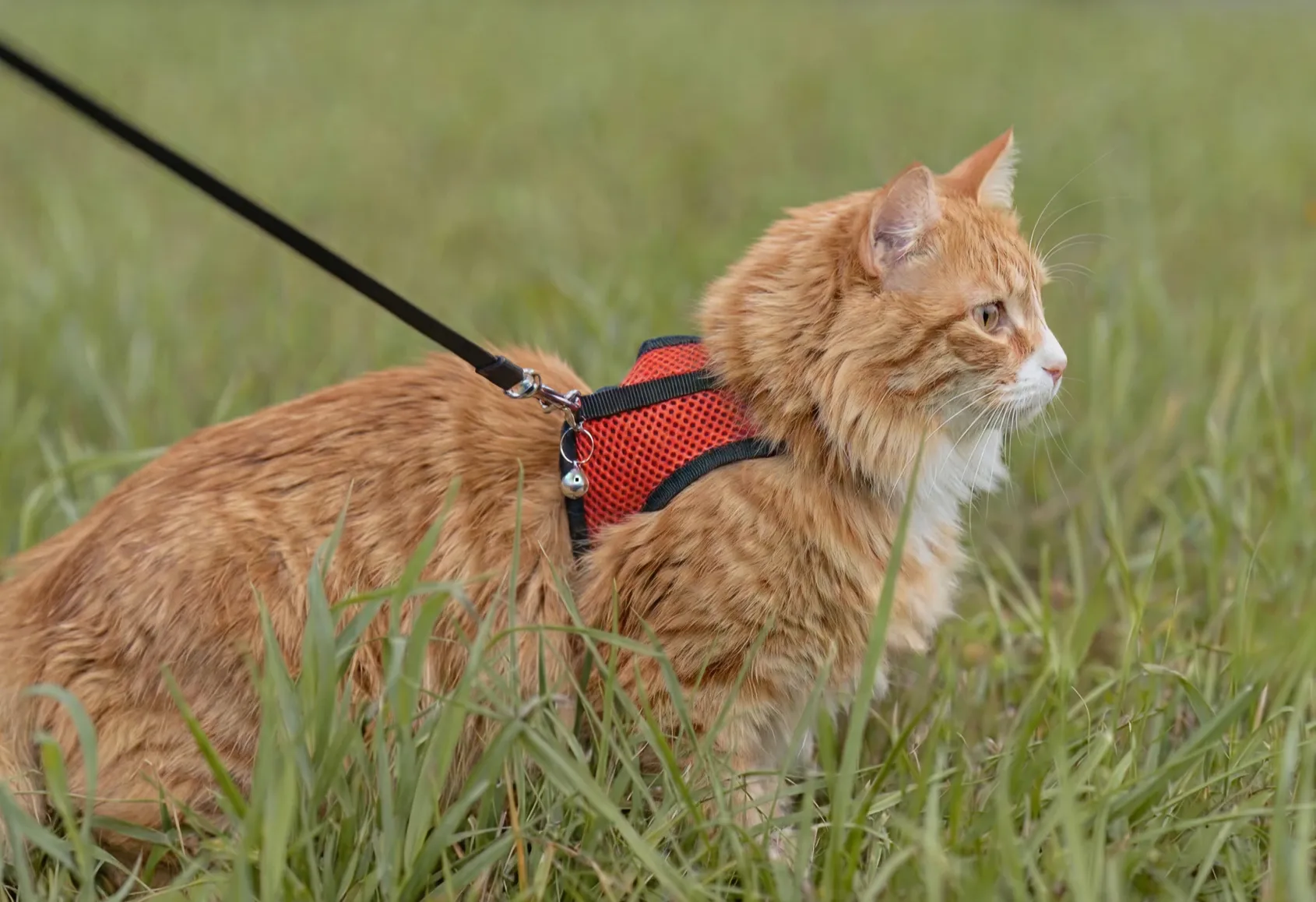
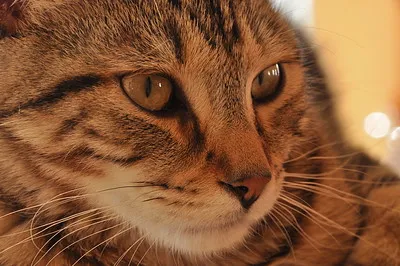
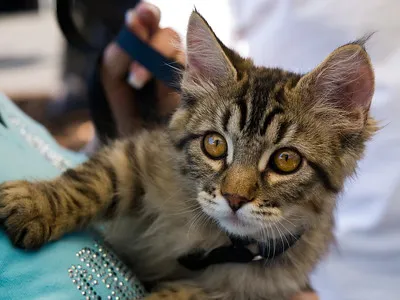
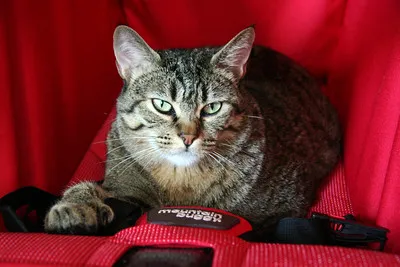
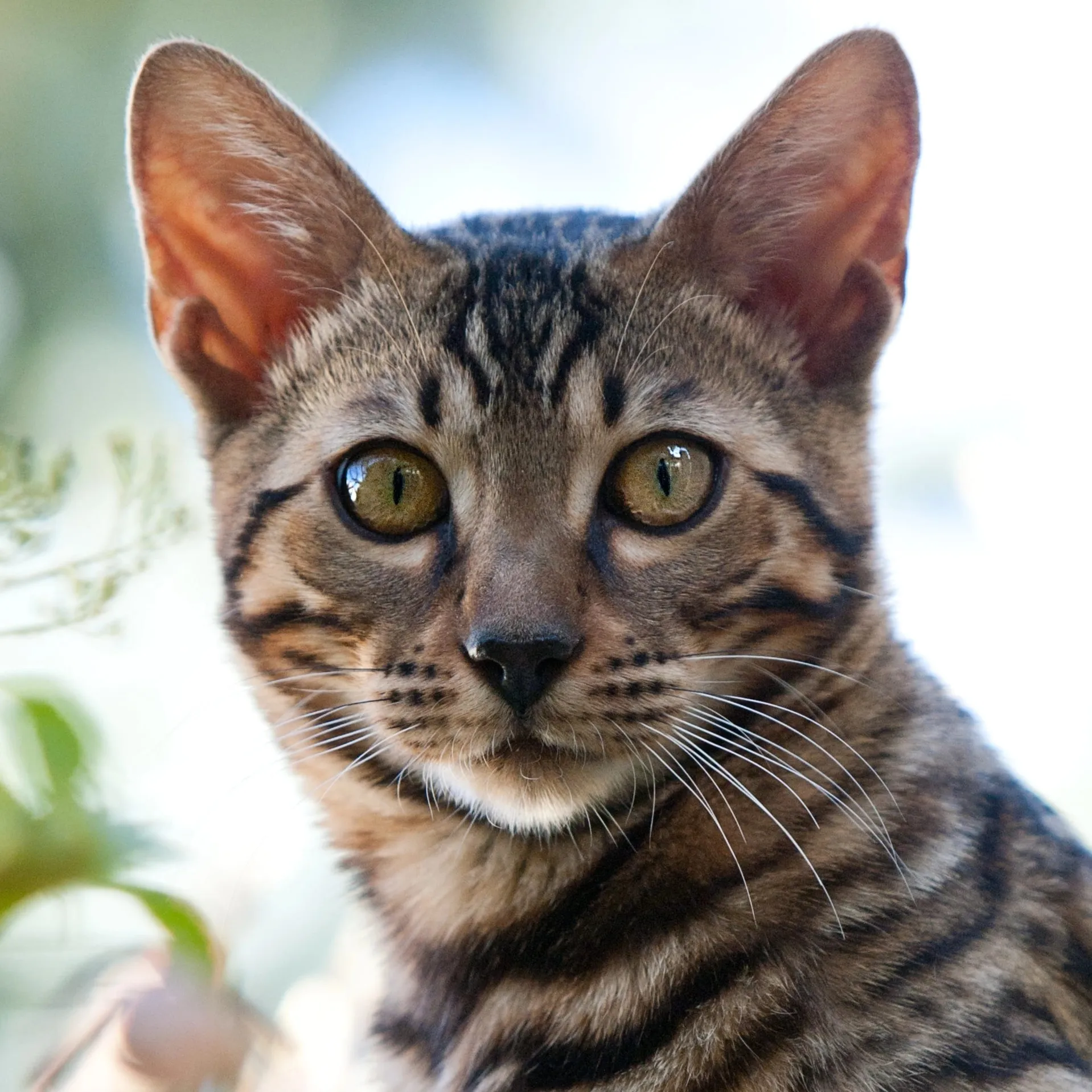
The Pixie-Bob is a striking domestic cat breed known for its wild, bobcat-like appearance, yet it is completely domesticated. Originating in the United States in the 1980s, the breed was developed by Carol Ann Brewer, who aimed to create a domestic cat that resembled the North American bobcat. Characteristic features include a muscular build, bobbed tail, large expressive eyes, and dense brown tabby coat. Many Pixie-Bobs are also polydactyl, having extra toes that add to their uniqueness, according to TICA.
Pixie-Bobs are both intelligent and affectionate, forming strong bonds with their families while often showing curiosity and problem-solving abilities. Their social and playful nature makes them an excellent companion for active households, especially those who enjoy interactive playtime with their pets.
Pixie-Bob Lifespan
With proper care, Pixie-Bobs generally live between 12–16 years. Ensuring a healthy diet, routine exercise, and regular veterinary care are key factors in maximizing their lifespan.
Pixie-Bob Temperament and Personality
Pixie-Bobs are known for their affectionate and friendly nature, making them suitable for families and households with other pets. Key personality traits include:
- Highly sociable: They enjoy human interaction and often follow their owners around the home.
- Intelligent and curious: Quick learners who can engage in interactive toys, puzzles, and simple training exercises.
- Playful and energetic: Require daily play sessions to maintain both physical and mental health.
- Gentle and tolerant: Great with children and other pets, including dogs.
- Occasionally shy with strangers: While affectionate with family, they may take time to warm up to new people
Characteristics
Temperament with Kids
Aggressive
Friendly
Playfulness
Silent
Very Playful
Friendliness
Not Friendly
Super Friendly
Shedding amount
Negligible
Frequent
Compatibility with other cats
Not Friendly
Super Friendly
Prey Drive
Low
High
Need for attention
Independent
Very Needy
Monthly Expenses


Lifespan and Price of a Pixie-Bob
Cost of buying
₹ 40,000 - ₹ 90,000
Pixie-Bobs typically live 12–16 years. Kitten prices vary widely due to rarity, averaging Rs 40000 to Rs 90000 depending on breeder and pedigree.
Exercise needs for a Pixie-Bob
Pixie-Bobs enjoy moderate physical activity and benefit from a variety of ways to stay engaged. Interactive toys such as wand toys, laser pointers, and puzzle feeders keep them mentally and physically stimulated. Cat trees and climbing posts encourage vertical exploration, allowing them to satisfy their natural climbing instincts. Short daily play sessions help burn off excess energy and prevent boredom, while window perches provide mental enrichment by allowing them to observe the outdoors and engage with their environment. Incorporating these activities into a daily routine ensures a healthy, happy, and active Pixie-Bob.
Shop or Adopt a Pixie-Bob
Responsible pet parenting begins with making informed choices. Purchasing a Pixie-Bob from an ethical breeder helps ensure a healthy kitten with verified lineage, while adoption gives a loving home to a cat in need. To provide the best care and a fulfilling life for your feline companion, owners should follow these best practices:
- Choose reputable breeders or adoption centers to ensure ethical breeding and proper care.
- Check health screenings and vaccination history to prevent future medical issues.
- Observe temperament and socialization to select a cat that fits your household.
- Provide a calm, indoor-friendly environment to support their physical and emotional well-being.
- Maintain a balanced diet and grooming routine for overall health and comfort.
- Schedule routine vet visits to ensure lifelong health and early detection of potential issues.
By combining thoughtful selection with consistent care, owners can foster a strong, trusting bond and ensure their Pixie-Bob thrives in a safe, nurturing environment.
Nutrition Care for the Pixie-Bob
Monthly Food Expenses
₹ 1,500 - ₹ 2,000
Calories per day
Kittens: 280 kcal
Adults: 270 kcal
Essential Nutrients
Protein
Fats
Carbohydrates
Vitamins
Minerals
Amino Acids (Taurine, Arginine, etc.)
Essential Fatty Acids
Fiber
List of foods
Dry kibble
Wet canned food
Turkey
Chicken (cooked or raw)
Mackerel
Pumpkin
Plain yogurt (no added sugar)
Salmon
A well-balanced diet is fundamental to the health and vitality of a Pixie-Bob. High-quality protein sources ensure that their robust physique is maintained and supported. The inclusion of essential fatty acids in their diet is equally crucial, as these promote a healthy coat, supple skin, and overall bodily functions. A combination of wet and dry food is often recommended to provide adequate hydration and contribute to dental health.
Beyond protein and fats, a diverse range of vitamins, minerals, and fiber is necessary for optimal well-being. These micronutrients bolster the immune system, aid in digestion, and support various bodily functions. Specific amino acids, such as taurine and arginine, play vital roles in maintaining heart and eye health.
However, it is essential to exercise caution with carbohydrates, as Pixie-Bobs are susceptible to weight gain. Overindulgence in carbohydrates can lead to obesity, which can negatively impact their overall health. By carefully monitoring their diet and providing a balanced nutritional intake, owners can help their Pixie-Bobs live long, healthy, and energetic lives.
Feeding Guidelines for Pixie-Bobs
A well-balanced diet is crucial to maintain a Pixie-Bob’s muscular build, shiny coat, and energy levels:
- Kittens (up to 12 months): 4–5 small meals daily. Food should be high in protein and calories for healthy growth.
- Adults (1–7 years): Feed 2 meals per day, ensuring portion control to maintain a healthy weight.
- Seniors (7+ years): Provide easily digestible senior cat food with fewer calories but adequate protein. Include joint-supporting nutrients like glucosamine and chondroitin.
Breakdown of Macro-nutrients
Best Foods for Pixie-Bobs
Optimal nutrition for Pixie-Bobs necessitates a diet rich in high-quality protein derived from real meat sources such as chicken or salmon. These provide essential amino acids vital for muscle development, tissue repair, and overall energy production. Artificial additives, preservatives, and fillers should be avoided as they offer minimal nutritional value. A balanced formulation encompassing proteins, fats, and carbohydrates is paramount for maintaining overall health and energy levels, according to Feline Fancy.
Let's look at some diets for the Pixie-Bob.
- Hill’s Science Diet Adult Cat Food: Supports muscle health and the immune system.
- Royal Canin Breed Nutrition: Tailored for active breeds with coat support.
- Grain-free formulas: Ideal for sensitive stomachs and skin.
- Foods enriched with omega-3 and omega-6: Improve coat shine, reduce inflammation, and support joint and heart health.
- Combination of wet and dry food: Adds hydration and variety; beneficial for urinary tract health.
Never feed these foods to Pixie-Bob
Avoid anything with these ingredients
Onions and Garlic
Chocolate
Alcohol
Bones
Raw Eggs
Xylitol
Grapes and Raisins
High Salt Foods
Pixie-Bobs, like other cats, have specific dietary restrictions to ensure their health and safety. Onions and garlic, common ingredients in human food, can be toxic to cats. These foods can cause digestive upset and damage red blood cells, potentially leading to anemia. Chocolate, a popular treat for humans, is also highly dangerous for cats. Theobromine, a compound found in chocolate, is toxic and can cause serious health issues, including heart problems and seizures.
Beyond the commonly known dangers, several other foods and substances should be kept out of reach of Pixie-Bobs.
- Alcohol and excessive salt: Can cause severe dehydration and other serious health complications.
- Cooked bones: May splinter and cause internal injuries or blockages.
- Raw eggs and fish: Can carry bacteria leading to food poisoning or nutritional deficiencies.
- Grapes and raisins: Linked to acute kidney failure in cats.
- Careful food choices: Avoiding these foods significantly reduces the risk of health problems for Pixie-Bob cats.


Healthcare for the Pixie-Bob
Avg Monthly Expenses
₹ 500 - ₹ 700
Common Health Issues
Obesity
Dental Problems
Hyperthyroidism
Urinary Tract Infections (UTI)
Skin Allergies
Arthritis
Eye Problems
Gastrointestinal Issues
Activities
Play with Toys
Chasing Objects
Exploring
Climbing
Interactive Playtime
Energy Level
High
Exercise routine
30 - 60 minutes
Recognising Stress
Hiding
Overgrooming
Decreased appetite
Changes in litter box behavior
Aggression
Common Health Problems
Pixie-Bobs are generally sturdy cats with a strong constitution, but like any breed, they can be predisposed to specific health challenges.
- Obesity: Can lead to serious health issues such as diabetes and arthritis. Maintaining a healthy weight through a balanced diet and regular exercise is crucial.
- Dental health: Regular check-ups and proper oral hygiene are essential to prevent periodontal disease and other dental problems.
- Hyperthyroidism and urinary tract infections: Early detection through routine veterinary exams is key for effective treatment.
- Skin allergies and eye problems: Require prompt veterinary care to prevent further complications.
- Gastrointestinal issues (including hairballs): Can often be managed through proper diet and regular grooming.
- Holistic healthcare approach: Combining regular vet visits, a balanced diet, and a stimulating environment helps ensure a long, healthy life.
- Proactive management: Addressing potential health issues early enhances the overall well-being and longevity of Pixie-Bob cats.
General Healthcare Tips
- Annual vet visits: Early detection of kidney, heart, or eye problems.
- Dental hygiene: Brush teeth 2–3 times weekly and provide dental chews.
- Physical activity: Daily play and interactive toys promote weight management and mental stimulation.
- Vaccinations and deworming: Protect against infectious diseases.
Senior Pixie-Bob Cat Care
As Pixie-Bobs age, they need extra care:
- Joint supplements: Glucosamine and chondroitin reduce stiffness and support mobility.
- Soft bedding: Comfortable and orthopedic beds protect joints.
- Twice-yearly vet visits: Check kidney, heart, and eye health.
- Easy-access litter box and feeders: Reduce strain on aging joints.
- Monitor diet: Adjust calories and protein to maintain healthy weight.
Vaccination details
Growth Stage
Core Vaccines
6-8 Weeks
Feline Viral Rhinotracheitis (FVR), Calicivirus (FCV), Panleukopenia (FPV).
10-12 Weeks
FVR, FCV, FPV.
14-16 Weeks
FVR, FCV, FPV, Rabies.
52 Weeks
FVR, FCV, FPV, Rabies.
Adult (3 yrs.)
FVR, FCV, FPV, Rabies.
Grooming
Avg Monthly Expenses
₹ 800 - ₹ 1,500
Shedding Level
Moderate Shedding
Hygienic Checklist
Litter Box
Grooming (for some breeds)
Hydration
Nail Trimming
Health Observation
Teeth care
Benefits of Grooming
Cleanliness
Low Shedding
Prevents infections
Odourless
The Pixie-Bob's thick, double coat demands consistent grooming to maintain its luster and overall health. While the breed is a moderate shedder, regular brushing is essential to prevent matting and control loose hair around the home. Using a brush designed for their coat type, owners should aim for at least two grooming sessions per week. Brushing not only removes loose hair but also distributes natural oils, which support skin health and enhance coat shine. Beyond keeping their coat beautiful, grooming offers tactile benefits, strengthening the bond between cat and owner through gentle handling.
A comprehensive Pixie-Bob grooming routine extends beyond coat care:
- Nail trimming: Regular trims prevent discomfort and injuries caused by overgrown claws.
- Dental hygiene: Incorporate tooth brushing or dental treats to prevent periodontal disease and support overall health.
- Ear care: Consistent inspections and cleaning help prevent infections and maintain optimal ear health.
- Early detection: Grooming sessions allow owners to spot skin abnormalities, ear mites, or other issues early, enabling timely veterinary care.
By maintaining a dedicated grooming schedule, owners can significantly enhance their Pixie-Bob’s comfort, appearance, and overall well-being. Regular care ensures not only a healthy, shiny coat but also supports long-term health and strengthens the human-animal bond.


Written by
Happy Pet TeamAuthor
Team Happy Pet is a passionate collective of pet experts, enthusiasts, and advocates dedicated to sharing trusted and insightful content.
Our cont
Frequently Asked Questions
What vaccinations are essential for a Pixie-Bob cat?
Essential vaccinations for a Pixie-Bob cat include those for Feline Viral Rhinotracheitis, Calicivirus, Panleukopenia, and Rabies, starting from 6-8 weeks of age and followed by boosters according to the schedule.
How active are Pixie-Bob cats?
Pixie-Bob cats have a medium to high energy level and enjoy activities like playing with toys, chasing objects, exploring, climbing, and interactive playtime.
Are Pixie-Bob cats prone to any specific health issues?
Pixie-Bob cats can be prone to obesity, dental problems, hyperthyroidism, urinary tract infections, skin allergies, arthritis, eye problems, and gastrointestinal issues.