Home
/
Cat Breeds
/
Raas cat
Raas cat
Origin
Indonesia
Size
Large Breed
Ideal Space
Apartment
Ideal Weather
15º-30ºC
Life Expectancy
15-20 years
Cost of buying
₹ 15,000 - ₹ 40,000
Top 5 Traits
Playful
Curious
Friendly
Independent
Vocal
Avg Monthly Expenses
₹ 2,800 - ₹ 4,200

by Happy Pet TeamUpdated on 27 Jun 2025
Introduction to the Raas Cat
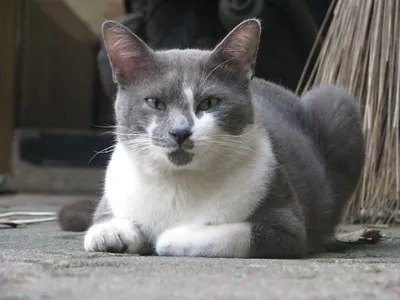
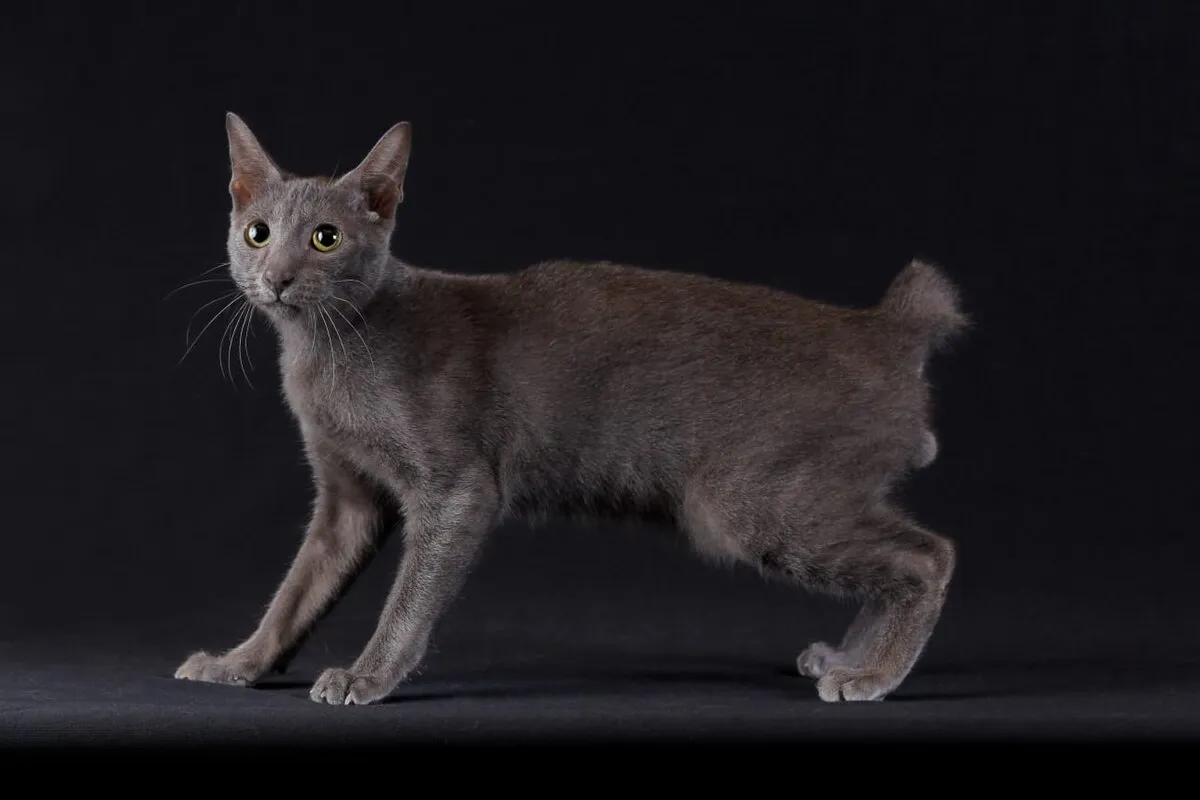
The Raas cat/Busok or Madurese is one of the rarest cat breeds in the world. Raas Island in Indonesia is its native land, and it has developed naturally without hybridisation with other types of cats.
The pure Raas cats are near extinct and are terribly rare, with fewer than 100 pure Raas cats. According to experts, they could be related to the breed of Korat because of their looks and behaviour.
They were recognised by the World Cat Federation as an Indigenous Indonesian breed in 2022.
How Long Do Raas Cats Live?
When taken care of, Raas cats typically have a lifespan of 15 to 20 years.
Raas Cat Temperament and Personality
Raas cats are:
- Intelligent and alert
- Nervous around strangers
- Energetic and independent
- Strong-willed and territorial
- Deeply loyal to their chosen humans
They are unfavourable to families with young children. They are suited to skilled cat owners because of their wild instincts.
Raas Cat Exercise Needs
Raas cats are highly active and need daily exercise:
- Play with feather toys and laser pointers
- Use climbing trees and tunnels
- Train them for leash walks
- Use puzzle toys for mental stimulation
Let them explore in safe, enclosed spaces
Characteristics
Temperament with Kids
Aggressive
Friendly
Playfulness
Silent
Very Playful
Friendliness
Not Friendly
Super Friendly
Shedding amount
Negligible
Frequent
Compatibility with other cats
Not Friendly
Super Friendly
Prey Drive
Low
High
Need for attention
Independent
Very Needy
Monthly Expenses


Raas Cat’s Price Guide
Cost of buying
₹ 15,000 - ₹ 40,000
Shop or Adopt a Raas: Make the Right Choice!
Responsible shopping will make sure that ethical breeding is taking place, while adopting a Raas will give a loving home to a cat that needs it. Pick based on your ability to keep up with their gentle temperament, grooming needs, and lifespan.
Best Practices for Shopping or Adopting a Raas
- Select a good breeder or adoption centre.
- Get health screenings for heart disease and dental problems.
- Observe temperament and socialization levels.
- Vaccination, deworming and medical history should be checked.
- Offer a quiet, reasonably comfortable indoor environment.
- Prevent obesity by maintaining a balanced diet.
- They need to be groomed regularly to manage their dense coat.
- Always ensure you keep routine vet visits as a commitment to lifelong care.
Nutrition Care for the Raas Cat
Monthly Food Expenses
₹ 1,500 - ₹ 2,000
Calories per day
Kittens: 300 kcal
Adults: 400 kcal
Essential Nutrients
Protein
Fats
Carbohydrates
Vitamins
Minerals
Amino Acids (Taurine, Arginine, etc.)
Essential Fatty Acids
Fiber
List of foods
Dry kibble
Wet canned food
Turkey
Chicken (cooked or raw)
Mackerel
Eggs (cooked)
Pumpkin
Blueberries
- They require high quality protein for the maintenance of muscle.
- Healthy fats support energy levels and a shiny coat.
- Immunity and joint health are strengthened with the help of essential nutrients.
- Taurine is important for heart and vision health.
- Wet food helps in hydration and urinary tract health.
- It is best to avoid low quality foods to prevent obesity and digestive problems.
- A balanced diet of wet food, lean meats and supplements is vital for overall well being.
Feeding Guidelines for Raas Cats
Kittens (Up to 12 Months): Serve 3 to 4 small meals each day. Select kitten growth food that is rich in protein.
Adults (1–7 Years): Feed twice a day. Choose balanced adult food with lean protein.
Seniors (7+ Years): Select food that is easily digestible, containing joint support and healthy fats. Keep track of their weight.
Breakdown of Macro-nutrients
Best Foods for Raas Cats
- Wet food keeps them hydrated and healthy. It also maintains the health of the urinary tract, particularly in low water drinking cats.
- Select food containing real meat, such as turkey or chicken. These are protein rich and most cats digest them easily.
- Their shiny coat is maintained by fish-based foods. They are full of omega-3 fatty acids that are beneficial to skin.
- Challenge their intelligence with puzzle feeders. It makes them mentally active and reduces rapid eating.
Avoid fillers or low quality meat foods. These may also cause poor digestion, allergies and obesity.
Foods to Avoid for Raas Cats
Avoid anything with these ingredients
Onions and Garlic
Caffeine
Chocolate
Alcohol
Bones
Raw Eggs
Grapes and Raisins
Dairy (in some cases)
Do not feed:
- Onions, garlic, chocolate, grapes, or raisins are poisonous and may destroy organs.
- Eggs or uncooked meat may have bacteria such as Salmonella that make your cat extremely sick.
- Most cats are lactose intolerant and therefore dairy can upset their stomach.
- Artificial colouring of foods or preservatives can cause allergies or chronic conditions.
- Foods with high carbs may cause obesity and diabetes, among other diseases.


Healthcare for the Raas Cat
Avg Monthly Expenses
₹ 500 - ₹ 700
Common Health Issues
Dental Problems
Kidney Disease
Hyperthyroidism
Obesity
Gastrointestinal Issues
Fleas and Ticks
Upper Respiratory Infections
Skin Allergies
Activities
Play with Toys
Climbing
Exploring
Interactive Playtime
Scratching
Energy Level
Medium
Exercise routine
30 - 60 minutes
Recognising Stress
Hiding
Increased vocalization
Decreased appetite
Overgrooming
Changes in litter box behavior
Common Health Problems of Raas Cats
Because they evolved in isolation, they may be prone to:
- Inherent genetic problems due to inbreeding. Always select ethical breeders that implement health-friendly applications.
- Kidney issues occur when they are not drinking enough water. Give wet food and clean water to help them stay hydrated.
- Stress-related conditions occur when their routine is altered. Maintain a stable environment and change it slowly.
General Healthcare Tips for Raas Cats
- Go to the vet 6 to 12 months after. A routine check-up allows diseases to be identified at an early stage.
- Make sure that vaccinations are current. This guards your cat against frequent and severe illness.
- Check weight to avoid putting pressure on the joints. Arthritis and mobility may result from obesity.
- To hydrate, use wet food or fountains. Water consumption enhances healthy kidneys and the urinary bladder.
- Maintain excellent dental hygiene to prevent gum infection. Dental treats and brushing assist proper oral health.
Senior Raas Cat Care
Older Raas cats need:
- Increased visits to the vet (every 6 months). This aids in the early detection of age-related changes in health.
- Mobility supplements. Omega-3s and glucosamine can also relieve stiffness and pain in joints.
- Easy-access litter boxes and bowls raised to allow food access. These help take pressure off the joints and simplify everyday activities.
- A soft and warm bed in a quiet place. Older cats require additional care and peaceful sleep.
- A regular schedule to relieve stress. Senior cats are more comfortable with routine lifestyle.
Vaccination details
Growth Stage
Core Vaccines
6-8 Weeks
Feline Distemper (FVRCP).
10-12 Weeks
Feline Distemper (FVRCP) Booster.
12-16 Weeks
Feline Leukemia (FeLV).
16-20 Weeks
Rabies.
Raas Cat Grooming Routine
Avg Monthly Expenses
₹ 800 - ₹ 1,500
Shedding Level
Low Shedding
Hygienic Checklist
Feeding
Litter Box
Grooming (for some breeds)
Hydration
Play and Exercise
Health Observation
Benefits of Grooming
Cleanliness
Low Shedding
Odourless
Prevents infections
Quality of life
- Brushing: Brush once a week to remove loose hair
- Nail Trimming: Trim nails every 3–4 weeks
- Ear Cleaning: Clean ears if dirty or waxy
- Use gentle tools—they dislike rough handling
- Bathe only if absolutely needed


Written by
Happy Pet TeamAuthor
Team Happy Pet is a passionate collective of pet experts, enthusiasts, and advocates dedicated to sharing trusted and insightful content.
Our cont
Frequently Asked Questions
Are Raas cats good for beginners?
No. They require skilled owners who comprehend the behaviour of primitive cats.
Can Raas cats live indoors only?
Yes, but they require a lot of toys, room and exercise to remain happy.
Are Raas cats legal to buy and sell?
They are not sold commercially in most cases. They are commonly bred and guarded in Indonesia.
Do Raas cats get along with children?
Not ideal. They are more appropriate in silent houses with older children or adults.