Home
/
Cat Breeds
/
Ragdoll Cat
Ragdoll Cat
Origin
United States
Size
Large Breed
Ideal Space
Apartment
Ideal Weather
20º-30ºC
Life Expectancy
12-15 years
Cost of buying
₹ 15,000 - ₹ 70,000
Top 5 Traits
Affectionate
Gentle
Playful
Laid-back
Friendly
Avg Monthly Expenses
₹ 2,800 - ₹ 4,200

by Happy Pet TeamUpdated on 16 Aug 2025
Ragdoll Cat Breed: Everything You Need to Know
Ragdoll cats are large, affectionate, and adaptable. This makes them perfect lap cats because, as their name suggests, they just fall limp with joy upon being petted.
Don’t let their size fool you, as they are giant softies. Get ready to have long cuddle sessions with them where they will flop on your legs like a mop and expect belly rubs. Their extroverted nature makes them an ideal candidate to thrive in busy households with lots of people and other pets.
Ragdoll Origin and History
Ragdoll cats were first bred by Ann Baker in California in the 1960s. Baker’s goal was to create a cat that had a gentle disposition. After multiple attempts, she successfully created the first generation of Ragdolls. As per The Spruce Pets, these cats were distinguished by their large size, extroverted personality, and their non-matting fur.
Ragdoll cats were first registered by the Cat Fanciers' Association (CFA) in 1993. The CFA continually lists ragdolls as one of the most sought-after cat breeds.
Physical traits & characteristics of Ragdoll
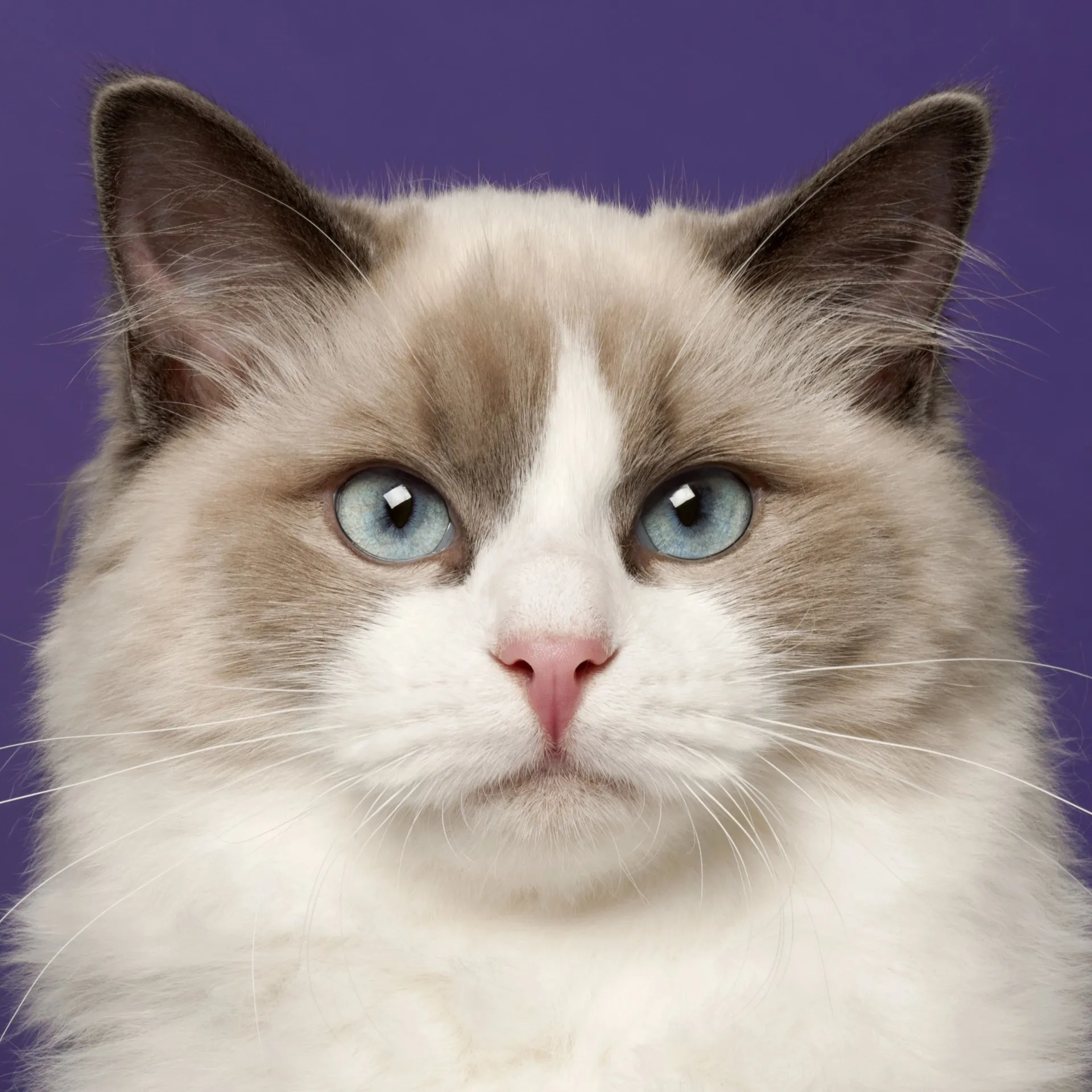
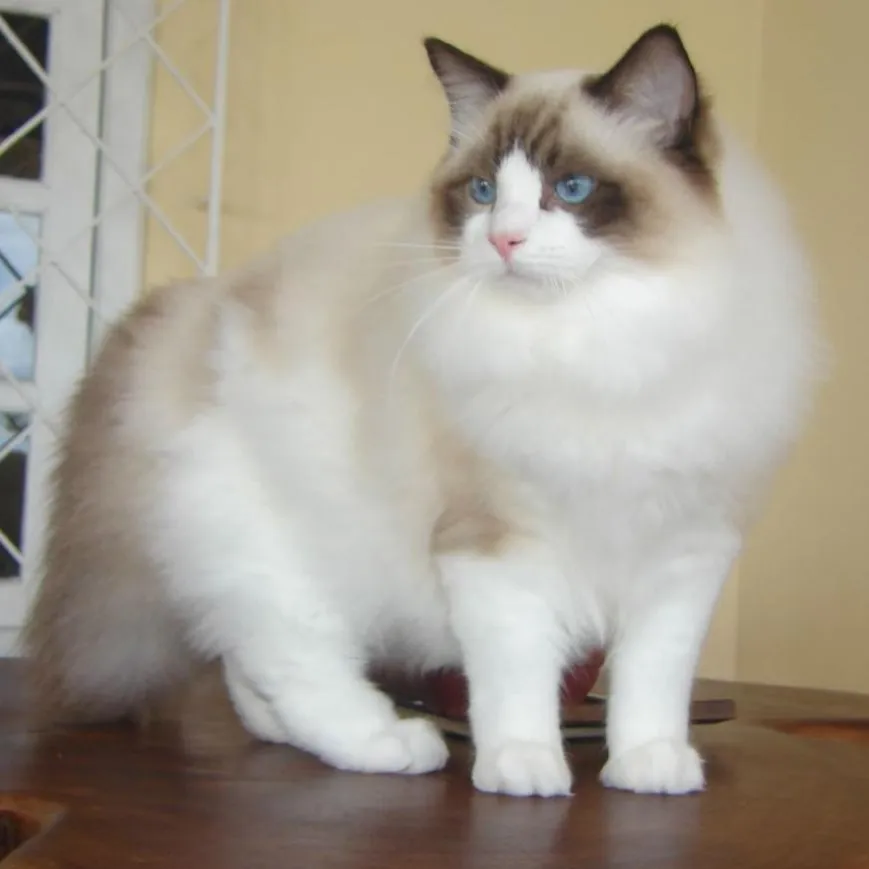
- Eyes - Blue and oval-shaped
- Weight - As per PetMD, a full-grown adult can weigh up to 9 kg
- Height - 9-11 inches
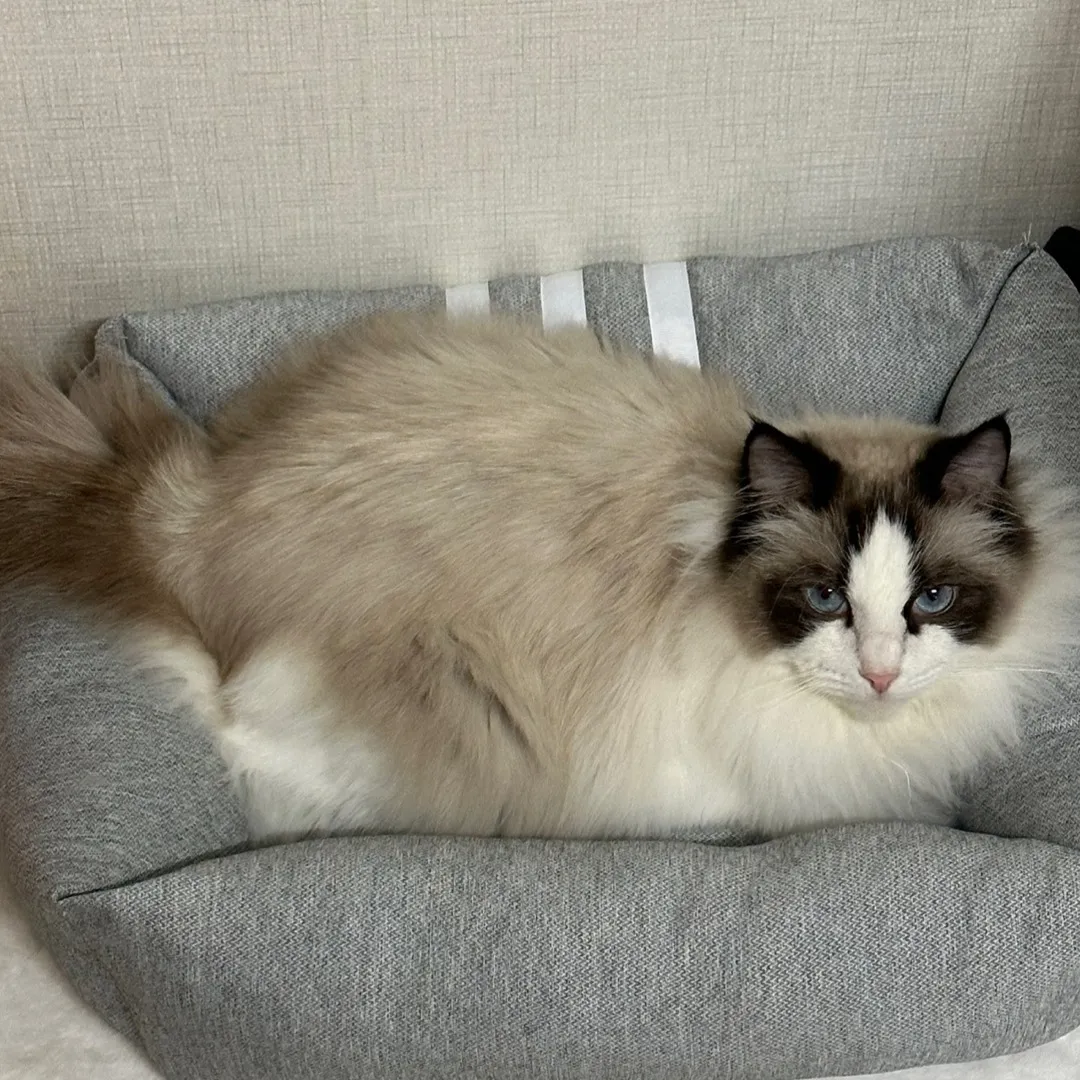
- Coat variants - Seal, Blue, Lilac, Chocolate, Flame, Cream, and Tortie
- The coat is silky soft
Temperament of Ragdoll
- Gentle, calm, and social
- They don't require a lot of living space and can quickly adapt to most surroundings.
- They are compatible with other pets and are great with kids.
- As per the Cat Fanciers’ Association, they are not chatty cats. But they may occasionally meow softly to greet you.
Life expectancy of a Ragdoll
As per PetMD, the Ragdoll cat has an average lifespan of 17 years.
Characteristics
Temperament with Kids
Aggressive
Friendly
Playfulness
Silent
Very Playful
Friendliness
Not Friendly
Super Friendly
Shedding amount
Negligible
Frequent
Compatibility with other cats
Not Friendly
Super Friendly
Prey Drive
Low
High
Need for attention
Independent
Very Needy
Monthly Expenses


Price of a Ragdoll Cat
Cost of buying
₹ 15,000 - ₹ 70,000
The price of a Ragdoll cat in India ranges between 15,000 to 70,000.
There are two ways to welcome a Ragdoll kitten home. They are through buying or adoption.
Here are some of the breeds that are similar to the Ragdoll cat breed
Maine Coon | Persian Cat | Birman | Siberian
Ready for a Ragdoll? Final Tips Before Bringing One Home
- Adopt, don't shop: Consider giving a needy Ragdoll cat a loving home. You can find them in nearby shelters or rescue organizations.
- Health Check: Make sure the cat is vaccinated and get it examined by a veterinarian to rule out any health issues
- Compatibility Assessment: Before finalising a ragdoll. Spend some time with the cat to assess how it gets along with your family.
- Supplies: Stock up on necessary supplies like a litter box, litter, and cat food to prepare for your Ragdoll’s arrival.
Feeding Guide for Ragdoll Cats
Monthly Food Expenses
₹ 1,500 - ₹ 2,000
Calories per day
Kittens: 300 kcal
Adults: 250 kcal
Essential Nutrients
Protein
Fats
Carbohydrates
Vitamins
Minerals
Amino Acids (Taurine, Arginine, etc.)
Essential Fatty Acids
Fiber
List of foods
Dry kibble
Wet canned food
Chicken (cooked or raw)
Lamb
Salmon
Sweet potatoes (cooked)
- When deciding the diet for your Radoll, always ensure that it is in compliance with AAFCO guidelines. This will ensure that they are being fed a well-rounded diet catered to their unique needs.
- PetMD recommends feeding them wet food as it provides them with hydration.
- Despite being high in protein and low in carbohydrates, wet food digests quickly. This causes cats to feel hungry sooner, thus requiring more meals.
- Thus, always provide a balance of wet and dry food.
- Remember that dry food contains more calories than wet food. So adjust portion sizes accordingly.
- Kittens - Ragdoll kittens require more food per kilogram of body weight to support their body growth. As per Untamed, their daily intake should be distributed throughout four to six meals because of their small digestive tract.
Breakdown of Macro-nutrients
Ragdoll Cat Diet Plan: Essentials and Tips
- High Protein - Feed your ragdoll a high-protein diet to support their muscular build. Good options are cooked chicken and fish.
- Carbohydrates - As per Untamed, carbs should make up less than 3% of a Ragdoll’s diet. Be mindful, as overconsumption of carbs like starchy vegetables, sugar, and grains may lead to weight gain and associated health problems.
- Portion Size - Ragdolls have healthy appetites. But monitor their portion levels as they are mostly indoor cats and do not get much exercise. If they have a sedentary lifestyle, they should be fed 40-42 calories per kilo of their body weight.
Ragdoll Cat Diet: Foods to Avoid
Avoid anything with these ingredients
Onions and Garlic
Caffeine
Chocolate
Alcohol
Bones
Raw Eggs
Grapes and Raisins
- While feeding your Ragdoll cat, stay away from foods that are toxic to pets like chocolate, raisins, grapes, etc.
- As per Four Paws, they should not be fed raw eggs and meat, as they carry a risk of salmonella


Health
Avg Monthly Expenses
₹ 500 - ₹ 700
Common Health Issues
Upper Respiratory Infections
Dental Problems
Obesity
Diabetes
Kidney Disease
Hyperthyroidism
Heartworm Disease
Fleas and Ticks
Activities
Play with Toys
Chasing Objects
Exploring
Climbing
Scratching
Energy Level
Medium
Exercise routine
- - - -
Recognising Stress
Hiding
Increased vocalization
Decreased appetite
Overgrooming
Changes in litter box behavior
Medical Care
Although Ragdoll cats are generally healthy, they may be susceptible to some hereditary diseases such as polycystic kidney disease and hypertrophic cardiomyopathy (HCM). Frequent veterinary examinations are essential to track their health and identify any problems early. Providing a healthy diet, consistent exercise, and a stress-free atmosphere will have a big impact on their general wellbeing.
Vaccination details
Growth Stage
Core Vaccines
6-8 Weeks
FVRCP
12-14 Weeks
FVRCP
16-18 Weeks
FVRCP
20 Weeks
20 Weeks
Anually
FVRCP + Rabies
Best Grooming Practices for Ragdolls
Avg Monthly Expenses
₹ 800 - ₹ 1,500
Shedding Level
No Shedding
Hygienic Checklist
Litter Box
Fur trimming
Nail Trimming
Ear cleaning
Teeth care
Benefits of Grooming
Cleanliness
Low Shedding
Odourless
Prevents Bad Breath
Prevents infections
- Coat - With a silky single coat, the ragdoll cat has no undercoat of fur. Compared to other medium-haired cat coats, it is intended to mat less. Brushing at least twice a week is still beneficial for this breed in order to prevent tangles.
- Nails - Ragdolls require nail trimmings just like any other cat. According to The Spruce Pets, after a pedicure, your cat will likely want to sharpen their claws even more than usual, so be sure you have sturdy scratching posts available.
- Teeth - Your cat's dental health can be supported by brushing their teeth every day or a few times a week. Be mindful to only use toothpaste made specifically for cats.


Written by
Happy Pet TeamAuthor
Team Happy Pet is a passionate collective of pet experts, enthusiasts, and advocates dedicated to sharing trusted and insightful content.
Our cont
Frequently Asked Questions
What is the lifespan of Ragdoll Cats?
Ragdolls live up to 17 years.
Do Ragdolls require a lot of maintenance?
Ragdoll cats don't require a lot of maintenance. They need to be brushed regularly, but can be bathed occasionally.
Are Ragdolls good family cats?
Yes, absolutely! They are known for their amiable demeanour and love cuddles and playtime with family.