Home
/
Cat Breeds
/
Russian Blue
Russian Blue
Origin
Russia
Size
Medium Breed
Ideal Space
Apartment
Ideal Weather
18º-24ºC
Life Expectancy
15-20 years
Cost of buying
₹ 50,000 - ₹ 1,50,000
Top 5 Traits
Independent
Affectionate
Curious
Gentle
Reserved
Avg Monthly Expenses
₹ 7,800 - ₹ 12,700

by Happy Pet TeamUpdated on 3 Sept 2025
Know All About the Russian Blue: The Cat in Velvet
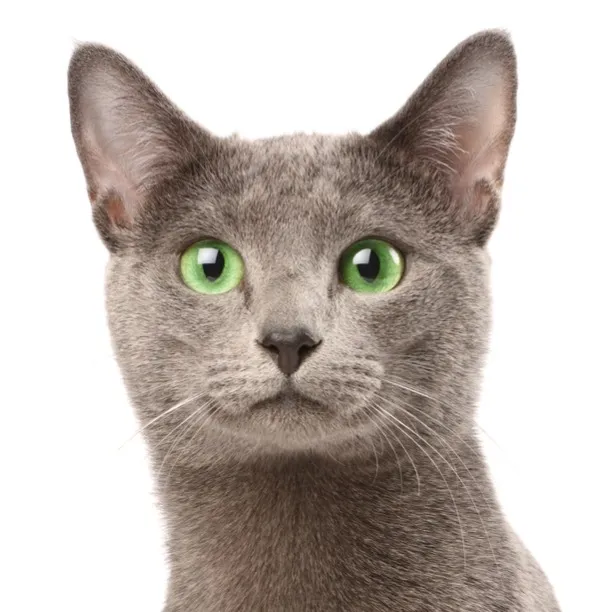
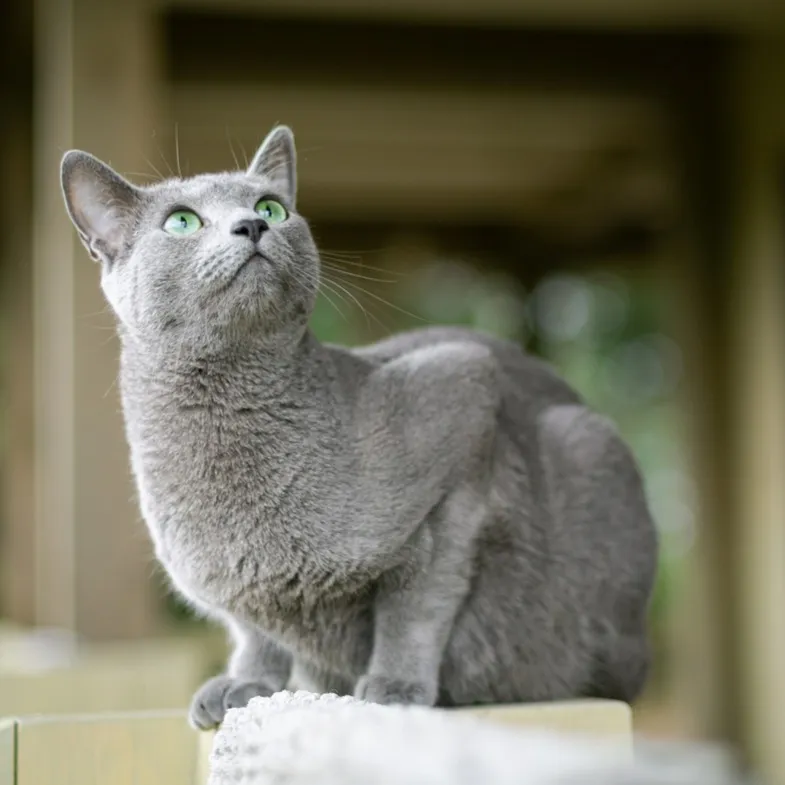
If you’ve ever wanted a cat that looks like it’s wearing a luxurious, silvery-blue velvet coat, the Russian Blue might just steal your heart. Known for their piercing green eyes and graceful elegance, these cats are the picture of quiet sophistication. Despite their aristocratic appearance, Russian Blues are not a “designer” creation—they trace their roots back to northern Russia, with some accounts suggesting that sailors brought them to Europe in the 1860s.
In India, where bustling households, hot summers, and diverse climates test both people and pets, the Russian Blue’s short, dense double coat proves surprisingly practical. While it looks plush and regal, it requires minimal grooming and helps the cat stay comfortable across varying temperatures. Combine that with their reserved but deeply affectionate personality, and you’ll find a breed that appeals to families, working professionals, and seniors alike.
Personality That Wins You Over
The Russian Blue isn’t just about stunning looks—it’s a thoughtful, loyal companion with a heart of gold. Often called the “gentle aristocrat” of the cat world by The International Cat Association (TICA), this breed balances independence with affection in a way that’s perfect for modern Indian homes.
Here’s why families fall in love with them:
They’re affectionate but not clingy – Russian Blues form deep bonds with their chosen humans, often following them quietly from room to room. But unlike some lap-hungry breeds, they’re respectful of your space—ideal if you work long hours or live in a busy city like Mumbai.
They’re intelligent problem-solvers – This breed loves puzzle toys, interactive play, and even learns routines quickly. Their sharp minds make them a joy for cat parents who enjoy engaging with their pets beyond simple cuddles.
They’re shy but loyal – Russian Blues can be reserved around strangers, making them excellent companions for families who prefer a calmer, more predictable pet dynamic. Once they trust you, their loyalty runs deep.
They adapt quietly – Whether it’s a compact apartment in Delhi or a spacious bungalow in Pune, Russian Blues thrive as long as they feel safe and have their human close by. Their naturally quiet demeanor also makes them well-suited for apartment living.
The best part? Their low-maintenance grooming and reserved, easygoing nature mean they fit seamlessly into Indian households where routines can be unpredictable. They’re the kind of cat that asks for little yet gives back a lifetime of companionship.
Lifespan
So in India or elsewhere, with proper attention and love, you can expect your Russian Blue to be a cherished companion potentially for 15 to 20 years, and occasionally much longer.
Characteristics
Temperament with Kids
Aggressive
Friendly
Playfulness
Silent
Very Playful
Friendliness
Not Friendly
Super Friendly
Shedding amount
Negligible
Frequent
Compatibility with other cats
Not Friendly
Super Friendly
Prey Drive
Low
High
Need for attention
Independent
Very Needy
Monthly Expenses


Lifespan & Price of the Russian Blue Cat in India
Cost of buying
₹ 50,000 - ₹ 1,50,000
Russian Blues are robust cats with a lifespan of 15–20 years, making them one of the longest-living pedigree breeds.
In India, Russian Blues are considered rare and premium. Prices typically start around ₹50,000–₹80,000 for pet-quality kittens and can reach ₹1,50,000 or more for show-quality or imported cats.
Exercise and Enrichment For Russian Blue Cats
Despite their elegant, reserved appearance, Russian Blues are playful and intelligent cats who thrive on mental stimulation.
- Playtime: Daily sessions of 15–20 minutes with feather wands, laser toys, or chase balls keep them fit and entertained. They especially enjoy games of “hunt,” which mimic their natural instincts.
- Climbing & Perching: They love high perches and quiet observation spots. A cat tree or secure window perch is perfect for apartment living.
- Training: Russian Blues are smart and food-motivated. They respond well to clicker training for simple commands or even leash-walking
- Climate Care: In India’s hot summers, their dense coat can trap heat. Always provide well-ventilated rooms, ceiling fans, or AC. Schedule play in the cooler mornings and evenings. In winter, especially in North India, their plush coat usually keeps them comfortable, but a cozy blanket is always welcome.
Similar Breeds to the Russian Blue Cat
Buying or Adopting a Russian Blue Cat in India
Finding a Russian Blue in India takes patience. Always buy from responsible breeders who can provide pedigree papers, health test results, and vaccination records. Avoid backyard breeders or sellers advertising “silver cats” or “grey Persians”—these are often misrepresented mixes.
Adoption, though rare, is worth exploring. Some rescue groups in metro cities like Bengaluru, Delhi, or Mumbai occasionally see Russian Blue mixes surrendered by families unable to handle pedigree care.
At home, Russian Blues thrive in quiet, stable households. They are shy with strangers but deeply loyal to their chosen humans, often bonding strongly with one or two family members. To keep them safe and happy in Indian cities:
- Secure balconies and windows with mesh (they’re excellent jumpers).
- Provide scratching posts to save your furniture.
- Maintain good indoor air circulation to avoid overheating in summer.
With the right balance of grooming, play, and climate care, the Russian Blue can live a long, elegant, and affectionate life in Indian homes.
Nutrition
Monthly Food Expenses
₹ 6,500 - ₹ 10,500
Calories per day
Kittens: 500 kcal
Adults: 250 kcal
Essential Nutrients
Protein
Fats
Carbohydrates
Vitamins
Minerals
Amino Acids (Taurine, Arginine, etc.)
Essential Fatty Acids
Fiber
List of foods
Dry kibble
Wet canned food
Chicken (cooked or raw)
Salmon
Tuna
Mackerel
Sardines (in moderation)
Rice (cooked)
Sweet potatoes (cooked)
The Russian Blue may look like a sleek runway model with its shimmering blue-gray coat, but don’t be fooled—this is a cat with an appetite that can surprise you. With a medium, athletic build and a tendency to overeat, the Russian Blue’s diet has to strike a fine balance between lean muscle maintenance and weight control. In India—where hot summers and relatively sedentary indoor lifestyles can add to weight gain—the right nutrition plan is key to keeping this breed healthy, graceful, and glowing.
Protein
For the Russian Blue, protein isn’t just important—it’s non-negotiable. With their naturally muscular frame and active yet not overly hyper temperament, they thrive on high-quality animal protein. As PetMD notes, cats are obligate carnivores, which means taurine-rich proteins like chicken, fish, and turkey are essential for maintaining muscle tone, vision, and heart health.
In India, opt for premium cat food brands (like Royal Canin, Farmina, or Indian options available through Heads Up For Tails or Supertails) where the first ingredient is always real meat. Pet parents who prefer home-prepped meals can offer boiled chicken or lightly cooked fish—but always balance with formulated cat food to cover vitamins, minerals, and taurine.
Fats
That silvery double coat—the Russian Blue’s crown jewel—needs more than brushing to stay plush and shiny. Healthy fats, particularly Omega-3 and Omega-6 fatty acids, are the secret to supporting skin resilience and enhancing coat sheen. According to International Cat Care, these fatty acids also support joint flexibility, which helps Russian Blues remain agile even as they age.
In India, where dry winters in the North or humid coastal climates can stress the skin, adding a vet-approved fish oil supplement or including Omega-rich foods in moderation can make a visible difference in coat texture.
Carbohydrates
Russian Blues are famous for one thing beyond their beauty—their tendency to put on weight. With a slower metabolism and a hearty appetite, they don’t tolerate heavy carbs well. Too much corn, wheat, or soy can quickly lead to obesity. As The Spruce Pets highlights, calorie management is critical for this breed.
That makes grain-free, protein-first foods the best fit for Russian Blues in Indian households. Many Indian retailers now carry these specialized diets, making it easier to avoid carb-heavy fillers.
Feeding Guidelines by Life Stage
- Kittens – Need 3–4 small, protein-rich meals daily to fuel their growth and coat development.
- Adults – Two carefully measured meals a day (wet + dry combo) to prevent overeating.
- Seniors – Calorie-controlled diets with added supplements like glucosamine to support mobility and weight control.
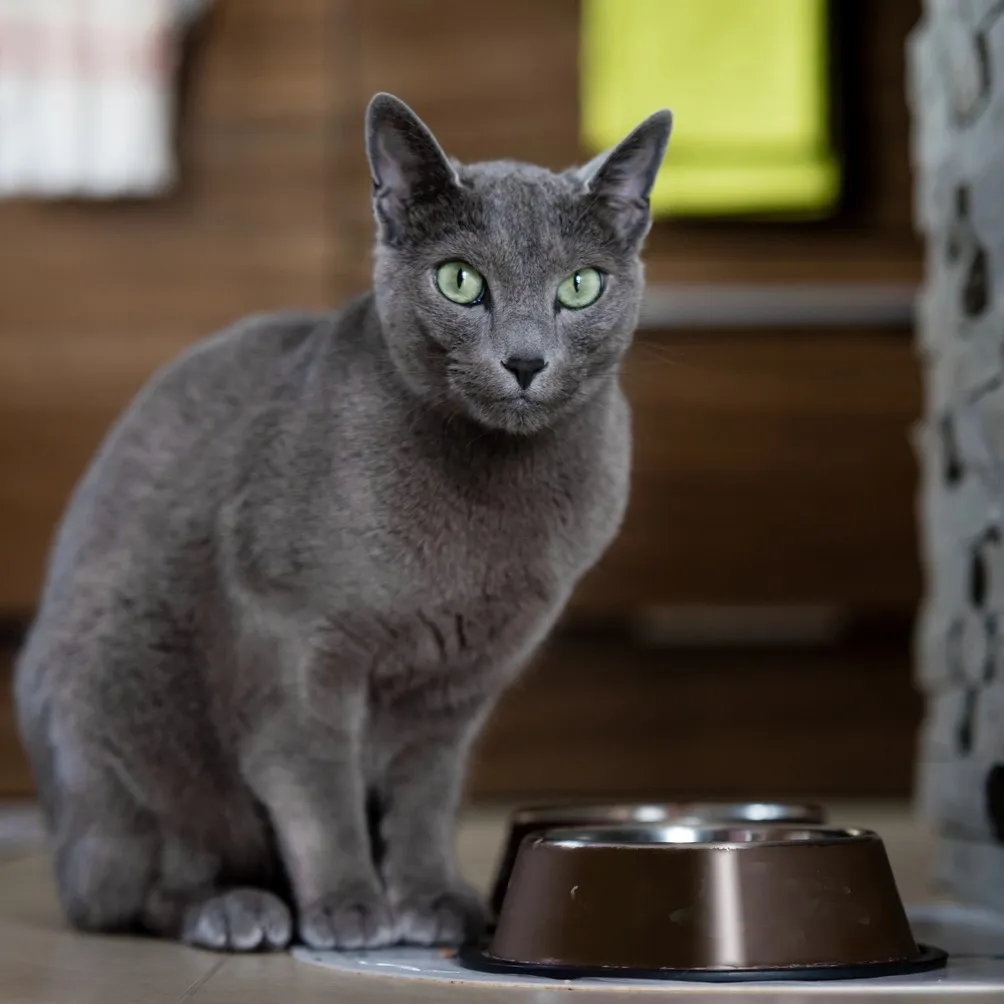
Since Russian Blues are prone to sneaking in extra bites, measured portions and feeding schedules are essential—no free-feeding bowls unless you want a chubby cat!
Breakdown of Macro-nutrients
Choosing the Right Food for Russian Blues
- Meat-First Diets – Always look for chicken, fish, or turkey as the first ingredient.
- Skip the Fillers – No corn, soy, or animal by-products.
Key Nutrients to Include:
- Taurine – for heart and eye health
- Omega-3 & 6 – for coat sheen and skin resilience
- L-Carnitine – to support metabolism and prevent obesity
- Biotin & Vitamin E – to maintain coat shine
Wet vs. Dry Food: Striking a Balance
Hydration is one of the hidden challenges for cats, and Russian Blues are no exception. PetMD stresses that wet food helps with kidney and urinary tract health while boosting hydration—especially important in India’s hot climate.
- Wet food – Boosts hydration, supports kidney health, keeps weight balanced.
- Dry food – Aids dental care and portion control but must be high in protein and free from fillers.
A mix of both, tailored to your cat’s lifestyle, works best. Some Indian pet parents add toppers like plain boiled chicken or egg for variety—but always in moderation and with vet approval.
Never feed these foods to Russian Blue
Avoid anything with these ingredients
Onions and Garlic
Caffeine
Alcohol
Chocolate
Bones
Raw Eggs
Xylitol
Artificial Sweeteners
- Toxic foods: onions, garlic, grapes, raisins, chocolate, caffeine, alcohol
- Dairy: despite myths, most Russian Blues (like other cats) are lactose intolerant
- Raw fish: can cause thiamine deficiency and neurological problems
- Cooked bones: splintering risk and digestive harm


Health Profile of Russian Blue Cats
Avg Monthly Expenses
₹ 500 - ₹ 700
Common Health Issues
Upper Respiratory Infections
Dental Problems
Obesity
Diabetes
Kidney Disease
Hyperthyroidism
Heartworm Disease
Fleas and Ticks
Activities
Play with Toys
Exploring
Climbing
Scratching
Lounging
Energy Level
Medium
Exercise routine
30 - 60 minutes
Recognising Stress
Increased vocalization
Decreased appetite
Diarrhea
Restlessness
Aggression
Medical Care for the Russian Blue Cat
The Russian Blue may look like a silver-coated aristocrat with its dense, plush fur and piercing green eyes, but beneath that elegance is a cat that thrives on consistency, preventive vet care, and an environment tailored to India’s varied climates. While Russian Blues are generally a hardy breed, they carry a few quirks—sensitive digestion, stress-related illnesses, and occasional dental troubles—that make regular vet visits and climate-smart home care especially important for Indian households.
Annual check-ups are your Russian Blue’s best defense. These visits aren’t just about vaccines; they allow your vet to track weight, monitor heart and kidney health, and check dental hygiene. While the breed doesn’t share the Persian’s hereditary risks, they can develop hypertrophic cardiomyopathy (HCM) and obesity-related issues if their diet and exercise aren’t balanced (Cornell Feline Health Center). Early detection with screenings, especially as they age, makes all the difference.
Vaccinations & Parasite Protection
Core vaccinations—rabies, feline panleukopenia, calicivirus, and rhinotracheitis—are essential, especially in India where community cats and strays often live near residential colonies. If your Russian Blue has balcony or garden access, your vet may also recommend the feline leukemia vaccine for added security.
Parasites are a common worry in India’s climate. Even indoor cats are at risk—fleas and ticks can hitch a ride on shoes, or through open windows in monsoon months. Regular deworming and monthly flea/tick preventives are a must (International Cat Care). In multi-pet homes, especially with dogs, parasite checks should be even more frequent.
Health Quirks to Watch Out For
- Weight gain: Russian Blues are foodies and have a reputation for “begging eyes.” Without portion control and playtime, obesity is a real concern, especially in less active Indian homes.
- Stress sensitivity: They’re creatures of routine. Loud households, constant travel, or fireworks (common during Diwali) can spike anxiety, which sometimes shows up as digestive issues or over-grooming.
- Dental care: Plaque and gingivitis are common in the breed. Neglecting oral hygiene can lead to tooth loss in middle age.
- Respiratory comfort: While not brachycephalic, their dense double coat can feel stifling in humid Indian summers, putting them at risk of overheating if homes aren’t cooled properly.
Day-to-Day Care at Home
- Grooming: Unlike the Selkirk, the Russian Blue’s coat is short and dense, needing just a weekly brush. But in India’s shedding seasons (spring and pre-monsoon), brushing twice a week keeps fur off your furniture and reduces hairballs. A grooming mitt works well for their undercoat.
- Dental health: Brushing two to three times weekly with feline toothpaste is ideal. If brushing feels impossible, consider dental diets or chews as backups.
- Play & exercise: They’re agile, intelligent cats who love interactive play. Daily feather wand sessions or puzzle feeders not only keep them slim but also reduce stress.
- Climate comfort: Russian Blues were bred for cold northern climates. In India, summers can be harsh—always ensure AC or fans in their favorite rooms. In colder northern states, their plush coat keeps them snug, but a soft blanket or heated mat in winter months adds comfort.
- Hydration: Like many cats, they’re not the best water drinkers. Adding wet food to their meals helps prevent urinary issues, especially in hot cities like Delhi or Chennai.
Caring for Senior Russian Blues
With age, Russian Blues may slow down but still remain graceful. Their focus shifts from bounding play to quiet comfort, and this is when preventive care becomes critical.
- Vet visits: Move to twice-yearly check-ups to monitor kidney, heart, and dental health closely.
- Diet: Senior formulas are best—low in calories but high in taurine, omega-3 fatty acids, and joint-support supplements like glucosamine (The Spruce Pets).
- Mobility: While arthritis isn’t a major breed concern, a padded bed, low-rise climbing shelves, or ramps help older cats move comfortably.
- Climate care: Senior cats overheat faster. Always provide cool, shaded areas in summer, and cozy, insulated resting spots in winter.
Vaccination details
Growth Stage
Core Vaccines
8-10 Weeks
Feline Viral Rhinotracheitis, Calicivirus, Panleukopenia (FVRCP)
12-14 Weeks
FVRCP booster
16-20 Weeks
Rabies
Grooming the Russian Blue Cat
Avg Monthly Expenses
₹ 800 - ₹ 1,500
Shedding Level
Low Shedding
Hygienic Checklist
Grooming (for some breeds)
Hydration
Health Observation
Nail Trimming
Ear cleaning
Teeth care
Benefits of Grooming
Cleanliness
Odourless
Low Shedding
Prevents Bad Breath
Quality of life
Prevents infections
The Russian Blue’s shimmering silver-blue coat may look high-maintenance, but it’s surprisingly easy to manage compared to long-haired breeds like the Persian. Their short, dense double coat sheds moderately and only needs brushing once or twice a week with a soft bristle brush or grooming glove. This keeps loose fur under control, especially in India’s shedding seasons (spring and early summer). Over-grooming isn’t required—the coat naturally resists dirt and oil, making them fairly “self-cleaning".
Bathing is rarely needed unless your cat has rolled in something sticky. If you do bathe them, use a mild, cat-safe shampoo and dry thoroughly—Russian Blues are not fond of water. In humid cities like Mumbai or Chennai, make sure the undercoat dries properly to avoid fungal skin issues.
Routine care includes ear cleaning and nail trims every 2–3 weeks, especially important in dusty urban environments where wax buildup is common. Dental care is crucial, too—Russian Blues are prone to gum disease if neglected. Brushing with cat-safe toothpaste or using dental treats helps prevent long-term oral issues.
The good news? Russian Blues are neat, gentle cats who usually tolerate grooming if introduced early. Keep sessions calm, reward them with treats, and it becomes less a chore and more a bonding ritual.


Written by
Happy Pet TeamAuthor
Team Happy Pet is a passionate collective of pet experts, enthusiasts, and advocates dedicated to sharing trusted and insightful content.
Our cont
Compare with similar breeds
Frequently Asked Questions
Do Russian Blue cats require a lot of grooming?
Russian Blue cats have short, dense coats that require minimal grooming compared to some other breeds. It normally takes just one brushing each week with a soft-bristled brush to disperse natural oils and remove stray hairs.
What type of diet is suitable for Russian Blue cats?
Russian Blue cats thrive on a balanced diet consisting of high-quality cat food rich in animal-based proteins. Since they are prone to gaining weight, it is imperative to keep an eye on their food intake in order to prevent obesity.
Are Russian Blue cats hypoallergenic?
Russian Blue cats are believed to produce less allergies than certain other types, but no cat breed is totally hypoallergenic. However, individual reactions can vary, so spending time with a Russian Blue before bringing one home is advisable for allergy sufferers.