Home
/
Cat Breeds
/
Rusty-Spotted Cat
Rusty-Spotted Cat
Origin
India
Sri Lanka
Size
Small Breed
Ideal Space
Apartment
Ideal Weather
12º-14ºC
Life Expectancy
12-14 years
Cost of buying
₹ 2,00,000 - ₹ 4,00,000
Top 5 Traits
Curious
Independent
Active
Gentle
Energetic
Avg Monthly Expenses
₹ 2,225 - ₹ 3,325

by Happy Pet TeamUpdated on 18 Jun 2025
Introduction to the Rusty-Spotted Cat
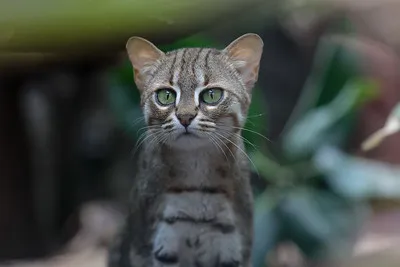
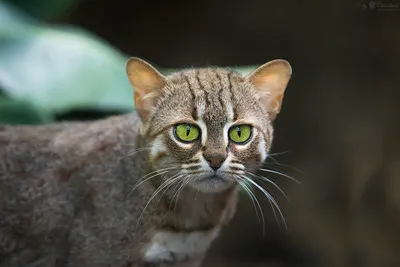
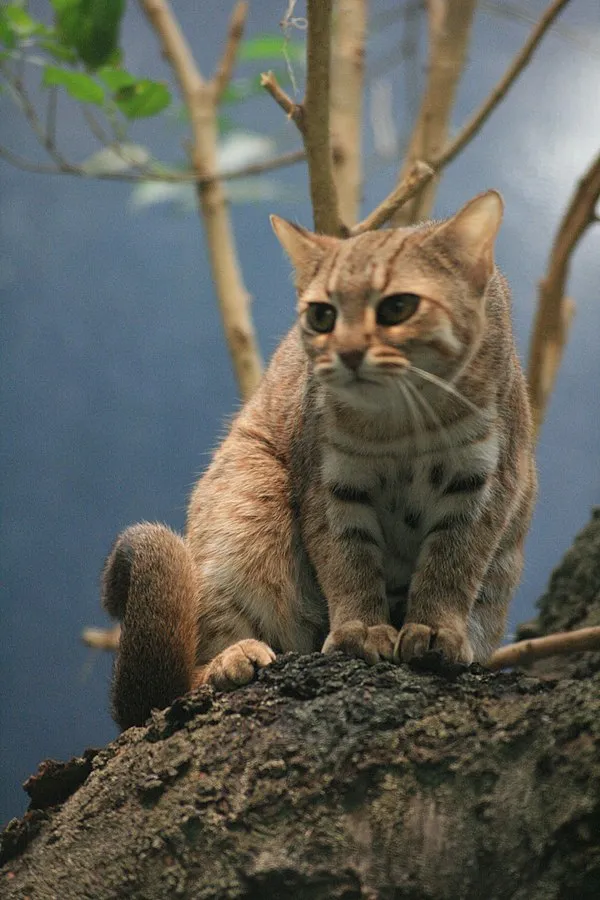
Rusty-Spotted Cat (Prionailurus rubiginosus) is the smallest wild cat in the world and is found in India, Sri Lanka, and recently it has also been identified in Nepal. In 1831, Isidore Geoffroy Saint-Hilaire initially wrote about this elusive feline, which, because of its diminutive stature and quick movements, has come to be known as the hummingbird of the cat family.
Officially,t hree subspecies are recognised:
- P. r. rubiginosus – Found in India and Nepal
- P. r. phillipsi – Native to Sri Lanka’s Wet Forest Zone
- P. r. koladivius – Found in Sri Lanka’s dry lowlands
At this time, the IUCN Red List includes them as Near Threatened, citing habitat degradation and the fact that they have a small range.
How Long Do Rusty-Spotted Cats Live?
Rusty-spotted cats have a lifespan of 12-14 years when taken care of. The maximum known life span is 18 years.
Rusty-Spotted Cat Temperament and Personality
Rusty-Spotted Cats are:
- Hyper-shy, and intensely territorial
- Nocturnal predators, which hunted at night
- They were known to be solitary and elusive of the human touch
- Vicious hunters despite their small size
- Sometimes loving when reared in confinement, usually wild in instincts.
Rusty-Spotted Cat Exercise Needs
These cats are extremely active and agile. Provide:
- 30–60 minutes of physical activity daily
- Vertical space: Cat trees, shelves
- Interactive play: Feather toys, laser pointers
- Climbing and hiding spaces: Replicate natural habitat
Characteristics
Temperament with Kids
Aggressive
Friendly
Playfulness
Silent
Very Playful
Friendliness
Not Friendly
Super Friendly
Shedding amount
Negligible
Frequent
Compatibility with other cats
Not Friendly
Super Friendly
Prey Drive
Low
High
Need for attention
Independent
Very Needy
Monthly Expenses


Rusty-Spotted Cat’s Price
Cost of buying
₹ 2,00,000 - ₹ 4,00,000
The Rusty-Spotted Cat prices depend upon coat type and lineage. In India, the price falls somewhere between ₹ 2,00,000 - ₹ 4,00,000.
Similar Breeds to the Rusty-Spotted Cat
Shop or Adopt a Rusty-Spotted Cat: Make the Right Choice!
Responsible shopping will make sure that ethical breeding is taking place, while adopting a Rusty-Spotted Cat will give a loving home to a cat that needs it. Pick based on your ability to keep up with their gentle temperament, grooming needs, and lifespan.
Best Practices for Shopping or Adopting a Rusty-Spotted Cat
- Select a good breeder or adoption centre.
- Get health screenings for heart disease and dental problems.
- Observe temperament and socialization levels.
- Vaccination, deworming and medical history should be checked.
- Offer a quiet, reasonably comfortable indoor environment.
- Prevent obesity by maintaining a balanced diet.
- They need to be groomed regularly to manage their dense coat.
- Always ensure you keep routine vet visits as a commitment to lifelong care.
Nutrition Care for the Rusty-Spotted Cat
Monthly Food Expenses
₹ 1,125 - ₹ 1,500
Calories per day
Kittens: 300 kcal
Adults: 220 kcal
Essential Nutrients
Protein
Fats
Carbohydrates
Vitamins
Minerals
Amino Acids (Taurine, Arginine, etc.)
Essential Fatty Acids
Fiber
List of foods
Dry kibble
Wet canned food
Chicken (cooked or raw)
Turkey
Cat-specific multivitamins
Omega-3 fatty acids
Mackerel
Eggs (cooked)
- They require high quality protein for the maintenance of muscle.
- Healthy fats support energy levels and a shiny coat.
- Immunity and joint health are strengthened with the help of essential nutrients.
- Taurine is important for heart and vision health.
- Wet food helps in hydration and urinary tract health.
- It is best to avoid low quality foods to prevent obesity and digestive problems.
- A balanced diet of wet food, lean meats and supplements is vital for overall well being.
Feeding Guidelines for Rusty-Spotted Cats
Kittens (Up to 6 Months): 3-4 feedings each day. Pick high-protein kitten food (wet food is better).
Adults (1–7 Years): 2 meals daily. 3–4 servings per 5 lbs of body weight.
Seniors (7+ Years): 2-3 smaller meals. High-protein (up to 50%), easily digestible food. 5 servings per 8 lbs of body weight.
Breakdown of Macro-nutrients
Best Foods for Rusty-Spotted Cats
- Wild Diet: Primarily rodents (95%), reptiles (6%), birds (5%), insects (14%), and a few plants (9%).
- Captive Feeding: Feed raw or wet food with real meat as the main ingredient.
- Protein Needs: To stay healthy, seek food that has a 40-50% protein content.
- Taurine Support: Select grains, free food with taurine supplements for heart and vision.
- Dry Food Caution: Never give regular kibble unless the food was created specifically by obligate carnivores.
Foods to Avoid for Rusty-Spotted Cats
Avoid anything with these ingredients
Onions and Garlic
Chocolate
Alcohol
Bones
Grapes and Raisins
Caffeine
Artificial Sweeteners
- High-carb foods: High-carb diets may cause obesity and the risk of diabetes, especially in less active animals.
- Low-protein commercial food: They do not contain the amino acids necessary to develop and maintain muscle mass, or to sustain energy, both of which are crucial to active and working breeds.
- Processed food with additives: Artificial colours, flavours and preservatives may cause allergies, digestive disturbances and eventually dull coats.
- Human snacks: Ordinary food such as chocolate, onions, garlic, grapes, and dairy cannot be broken down easily by cats and can pose severe health conditions.


Healthcare for the Rusty-Spotted Cat
Avg Monthly Expenses
₹ 500 - ₹ 700
Common Health Issues
Upper Respiratory Infections
Kidney Disease
Dental Problems
Gastrointestinal Issues
Urinary Tract Infections (UTI)
Fleas and Ticks
Eye Problems
Hyperthyroidism
Skin & coat disorders
Activities
Exploring
Climbing
Hunting Games
Watching Birds
Interactive Playtime
Energy Level
High
Exercise routine
45 - 60 minutes
Recognising Stress
Hiding
Increased vocalization
Decreased appetite
Overgrooming
Changes in litter box behavior
Common Health Problems of Rusty-Spotted Cats
Rusty-spotted cats are a hardy species, but when kept in captivity could experience stress-related problems or dietary problems. With the correct nutrition, enrichment, and frequent vet visits, most issues are avoidable. Some of the common health issues are listed below-
- Chronic Kidney Disease (CKD): A typical problem in older cats that leads to progressive kidney failure, which is treated by diet and hydration.
- Feline Immunodeficiency Virus (FIV): Suppresses the immune system, making them vulnerable to infection, and recovery takes longer.
- Upper Respiratory Infections (URIs): Contagious and viral infections that result in sneezing, irritation of the eyes, and the nose.
- Dental Disease: Causes pain in the gums, tooth decay and infections in case of absence of dental care.
General Healthcare Tips for Rusty-Spotted Cats
- Vet visits: Plan out checks every 6-12 months to pick up any health concerns early.
- Weight checks: Assists in avoiding obesity and joint or metabolic issues.
- Wet food & fountains: Maintain healthy urinary health and cat hydration.
- Vaccinations: Defend against FIV, FeLV, calicivirus, and herpesvirus.
- Parasite prevention: Critical to cats in outdoor or hybrid situations.
Senior Rusty-Spotted Cat Care
- Increase protein intake (up to 50%) – Helps in the preservation of muscles and general vitality as cats age.
- Provide easy-access litter boxes and soft bedding – Eases the load on joints and provides comfort on an everyday basis.
- Feed digestible foods – Aids digestion and minimises the intake of nutrients.
- Monitor muscle tone and kidney function – Any indications of loss of muscle or kidney stress should be tackled in the early stages.
- Schedule vet checkups every 6 months – Guarantees early detection and management of age-related problems.
Vaccination details
Growth Stage
Core Vaccines
6-8 Weeks
Feline Rhinotracheitis, Calicivirus, Panleukopenia (FVRCP).
10-12 Weeks
FVRCP.
14-16 Weeks
FVRCP, Rabies.
Annually
FVRCP, Rabies.
Rusty-Spotted Cat Grooming Routine
Avg Monthly Expenses
₹ 600 - ₹ 1,125
Shedding Level
Low Shedding
Hygienic Checklist
Litter Box
Grooming (for some breeds)
Hydration
Teeth care
Play and Exercise
Health Observation
Benefits of Grooming
Cleanliness
Low Shedding
Prevents infections
Odourless
Quality of life
- Brush the coat once a week to remove loose fur.
- Check the skin and look for any mats weekly.
- Trim the nails every two weeks.
- Clean the ears every two weeks with a vet-approved solution.
- Bathing is rarely needed unless the cat gets very dirty.


Written by
Happy Pet TeamAuthor
Team Happy Pet is a passionate collective of pet experts, enthusiasts, and advocates dedicated to sharing trusted and insightful content.
Our cont

Frequently Asked Questions
Are rusty-spotted cats legal to own?
In a majority of countries, special permits are needed, or it is illegal to own it on conservation grounds.
How small are rusty-spotted cats?
Adults are approximately half the size of a domestic cat and usually weigh 1–1.6 kg.
What makes them unique?
They are one of the most unique wild cats due to their small size, wild instincts and high levels of agility.
Why are they called rusty-spotted cats?
It is named after its rust-brown markings on the reddish-grey coat.