Home
/
Cat Breeds
/
Siamese Cat
Siamese Cat
Origin
Thailand
Size
Medium Breed
Ideal Space
Apartment
Ideal Weather
20º-28ºC
Life Expectancy
12-15 years
Cost of buying
₹ 15,000 - ₹ 45,000
Top 5 Traits
Playful
Curious
Affectionate
Vocal
Active
Avg Monthly Expenses
₹ 2,800 - ₹ 4,200

by Happy Pet TeamUpdated on 3 Sept 2025
Introduction to the Siamese
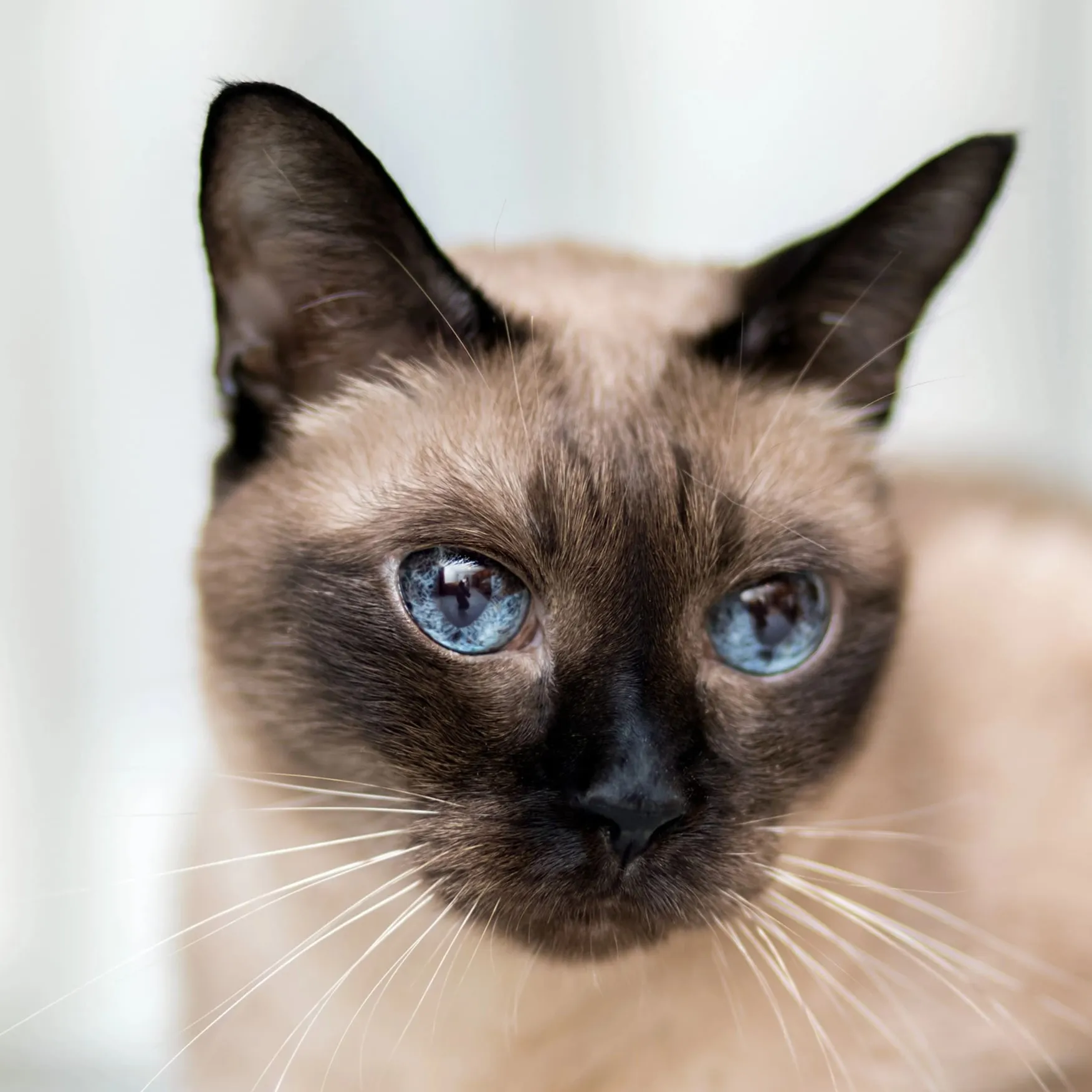
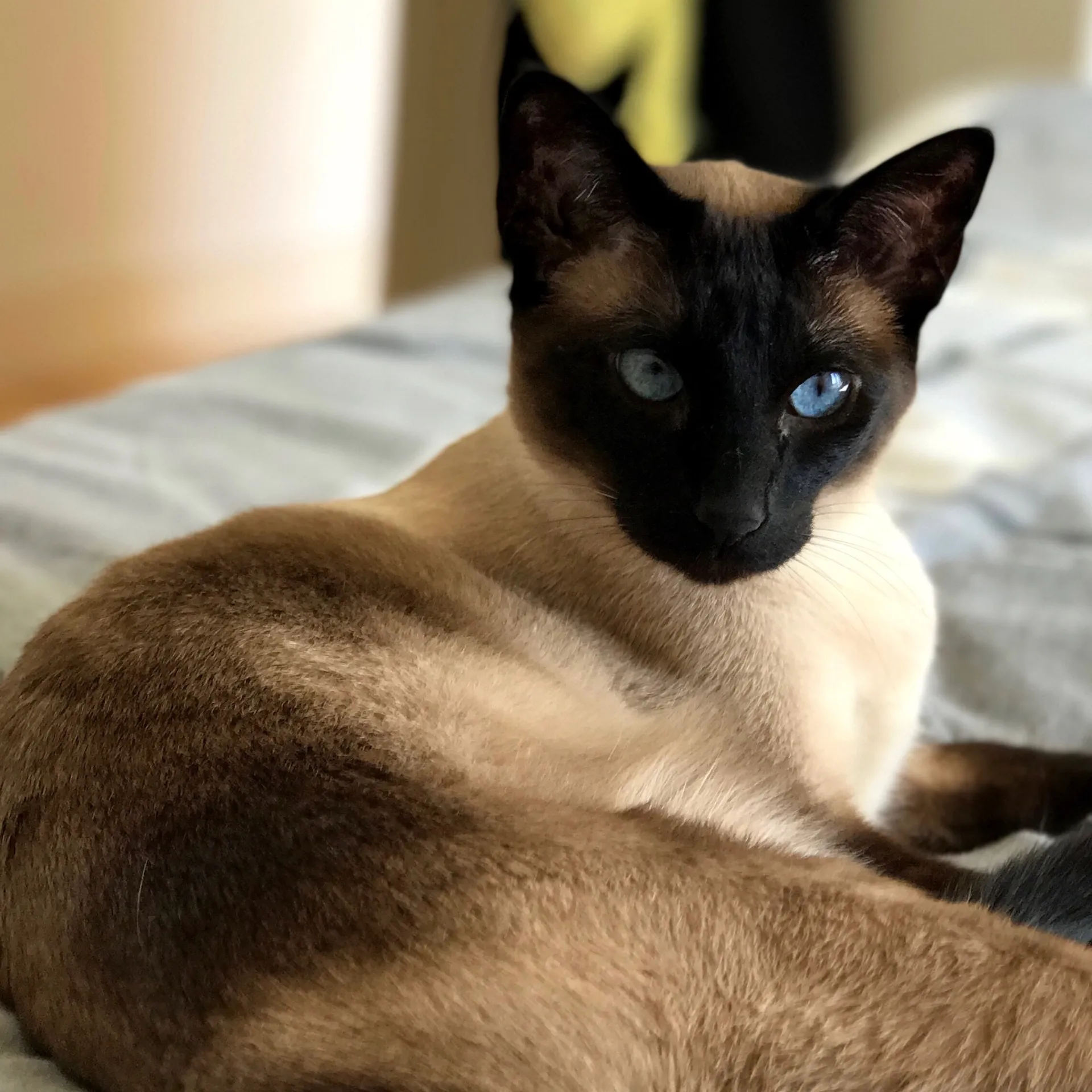
Siamese cat is found in Thailand, once known as Siam, where they are referred to as wichien-maat, which implies moon diamond. These cats are found in the Thai text, Tamra Maew ("The Cat Book Poems"), produced in the 14th to 18th centuries.
Siamese cats were initially brought to the West in the 1870s when U.S. President Rutherford B. Hayes’s wife Lucy Hayes received a pair of Siamese cats as a gift from the American Consul in Bangkok.
In the year 1885, they first appeared in Britain in the Crystal Palace, London, giving them an initial official entrance into Western feline breeding activities.
How Long Do Siamese Cats Live?
The life span of Siamese cats ranges between 12 to 15 years, with some even living over 20 years when given the best care.
Siamese Temperament and Personality
Siamese cats are:
- Affectionate and loyal
- Highly vocal—known for "talking" to humans
- Energetic and curious
- Intelligent and playful
- Strongly bonded to their humans
They love company and do not like being alone.
Siamese Cat Exercise Needs
Siamese cats are active and enjoy structured playtime.
- Interactive toys – Crumpled paper, string toys, feather wands
- Laser pointers – Avoid direct eye contact
- Cat trees and shelves – For climbing and jumping
- Fetch or chase games – They love retrieving objects
Playtime of 10–15 minutes daily is ideal to prevent boredom.
Characteristics
Temperament with Kids
Aggressive
Friendly
Playfulness
Silent
Very Playful
Friendliness
Not Friendly
Super Friendly
Shedding amount
Negligible
Frequent
Compatibility with other cats
Not Friendly
Super Friendly
Prey Drive
Low
High
Need for attention
Independent
Very Needy
Monthly Expenses


Siamese Cat’s Price Guide
Cost of buying
₹ 15,000 - ₹ 45,000
The prices of a Siamese cat range between Rs. 15,000 to Rs. 45,000, depending on the quality and reputation of the breeder and the type of city. Cities such as Delhi, Mumbai, and Bangalore are expected to be pricey.
Similar Breeds to the Siamese
Shop or Adopt a Siamese: Choice is Yours!
Responsible shopping will make sure that ethical breeding is taking place, while adopting a Siamese will give a loving home to a cat that needs it. Pick based on your ability to keep up with their gentle temperament, grooming needs, and lifespan.
Best Practices for Shopping or Adopting a Siamese
- Select a good breeder or adoption centre.
- Get health screenings for heart disease and dental problems.
- Observe temperament and socialization levels.
- Vaccination, deworming and medical history should be checked.
- Offer a quiet, reasonably comfortable indoor environment.
- Prevent obesity by maintaining a balanced diet.
- They need to be groomed regularly to manage their dense coat.
- Always ensure you keep routine vet visits as a commitment to lifelong care.
Nutrition Care for the Siamese
Monthly Food Expenses
₹ 1,500 - ₹ 2,000
Calories per day
Kittens: 300 kcal
Adults: 250 kcal
Essential Nutrients
Protein
Fats
Carbohydrates
Vitamins
Minerals
Amino Acids (Taurine, Arginine, etc.)
Essential Fatty Acids
Fiber
List of foods
Chicken (cooked or raw)
Dry kibble
Wet canned food
Salmon
Tuna
Carrots (cooked)
- They require high quality protein for the maintenance of muscle.
- Healthy fats support energy levels and a shiny coat.
- Immunity and joint health are strengthened with the help of essential nutrients.
- Taurine is important for heart and vision health.
- Wet food helps in hydration and urinary tract health.
- It is best to avoid low quality foods to prevent obesity and digestion problems.
- A balanced diet of wet food, lean meats and supplements is vital for overall well being.
Feeding Guidelines for Siamese Cats
Kittens (4–12 months): Give high-protein kitten food 3-4 times per day. Seek additional vitamin E which helps develop the immune system.
Adults (1–12 years): Feed twice a day. Concentrate on moderate-fat and high-protein diets. Add L-carnitine to metabolise fats and prebiotics to improve the health of the gut.
Seniors (12+ years): Softening diet to dental comfort. Select food items that are readily digestible and contain antioxidants such as vitamin C and E. Older cats can be assisted with small and frequent meals.
Breakdown of Macro-nutrients
Best Foods for Siamese Cats
- Royal Canin Siamese Adult: Breed-specific kibble that has specialised protein, fibre, and shape to best meet their slim jaw.
- High-protein wet food: Comprises meats such as chicken, turkey, salmon, tuna, or beef to support muscles.
- L-tryptophan and taurine-rich options: Encourage a calm demeanour and heart wellness.
- Omega-fatty-acid formulas: Keep the skin moist and have a smooth and shiny coat.
Never feed these foods to Siamese Cat
Avoid anything with these ingredients
Onions and Garlic
Caffeine
Chocolate
Bones
Raw Eggs
Grapes and Raisins
- Chocolate, onions, garlic, grapes, raisins, macadamia nuts, and avocados: All of them are poisonous and may lead to severe health problems.
- Raw dough or salty foods (like canned tuna for humans): May lead to bloating or sodium disorder.
- Dairy products: Can cause stomach upset because most cats are lactose intolerant.
- Artificial additives and fillers: May cause allergies and gastrointestinal pains.
Note: Siamese cats are particularly susceptible to some food types; therefore, dietary care is imperative.


Healthcare for the Siamese
Avg Monthly Expenses
₹ 500 - ₹ 700
Common Health Issues
Upper Respiratory Infections
Dental Problems
Obesity
Diabetes
Kidney Disease
Hyperthyroidism
Heartworm Disease
Fleas and Ticks
Activities
Play with Toys
Chasing Objects
Exploring
Climbing
Scratching
Energy Level
Medium
Exercise routine
30 - 44 minutes
Recognising Stress
Hiding
Increased vocalization
Decreased appetite
Overgrooming
Changes in litter box behavior
Common Health Problems of Siamese Cats
Routine veterinary care is needed to deal with breed sensitivities and possible hereditary issues.
- Respiratory issues – Prone to inflammations and feline asthma. These may lead to shortness of breath, coughing and wheezing.
- Eye conditions – PRA and Nystagmus. Routine eye examinations assist in the early detection of eye issues.
- Cardiac issues – Hypertrophic cardiomyopathy (HCM) and other inborn issues. It is critically important to monitor the heart's functioning, particularly in aged cats.
- Dental diseases – Gingivitis and periodontal infections. Poorly maintained oral health may cause discomfort and general complications.
- Other conditions – Amyloidosis, Vestibular disease, Megaesophagus, and Feline Hyperesthesia Syndrome. Proper management and comfort can be achieved through early diagnosis.
General Healthcare Tips for Siamese Cats
- Annual vet check-ups: Allow the early detection of things such as HCM or breathing problems.
- Dental cleanings: Book an appointment yearly and brush at home to prevent gum disease.
- Watch breathing: Noisy breathing or wheezing needs to be mentioned to the vet.
- Monitor eyes: Check for discharge, cloudiness or eye movement changes.
- Vaccinations: Be up to date, and this is specifically to prevent respiratory infections.
Senior Siamese Cat Care
Siamese cats can remain active and affectionate into their senior years with attentive care.
- Elevated food and water bowls: Assist older cats to avoid strain on their necks and spines.
- Soft bedding: Pads joints and makes overall sleeping a lot more comfortable.
- Softer food textures: The cats having dental problems find it easier to chew.
- Hydration: Pet fountains promote high consumption of water during the day.
- Vet visits (every 6 months): Critical in monitoring the health of kidneys, liver, and heart of elderly pets.
Vaccination details
Growth Stage
Core Vaccines
6-8 Weeks
Feline Calicivirus, Feline Herpesvirus, Feline Panleukopenia, Feline Leukemia (FeLV)
12 Weeks
FeLV Booster
16 Weeks
Rabies
Annually
Booster Shots
Siamese Grooming Routine
Avg Monthly Expenses
₹ 800 - ₹ 1,500
Shedding Level
Low Shedding
Hygienic Checklist
Litter Box
Nail Trimming
Fur trimming
Bathing
Ear cleaning
Benefits of Grooming
Cleanliness
Low Shedding
Odourless
Prevents Bad Breath
Prevents infections
- Coat: A quick weekly brush keeps their sleek coat shiny and reduces shedding.
- Ears: Peek into those big ears weekly and wipe gently if you spot dirt or wax.
- Eyes: Use a damp cotton pad to clear little tear stains and keep their eyes bright.
- Nails: Trim every couple of weeks, or let scratching posts do part of the job.
- Teeth: Brush with cat-safe toothpaste a few times a week to prevent dental issues.


Written by
Happy Pet TeamAuthor
Team Happy Pet is a passionate collective of pet experts, enthusiasts, and advocates dedicated to sharing trusted and insightful content.
Our cont
Compare with similar breeds

Frequently Asked Questions
Are Siamese cats hypoallergenic?
Siamese cats are said to be less allergenic, but there is no such thing as a 100% hypoallergenic cat.
What colors do Siamese cats come in?
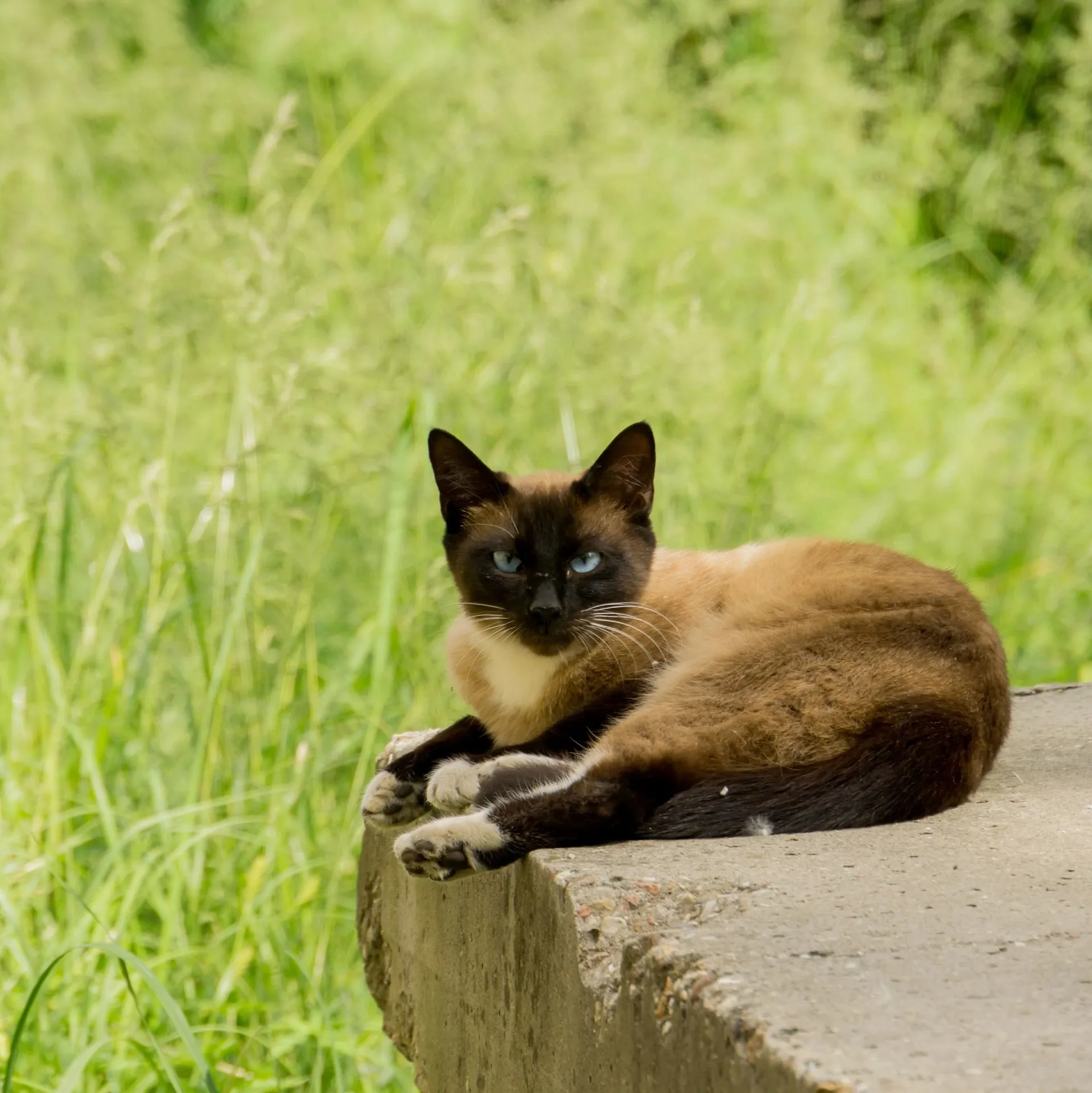
The most typical colors are Seal Point, Blue Point, Chocolate Point, and Lilac Point, but there are some other variations, such as red, cream, and tabby.
Do Siamese cats get along with dogs?
Yes, when properly socialized, they are friendly and play with dogs.
What is a Siamese cat’s personality like?
They are bright, inquisitive, faithful, and very articulate. They shadow their people and they like being included in day-to-day activities.