Home
/
Cat Breeds
/
Siberian
Siberian
Origin
Russia
Size
Large Breed
Ideal Space
Apartment
Ideal Weather
10º-14ºC
Life Expectancy
12-15 years
Cost of buying
₹ 30,000 - ₹ 60,000
Top 5 Traits
Playful
Curious
Friendly
Independent
Affectionate
Avg Monthly Expenses
₹ 2,800 - ₹ 4,250

by Happy Pet TeamUpdated on 16 May 2025
Introduction to the Siberian Cat
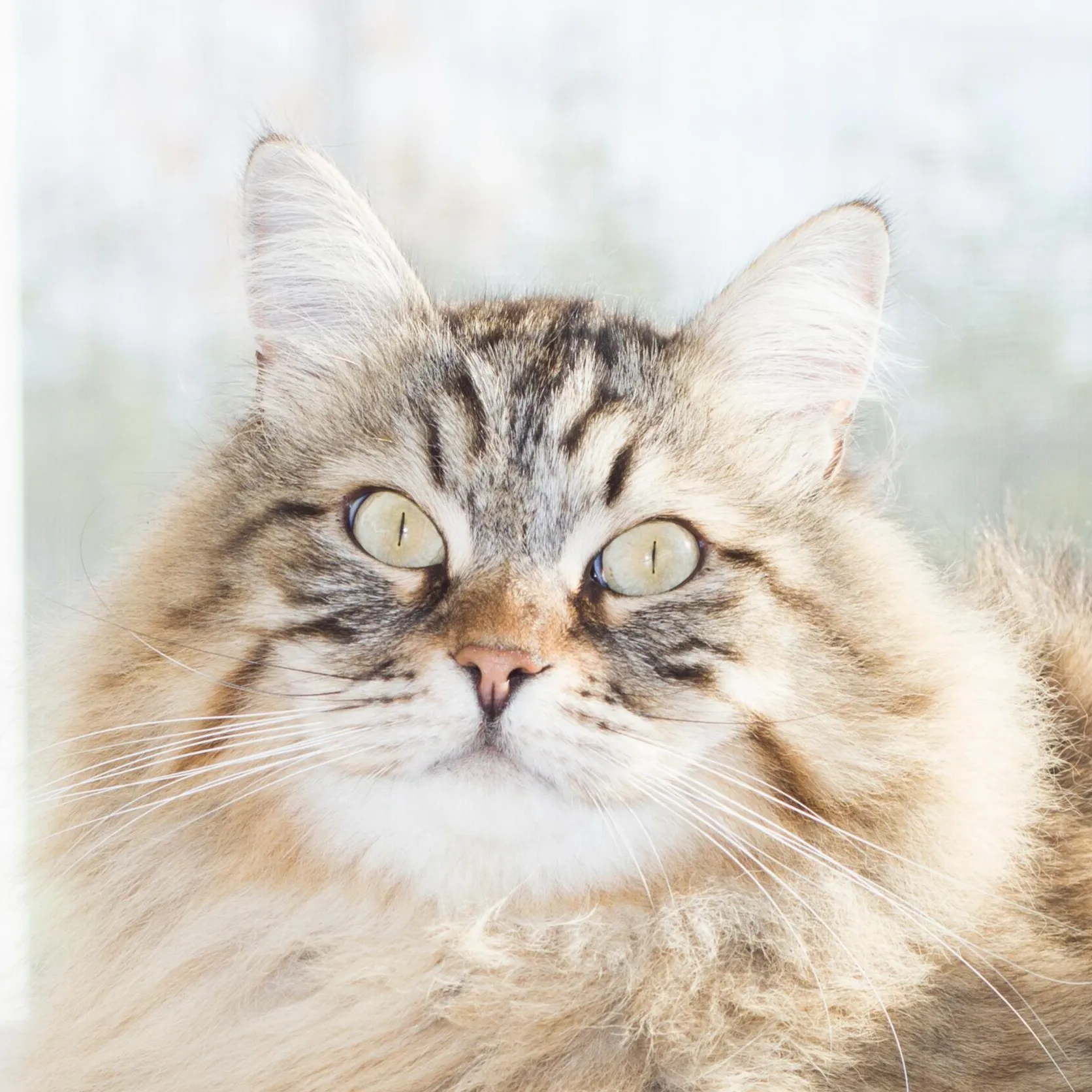
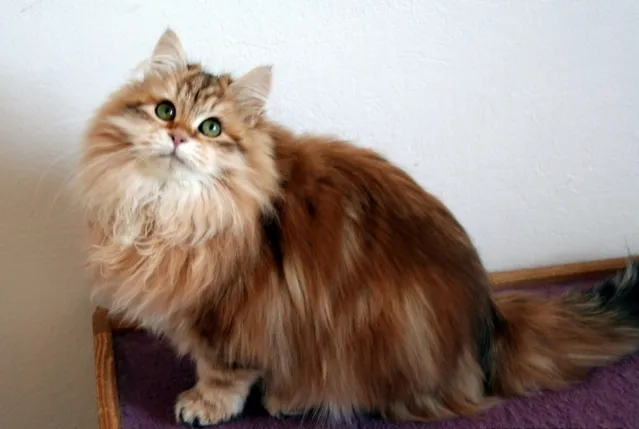
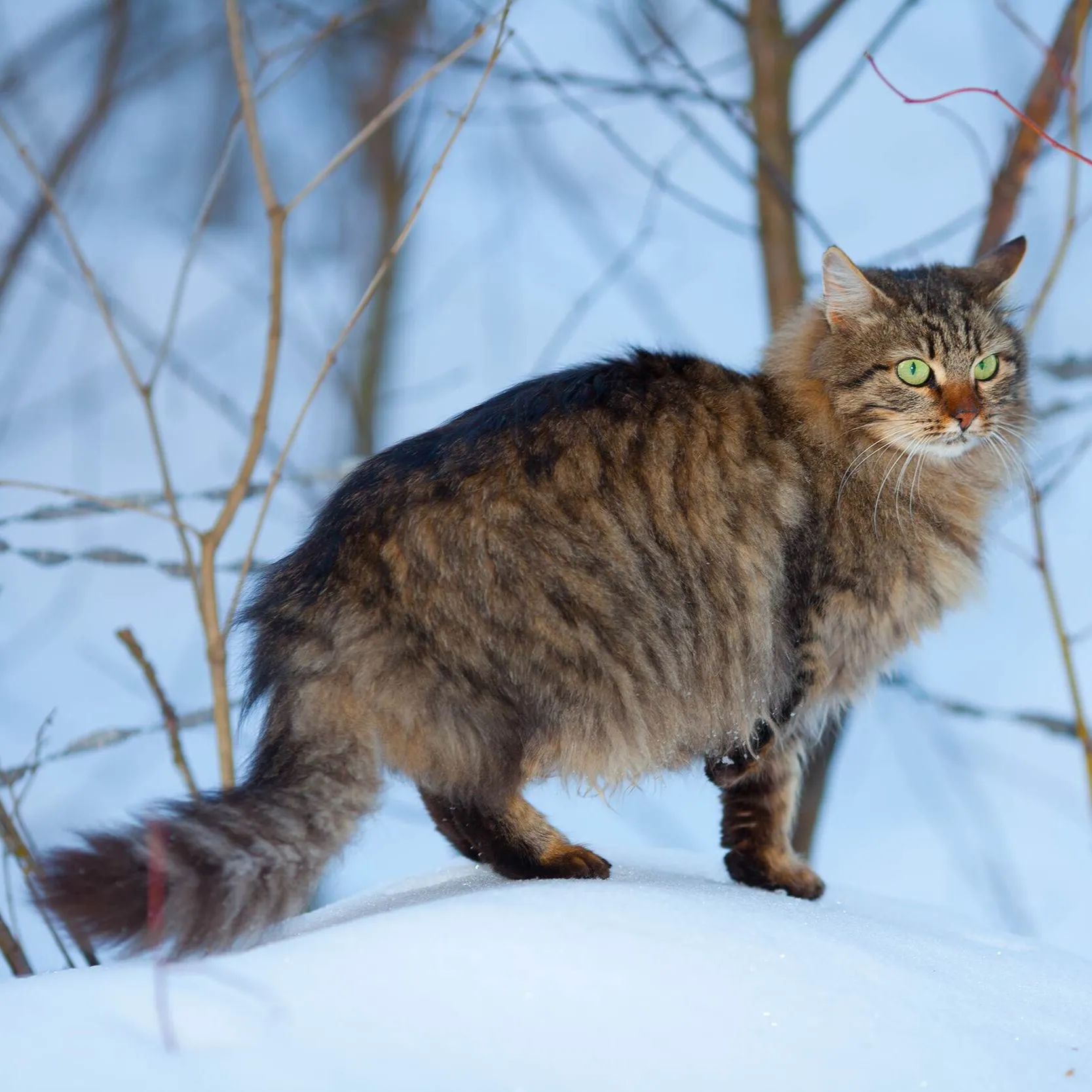
The Siberian cat is a strong and elegant cat who lives in the dense forests of Russia. This natural breed has been around for centuries and is recognized for his or her thick, luxurious tri coat, muscular construct and affectionate nature. Mainly recognized by major cat registries like TICA, FIFe since the late 1980s, they gained popularity for being one of the few hypoallergenic cat breeds, which makes them a popular choice for those who are allergic to cats. They are very playful, calm and intelligent cats who have been described as ‘dog-like’ loyal. Not only are Siberians gorgeous to witness but they’re tough, adaptive and quite full of personality.
How Long Do Siberian Cats Live?
Siberian cats can live 12-15 years with proper care.
Siberian Cat Temperament and Personality
- Siberians are very affectionate and playful animals by nature.
- They typically bond closely with family and will greet their humans at the door.
- They are smart, trainable, and love interactive games like fetch.
- They are calm around children and other pets and adapt well to loving households.
Siberian Cat Exercise Needs
The Siberian is a very agile and athletic cat which enjoys being active.
- Cat trees and perches – They provide vertical space and climbing fun.
- Puzzle feeders – Combines brain and body exercise
- Daily play sessions – 30+ minutes with toys like lasers, wands, or balls
- Interactive games – Fetch and hide and seek are favourite games for many Siberians.
They thrive best indoors if the environment is stimulating and spacious.
Characteristics
Temperament with Kids
Aggressive
Friendly
Playfulness
Silent
Very Playful
Friendliness
Not Friendly
Super Friendly
Shedding amount
Negligible
Frequent
Compatibility with other cats
Not Friendly
Super Friendly
Prey Drive
Low
High
Need for attention
Independent
Very Needy
Monthly Expenses


Siberian Cats Price In India
Cost of buying
₹ 30,000 - ₹ 60,000
A Siberian kitten in India would cost you between 30,000 to 60,000 INR based on the lineage and reputation of the breeder.
Similar Breed to the Siberian
Shop or Adopt a Siberian: Choice Is Yours!
Responsible shopping will make sure that ethical breeding is taking place while adopting a Siberian will give a loving home to a cat that needs it. Pick based on your ability to keep up with their gentle temperament, grooming needs, and lifespan.
Best Practices for Shopping or Adopting a Siberian
- Select a good breeder or adoption centre.
- Get health screenings for heart disease and dental problems.
- Observe temperament and socialization levels.
- Vaccination, deworming and medical history should be checked.
- Offer a quiet, reasonably comfortable indoor environment.
- Prevent obesity by maintaining a balanced diet.
- They need to be groomed regularly to manage their dense coat.
- Always ensure you keep routine vet visits as a commitment to lifelong care.
Nutrition Care for the Siberian Cat
Monthly Food Expenses
₹ 1,500 - ₹ 2,000
Calories per day
Kittens: 300 kcal
Adults: 250 kcal
Essential Nutrients
Protein
Fats
Carbohydrates
Vitamins
Minerals
Fiber
List of foods
Dry kibble
Wet canned food
Chicken (cooked or raw)
Turkey
Salmon
Cottage cheese
Pumpkin
- They require high quality protein for the maintenance of muscle.
- Healthy fats support energy levels and a shiny coat.
- Immunity and joint health are strengthened with the help of essential nutrients.
- Taurine is important for heart and vision health.
- Wet food helps in hydration and urinary tract health.
- It is best to avoid low quality foods to prevent obesity and digestion problems.
- A balanced diet of wet food, lean meats and supplements are vital for overall well being.
Feeding Guidelines for Siberians
Kittens (Up to 12 Months)
Feed 3–4 meals a day with 40% protein kitten formula. Helps support rapid growth.
Adults (1–7 Years)
Feed 2–3 portion-controlled meals. Choose foods with 35% protein and 15–20% fat.
Seniors (7+ Years)
Select food with lower phosphorus and added glucosine. It is easier to digest and is good for joint and kidney health.
Breakdown of Macro-nutrients
Best Foods for Siberian Cats
High quality commercial or raw diets are best for Siberians.
- Instinct Ultimate Protein – Raw-coated kibble with high protein content. It is ideal for muscular building and supporting active indoor cats.
- Diamond Naturals Active Cat – Great for kittens and young adults. It includes antioxidants and omega fatty acids that support early development.
- Royal Canin Siberian – Breed-specific formula supporting coat and digestion. Tailored nutrients help reduce hairballs and create a healthy skin barrier.
- Sheba Premium Wet Food – It is easy to digest and adds hydration. Great for picky eaters or cats with urinary issues.
- Raw additions like pumpkin and boiled fish – Great for fiber and skin health. They also help digest foods and serve as a natural source of essential nutrients.
Foods to Avoid for Siberian Cats
Avoid anything with these ingredients
Onions and Garlic
Caffeine
Alcohol
High-Fat Foods
High Salt Foods
Grapes and Raisins
Xylitol
To keep your Siberian safe and healthy, avoid feeding it the following:
- Grain fillers and artificial preservatives – No nutritional value. They can cause allergies and contribute to weight gain or digestive problems.
- Farmed fish with high mercury content – This may affect organ health. Toxins can accumulate over time and damage the liver and the kidneys.
- Chocolate, onions, garlic, grapes, and raisins – Toxic to cats. Vomiting, organ failure or worse can occur even with very small amounts.
- Xylitol (sugar substitute) – Extremely harmful, even in small amounts. Rapid insulin release can become so severe that it causes hypoglycemia and liver damage.
- Milk and dairy – Many cats are lactose intolerant. It can cause bloating, diarrhea and feeling uncomfortable after.


Healthcare for the Siberian Cat
Avg Monthly Expenses
₹ 500 - ₹ 750
Common Health Issues
Polycystic Kidney Disease
Upper Respiratory Infections
Skin Allergies
Dental Problems
Obesity
Diabetes
Kidney Disease
Activities
Sunbathing
Hide and Seek
Interactive Feeders
Chasing Objects
Climbing
Energy Level
Medium
Exercise routine
60 - 90 minutes
Recognising Stress
Hiding
Decreased appetite
Increased vocalization
Overgrooming
Changes in litter box behavior
Common Health Problems of Siberian Cats
Siberians are a healthy breed but do require regular health checkups and preventative care.
- Hypertrophic Cardiomyopathy (HCM) – A genetic heart problem that affects some Siberians. Early diagnosis and regular heart checkups are of great use to manage the symptoms properly.
- Lymphoma and mammary cancers – Higher occurrence if not spayed/neutered. The risk is reduced significantly through early spaying, regular vet exams.
- Kidney issues – Need low phosphorus diets in later years. Long term renal health depends on proper hydration and kidney friendly foods.
- Arthritis – These may appear as they age due to their active life. Discomfort and stiffness can be eased with joint supplements and gentle movement.
General Healthcare Tips for Siberians
- Have blood and heart screenings done annually at the vet. They help in finding a hidden condition early, especially heart and kidney issues.
- Make sure to keep vaccinations up to date, especially for the herpes virus and caliciviruses. Siberians are protected by regular boosters against common respiratory infections.
- To reduce dental problems, brush their teeth once a week. Good oral care prevents gum disease, bad breath and tooth loss.
- Avoid matting and hairballs by grooming regularly. Brushing their thick coat frequently also keeps it healthy and helps minimize shedding.
- As they grow older, offer joint supplements such as glucosamine. They can help support mobility and help manage early signs of arthritis.
Vaccination details
Growth Stage
Core Vaccines
8 Weeks
Feline Viral Rhinotracheitis, Calicivirus, and Panleukopenia (FVRCP
12 Weeks
FVRCP Booster
16 Weeks
Rabies Vaccine
20 Weeks
FVRCP Booster
24 Weeks
Rabies Vaccine
Siberian Cat Grooming Routine
Avg Monthly Expenses
₹ 800 - ₹ 1,500
Shedding Level
Moderate Shedding
Hygienic Checklist
Feeding
Litter Box
Grooming (for some breeds)
Hydration
Health Observation
Play and Exercise
Benefits of Grooming
Cleanliness
Low Shedding
Prevents Bad Breath
Odourless
Prevents infections
Siberians require moderate grooming to stay neat and healthy.
- Brushing – 2–3 times a week; daily during shedding seasons
- Bathing – Once every few months or when coat gets greasy
- Nail trimming – Every 3–4 weeks
- Ear cleaning – Use a damp cloth or vet-approved cleaner weekly
- Teeth brushing – 2–3 times per week to avoid tartar


Written by
Happy Pet TeamAuthor
Team Happy Pet is a passionate collective of pet experts, enthusiasts, and advocates dedicated to sharing trusted and insightful content.
Our cont
Frequently Asked Questions
Are Siberians really hypoallergenic?
Yes, these produce less Fel d 1 protein, which is more tolerable for allergy sufferers, but not 100% hypoallergenic.
Do Siberian cats get along with children and pets?
Absolutely! They are gentle, patient and sociable, ideal family pets.
How much grooming do they need?
2 – 3 brushing a week are great, except during shedding season, which requires daily care.
Should they be kept indoors or outdoors?
Indoors is safest. In urban or tropical areas, being outdoors can expose them to predators or diseases.