Home
/
Cat Breeds
/
Singapura
Singapura
Origin
Singapore
Size
Small Breed
Ideal Space
Apartment
Ideal Weather
18º-30ºC
Life Expectancy
12-15 years
Cost of buying
₹ 70,000 - ₹ 2,00,000
Top 5 Traits
Playful
Curious
Affectionate
Energetic
Friendly
Avg Monthly Expenses
₹ 2,225 - ₹ 3,325

by Happy Pet TeamUpdated on 3 Sept 2025
Know All About the Singapura Cat: The Little Lion of Love
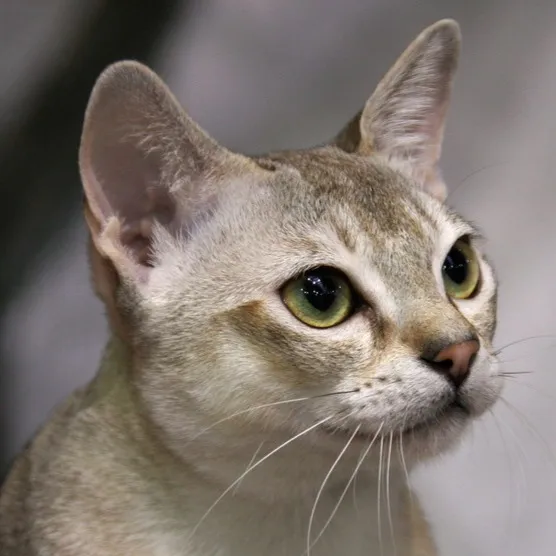
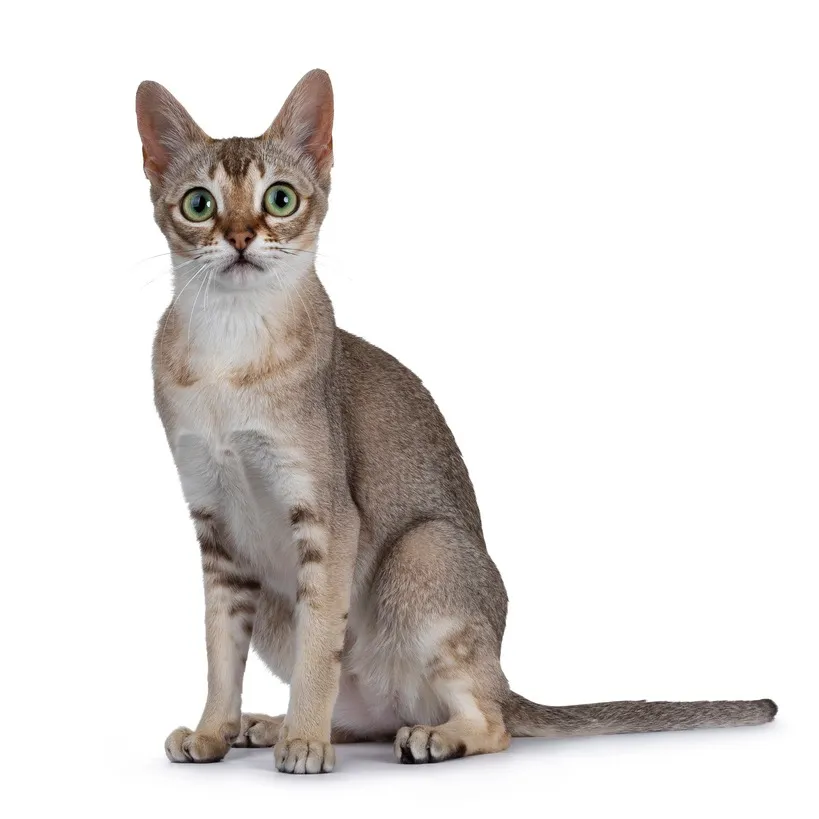
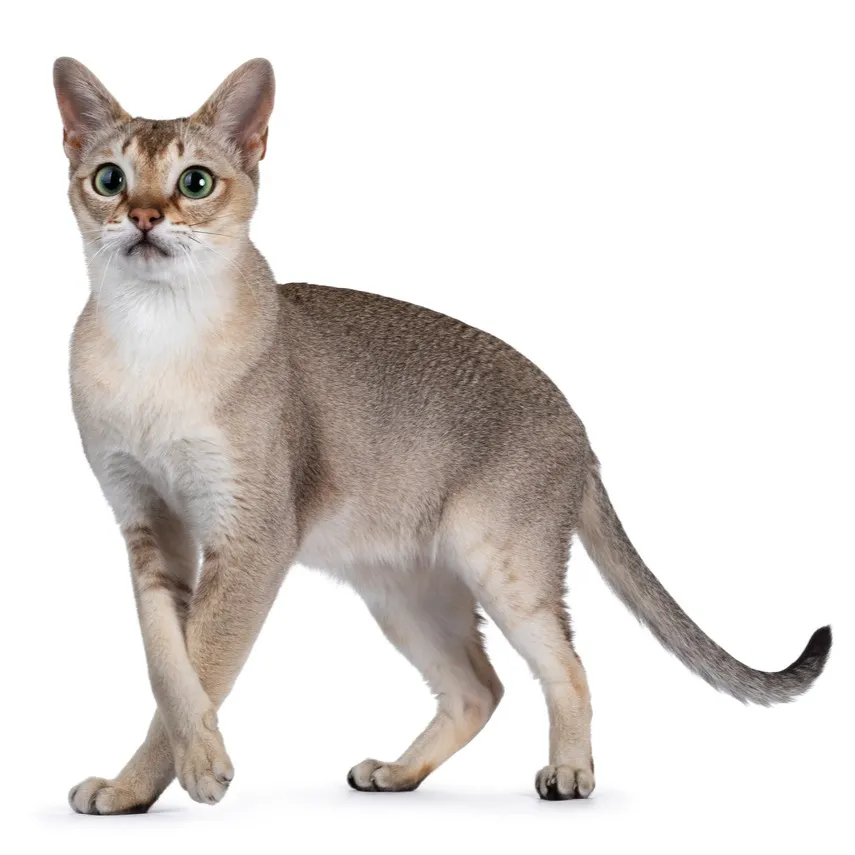
If the Russian Blue is the picture of velvet elegance, the Singapura is its pocket-sized counterpart—the cat that proves big things really do come in small packages. Often called the “little lion” for its sepia-toned ticked coat and alert expression, the Singapura holds the title of the smallest domestic cat breed in the world, according to the Cat Fanciers’ Association (CFA). Originating from the streets of Singapore in the 1970s, these cats carry an exotic, jungle-cat look despite weighing barely 2–3 kg fully grown.
For Indian households—whether compact city apartments in Bengaluru or family homes in Jaipur—the Singapura is a natural fit. Their petite frame means they adapt beautifully to smaller spaces, and their short, fine coat requires very little grooming, making them far easier to manage in hot Indian summers compared to long-haired breeds like Persians.
Personality That Shines Brighter Than Size
Don’t let their size fool you—the Singapura’s personality fills the room. The CFA describes them as “active, curious, and affectionate,” and that holds true even in Indian homes. Here’s why families fall in love with them:
- Bundles of affection – Singapuras are people-oriented to the core. Unlike more independent breeds, they thrive on being part of daily activities—whether you’re working on a laptop, cooking, or watching TV. Perfect for families that want an engaging, interactive pet.
- Energetic explorers – These cats may be small, but they’re incredibly agile and love vertical spaces. In Indian homes, this means secure window perches, tall cat trees, or sturdy wall shelves are must-haves to satisfy their climbing instincts.
- Playful but gentle – As Vetstreet notes, their curious yet sweet nature makes them great with children and even seniors. They’re also sociable enough to live happily alongside other pets, provided introductions are handled carefully.
- Adaptable charmers – Unlike reserved breeds such as the Russian Blue, Singapuras are bold and people-friendly. Whether you have frequent guests in your Delhi apartment or live a quieter life in Kerala, they’ll adjust quickly and often become the star of the household.
In short, if you’re looking for a cat that’s always part of the action but never overwhelming, the Singapura is a gem.
Lifespan & Health Of Singapura Cats in India
With the right care, Singapura cats live around 12–15 years, and some even longer, according to PetMD.
Characteristics
Temperament with Kids
Aggressive
Friendly
Playfulness
Silent
Very Playful
Friendliness
Not Friendly
Super Friendly
Shedding amount
Negligible
Frequent
Compatibility with other cats
Not Friendly
Super Friendly
Prey Drive
Low
High
Need for attention
Independent
Very Needy
Monthly Expenses


Lifespan & Price of the Singapura Cat in India
Cost of buying
₹ 70,000 - ₹ 2,00,000
Despite their delicate appearance, Singapuras are surprisingly robust, often living 12–16 years with good care.
In India, Singapuras are extremely rare. Prices generally start around ₹70,000–₹1,00,000 for pet-quality kittens, while show-quality or imported Singapuras can cost upwards of ₹1,50,000–₹2,00,000.
Exercise and Enrichment
Don’t be fooled by their tiny size—the Singapura is an energetic, curious cat that thrives on activity and engagement.
- Playtime: Daily interactive play sessions with feather wands, toy mice, or tunnels are essential. Their love of climbing and chasing means they’ll appreciate tall cat trees and sturdy perches.
- Mental stimulation: Puzzle feeders and clicker training are great outlets for their intelligence. They learn tricks quickly and often “help” their humans with household activities.
- Climate care in India: Small-bodied cats like the Singapura are more sensitive to extremes. In hot summers, ensure well-ventilated spaces, fans, or AC, and limit play to cooler hours. In colder regions, provide soft blankets or a heated mat since they can get chilly more easily than denser-coated breeds.
Similar Breeds to the Singapura Cat
Buying or Adopting a Singapura Cat in India
Finding a Singapura in India takes determination. Only a handful of responsible breeders operate here, so verifying pedigree certificates, vaccination history, and genetic health screenings is crucial. Beware of backyard breeders advertising “mini cats” or “teacup kittens”—these are often misrepresented or unhealthy mixes.
Adoption is rare but not impossible. Occasionally, rescues in metro cities like Bengaluru or Delhi may come across Singapura mixes surrendered by families unfamiliar with the breed’s high energy and social needs.
Singapuras flourish in interactive households. They dislike being left alone for long hours, so they’re best suited to families where someone is usually home. To create a safe, enriching environment in Indian cities:
- Mesh balconies and windows to prevent falls—they’re agile climbers.
- Offer multiple scratching posts to protect furniture.
- Keep indoor air circulation healthy during summer heat waves.
With the right balance of grooming, play, companionship, and climate-smart care, the Singapura becomes a loving, mischievous, and endlessly entertaining addition to Indian homes.
Nutrition Care for the Singapura
Monthly Food Expenses
₹ 1,125 - ₹ 1,500
Calories per day
Kittens: 300 kcal
Adults: 220 kcal
Essential Nutrients
Protein
Fats
Carbohydrates
Vitamins
Minerals
Amino Acids (Taurine, Arginine, etc.)
Essential Fatty Acids
Fiber
List of foods
Dry kibble
Wet canned food
Chicken (cooked or raw)
Turkey
Mackerel
Plain yogurt (no added sugar)
Eggs (cooked)
Omega-3 fatty acids
The Singapura may be the tiniest of all cat breeds, but don’t let its delicate frame fool you—this little lion has an engine that runs on energy and affection. With their small size (just 2–3 kg fully grown) and naturally high activity levels, their nutrition plan is less about portion restriction and more about fueling constant movement while avoiding nutrient gaps. In India—where smaller apartments and busy households are the norm—the right balance of protein, fats, and micronutrients helps keep these cats lively, healthy, and glowing with vitality.
Protein
For a cat this small, protein isn’t optional—it’s life-sustaining. The Singapura’s muscular yet fine-boned frame needs taurine-rich animal protein to maintain strength, vision, and heart health. As PetMD emphasizes, all cats are obligate carnivores, and Singapuras, with their playful energy, burn through protein reserves quickly.
In India, pet parents can rely on premium cat food options such as Royal Canin, Farmina N&D, or Orijen, or local platforms like Heads Up For Tails and Supertails that stock high-meat, grain-free formulas. For those who prefer home-prepped meals, lightly boiled chicken, turkey, or small amounts of fish can work—but always complement with a formulated food to cover essential vitamins, minerals, and taurine.
Fats
That glossy, sepia-toned ticked coat—the Singapura’s signature—needs healthy fats to stay smooth and radiant. Omega-3 and Omega-6 fatty acids not only maintain skin elasticity but also support joint health, which is especially important since these cats are perpetual climbers and jumpers. According to International Cat Care, fatty acids also play a role in reducing inflammation and improving coat quality.
In Indian climates, this becomes even more relevant. Humid coastal regions (like Chennai or Mumbai) can stress the skin, while drier northern winters can lead to flaky coats. Vet-approved fish oil supplements or foods enriched with salmon oil can keep their coat glowing and their joints flexible, helping them leap gracefully even into their senior years.
Carbohydrates
Unlike the Russian Blue, which battles weight gain, the Singapura’s challenge is almost the opposite: maintaining enough calories without compromising quality. While carbs aren’t a natural fit for any cat, small amounts of digestible carbohydrates can give these pocket-sized dynamos an energy boost to fuel their playful antics. The key, as The Spruce Pets points out, is ensuring protein still dominates the diet, with carbs only acting as a minor energy supplement.
In India, avoid cheap kibble heavy in fillers like corn or soy. Instead, choose protein-first, grain-light or grain-free foods that offer balanced calories. If you notice your Singapura running a little lean, consult your vet about adjusting meal sizes slightly upward.
Feeding Guidelines by Life Stage
- Kittens – With their rapid growth and high metabolism, Singapura kittens need 3–4 protein-packed meals daily. Wet food can be especially helpful to keep hydration levels up in hot Indian summers.
- Adults – Two balanced meals a day, ideally a wet + dry food combo, provide both nutrition and dental support. Measured portions are important to prevent overeating, even though Singapuras are less prone to obesity than larger breeds.
- Seniors – Around 10+ years, focus shifts to maintaining muscle and joint health. Choose diets with glucosamine, antioxidants, and reduced phosphorus, and keep portions consistent to avoid unnecessary weight fluctuations.
Breakdown of Macro-nutrients
Choosing the Right Food for Singapura Cats
For the Singapura, the world’s smallest cat breed, every bite counts. Their petite size means they don’t need large meals, but their high-energy lifestyle demands food that packs a nutritional punch. Think of it this way—while a Russian Blue struggles with calorie control, a Singapura needs a diet that’s dense in quality nutrients so they don’t burn out mid-play.
Meat-First Diets
Always make sure the first ingredient is real meat like chicken, turkey, or fish. Cats are obligate carnivores, and as PetMD highlights, protein isn’t just food—it’s their primary energy source. Brands like Farmina N&D, Royal Canin, and Orijen are excellent choices in India, and platforms like Supertails and Heads Up For Tails make them easy to access.
Skip the Fillers
For such a small cat, there’s no room for corn, soy, or animal by-products in their diet. Singapuras need clean, digestible nutrition—anything else just adds empty calories without the energy boost they require.
Key Nutrients to Include
- Taurine – for heart and eye health
- Omega-3 & 6 fatty acids – to keep that warm, ticked sepia coat soft and shiny (International Cat Care)
- Antioxidants & B vitamins – to support metabolism and immunity, important in India’s variable climate
- Biotin & Vitamin E – to keep their skin resilient against both dry northern winters and humid coastal air
Wet vs. Dry Food: Finding the Balance
Hydration is where Indian Singapura parents need to pay special attention. Small cats often don’t drink enough water, and with Indian summers being long and hot, this can stress their kidneys and urinary tract. As PetMD notes, wet food is a great way to sneak hydration into their daily routine.
- Wet food – Provides hydration, supports kidney and urinary health, and helps maintain weight stability. It’s particularly helpful in Indian cities with soaring summer heat.
- Dry food – Works well for portion control and supports dental care, but it must be high in protein and free from carb-heavy fillers.
Most Singapura parents find that a mix of both—say, a protein-rich wet meal in the morning and carefully measured kibble at night—strikes the right balance. Some households in India also add toppers like plain boiled chicken or scrambled egg for variety, but always check with your vet before making it a routine.
Never feed these foods to Singapura Cats
Avoid anything with these ingredients
Chocolate
Onions and Garlic
Caffeine
Alcohol
Bones
Raw Eggs
Grapes and Raisins
Xylitol
The Singapura may be tiny, but their stomach is just as sensitive as any other cat’s—and in some cases, even more so. Because they have a small body mass, even a little bit of the wrong food can cause a big health problem. That’s why Singapura parents in India need to be extra cautious about what ends up in their bowl (or what sneaky bites they steal from the dining table!).
Toxic Foods
Certain human foods are absolutely toxic to cats. ASPCA Animal Poison Control and PetMD warn that even small amounts of:
- Onions and garlic – can cause anemia by damaging red blood cells
- Grapes and raisins – linked to kidney failure in cats
- Chocolate, caffeine, and alcohol – all potentially fatal, even in tiny amounts
For the Singapura, with its small frame, these risks are magnified—what might make a larger breed mildly sick could send a Singapura into emergency care.
Dairy Myths
Many Indian households still serve cats milk as a treat, but the reality is that most cats, including Singapuras, are lactose intolerant. As International Cat Care explains, dairy can lead to diarrhea, stomach upset, and dehydration. Safer alternatives? A splash of lactose-free cat milk available through Heads Up For Tails or simply sticking to fresh water.
Raw Fish
Though it’s tempting to think cats and fish are a natural match, feeding raw fish is risky. It can cause a thiamine (Vitamin B1) deficiency, leading to neurological problems like seizures and loss of coordination, according to Cornell Feline Health Center. Lightly cooked fish, served occasionally and balanced with a formulated cat diet, is the safer way to go.
Cooked Bones
Some pet parents in India still offer chicken bones as “treats,” but cooked bones can splinter easily, causing internal injuries, blockages, or choking hazards. The Humane Society strongly advises against them for both dogs and cats.


Health Care Profile of Singapura Cats
Avg Monthly Expenses
₹ 500 - ₹ 700
Common Health Issues
Dental Problems
Obesity
Hyperthyroidism
Gastrointestinal Issues
Kidney Disease
Urinary Tract Infections (UTI)
Eye Problems
Activities
Play with Toys
Chasing Objects
Climbing
Exploring
Interactive Playtime
Scratching
Energy Level
High
Exercise routine
30 - 60 minutes
Recognising Stress
Hiding
Increased vocalization
Decreased appetite
Overgrooming
Changes in litter box behavior
Medical Care for the Singapura Cat
The Singapura may be the world’s smallest domestic cat breed, but don’t let its petite size fool you—it’s a hardy, agile, and surprisingly robust feline. Still, with its compact body mass and sensitive system, Singapuras in India need tailored preventive care to stay healthy in the face of our country’s diverse climates, bustling homes, and stray-heavy environments. While generally low-maintenance compared to high-risk breeds like Persians, the Singapura can still face digestive upsets, gum disease, and stress-linked problems, which makes regular vet visits and climate-smart care especially important.
Annual check-ups go beyond vaccinations—they allow vets to track weight, check heart and kidney function, and spot early dental issues. Although Singapuras don’t have many genetic disorders, keeping an eye out for pyruvate kinase deficiency (PKD)—a hereditary anemia found in some lines—is recommended, according to the International Cat Care. With early screenings, especially as they age, most health concerns can be managed effectively.
Vaccinations & Parasite Protection
Core vaccinations—rabies, feline panleukopenia, calicivirus, and rhinotracheitis—are non-negotiable for Singapuras in India, where community cats and strays often mingle around apartments and housing colonies. If your cat enjoys balcony sunbathing or has garden access, vets may also suggest the feline leukemia (FeLV) vaccine for extra protection, states the Cornell Feline Health Center.
Parasites are another India-specific challenge. Even indoor Singapuras aren’t safe—ticks, fleas, and worms can ride in on shoes, groceries, or seep in during monsoon months when windows stay open. Monthly flea/tick preventives and regular deworming are a must. In homes with dogs, the risk doubles, so vets often advise more frequent checks.
Health Quirks to Watch Out For
- Weight management: With their tiny frame, even half a kilo of extra weight can push a Singapura into obesity. Portion control and daily play are critical in India’s often smaller city apartments.
- Stress sensitivity: Singapuras love routine and human company. Firecrackers during Diwali, frequent travel, or noisy gatherings can spike their anxiety, sometimes showing up as tummy troubles or over-grooming.
- Dental disease: The breed is prone to gum issues and plaque buildup. Ignoring dental hygiene can lead to painful extractions by middle age.
- Climate concerns: Singapuras have a short, fine coat and lack the insulation of double-coated breeds like the Russian Blue. This makes them sensitive to cold in northern winters and equally vulnerable to overheating during Indian summers.
Day-to-Day Care at Home
- Grooming: Their coat is wash-and-wear—just a weekly brush keeps shedding minimal. During India’s pre-monsoon shed, brushing twice a week keeps fur under control.
- Dental hygiene: Aim for brushing at least three times weekly with cat-safe toothpaste. If that feels impossible, dental chews or vet-recommended dental diets are good alternatives.
- Exercise & play: Despite their small size, Singapuras are bundles of energy. Daily interactive play—like feather wands or laser pointers—keeps them slim and mentally sharp.
- Climate comfort: AC or fans during peak summers are non-negotiable. In cooler regions like Shimla, a soft blanket or heated bed ensures they don’t catch a chill.
- Hydration: Like many cats, Singapuras aren’t enthusiastic water drinkers. Adding wet food or using water fountains helps reduce risks of urinary tract issues in hot cities like Delhi, Hyderabad, or Chennai.
Caring for Senior Singapuras
As Singapuras age, their playful bursts give way to quieter companionship, and preventive care becomes even more important.
- Vet visits: Switch to twice-yearly check-ups to monitor heart, kidneys, and dental health more closely.
- Diet: Senior diets should balance calories while boosting taurine, omega-3s, and joint support supplements like glucosamine, according to The Spruce Pets.
- Mobility: While arthritis isn’t a major concern, their small legs benefit from low-rise cat trees, padded shelves, or ramps in old age.
- Climate care: Elderly Singapuras lose heat faster due to their short coat—warm resting spots are a must in winter, while in summer, always provide cool, shaded corners.
Vaccination details
Growth Stage
Core Vaccines
6-8 Weeks
FVRCP (Feline Viral Rhinotracheitis, Calicivirus, and Panleukopenia) - 1st dose.
10-12 Weeks
FVRCP - 2nd dose.
14-16 Weeks
FVRCP - 3rd dose, Rabies Vaccine.
16-20 Weeks
FeLV (Feline Leukemia Virus) - if recommended, 1st dose.
1 Year
FVRCP booster, Rabies booster, FeLV booster (if applicable).
Annually
Rabies booster, FeLV booster (if applicable).
Every 3 Years
FVRCP booste.
Grooming the Singapura Cat
Avg Monthly Expenses
₹ 600 - ₹ 1,125
Shedding Level
Low Shedding
Hygienic Checklist
Teeth care
Nail Trimming
Ear cleaning
Litter Box
Health Observation
Hydration
Benefits of Grooming
Low Shedding
Cleanliness
Prevents infections
Quality of life
Odourless
The Singapura may be the world’s smallest cat breed, but its grooming needs aren’t as “miniature” as its body. With a fine, silky single coat that sits close to the skin, the Singapura sheds very little compared to double-coated breeds like the Russian Blue. A light brushing once a week with a soft slicker or grooming mitt is usually enough to keep their sepia-toned coat shining.
Bathing is rarely necessary—Singapuras are naturally tidy cats—but in India’s humid cities like Chennai or Mumbai, the occasional rinse with a mild cat-safe shampoo can help prevent fungal issues. Always ensure they dry thoroughly, since their small frames can lose body heat quickly.
Urban dust and pollution in Indian metros can lead to wax buildup in their large, rounded ears. A gentle ear cleaning every 2–3 weeks, along with regular nail trims, keeps them healthy and comfortable. Dental care should never be skipped—Singapuras, like most cats, are prone to gingivitis. Brushing with cat-safe toothpaste or using dental treats helps prevent serious oral issues.
The best part? Their affectionate and people-oriented nature means they usually tolerate grooming well. Make sessions short, calm, and reward-driven so it feels more like a bonding ritual than a chore.


Written by
Happy Pet TeamAuthor
Team Happy Pet is a passionate collective of pet experts, enthusiasts, and advocates dedicated to sharing trusted and insightful content.
Our cont

Frequently Asked Questions
Are Singapura cats hypoallergenic?
No, Singapura cats are not hypoallergenic. While they shed less than some other breeds, they still produce allergens that can affect sensitive individuals.
Are Singapura cats suitable for apartment living?
Yes, Singapura cats are well-suited for apartment living due to their small size and moderate activity levels. They do, however, enjoy climbing and exploring, so providing them with cat trees or shelves is beneficial.
Do Singapura cats have any common health issues?
Singapura cats can be prone to dental problems, obesity, and hyperthyroidism. Regular veterinary check-ups and a balanced diet can help manage these potential health concerns.