Home
/
Cat Breeds
/
Suphalak
Suphalak
Origin
Thailand
Size
Medium Breed
Ideal Space
Apartment
Ideal Weather
20º-30ºC
Life Expectancy
12-15 years
Cost of buying
₹ 30,000 - ₹ 60,000
Top 5 Traits
Playful
Curious
Friendly
Affectionate
Vocal
Avg Monthly Expenses
₹ 2,800 - ₹ 4,200

by Happy Pet TeamUpdated on 27 Jun 2025
Introduction to the Suphalak
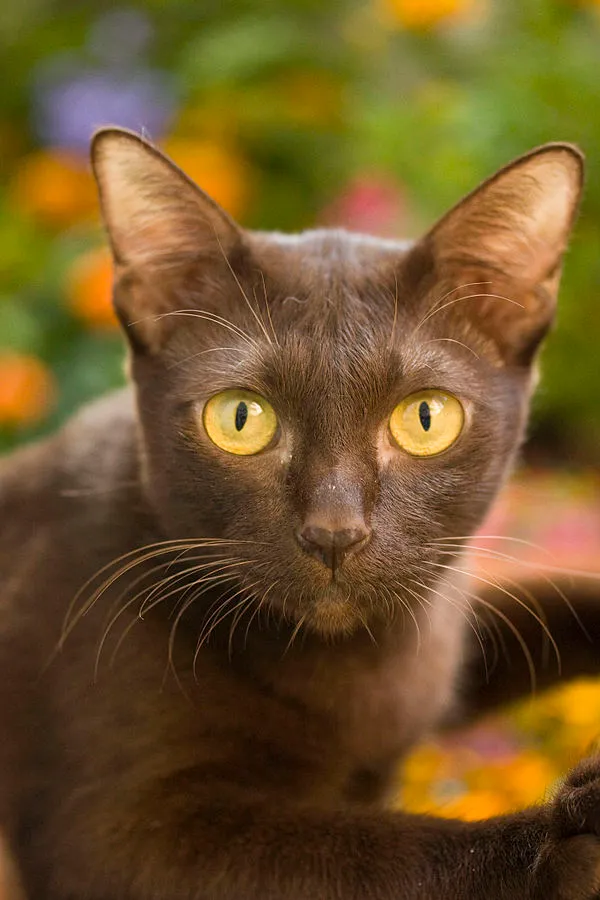
The Suphalak is a rare type of cat breed native to Thailand that traces back to the Ayutthaya Kingdom (1351-1767 AD), also called Thong Daeng (copper). The breed was first recorded in ancient texts known as the Tamra Maew (Cat-Book Poems) and is widely known in part because of its unusual solid copper-brown coat.
The Suphalak, though occasionally confused with the Burmese cat, is a natural breed of pure Thai origin, with breeding standards which do not allow outcrossing to non‐Thai varieties.
It was a breakthrough when the Suphalak was recognised by the World Cat Federation (WCF) in 2024, becoming one of the oldest breeds in the world to gain international recognition.
How Long Do Suphalaks Live?
Suphalaks normally live between 12-20 years when well taken care of.
Suphalak Temperament and Personality
Suphalaks are smart, loving and very sociable cats. They attach to their owners closely and show dog-like behaviours like following their humans everywhere.
- They are mischievous and energetic and need a lot of interaction and mental activities.
- They also do not like to be left alone and prefer a centred, relaxed environment.
- They are chatty but not to the point of being extreme.
Suphalak Exercise Needs
Suphalaks require regular daily exercise to maintain their active nature:
- About 30 minutes of interactive play each day is ideal.
- Provide climbing structures, interactive toys, and opportunities for exploration to keep them mentally stimulated.
- Regular play and exercise help prevent behavioural issues and obesity.
Characteristics
Temperament with Kids
Aggressive
Friendly
Playfulness
Silent
Very Playful
Friendliness
Not Friendly
Super Friendly
Shedding amount
Negligible
Frequent
Compatibility with other cats
Not Friendly
Super Friendly
Prey Drive
Low
High
Need for attention
Independent
Very Needy
Monthly Expenses


Suphalak Price Guide
Cost of buying
₹ 30,000 - ₹ 60,000
The Suphalak prices depend upon rarity and lineage. In India, the price falls somewhere around Rs. ₹100,000.
Similar Breeds to the Suphalak
Shop or Adopt a Suphalak: Make the Right Choice!
Responsible shopping will make sure that ethical breeding is taking place, while adopting a Suphalak will give a loving home to a cat that needs it. Pick based on your ability to keep up with their gentle temperament, grooming needs, and lifespan.
Best Practices for Shopping or Adopting a Suphalak
- Select a good breeder or adoption centre.
- Get health screenings for heart disease and dental problems.
- Observe temperament and socialization levels.
- Vaccination, deworming and medical history should be checked.
- Offer a quiet, reasonably comfortable indoor environment.
- Prevent obesity by maintaining a balanced diet.
- They need to be groomed regularly to manage their dense coat.
- Always ensure you keep routine vet visits as a commitment to lifelong care.
Nutrition Care for the Suphalak
Monthly Food Expenses
₹ 1,500 - ₹ 2,000
Calories per day
Kittens: 300 kcal
Adults: 250 kcal
Essential Nutrients
Protein
Fats
Carbohydrates
Vitamins
Minerals
Amino Acids (Taurine, Arginine, etc.)
Essential Fatty Acids
Fiber
List of foods
Dry kibble
Wet canned food
Semi-moist cat food
Cat-specific multivitamins
Chicken (cooked or raw)
Turkey
Salmon
Eggs (cooked)
- Healthy fats support energy levels and a shiny coat.
- Immunity and joint health are strengthened with the help of essential nutrients.
- Taurine is important for heart and vision health.
- Wet food helps in hydration and urinary tract health.
- It is best to avoid low quality foods to prevent obesity and digestion problems.
- A balanced diet of wet food, lean meats and supplements is vital for overall well being.
Feeding Guidelines for Suphalaks
Kittens (0–6 Months): Offer 3-4 small meals every day using a high-protein kitten formula to ensure active growth and normal eye colouring.
Adult Cats (1–7 Years): Feed twice a day, preferably at regular times, i.e morning at 7.00 am and evening at 5 PM. To help prevent obesity, portion control is important.
Senior Cats (7+ Years): Feed twice a day as usual, but in lesser amounts to reflect on their reduced activity and metabolism. Try senior-specific formulations with the addition of supportive joints.
Breakdown of Macro-nutrients
Best Foods for Suphalaks
Suphalaks perform well on good-quality commercial diets where real meat is the first main ingredient. The suggested options are:
- High-quality dry food made to meet the needs of active cats with a high concentration of animal protein. Pick the ones with real meat as the first ingredient.
- Premium wet food to guarantee proper hydration and urinary health. Feed it daily or alternately with dry food.
- Taurine and omega fatty acid-rich foods to supplement their unique coat and eye health. The nutrients also increase the heart and brain performance.
- Controlled carbohydrate diets to avoid obesity. Avoid filler food items such as corn, wheat, or soy.
Foods to Avoid for Suphalaks
Avoid anything with these ingredients
Onions and Garlic
Caffeine
Chocolate
Alcohol
Bones
Raw Eggs
Artificial Additives
Grapes and Raisins
- Raw or undercooked meats and dairy items can result in digestive disturbance. Avoid milk products and stick to correctly cooked meat.
- Chocolate, caffeine, alcohol, onions, garlic, grapes and raisins are foods that are toxic to cats. Even small dosages of these are lethal.
- Magnesium-rich diets are to be avoided to prevent urinary tract complications. Look at labels to make sure it contains balanced minerals.
- The daily changes in diet can lead to stress and gut issues. New foods can be added bit by bit over a period of one week.


Healthcare for the Suphalak
Avg Monthly Expenses
₹ 500 - ₹ 700
Common Health Issues
Upper Respiratory Infections
Dental Problems
Obesity
Gastrointestinal Issues
Hyperthyroidism
Urinary Tract Infections (UTI)
Skin Allergies
Progressive Retinal Atrophy
Activities
Play with Toys
Chasing Objects
Exploring
Climbing
Interactive Playtime
Energy Level
Medium
Exercise routine
30 - 60 minutes
Recognising Stress
Decreased appetite
Hiding
Overgrooming
Changes in litter box behavior
Increased vocalization
Common Health Problems in Suphalaks
While generally healthy, Suphalaks may face common feline issues:
- Feline Lower Urinary Tract Disease (FLUTD): Look out for urinary frequency or blood in the urine. Reduce risk by providing plenty of water and a moisture-dense diet.
- Dental Disease: To avoid gum disease, regular dental care is required. Clean their teeth using a toothbrush or provide dental chews that are vet-recommended.
- Obesity: Observe weight to avoid diabetes and joint complications. Regulate food intake and promote exercise or play on a daily basis.
General Healthcare Tips for Suphalaks
- Book a veterinary check-up every 6-12 months. Early diagnoses facilitate controlling health issues before they become severe.
- Maintain vaccinations and perform parasite prevention. This safeguards your cat against viruses and infestations.
- Keep the mouth and teeth clean by brushing and professional cleaning. Good teeth mean improved eating and health.
- Provide a lot of water to prevent urinary problems. Clean and fresh water must be provided at all times.
Vaccination details
Growth Stage
Core Vaccines
6-8 Weeks
FVRCP (Feline Viral Rhinotracheitis, Calicivirus, Panleukopenia) - 1st dose.
10-12 Weeks
FVRCP - 2nd dose.
14-16 Weeks
FVRCP - 3rd dose, Rabies (1st dose).
1 year
FVRCP booster, Rabies booster.
Annually
FVRCP booster, Rabies booster.
Suphalak Grooming Routine
Avg Monthly Expenses
₹ 800 - ₹ 1,500
Shedding Level
Low Shedding
Hygienic Checklist
Litter Box
Grooming (for some breeds)
Hydration
Health Observation
Nail Trimming
Ear cleaning
Benefits of Grooming
Cleanliness
Low Shedding
Odourless
Prevents infections
Quality of life
- Weekly: Brush coat gently to maintain its copper sheen.
- Bi-weekly: Trim nails and clean ears if necessary.
- Monthly: Perform a full coat and body check to ensure no mats or skin issues arise.
- As Needed: Spot-clean with a damp cloth; baths are rarely necessary.


Written by
Happy Pet TeamAuthor
Team Happy Pet is a passionate collective of pet experts, enthusiasts, and advocates dedicated to sharing trusted and insightful content.
Our cont
Compare with similar breeds
Frequently Asked Questions
Why are Suphalaks so rare?
They are among the rarest cat breeds in the world and used to be traditionally given as gifts in Thailand. They have strict breeding requirements, which prevent them from being outcrossed with non-Thai cats.
How is the Suphalak different from the Burmese cat?
The Suphalak are naturally bred with a sturdy copper-brown colored coat with distinct facial and body structures, whereas the Burmese is a created breed with dark points and a facial mask.
Are Suphalaks good family pets?
Yes, they are very sociable and loving, and active, so they will be great pets in calm homes with experienced owners.
Can Suphalaks be found outside Thailand?
Very rarely, the first Suphalak was exported to the United States in 2013, and they remain extremely limited in number worldwide.