Home
/
Cat Breeds
/
Tonkinese Cat
Tonkinese Cat
Origin
United States
Size
Medium Breed
Ideal Space
Independent House
Ideal Weather
20º-30ºC
Life Expectancy
12-16 years
Cost of buying
₹ 25,000 - ₹ 45,000
Top 5 Traits
Playful
Curious
Friendly
Affectionate
Active
Avg Monthly Expenses
₹ 2,800 - ₹ 4,200

by Happy Pet TeamUpdated on 18 Jun 2025
Introduction to the Tonkinese Cat
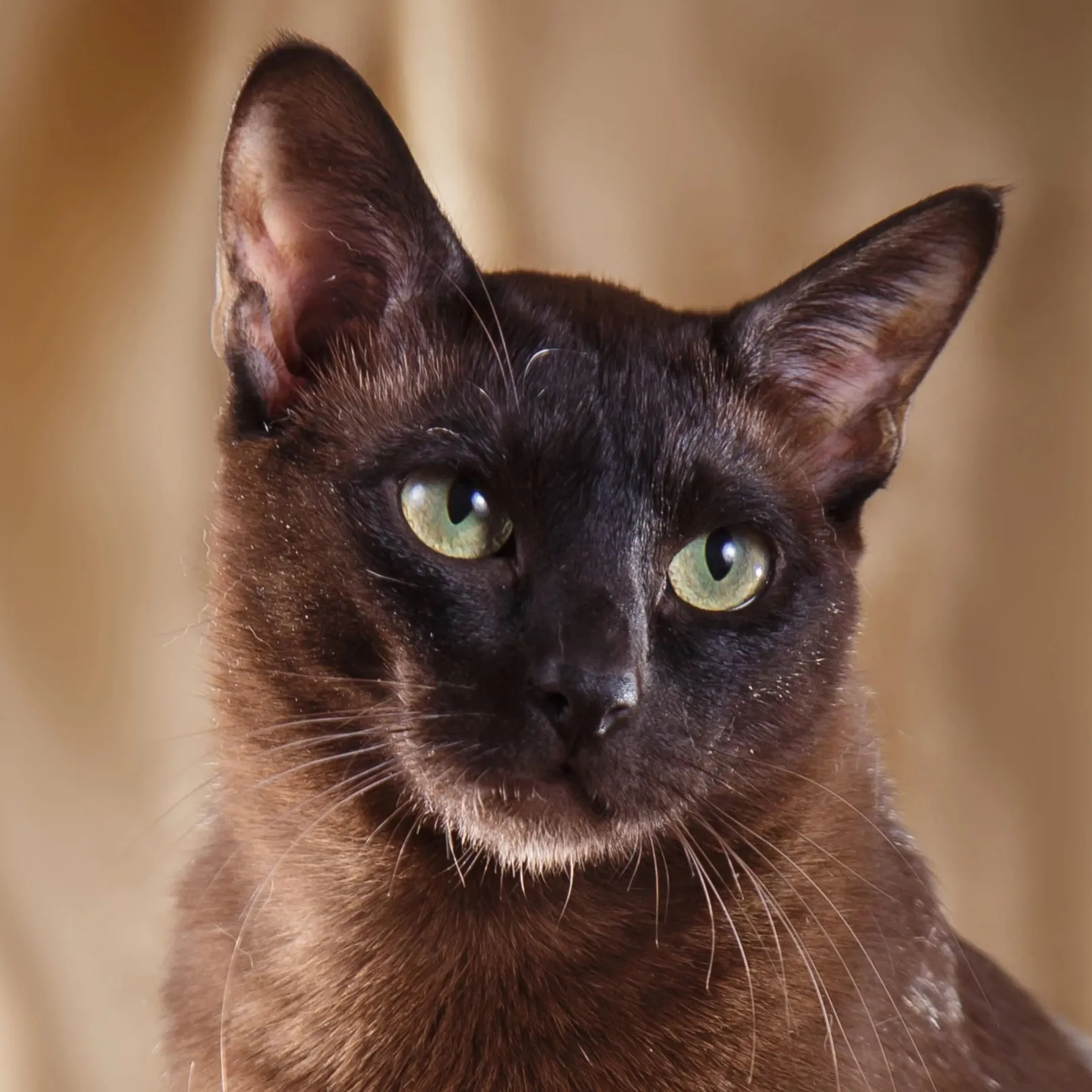
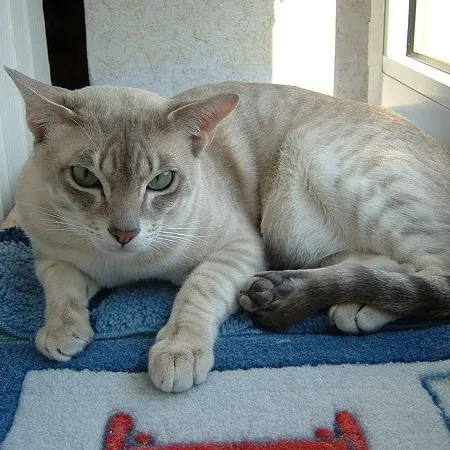
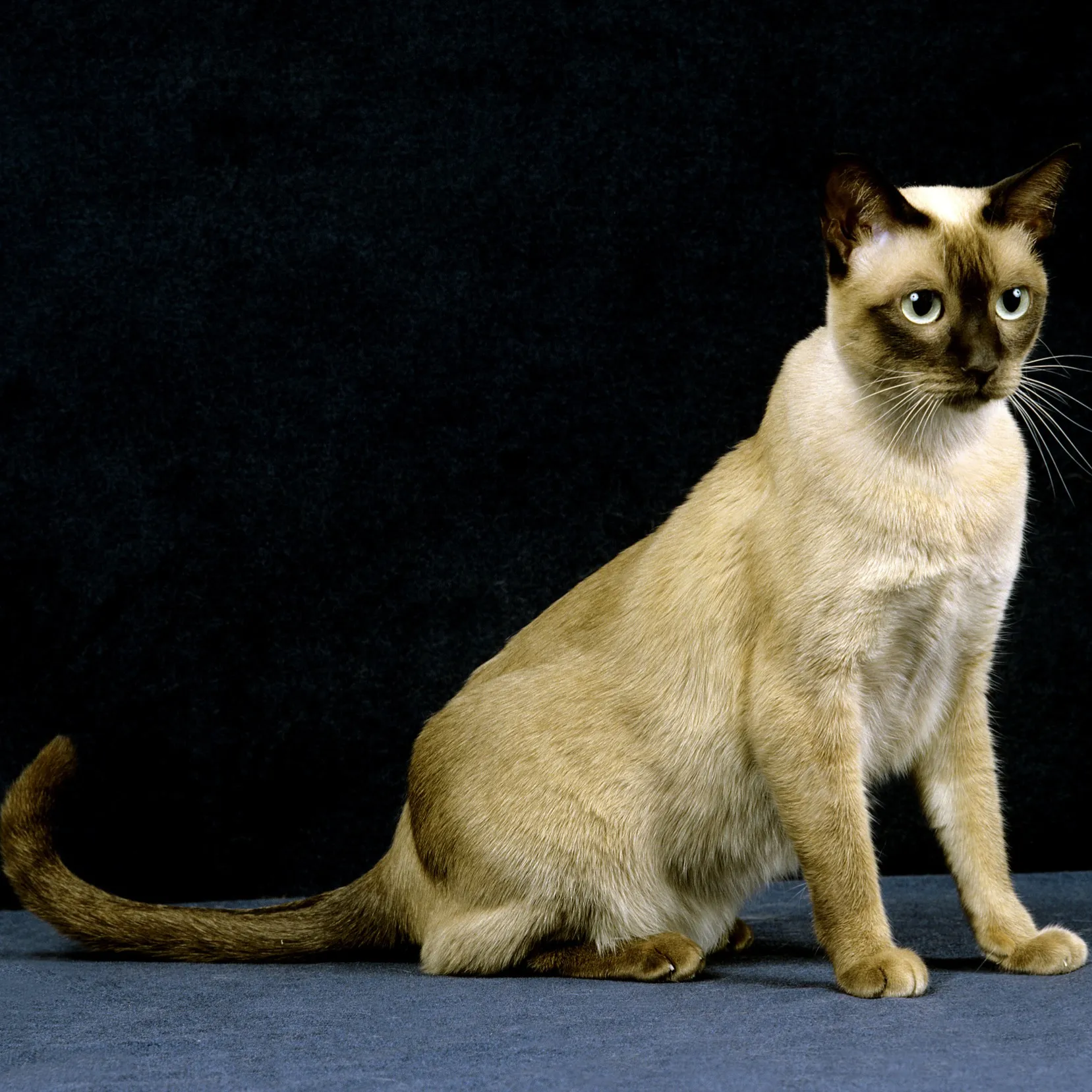
A Tonkinese cat is medium-sized and has inherited the best qualities from its parents, the Siamese and Burmese cats. With their playful attitude, friendly smiles, and special eyes, Tonkinese cats have become well-liked by people searching for a smart, cheerful pet.
In the 1960s, two people, Margaret Conroy from Canada and Jane Barletta from the USA, worked to develop the breed. They wanted to mix the energetic nature of the Siamese with the Burmese’s affectionate attitude, and they accomplished this goal.
The Tonkinese was recognised as an official breed in 1965, and it is thought to look like the original “chocolate Siamese” cats seen in the West in the 19th century.
How Long Do Tonkinese Cats Live?
A Tonkinese cat usually lives between 12 to 16 years if looked after properly.
Tonkinese Temperament and Personality
A Tonkinese cat is usually described as friendly, loving, and always eager to explore. They enjoy human companionship and get on well with children, cats, and also dogs. Notable personality traits are:
- Playful: Interested in games and interactive toys
- Vocal: Less noisy than Siamese, but still very talkative
- Affectionate: Enjoys being close and having company
- Intelligent: Skilled at learning and solving puzzles
- Energetic: They must be engaged or they might become bored.
They are great apartment cats, but they must interact with people every day.
Tonkinese Cat Exercise Needs
Tonkinese are moderately active and need daily playtime to stay healthy and happy. They enjoy:
- Interactive toys (feather wands, balls)
- Cat trees and shelves for climbing
- Puzzle feeders for mental stimulation
- Playing fetch or walking on a leash
They don’t like being alone for too long, so give them plenty of social time.
Characteristics
Temperament with Kids
Aggressive
Friendly
Playfulness
Silent
Very Playful
Friendliness
Not Friendly
Super Friendly
Shedding amount
Negligible
Frequent
Compatibility with other cats
Not Friendly
Super Friendly
Prey Drive
Low
High
Need for attention
Independent
Very Needy
Monthly Expenses


Tonkinese Cat Price Guide
Cost of buying
₹ 25,000 - ₹ 45,000
You can expect the price of a Tonkinese cat in India to be roughly ₹ 25,000 to ₹ 45,000, and it will depend on where the cat comes from, who breeds them, and the cat’s pedigree.
Similar Breeds to the Tonkinese
Shop or Adopt a Tonkinese: Make the Right Choice!
Responsible shopping will make sure that ethical breeding is taking place, while adopting a Tonkinese will give a loving home to a cat that needs it. Pick based on your ability to keep up with their gentle temperament, grooming needs, and lifespan.
Best Practices for Shopping or Adopting a Tonkinese
- Select a good breeder or adoption centre.
- Get health screenings for heart disease and dental problems.
- Observe temperament and socialization levels.
- Vaccination, deworming and medical history should be checked.
- Offer a quiet, reasonably comfortable indoor environment.
- Prevent obesity by maintaining a balanced diet.
- They need to be groomed regularly to manage their dense coat.
- Always ensure you keep routine vet visits as a commitment to lifelong care.
Nutrition Care for the Tonkinese
Monthly Food Expenses
₹ 1,500 - ₹ 2,000
Calories per day
Kittens: 300 kcal
Adults: 250 kcal
Essential Nutrients
Protein
Fats
Carbohydrates
Vitamins
Minerals
Amino Acids (Taurine, Arginine, etc.)
Essential Fatty Acids
Fiber
List of foods
Dry kibble
Wet canned food
Chicken (cooked or raw)
Lamb
Salmon
Mackerel
Eggs (cooked)
- They require high quality protein for the maintenance of muscle.
- Healthy fats support energy levels and a shiny coat.
- Immunity and joint health are strengthened with the help of essential nutrients.
- Taurine is important for heart and vision health.
- Wet food helps in hydration and urinary tract health.
- It is best to avoid low quality foods to prevent obesity and digestion problems.
- A balanced diet of wet food, lean meats and supplements is vital for overall well being.
Feeding Guidelines for Tonkinese
Kittens (0–12 Months): Give your pet 3 or 4 meals each day that contain a lot of protein and fat. Speed up the growth and development of your cat.
Adults (1–7 Years): Feed twice daily with measured portions. Look for foods that offer at least 26% protein and 9% fat.
Seniors (7+ Years): Provide senior-specific food that allows for easy digestion and contains ingredients that protect the joints.
Breakdown of Macro-nutrients
Best Foods for Tonkinese Cats
The best foods for Tonkinese include:
- Royal Canin Siamese or Asian breed formulas – Built to fit slim and muscular cats. They keep the body lean and healthy for digestion.
- Wellness CORE Grain-Free Wet Food – It contains a lot of protein and moisture. It aids in keeping them hydrated and sustains their muscles.
- Hill’s Science Diet Adult Indoor – A balanced food for cats that are moderately active. It aids in maintaining a slim figure and decreases the chances of hairballs.
- Instinct Raw Boost Mixers – Offers a mix of flavours and essential protein. Using freeze-dried toppings adds both taste and extra nutrients.
- Pick foods where the first ingredient is actual meat. This way, your cat gets a healthy and energy-rich source of protein.
Foods to Avoid for Tonkinese Cats
Avoid anything with these ingredients
Onions and Garlic
Caffeine
Chocolate
Alcohol
Bones
High Salt Foods
Raw Eggs
High-Fat Foods
Avoid feeding your Tonkinese:
- Chocolate, grapes, onions, garlic – Toxic for cats. Just a tiny bit can still lead to severe health issues or harm their organs.
- Cooked bones – Splinters can lead to injuries. Such foods could harm the digestive system and even block the airway.
- High-carb fillers (corn, wheat, soy) – May result in obesity. They have low nutrition and can cause allergic reactions.
- Alcohol and caffeine – Dangerous, even if only small doses are taken. They can have an impact on the heart, the nerves, and the kidneys.
- Excessive treats or table scraps – Can interfere with proper eating habits. Feed your cat cat-safe snacks only in small portions.
Pick a good quality cat food that helps them remain active.


Healthcare Tips for Tonkinese
Avg Monthly Expenses
₹ 500 - ₹ 700
Common Health Issues
Upper Respiratory Infections
Dental Problems
Obesity
Diabetes
Kidney Disease
Hyperthyroidism
Heartworm Disease
Fleas and Ticks
Activities
Play with Toys
Chasing Objects
Exploring
Climbing
Scratching
Energy Level
Medium
Exercise routine
30 - 45 minutes
Recognising Stress
Hiding
Increased vocalization
Decreased appetite
Overgrooming
Changes in litter box behavior
Common Health Problems for Tonkinese
Most Tonkinese cats are healthy, except for the possibility of inheriting:
- Hypertrophic Cardiomyopathy (HCM): Siamese and Burmese cats often suffer from this heart condition. Frequent screenings of the heart can spot it before it becomes severe.
- Progressive Retinal Atrophy (PRA): Leads to vision problems in late life. It is necessary to go for an eye exam every year to monitor any changes.
- Dental disease: Routine brushing keeps gum problems away. If dental visits are neglected, problems such as pain and infection may arise.
- Patellar luxation: Their active lifestyle can result in kneecap dislocation. Make sure play areas are safe to protect the joints.
- Respiratory sensitivities: Make sure the environment is safe from smoking and pollutants. Breathing clean air reduces the chances of coughing and irritation.
General Healthcare Tips fot Tonkinese
- Be sure to bring your pet for a vet checkup every 6 months. Regular check-ups find health problems in the early stages.
- Make sure your pet gets required vaccinations and deworming. It keeps your cat safe from common illnesses and harmful parasites.
- Look for changes in your pet’s weight or loss of energy. Sudden changes in behaviour may mean there is an underlying illness.
- Brush your pet’s teeth and give them dental chews. Good dental hygiene helps avoid infections and supports their general well-being.
- Ensure your pet gets enough physical and mental activities. Giving your cat interactive toys keeps boredom away and helps it remain active.
Vaccination details
Growth Stage
Core Vaccines
8 Weeks
Feline Panleukopenia (FPV), Feline Herpesvirus (FHV), Feline Calicivirus (FCV), Feline Leukemia Virus (FeLV)
12 Weeks
Feline Panleukopenia (FPV), Feline Herpesvirus (FHV), Feline Calicivirus (FCV), Feline Leukemia Virus (FeLV)
16 Weeks
Feline Panleukopenia (FPV), Feline Herpesvirus (FHV), Feline Calicivirus (FCV), Feline Leukemia Virus (FeLV)
20 Weeks
Rabies
Tonkinese Grooming Routine
Avg Monthly Expenses
₹ 800 - ₹ 1,500
Shedding Level
Low Shedding
Hygienic Checklist
Litter Box
Nail Trimming
Fur trimming
Teeth care
Ear cleaning
Benefits of Grooming
Cleanliness
Low Shedding
Odourless
Prevents Bad Breath
Prevents infections
Tonkinese cats are low-maintenance but benefit from a consistent grooming schedule:
- Brushing: Once a week to remove loose hair and distribute oils
- Nail Trimming: Every 2–3 weeks
- Ear Cleaning: Monthly, using a vet-approved solution
- Dental Care: Brush teeth 2–3 times a week
No need for frequent baths unless they get into something messy.


Written by
Happy Pet TeamAuthor
Team Happy Pet is a passionate collective of pet experts, enthusiasts, and advocates dedicated to sharing trusted and insightful content.
Our cont
Compare with similar breeds
Frequently Asked Questions
Do Tonkinese cats get lonely?
Yes! They’re extremely social and don’t do well when left alone all day.
Are they good with kids and other pets?
Absolutely. They’re friendly and adjust well if socialised early.
How vocal are they?
They are moderately vocal—more than average cats, but less intense than Siamese.
Do they need special grooming?
Not really. Weekly brushing is enough for their short, silky coat.