Home
/
Cat Breeds
/
Toybob
Toybob
Origin
Russia
Size
Small Breed
Ideal Space
Apartment
Ideal Weather
18º-24ºC
Life Expectancy
12-15 years
Cost of buying
₹ 70,000 - ₹ 1,20,000
Top 5 Traits
Playful
Curious
Affectionate
Friendly
Active
Avg Monthly Expenses
₹ 2,800 - ₹ 4,200

by Happy Pet TeamUpdated on 11 Nov 2025
Know All About the Toybob
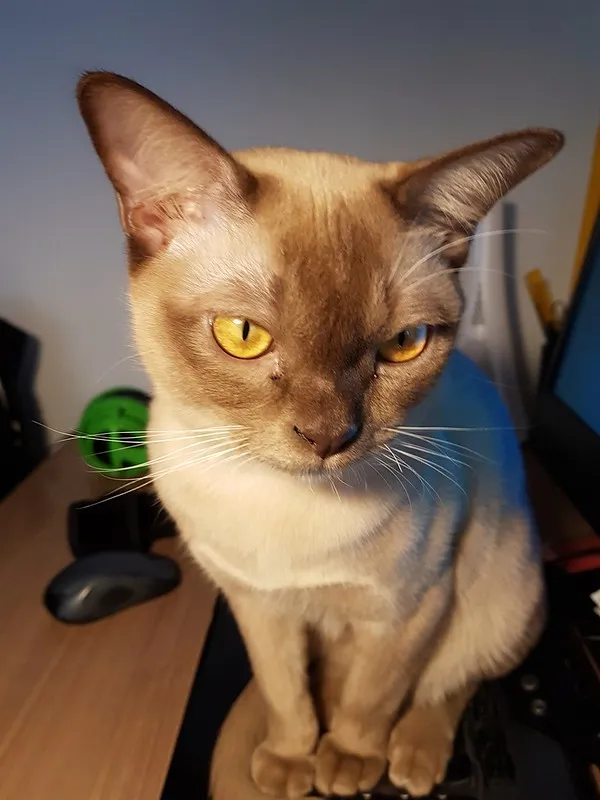
The Toybob is a charming, naturally small cat breed from Russia, distinguished by its compact, muscular body and cute bobbed tail, so much so that even fully grown Toybobs look like perpetual kittens, according to wisdompanel. This tiny feline emerged in the 1980s in the Rostov and Ural regions from a spontaneous genetic mutation resulting in its hallmark bobtail. The breed traces back to “Kutciy,” the first small bobtailed kitten born in 1988, and today all Toybobs can be traced to him.
Toybobs come in both short and semi-long coat varieties and are seen in all colors and patterns, often with a colorpoint presence. Thanks to their expressive large eyes and round facial shape, they maintain a sweet, kitten-like appearance well into adulthood.
Lifespan
Toybobs are long-lived companions, typically reaching 14 to 20 years of age.
Temperament and Personality
Despite their small size, Toybobs are known for their big hearts. They’re affectionate and gentle, often following their people from room to room. While playful and curious, they’re not overly energetic—short play sessions suffice before they're happy to curl up in a lap. This breed is particularly well-suited to families, seniors, or anyone looking for a quiet yet interactive companion. That said, Toybobs are typically shy with strangers and appreciate gradual social introductions. They often do best in households with another Toybob—they’re very social and may struggle if left alone too long.
Characteristics
Temperament with Kids
Aggressive
Friendly
Playfulness
Silent
Very Playful
Friendliness
Not Friendly
Super Friendly
Shedding amount
Negligible
Frequent
Compatibility with other cats
Not Friendly
Super Friendly
Prey Drive
Low
High
Need for attention
Independent
Very Needy
Monthly Expenses


Toybob’s Size and Price
Cost of buying
₹ 70,000 - ₹ 1,20,000
Toybobs are notably diminutive—usually no larger than a 6-month-old kitten, typically weighing 1.8 to 3 kg. They are a premium breed hence their price ranges from Rs 70,000 to Rs 1,20,000.
Toybob Exercise Needs
Toybobs may be tiny, but they’re full of energy and curiosity. They thrive on short bursts of play spread throughout the day, whether it’s chasing a feather wand, batting at a crinkly ball, or exploring a puzzle toy. Because of their small size, they don’t need intense exercise, but they do appreciate mental stimulation—cat trees, tunnels, and interactive toys help keep them active and engaged. A window perch can also be a favorite spot, giving them endless entertainment as they watch the world outside.
Shop or Adopt a Toybob: Make the Right Choice!
- As it is a premium breed, seek out reputable breeders, like those affiliated with the International Toybob Cat Club (ITCC), TICA, or CFA. Beware of being duped by backyard breeders.
- Ask for health clearances, socialization records, and lineage information back to Kutciy.
- Prepare an enriching indoor home with cozy spaces, toys, and someone around to keep them company.
Nutrition Care for the Toybob
Monthly Food Expenses
₹ 1,500 - ₹ 2,000
Calories per day
Kittens: 300 kcal
Adults: 250 kcal
Essential Nutrients
Protein
Fats
Carbohydrates
Vitamins
Minerals
Amino Acids (Taurine, Arginine, etc.)
Essential Fatty Acids
Fiber
List of foods
Dry kibble
Wet canned food
Turkey
Salmon
Chicken (cooked or raw)
Pumpkin
Eggs (cooked)
Blueberries
Toybobs thrive on a high-quality, age-appropriate diet. Given their petite size, it’s important to measure meals carefully—overfeeding or too many treats can quickly lead to weight gain.
- Meat-based proteins like chicken, turkey, or fish are best for building and maintaining their slim, muscular frame. Cats are obligate carnivores, meaning they require animal protein to survive (PetMD).Omega-3 and 6 fatty acids found in fish oil or flaxseed support energy and keep the coat healthy.
- Since toybobs are naturally active, nutrients like glucosamine and antioxidants help keep their joints strong and immune system ready.
Feeding Guidelines
- Kittens ( upto 1 year): Frequent small meals of kitten-formula food to support growth.
- Adults (1–7 years): Portion-controlled meals with limited treats (no more than 10% of daily calories).
- Seniors (7+ years): May need fewer calories if activity decreases—still ensure protein remains sufficient.
Breakdown of Macro-nutrients
Best Foods for Toybobs
A cornerstone of Toybob health is a diet rich in high-quality animal proteins and fats. To ensure balanced hydration and a varied palate, a combination of dry kibble and wet food is recommended. Lean protein sources such as chicken, turkey, and salmon provide the essential building blocks for muscle tissue, while the omega-3 fatty acids in salmon contribute significantly to coat health, cognitive function, and overall well-being.
Not much information is to be found about the specific nutrition plan for this breed. The best way would be to consult your vet. Consistently feeding high-quality commercial cat food tailored to life stage and activity is recommended. Feeding home food is not recommended for this breed.
Never feed these foods to Toybob
Avoid anything with these ingredients
Onions and Garlic
Chocolate
Alcohol
Bones
Raw Eggs
Grapes and Raisins
Xylitol
High-Fat Foods
- It may seem natural, but raw fish can cause thiamine deficiency and carry parasites. Cooked is safer if given occasionally.
- In any form, onions and garlic are toxic and can cause anemia. This includes powders and broths. Most adult cats are lactose intolerant. Milk and cheese often lead to digestive trouble.
- Corn, wheat, and soy offer little nutrition and can upset a cat’s stomach. Avoid these in the ingredient lists.
Colors, preservatives, or synthetic flavors may irritate the gut and dull the coat over time. Natural, clean-label brands are best.
Stick to high-quality, clean-label diets. Avoid overfeeding treats and monitor portion sizes carefully. Best way would be to consult your vet.


Health
Avg Monthly Expenses
₹ 500 - ₹ 700
Common Health Issues
Obesity
Dental Problems
Kidney Disease
Hyperthyroidism
Fleas and Ticks
Hairballs
Gastrointestinal Issues
Urinary Tract Infections (UTI)
Activities
Play with Toys
Chasing Objects
Exploring
Climbing
Interactive Feeders
Energy Level
Medium
Exercise routine
30 - 60 minutes
Recognising Stress
Hiding
Increased vocalization
Decreased appetite
Overgrooming
Changes in litter box behavior
Medical Care
The breed benefits from strong genetic diversity and remains generally healthy with no known congenital conditions. However, regular veterinary screenings are still important to catch any age-related concerns early.
General Healthcare Tips
- Annual vet checkups: Essential for monitoring dental health, weight, and overall wellness.
- Preventive care: Keep up with vaccinations and parasite prevention.
- Companionship and stimulation: Because Toybobs are social, ensuring they have interaction—ideally with another pet—is important for mental and emotional well-being.
Senior Toybob Care
- Create a cozy, low-entry resting area suited to their small frames.
- Maintain gentle play to support muscle tone, while observing for any mobility changes.
- Offer more frequent, smaller meals if appetite or metabolism shifts.
Vaccination details
Growth Stage
Core Vaccines
6-8 Weeks
Feline Distemper (FVRCP).
9-12 Weeks
Feline Leukemia Virus (FeLV).
12-16 Weeks
Feline Immunodeficiency Virus (FIV).
16+ Weeks
Annual boosters (FVRCP, FeLV).
Toybob Grooming Routine
Avg Monthly Expenses
₹ 800 - ₹ 1,500
Shedding Level
Low Shedding
Hygienic Checklist
Litter Box
Grooming (for some breeds)
Hydration
Health Observation
Nail Trimming
Ear cleaning
Benefits of Grooming
Cleanliness
Prevents infections
Quality of life
Prevents Bad Breath
Odourless
Grooming a Toybob is simple thanks to their short, soft coat. A quick brushing once a week is usually enough to remove loose hair and keep their coat shiny. They rarely need baths unless they get into something messy. Like any cat, they’ll benefit from regular nail trims every couple of weeks, ear checks to prevent wax buildup, and tooth brushing two to three times a week with feline-safe toothpaste to support good dental health. These small routines go a long way in keeping your Toybob looking and feeling their best.


Written by
Happy Pet TeamAuthor
Team Happy Pet is a passionate collective of pet experts, enthusiasts, and advocates dedicated to sharing trusted and insightful content.
Our cont
Frequently Asked Questions
What are common health issues for Toybobs?
Common health concerns for Toybobs include obesity, dental problems, kidney disease, and hyperthyroidism. Regular veterinary check-ups and a healthy diet can help manage and prevent these issues.
How do I find a reputable Toybob breeder?
Look for breeders who are members of recognized cat breeding associations and have a good reputation for ethical breeding practices. Always visit the breeder’s facility and ask for references to ensure the health and well-being of their cats.
Are Toybobs prone to any specific dietary restrictions?
Toybobs should avoid high-fat foods, chocolate, onions, garlic, and grapes, as these can cause health issues. A well-balanced diet tailored to their needs will keep them healthy.