Home
/
Cat Breeds
/
Toyger
Toyger
Origin
United States
Size
Medium Breed
Ideal Space
Apartment
Ideal Weather
18º-24ºC
Life Expectancy
12-15 years
Cost of buying
₹ 1,00,000 - ₹ 3,00,000
Top 5 Traits
Playful
Friendly
Affectionate
Curious
Energetic
Avg Monthly Expenses
₹ 2,800 - ₹ 4,200

by Happy Pet TeamUpdated on 3 Sept 2025
All You Need to Know About The Toyger
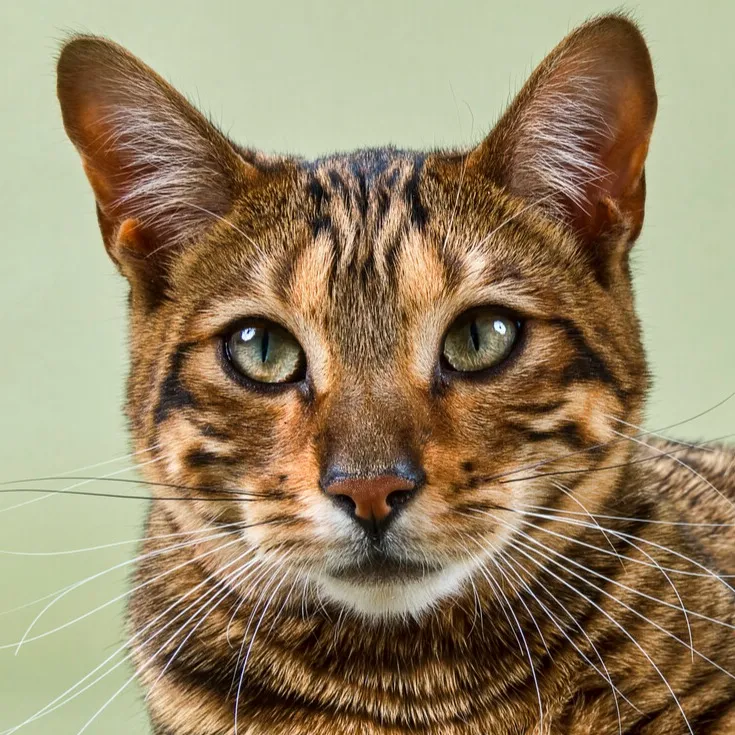
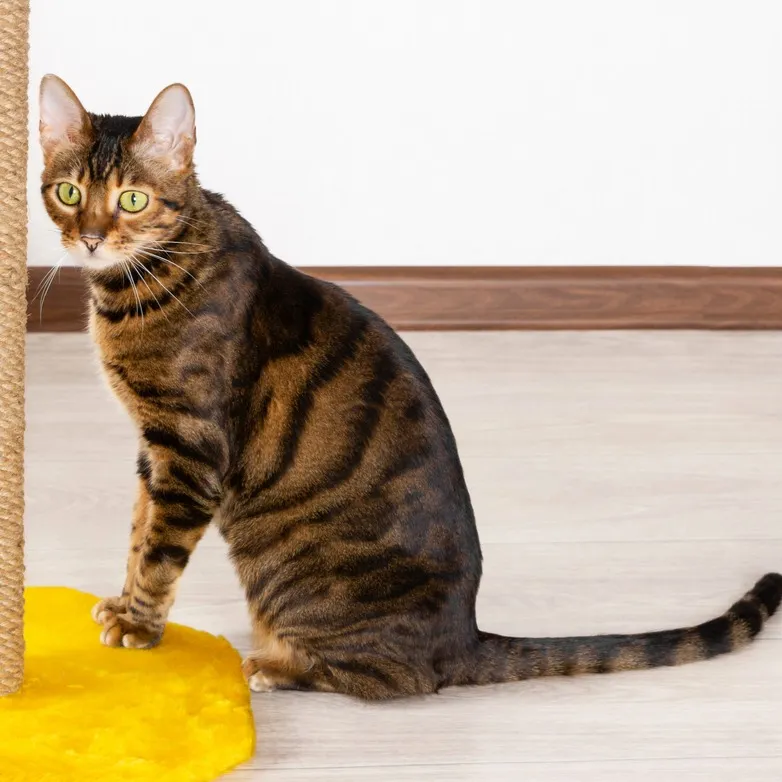
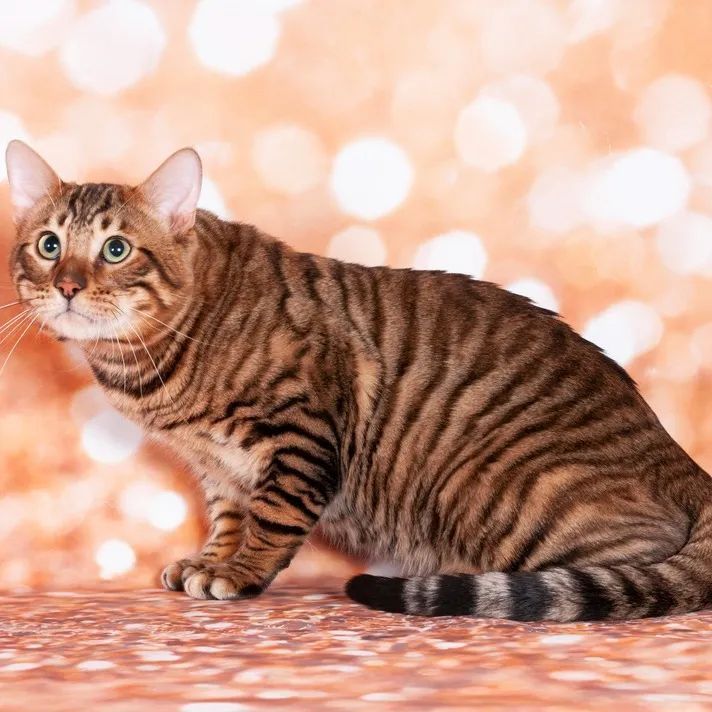
The Toyger is a medium-sized domestic cat breed developed to resemble a miniature tiger, with its striking striped coat and muscular build. This breed is celebrated for its exotic appearance combined with a friendly, laid-back temperament, making it a unique and captivating companion. The Toyger’s shimmering orange-brown coat with bold, dark stripes gives it a wild, jungle-cat aesthetic while maintaining the easygoing personality of a domestic cat, according to the PetMD.
First developed in the 1980s by breeder Judy Sugden, the Toyger was created by selectively breeding Bengal cats with domestic shorthaired cats to emphasize tiger-like markings. Recognized for its athletic body, rounded ears, and long tail, the Toyger is as graceful as it is affectionate, according to The Spruce Pets.
Toygers are intelligent, interactive, and enjoy being involved in their family’s daily life. They often form strong bonds with their owners and are adaptable to different household environments. Their playful yet gentle nature makes them a good fit for homes with children and other pets.
Toyger Lifespan
With proper care, Toygers generally live between 10 to 15 years. They are considered a healthy breed overall, though regular veterinary check-ups are essential to maintain their well-being, according to PetMD.
Temperament and Personality
Toygers are admired for being active, curious, and affectionate.
- Affectionate and people-oriented: They enjoy spending time with their owners and thrive on companionship.
- Playful and intelligent: Highly trainable, they respond well to clicker training and interactive games.
- Active but adaptable: While they love playtime, they also enjoy lounging and relaxing with their family.
Characteristics
Temperament with Kids
Aggressive
Friendly
Playfulness
Silent
Very Playful
Friendliness
Not Friendly
Super Friendly
Shedding amount
Negligible
Frequent
Compatibility with other cats
Not Friendly
Super Friendly
Prey Drive
Low
High
Need for attention
Independent
Very Needy
Monthly Expenses


Lifespan & Price of the Toyger in India
Cost of buying
₹ 1,00,000 - ₹ 3,00,000
Lifespan: Toygers generally live 12–15 years, with some sources indicating 13+ years with proper care
Price: Toyger kittens from reputable breeders range between approximately ₹100,000–₹300,000
Exercise and Enrichment
Toygers are energetic, intelligent, and thrive on both mental and physical stimulation:
- Daily interactive play—around 15–20 minutes, several times a day—with feather wands, puzzle toys, or treat dispensers helps burn energy and engage their instincts.
- Climbing structures and scratching posts, like tall cat trees or tunnels, provide important vertical and exploratory stimulation.
- Training opportunities: Toygers enjoy—and often teach themselves—activities like fetch, agility, leash walks, and running on cat exercise wheels.
- Environmental enrichment: Rotating toys, puzzle feeders, and dedicated play spaces help keep boredom at bay, reducing negative behaviors.
Similar Breeds to the Toyger
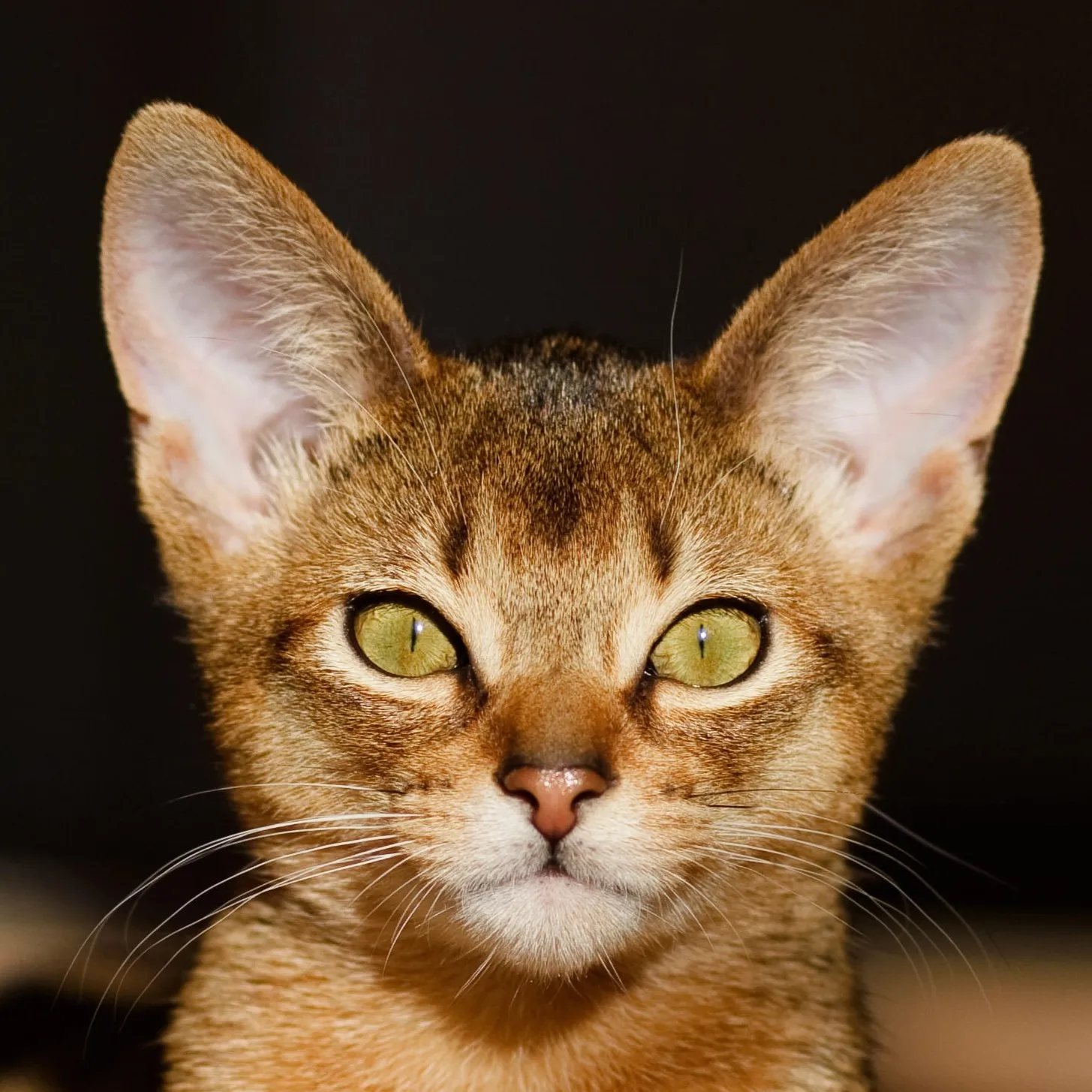
Bengal | Ocicat | Abyssinian
Shop or Adopt a Toyger: Make the Right Choice
Bringing a Toyger into your home is an exciting decision that requires careful planning. Here are some best practices to guide you:
- Choose reputable, ethical breeders who can provide proof of health screenings for hereditary issues like hypertrophic cardiomyopathy (HCM) and progressive retinal atrophy (PRA).
- If adopting, spend time interacting with the cat to ensure its personality and activity level align with your household.
- Assess socialization early—Toygers thrive in environments where they’ve been well-handled from a young age.
- Prepare your home with vertical spaces, scratching posts, and plenty of interactive toys to meet their high energy and curiosity.
- Commit to lifelong care—including a protein-rich diet, regular grooming, annual veterinary check-ups, and mental enrichment to keep them happy and healthy.
Nutrition Care for the Toyger cat
Monthly Food Expenses
₹ 1,500 - ₹ 2,000
Calories per day
Kittens: 250 kcal
Adults: 300 kcal
Essential Nutrients
Protein
Fats
Carbohydrates
Vitamins
Minerals
Amino Acids (Taurine, Arginine, etc.)
Essential Fatty Acids
Fiber
List of foods
Dry kibble
Wet canned food
Semi-moist cat food
Chicken (cooked or raw)
Turkey
Salmon
Eggs (cooked)
Plain yogurt (no added sugar)
Toygers are active, muscular, and intelligent cats; their diet should reflect their energetic lifestyle:
- High-quality animal protein such as chicken, turkey, or fish is essential for muscle development and to support their lean, athletic build. These sources also provide key amino acids like taurine, which cats cannot synthesize on their own and which are essential for heart and eye health, according to the Rare Cats For Sale.
- Healthy fats, including omega-3 and omega-6 fatty acids, support skin and coat health, help reduce inflammation, and maintain energy levels.
- A balanced profile of vitamins and minerals is important for general health. While breed-specific data is limited, general feline nutrition guidelines emphasize the need for vitamins A, D, E, B-complex, and minerals like calcium and phosphorus, according to Wikipedia.
- Low to moderate carbohydrates are preferable—high-carb diets can contribute to weight gain and are less aligned with a carnivorous metabolism.
Feeding Guidelines
- Kittens: Feed a grain-free or high-protein kitten formula (35–40% protein) in 3–4 small meals daily to fuel growth and playfulness.
- Adults: Provide a protein-rich diet (over 30%+ protein) split into two measured meals per day; supplement with lean meats as desired, and hydrate via wet food.
- Seniors: Adjust portion sizes to match reduced activity levels; focus on easily digestible lean protein, monitor weight to prevent obesity.
Hydration
- Fresh, clean water should always be accessible. Because of their activity, Toygers benefit from extra hydration support, according to New Wave Kitty
- Including wet food in their diet helps maintain hydration, supporting kidney and urinary tract health. Mixing wet food into one of the daily meals is recommended.
Breakdown of Macro-nutrients
Selecting Good Quality Food for Toyger Cat
- Choose premium cat food with real meat listed as the first ingredient—avoid generic fillers, grains, artificial additives, or plant-based proteins that offer lower nutritional value for carnivores, according to Catster.
- Avoid overfeeding or free-feeding to prevent obesity, which Toygers are susceptible to if intake isn't monitored carefully.
- For varying nutrition and enrichment, supplement dry food with lean meats (e.g., fresh chicken thigh) or high-quality wet food, while ensuring balanced overall nutrient intake.
Never feed these foods to Toyger
Avoid anything with these ingredients
Onions and Garlic
Caffeine
Chocolate
Bones
Raw Eggs
Alcohol
Grapes and Raisins
Xylitol
Toyger cats, as obligate carnivores, exhibit distinct dietary needs. Their physiological adaptations necessitate a diet primarily composed of animal-based proteins and fats. High-quality protein sources, such as chicken, turkey, and fish, provide essential amino acids crucial for tissue repair, growth, and energy metabolism. A sufficient intake of healthy fats supports energy production, vitamin absorption, and the maintenance of skin and coat health.
While proteins and fats form the foundation of a Toyger's diet, a balanced intake of vitamins, minerals, and trace elements is equally imperative. These micronutrients play a pivotal role in immune function, bone health, and overall well-being. It is essential to select cat foods that incorporate a comprehensive nutrient profile. However, in certain instances, supplementation may be required to address specific nutritional deficiencies. Consulting with a veterinarian can provide tailored dietary recommendations to meet the unique needs of individual Toyger cats.


Health Guide for Toyger Cats
Avg Monthly Expenses
₹ 500 - ₹ 700
Common Health Issues
Dental Problems
Obesity
Diabetes
Kidney Disease
Gastrointestinal Issues
Urinary Tract Infections (UTI)
Hypertrophic Cardiomyopathy (HCM)
Skin Allergies
Activities
Play with Toys
Interactive Playtime
Exploring
Hiding Places
Climbing
Social Interaction
Energy Level
High
Exercise routine
30 - 60 minutes
Recognising Stress
Hiding
Increased vocalization
Decreased appetite
Overgrooming
Changes in litter box behavior
Common Health Concerns in Toygers
Toygers may be susceptible to several hereditary or lifestyle-related conditions:
- Hypertrophic Cardiomyopathy (HCM) & Heart Murmurs: A significant concern; regular cardiac screenings and monitoring for murmurs are essential.
- Progressive Retinal Atrophy (PRA) & Pyruvate Kinase Deficiency (PK Def): Genetic conditions inherited via their Bengal lineage; DNA testing is advisable for breeders and owners to assess risk, according to Bored Panda.
- Obesity: May arise in less active indoor cats; proper portion control and exercise help mitigate risks like diabetes or joint issues.
- Urinary Tract Infections (UTIs): Maintaining hydration and litter hygiene supports urinary health.
- Dental Disease (e.g., tooth resorption, tartar): Preventive care is vital against periodontal issues.
- Patellar Luxation (Kneecap Dislocation): Some Toygers may develop joint issues; veterinary evaluation is necessary if symptoms occur.
- Skin Allergies / Asthma: Environmental or dietary sensitivities may trigger respiratory or dermatological issues in some Toygers.
- Kidney Disease & General Aging Conditions: Like many cats, Toygers may develop kidney issues or arthritis as they age—regular screenings and monitoring are important.
General Healthcare Tips
- Annual Vet Exams: Enable early intervention for emerging health problems.
- Dental Care at Home: Brushing and dental treats help avert gum disease.
- Stay Active: Regular interactive play, climbing setups, or cat exercise wheels help maintain fitness and aid weight control
- Vaccination & Parasite Prevention: Adhere to recommended schedules to safeguard against disease.
- Genetic Testing for Breeding: If obtaining a Toyger, choose breeders who test for HCM, PRA, PK Def, and other inherited conditions.
Medical Care for the Toyger
Toygers are generally healthy, but proactive medical support is essential for their well-being:
- Routine Veterinary Check-ups: Schedule comprehensive exams annually for adult Toygers and consider biannual visits for senior cats to monitor age-related changes. Early detection of health conditions can vastly improve outcomes.
- Vaccinations: Keep up with core feline vaccinations—such as for rabies, feline leukemia (FeLV), and panleukopenia—to protect against common infectious diseases.
- Parasite Control: Maintain year-round prevention for external parasites (fleas, ticks) and internal ones (worms).
- Dental Examinations & Cleanings: Routine dental care—brushing and professional cleanings—helps prevent periodontal disease, which Toygers may be predisposed to.
Senior Toyger Care
As Toygers age, tailored adjustments can help maintain quality of life:
- Veterinary Visits: Increase to twice a year for comprehensive health evaluations.
- Nutrition Adaptations: Switch to senior-formulated diets—lower in calories but still rich in protein, with supplements like glucosamine or omega-3s for joint support.
- Mobility Aids: Provide easy-to-access perches, ramps, or low-sided litter boxes to reduce strain.
- Hydration Focus: Encourage water intake via multiple water sources and wet food to support kidney health.
- Comfort Measures: Offer warm, soft resting locations in quiet areas to accommodate joint stiffness or age-related discomfort.
Vaccination details
Growth Stage
Core Vaccines
6-8 Weeks
FVRCP (Feline Viral Rhinotracheitis, Calicivirus, Panleukopenia).
12 Weeks
FVRCP booster.
16-20 Weeks
Rabies, FVRCP.
Annually
Rabies booster, FVRCP booster.
Grooming needs for Toyger Cat
Avg Monthly Expenses
₹ 800 - ₹ 1,500
Shedding Level
Moderate Shedding
Hygienic Checklist
Grooming (for some breeds)
Ear cleaning
Nail Trimming
Teeth care
Litter Box
Health Observation
Benefits of Grooming
Cleanliness
Low Shedding
Odourless
Prevents infections
Quality of life
Toyger cats possess striking, patterned coats that demand careful attention to maintain their allure and overall well-being. While their short fur may suggest minimal grooming needs, regular maintenance is essential to prevent matting, reduce shedding, and detect potential skin issues early. A weekly brushing session with a soft-bristled brush or grooming mitt effectively removes loose hair, distributes natural oils, and enhances the coat's luster. It's also an opportunity to examine the skin for any signs of irritation, allergies, or parasites.
Beyond coat care, comprehensive grooming encompasses nail, ear, and dental hygiene. Regular nail trimming, typically every few weeks, prevents overgrowth and discomfort. Routine ear cleaning, approximately once a month, helps remove wax buildup and identify potential infections. Dental health is paramount for preventing painful and costly oral diseases. Consistent tooth brushing or the use of veterinary-approved dental treats is recommended. By incorporating these grooming practices into a routine, Toyger owners can significantly enhance their cat's comfort, appearance, and overall health, fostering a stronger bond between pet and owner.
Let's boil down the grooming needs to the top 3 points.
- Brushing: A weekly brushing is sufficient to control shedding, keep the coat glossy, and reduce loose hair, according to The Spruce Pets.
- Bathing: Rarely necessary unless the cat becomes particularly dirty.
- Nail trims, ear checks, and teeth brushing: As with other breeds, routine nail trimming, ear cleaning, and dental hygiene are essential for overall well-being.


Written by
Happy Pet TeamAuthor
Team Happy Pet is a passionate collective of pet experts, enthusiasts, and advocates dedicated to sharing trusted and insightful content.
Our cont
Compare with similar breeds


Frequently Asked Questions
Are there any specific health concerns with Toyger cats?
While Toyger cats are generally healthy, they can be prone to common feline health issues such as dental problems, obesity, and heart conditions like hypertrophic cardiomyopathy (HCM).
How much exercise do Toyger cats need?
Toyger cats require regular exercise to maintain their physical and mental health. Interactive play sessions of at least 30-60 minutes daily are recommended.
Are Toyger cats easy to train?
Yes, Toyger cats are intelligent and can be trained to perform various tricks and respond to commands. They respond well to positive reinforcement training methods.