Home
/
Dog Breeds
/
American Staffordshire Terrier
American Staffordshire Terrier
Origin
United States
Size
Medium Breed
Ideal Space
House with backyard
Ideal Weather
15º-25ºC
Life Expectancy
12-16 years
Cost of buying
₹ 30,000 - ₹ 1,00,000
Top 5 Traits
Energetic
Loyal
Playful
Protective
Intelligent
Avg Monthly Expenses
₹ 3,550 - ₹ 5,400

by Happy Pet TeamUpdated on 31 Aug 2025
Meet the American Staffordshire Terrier: India’s Loyal Powerhouse in a Compact Frame
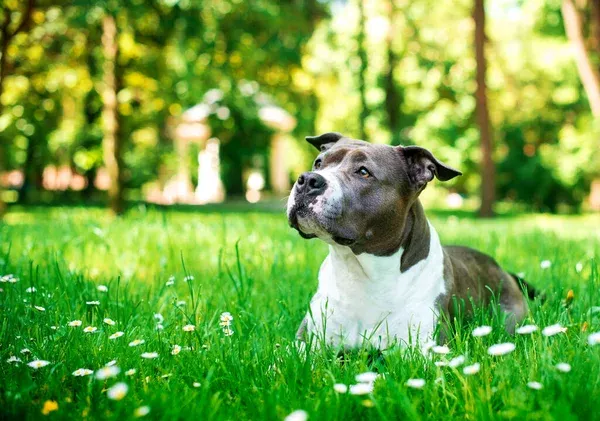
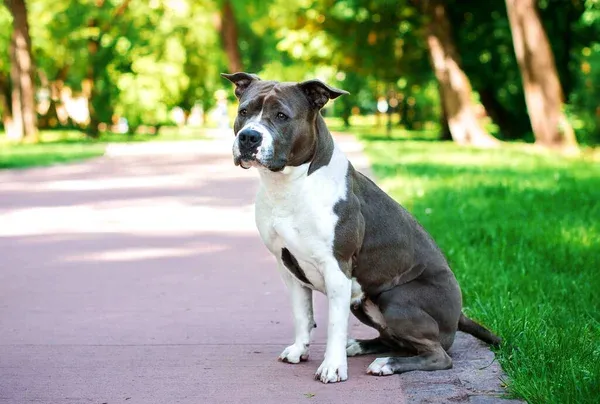
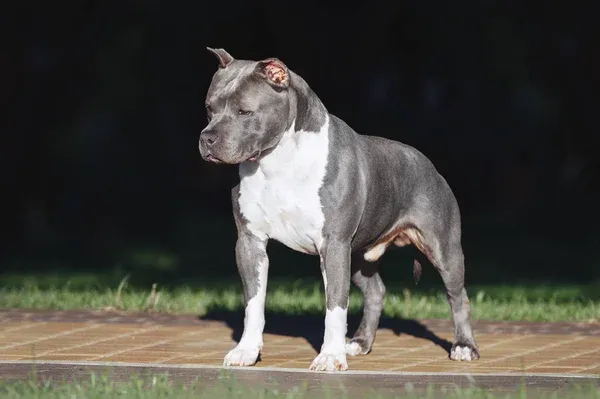
The American Staffordshire Terrier, or AmStaff, is a breed that blends strength, loyalty, and affection. First recognized by the American Kennel Club, AmStaffs are muscular, confident dogs often described as “people lovers” because of how much they thrive on human companionship. Despite their tough exterior, they’re affectionate and deeply devoted to their families, making them both watchdogs and snuggle buddies.
In India, the breed is still rare but is gaining attention among pet parents who want a medium-sized, protective yet affectionate dog. With their short coat and moderate grooming needs, they’re relatively easy to manage, but climate, training, and exercise routines need extra attention to help them settle into Indian homes.
How Long Do American Staffordshire Terriers Live?
One of the many perks of this breed is its longevity. AmStaffs usually live 12 to 16 years, making them one of the longer-lived medium breeds. PetsRadar notes that many enjoy active, playful senior years well into their teens when given proper diet and preventive care.
Temperament & Personality
Although their muscular frame gives them a formidable presence, AmStaffs are often described as confident, good-natured, and affectionate by the AKC. They’re smart and eager to please, but they also have a terrier’s stubborn streak, which means training needs to be both firm and fun.
The Spruce Pets points out that AmStaffs are naturally family-oriented, often excelling as companions for children when raised together. They’re playful yet protective, making them both gentle playmates and reliable watchdogs. With strangers, they may appear cautious, but early socialization—introducing them to visitors, neighbors, and delivery staff—helps build a well-adjusted adult.
Their terrier heritage means they can be selective with other pets, especially small animals. Calm, consistent introductions are essential in multi-pet households. And when it comes to training, PetMD emphasizes that positive reinforcement—using treats, toys, and praise—works far better than harsh methods, which can backfire with such an intelligent, sensitive breed.
Apartment vs. Farmhouse Life in India
A big question Indian families often ask is: Can such a powerful dog really live in an apartment? The answer is yes, with the right exercise and enrichment.
In cities like Delhi, Mumbai, or Bengaluru, AmStaffs adapt well to apartment living if they get 60–90 minutes of daily exercise, which can be split between walks, tug-of-war, or puzzle toys. Since they’re not naturally barky, they’re less likely to disturb neighbors, something The Spruce Pets also notes as a plus. Because smooth marble and tiled floors are common in Indian homes, trimming nails regularly and using anti-slip mats helps keep them steady on their feet.
In farmhouses or suburban homes, AmStaffs really come into their own. Their terrier instincts mean they love to run, explore, and guard their territory. As Britannica explains, they were originally bred as tenacious working dogs, so secure fencing is a must to prevent adventurous escapes. Their natural guarding tendencies also make them reliable watchdogs in Indian suburban neighborhoods.
When it comes to India’s climate, their short coat makes them better suited to heat than double-coated breeds, but heatstroke is still a risk. Walks should always be scheduled for early mornings or evenings in hot cities like Chennai or Hyderabad. Indoors, fans, cooling mats, or AC provide relief during peak summers. In cooler hill stations such as Shimla or Ooty, AmStaffs thrive and can enjoy longer hours outdoors without discomfort.
Characteristics
Barking
Quiet
Loud
Temperament with Kids
Aggressive
Friendly
Playfulness
Silent
Very Playful
Friendliness
Not Friendly
Super Friendly
Compatibility with other dogs
Aggressive
Friendly
Need for attention
Independent
Very Needy
Monthly Expenses


Lifespan & Availability in India
Cost of buying
₹ 30,000 - ₹ 1,00,000
AmStaffs are relatively long-lived for their size, typically 12 to 16 years, with many enjoying a robust senior life. Known for their general hardiness, these dogs can become lifelong buddies when well cared for.
In India, they aren’t as common as breeds like Labradors or Terriers. They can cost anything from Rs 30,000 to Rs 1,00,000. Finding a well-bred AmStaff may involve importing, which can be costly and requires thorough vet health checks, registration, and breeder credibility.
Exercise Needs
Despite their power-packed build, AmStaffs have a medium energy level, about 1 to 2 hours of daily activity is ideal. Regular walks, jogs, fetch games, or training drills are great ways to keep them fit and happy.
In India's heat, especially in cities like Delhi or Chennai, early-morning or late-evening sessions are safest. In cooler hill regions like Ooty or Shimla, you can enjoy longer, more adventurous days out. On days when going outside isn’t ideal, indoor brain and body games (like puzzle toys or tug-of-war) keep their minds sharp and their frames fit.
Prerequisites to pet a American Staffordshire Terrier
Access to Groomer
Access to Veterinary
Appropriate Climate
Lifestyle Compatibility
Financial Capability
Shop or Adopt an AmStaff in India
Finding an AmStaff in India isn’t always straightforward, but worthwhile if you’re looking for a loyal, energetic companion. Adoption opportunities are rare but do pop up through breed-specific or multispecies rescue groups.
- Clearances on hips, thyroid, eyes, and temperament from parents
- Early socialization and household upbringing (not just kenneling)
- Vaccination records, microchipping, and pedigree documentation
Given breed-targeted stigma in some areas, being a responsible owner, promoting positive, well-trained behavior, makes a world of difference.
Nutrition Care for American Staffordshire Terriers in India
Monthly Food Expenses
₹ 2,250 - ₹ 3,000
Calories per day
Puppies: 1600 kcal
Adults: 1300 kcal
Essential Nutrients
Protein
Fats
Carbohydrates
Fibre
Vitamins
Minerals
List of foods
Dry Dog Food
Fresh Meat
Fresh Fish
Fruits
Vegetables
Chicken
Lively, muscular, and affectionate, AmStaffs need nutrition that supports their strength, stamina, and loving nature. The right diet keeps their energy levels vibrant while protecting their joints and supporting skin and coat health.
Protein: Muscles & Metabolism Fuel
Protein is a must-have in an AmStaff's meals—it supports lean muscle, tissue repair, and keeps their metabolism humming. Experts advise that active breeds like AmStaffs benefit most from diets containing 25–30% high-quality animal protein, according to PetMD.
Indian-friendly protein options:
- Boiled chicken or goat meat (plain, no spices)
- Eggs (boiled or lightly scrambled)
- Local fish like rohu, sardines, and mackerel (great for omega-3s)
- Infact, In hot weather, opt for lighter proteins like fish or chicken, they're easier on digestion and more refreshing to digest.
Fats: For Brain, Body & Beautiful Coats
Fats are incredibly important too—especially omega fatty acids that support skin, coat shine, and brain function. A balanced fat intake also helps maintain energy for this muscular breed, as Each Paw notes.
Healthy fat sources in India:
- Fatty fish such as sardines or mackerel
- A teaspoon of coconut oil, 2–3 times a week
- Fish oil supplements (vet-approved), especially helpful for joint health
These options help keep AmStaffs’ short coats sleek and skin healthy, even in dry, dusty climates like Delhi or Jaipur.
Carbohydrates: Smart Energy, Not Empty Calories
AmStaffs are energetic, but they’re not built for non-stop hyperactivity. Complex carbohydrates provide steady energy without the weight gain. Avoid cheap fillers like corn or wheat that add empty calories and may cause allergies.
Some carb picks include:
- Sweet potatoes
- Brown rice or oats
- Nutritious Indian millets like ragi or bajra
- Low-glycemic vegetables like pumpkin or bottle gourd
These help sustain activity while supporting digestion and energy regulation.
Vitamins & Minerals: Tiny Boosts, Big Impact
AmStaffs benefit from precursors that support bone health, immune function, and eye health. Calcium, phosphorus, and vitamins A, D, and E are particularly vital.
Easy Indian additions:
- Boiled vegetables like carrots, spinach, peas, and beans
- Calcium supplements for growing pups (vet-approved)
- Joint supplements like glucosamine and chondroitin for adult or senior dogs
Feeding Guidelines by Life Stage
Puppies (up to ~12 months):
- Offer 3–4 small meals a day with puppy-specific kibble. Add in boiled egg or chicken for flavor and nutrient boost. Avoid overloading calcium to protect their developing joints
Adults (1–7 years):
- Two meals daily work best. Rotate between premium kibble and light home-cooked meals. In Indian summers, lighter breakfasts (like rice + pumpkin) and protein-rich dinners (chicken + sweet potato) work well.
Seniors (7+ years):
- Reduce calories by about 15–20%, focus on digestible proteins like fish or eggs, and continue joint support supplements.
AmStaffs are deep-chested and prone to bloat (GDV), so it's best to feed smaller portions and avoid vigorous activity after meals
Breakdown of Macro-nutrients
Best Food Choices for Indian AmStaffs
Premium Kibble Picks:
Royal Canin Medium/Power, Hill’s Large Breed, Orijen High-Protein, Farmina N&D, Acana Singles (all good Indian options when transitioning)
Always transition slowly to avoid stomach upsets.
Home-Cooked Meal Ideas:
- Chicken + pumpkin + brown rice + spinach
- Sardines/mackerel + sweet potato + beans
- Egg + oats + carrots
- Paneer (in moderation) + ragi porridge + peas
Keep everything lightly cooked, avoid spices, oils, and masala.
Healthy Treat Picks:
- Carrot or cucumber sticks
- Apple slices (seedless)
- Unsweetened curd (refreshing in summer)
- Oven-dried homemade chicken jerky (no salt or spices)
Hydration Helpers:
- Unsalted bone broth
- Coconut water (occasionally)
- Multiple fresh water bowls, especially during peak heat
Never feed these foods to American Staffordshire Terrier
Avoid anything with these ingredients
Alcohol
Avocados
Cherries
Cinnamon
Coffee / Tea
Dairy
Fruit seeds
- Toxic items: Onions, garlic, chocolate, grapes, raisins, xylitol, caffeine
- Fried Indian snacks: Pakoras, samosas, anything deep-fried or heavily spiced
- Unsafe chews: Rawhide, brittle cooked bones
- Low-quality kibble: Containing corn, soy, or artificial dyes
- Sugary or dairy-heavy foods: Mithai, ice cream, milkshakes, too much paneer
If it’s spicy, oily, sugary, or heavily processed, it doesn’t belong in your AmStaff’s diet.


Health
Avg Monthly Expenses
₹ 600 - ₹ 1,200
Common Health Issues
Bloat
Hip Dysplasia
Parasites
Parvovirus
Heartworm
Kennel Cough
Leptospirosis
Rabies
Well being
Exercise
Bonding
Socialization
Games
Hiking
Energy Level
High
Exercise routine
60 - 90 minutes
Recognising Stress
Changes in appetite
Excessive Barking
Pacing
Excessive Panting
Reluctance to move
Healthcare for the American Staffordshire Terrier in India
The American Staffordshire Terrier (AmStaff) is a muscular, confident, and affectionate dog that’s often praised for its loyalty and people-loving nature (American Kennel Club). While they’re generally hardy, like most purebred dogs, AmStaffs can face certain genetic and lifestyle-related health concerns. For pet parents in India, being aware of these issues, and adjusting care for our hot climate, concrete-heavy cities, and food habits, is the key to helping them live a long, happy life.
Common Health Concerns
Hip & Elbow Dysplasia
Joint issues such as hip and elbow dysplasia are fairly common in AmStaffs. These conditions cause abnormal joint development, which can lead to stiffness and arthritis over time. PetMD explains that responsible breeders usually screen for these problems, so always ask for certificates before buying a puppy. In India, where daily walks often happen on tiled or concrete roads, switching some play sessions to grassy parks or indoor games can help reduce joint strain.
Eye Disorders
AmStaffs are also prone to hereditary eye conditions like Progressive Retinal Atrophy (PRA) and Canine Multifocal Retinopathy (CMR1), which can cause gradual vision loss. According to Wisdom Panel, genetic testing can identify carriers early. For Indian parents, annual eye exams—especially after age five—are a smart preventive step.
Hypothyroidism
A sluggish thyroid can lead to weight gain, low energy, and skin changes. PetMD notes that hypothyroidism is treatable with medication, but regular blood tests are important. Luckily, most urban Indian clinics (Delhi, Bengaluru, Mumbai) offer routine thyroid panels.
Cerebellar Ataxia
A rare but serious concern, cerebellar ataxia is a neurological disorder that causes unsteady movement and tremors. PetMD highlights that symptoms often appear between 3–6 years of age. When buying in India, insist that breeders provide genetic test reports to rule this out.
Skin Allergies
Skin sensitivities are another concern. Many AmStaffs develop itching, rashes, or hot spots triggered by pollen, flea bites, or food allergens. The humid Indian monsoon can make things worse by encouraging fungal infections. Using vet-recommended shampoos and drying them thoroughly after rain walks helps keep flare-ups under control.
Cancer Risks in Seniors
As AKC notes, senior dogs—including AmStaffs—are at higher risk of developing cancers and tumors. Annual full-body checks and keeping an eye out for unusual lumps, slow-healing sores, or sudden weight loss are essential for early detection.
Dental & General Infections
AmStaffs can develop tartar and gum disease if oral care is neglected. Brushing teeth weekly and offering safe dental chews keeps mouths healthy. Regular vaccinations also protect against common infections like parvo, distemper, and rabies, stresses My Family Vet.
General Healthcare Tips for Indian Homes
- Vet Visits: At least once a year for young adults, and twice for seniors. Always ask for hip, eye, and thyroid clearances before bringing a puppy home.
- Weight Management: AmStaffs love food, but obesity worsens joint and thyroid problems. Avoid sharing fried or masala-heavy snacks like pakoras, samosas, or biryani scraps. Stick to portion-controlled meals.
- Skin & Ear Care: Dry them thoroughly during monsoons to avoid fungal infections, and clean ears weekly since India’s humidity can trap moisture.
- Parasite Prevention: Tick and flea protection is a must in Indian metros like Bengaluru and Pune, where parasite activity peaks during rains.
- Mental Enrichment: AmStaffs are intelligent, sensitive dogs. Interactive feeders, obedience drills, or scent games keep their minds busy and prevent destructive habits.
Vaccination details
Growth Stage
Core Vaccines
6-8 Weeks
Canine Distemper, Parvovirus, Adenovirus
10-12 Weeks
Second dose of core + Rabies
14-16 Weeks
Third dose of core
Anually
Booster shots for core and Rabies (as recommended by veterinarian)
Recommendations to care for senior American Staffordshire Terrier dogs
From around age seven, most AmStaffs start slowing down, though many remain playful well into their senior years. To keep them comfortable:
- Schedule biannual checkups with blood panels for kidneys, liver, thyroid, and heart.
- Switch to lighter, senior diets with easy-to-digest proteins like fish or boiled chicken.
- Provide orthopedic bedding on India’s hard tile or marble floors.
- Use fans, AC, or cooling mats in hot metros like Chennai or Delhi to prevent overheating.
- Add natural support with vet-approved supplements like glucosamine for joints or turmeric for inflammation.
With the right mix of preventive healthcare, mindful feeding, and climate-sensitive care, American Staffordshire Terriers can thrive in India—staying strong, affectionate, and loyal family companions well into their golden years.
Similar Breeds
Grooming Routine for the AmStaff in Indian Homes
Avg Monthly Expenses
₹ 700 - ₹ 1,200
Shedding Level
Moderate Shedding
Hygienic Checklist
Bathing
Brushing
Ear Cleaning
Nail Trimming
Eye Care
Teeth Care
Benefits of Grooming
Cleanliness
Low Shedding
Prevents Bad Breath
Odourless
Prevents infections
Caring for an AmStaff’s short, stiff coat is refreshingly straightforward—perfect for busy Indian households. A once-weekly brush using a rubber grooming mitt or firm bristle brush will help distribute natural oils and keep loose hairs at bay. During seasonal sheds (typically in spring and autumn), bump it up to 2–3 times a week for smoother maintenance.
Bathing? Only when it’s really needed—once every 3–4 months, or after a particularly muddy romp. Over-bathing can strip essential oils and lead to dry, irritated skin. For DIY grooming, Reddit-savvy Staffie parents advise keeping things gentle and positive—think reward-rich brushing sessions rather than harsh tools.
Don’t skip routine extras:
- Nail trims every 4–6 weeks (or as needed), using soft conditioning to help your pup stay comfortable with the process.
- Weekly ear and skin checks, especially during monsoons—gingerly clean with vet-recommended solutions to prevent fungal issues and infections.
- Dental care, like frequent brushing and chews, contributes a healthy smile and better overall health.


Written by
Happy Pet TeamAuthor
Team Happy Pet is a passionate collective of pet experts, enthusiasts, and advocates dedicated to sharing trusted and insightful content.
Our cont
Compare with similar breeds

Frequently Asked Questions
Do American Staffordshire Terriers have any health issues to be aware of?
American Staffordshire Terriers, like all dog breeds, may be vulnerable to a number of health issues, such as skin allergies, congenital heart disease, and hip dysplasia. A balanced diet, regular veterinary check-ups and regular grooming can all reduce the likelihood of health issues.
Do American Staffordshire Terriers require a lot of exercise?
Yes, American Staffordshire Terriers are active dogs that need to be exercised frequently to maintain good health and wellbeing. Daily walks, playtime, and interactive activities are essential to help them burn off excess energy and prevent boredom. They also take pleasure in trekking and other activities like agility training.
What is the difference between American Staffordshire Terriers and Pit Bulls?
American Staffordshire Terriers and Pit Bulls are often confused due to their similar appearance. Pit Bulls were bred for dogfighting, while American Staffordshire Terriers were bred for conformation shows, despite having similar heritage. American Staffordshire Terriers tend to have a stockier build and slightly shorter muzzle compared to Pit Bulls.
How long do AmStaffs live?
Typically 12–16 years with proper nutrition and healthcare.
Is India’s heat okay for them?
Generally yes, but schedule exercise in cooler hours and provide shade, water, and fans/AC during hot spells