Home
/
Dog Breeds
/
Bernese Mountain Dog
Bernese Mountain Dog
Origin
Switzerland
Size
Giant Breed
Ideal Space
House with backyard
Ideal Weather
22ºC
Life Expectancy
7-10 years
Cost of buying
₹ 3,50,000 - ₹ 7,00,000
Top 5 Traits
Loyal
Intelligent
Playful
Protective
Energetic
Avg Monthly Expenses
₹ 5,700 - ₹ 8,550

by Happy Pet TeamUpdated on 1 Sept 2025
Meet the Bernese Mountain Dog: The Gentle Giant with a Heart of Gold
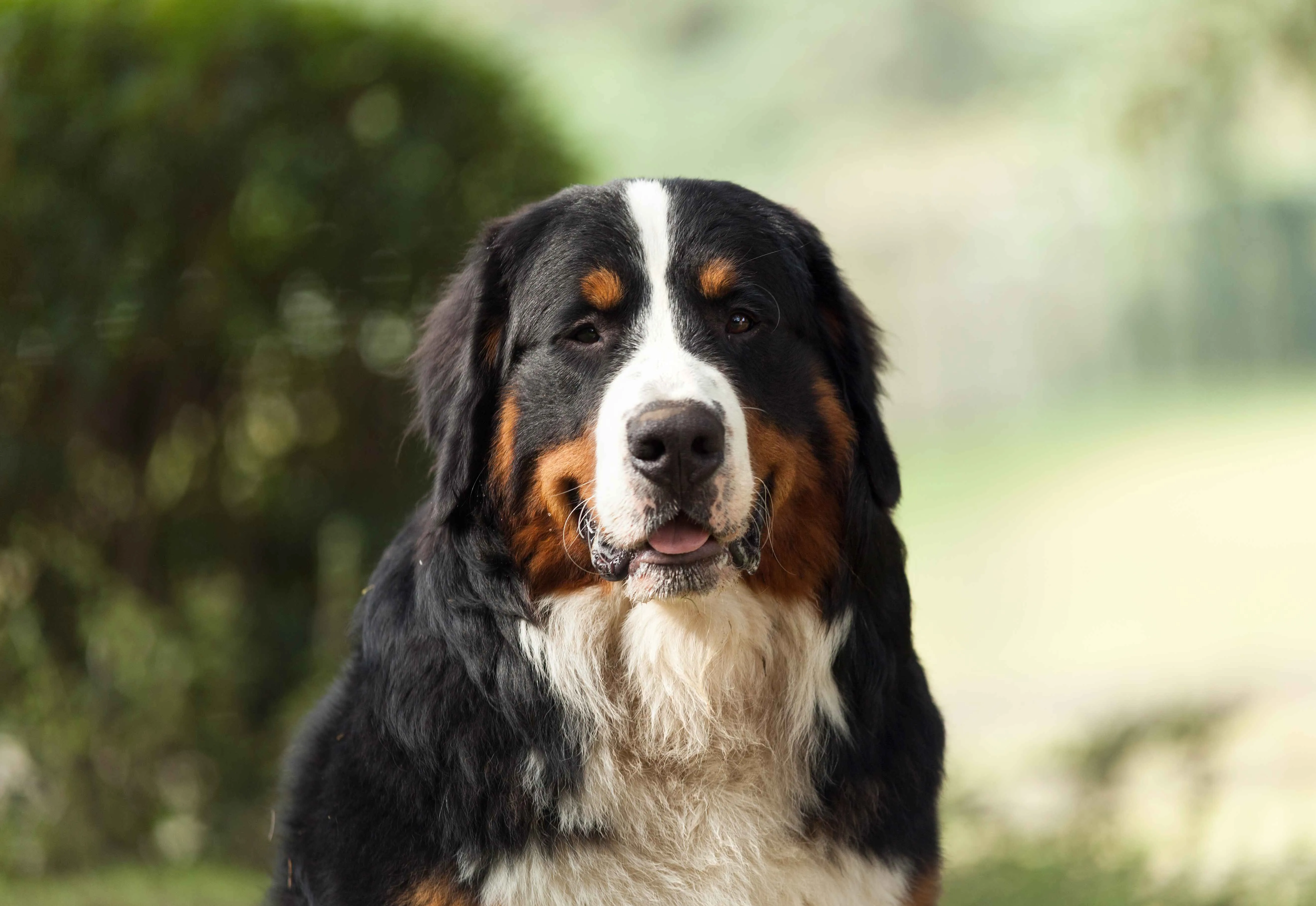
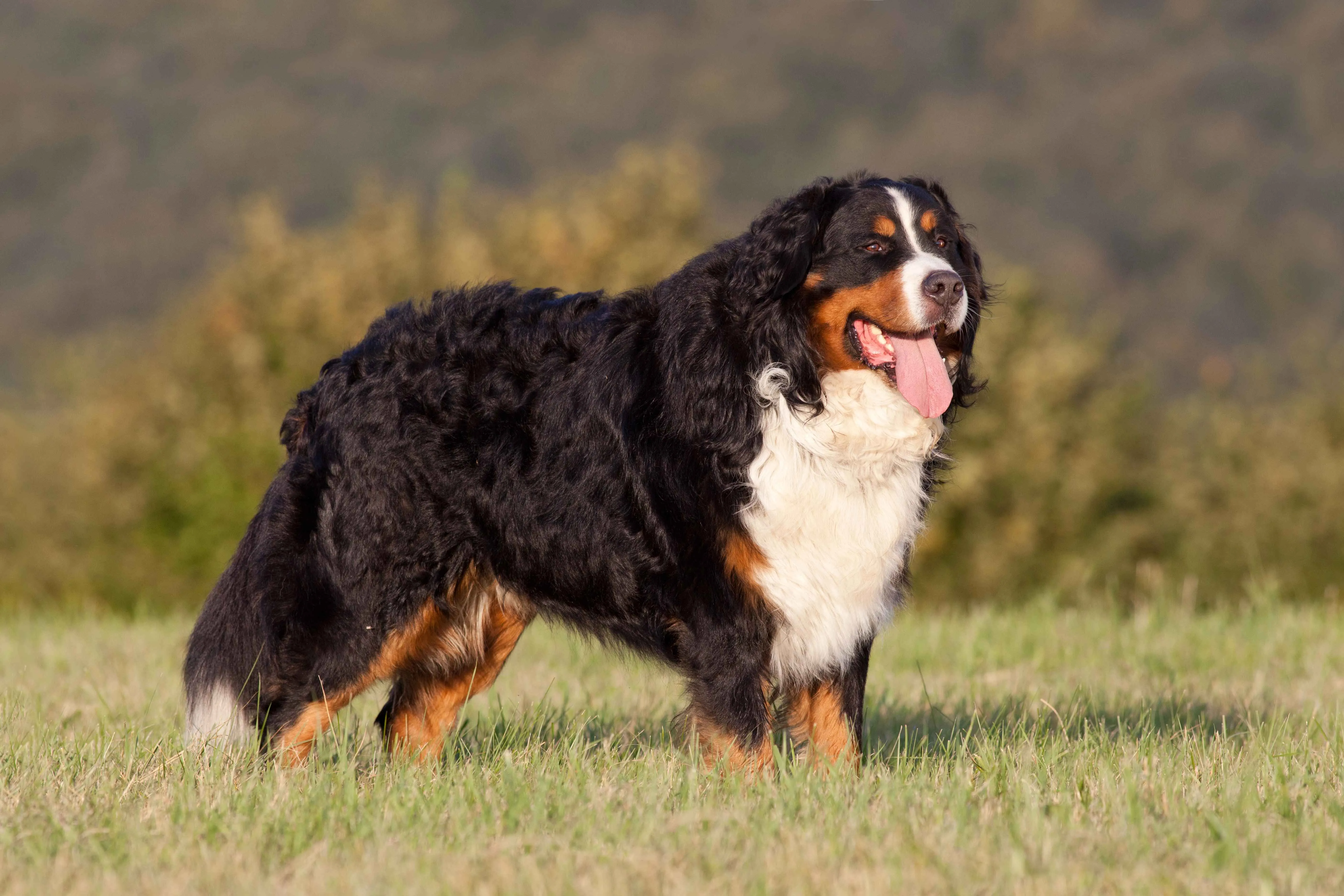
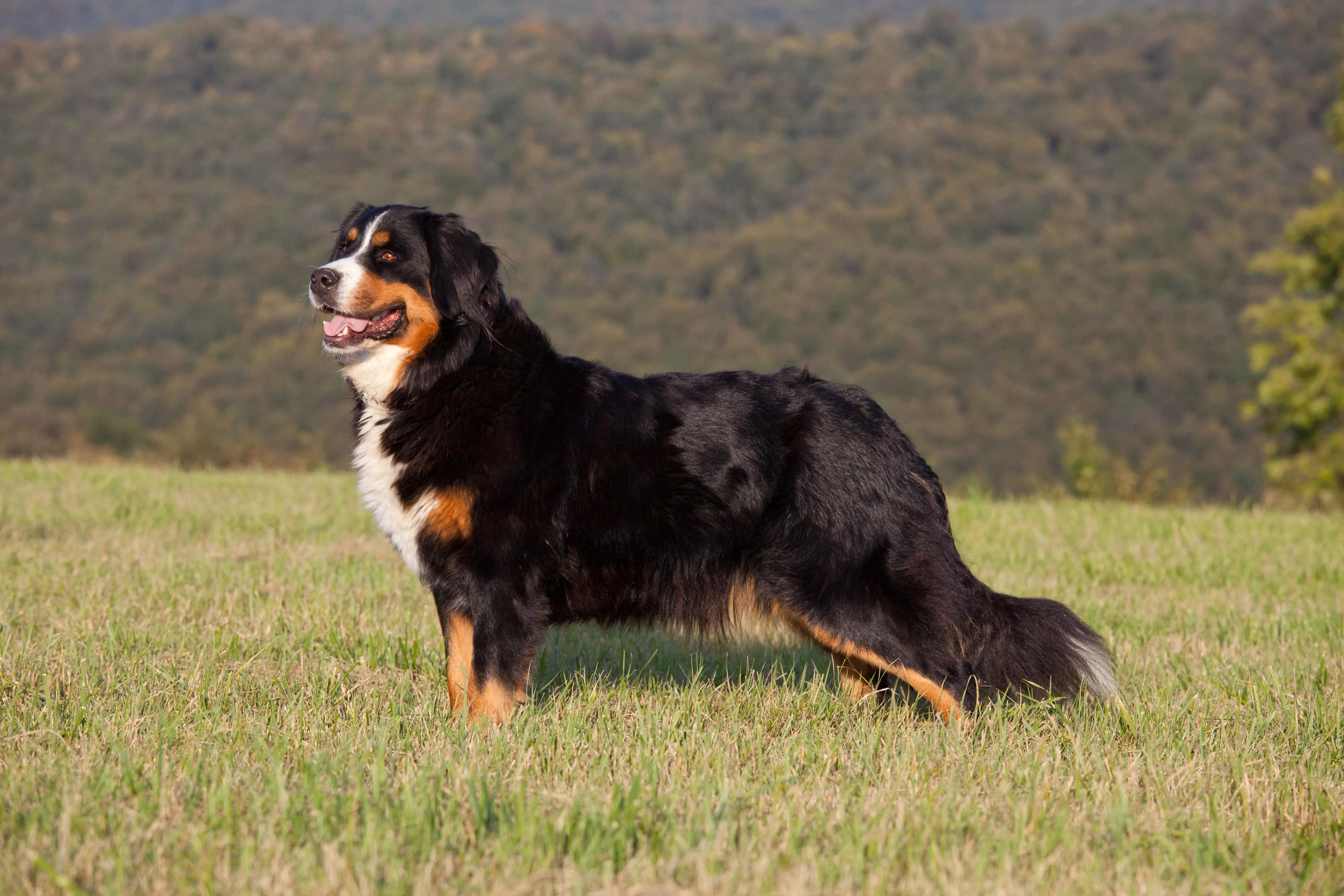
The Bernese Mountain Dog (or “Berner,” as fans lovingly call them) is one of Switzerland’s most famous exports. Originally bred as farm helpers—pulling carts, guarding livestock, and working alongside families—they’ve earned a reputation for being strong, dependable, and deeply affectionate. The American Kennel Club describes them as calm, good-natured, and extremely loyal, making them wonderful family dogs.
In India, they remain rare and are usually seen with families willing to put in the extra care they need. With their thick coats and large size, they’re not the easiest dogs for Indian conditions—but with the right lifestyle adjustments, a Bernese can be a gentle, loving companion for years.
How Long Do Bernese Mountain Dogs Live?
Berners are known as “gentle giants,” but like many large breeds, their lifespans are shorter than we’d like. Most live 7–10 years, though with good veterinary care, some stretch to 11 or even 12. The Bernese Mountain Dog Club of America points out that cancer is unfortunately more common in this breed than in many others, so regular health screenings are important.
For Indian pet parents, this means preventive care is non-negotiable. Annual bloodwork, hip and elbow checks, and portion-controlled meals (to avoid obesity-related joint issues) go a long way in keeping them healthy. Feeding a balanced diet with high-quality protein and joint-supporting supplements—something your vet can guide you on—helps keep them active well into their senior years.
Temperament & Personality
Bernese Mountain Dogs are often described as big softies. The AKC highlights their affectionate, easygoing nature—they’re usually wonderful with children and bond deeply with their families.
In Indian homes, their temperament makes them excellent family dogs. They’re protective without being overly aggressive, which works well in suburban neighborhoods where families want both companionship and a sense of security. With strangers, they may be reserved, but rarely hostile.
They do best when included in family activities—whether that’s lounging while you work from home or tagging along on early morning walks. Early socialization is key: introduce them to neighbors, visitors, and even delivery staff, so their natural protectiveness doesn’t tip into over-guarding.
Training is straightforward if you stick to positive reinforcement. As PetMD advises, use treats, praise, and play as motivators. Harsh corrections don’t sit well with Berners and can make them shut down.
Apartment vs. Farmhouse Life in India
Apartment Life (Delhi, Mumbai, Bengaluru)
Yes, a Berner can live in an apartment—but only with committed pet parents. They need at least 60–90 minutes of daily exercise. Break this up into morning and evening walks (to avoid the midday heat), along with indoor brain games like puzzle feeders, obedience drills, or tug-of-war. They’re not excessive barkers, so your neighbors will thank you—though during shedding season, your vacuum cleaner might not!
Farmhouses/Suburban Homes
This is their dream setup. With space to roam, Berners truly thrive. Historically used as working dogs, they love tasks—whether it’s carrying a small backpack on hikes or simply keeping an eye on the family. If you’re in a gated farmhouse or suburban home, make sure the space is secure: while not escape artists, their curiosity can take them exploring if left unchecked.
Climate Considerations in India
Here’s where things get tricky. With their thick double coats, Berners were built for Swiss mountains, not Indian summers. They do poorly in heat and humidity. In cities like Delhi, Chennai, or Hyderabad, they need climate-controlled homes (air-conditioning is essential in peak summers). Limit outdoor activity to dawn and dusk, and always provide plenty of fresh water. Cooling mats and shaded areas can also help.
In hill stations like Ooty, Shimla, or Dehradun, they’re much more comfortable, and you’ll see their playful, energetic side come alive. During winters in North India, their coat is perfect, though in places like Shimla they may still appreciate a warm corner indoors.
Humidity also raises the risk of ear infections and fungal skin issues. Weekly ear checks and thorough drying after baths or monsoon walks are must-dos.
Characteristics
Barking
Quiet
Loud
Temperament with Kids
Aggressive
Friendly
Playfulness
Silent
Very Playful
Friendliness
Not Friendly
Super Friendly
Compatibility with other dogs
Aggressive
Friendly
Need for attention
Independent
Very Needy
Monthly Expenses


Lifespan & Price in India
Cost of buying
₹ 3,50,000 - ₹ 7,00,000
Here’s the bittersweet part, Bernese Mountain Dogs are known for their short lifespan, averaging 7–10 years. Their large size and genetic predisposition to cancers mean they often don’t live as long as medium breeds.
As for availability, Berners are rare here. They’re usually imported from Europe or the U.S., with costs ranging from ₹3.5–7 lakhs, depending on pedigree, health screenings, and import logistics.
Exercise Needs
Bernese Mountain Dogs are gentle giants—they’re strong working dogs but not as high-energy as Huskies or German Shepherds. AKC recommends moderate daily exercise to keep them healthy.
In India’s climate, 2 shorter walks a day (morning and evening) are better than one long session. Avoid strenuous activity during peak afternoon heat—Berners overheat easily with their thick coats.
They also love activities that tap into their working-dog instincts—pulling light carts, hiking in the hills, or carrying a doggy backpack on walks. In apartments, puzzle toys and obedience drills keep their minds busy.
Prerequisites to pet a Bernese Mountain Dog
Access to Groomer
Appropriate Climate
Access to Veterinary
Space and Environment
Time and Effort
Financial Capability
Willingness to train
Shop or Adopt a Bernese Mountain Dog in India
Adoption is very rare, but keep an eye on international rescue networks—sometimes Berners are rehomed due to relocation.
If you’re set on buying a Berner, here’s what to look for:
- Health certificates for hips, elbows, eyes, and heart (common weak spots in this breed).
- Puppies raised indoors with families, not in kennels.
- Verified paperwork: vaccination card, and KCI/pedigree papers.
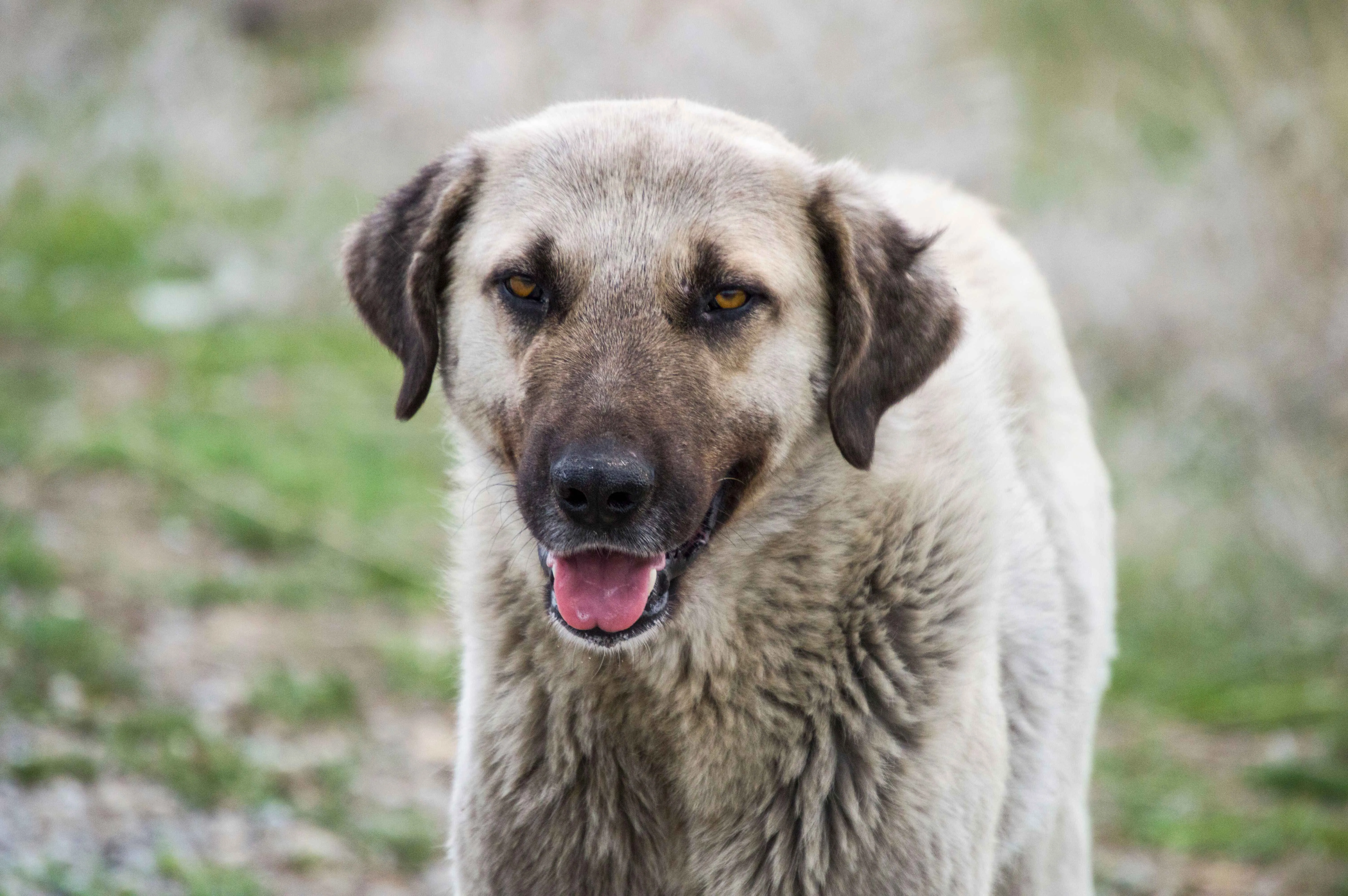
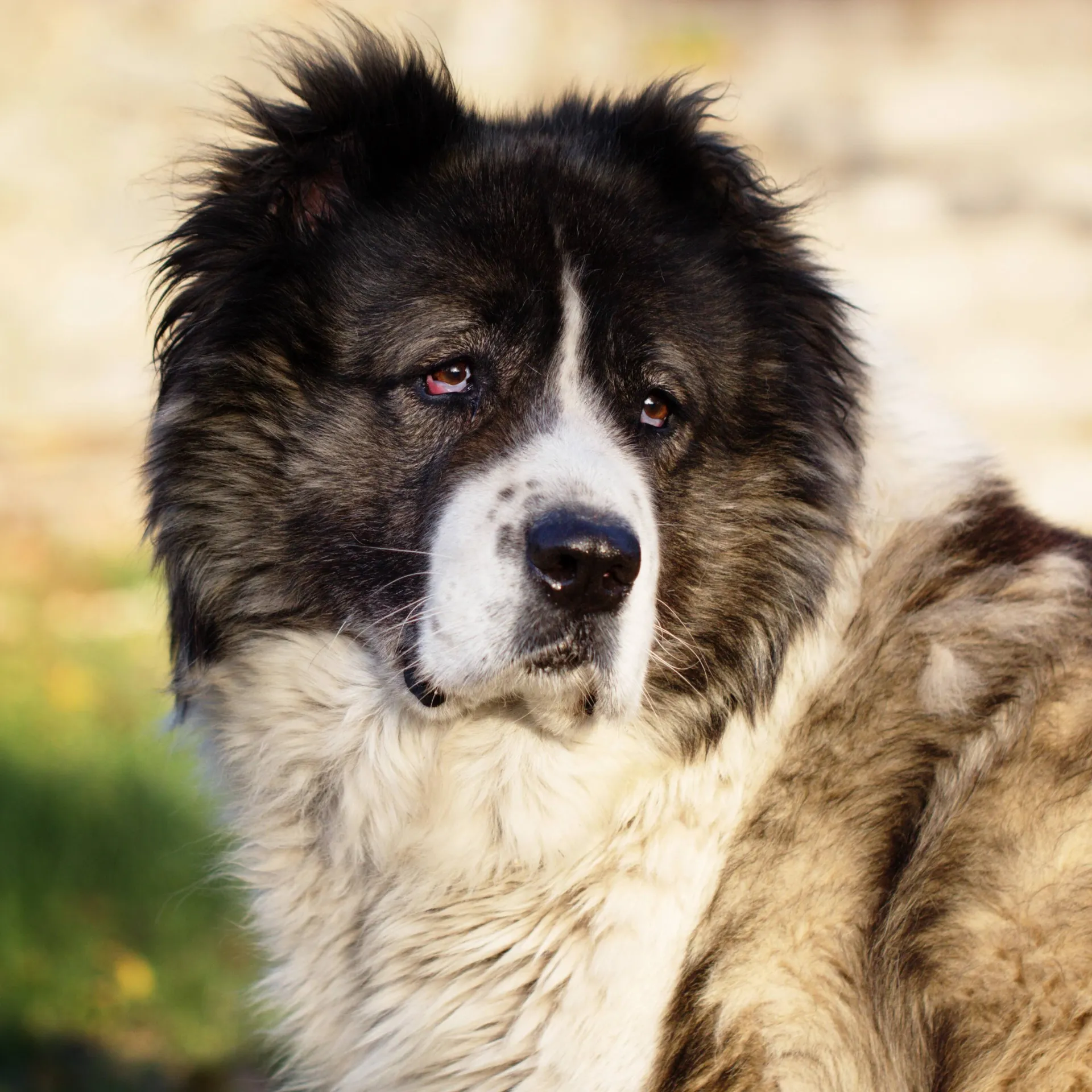
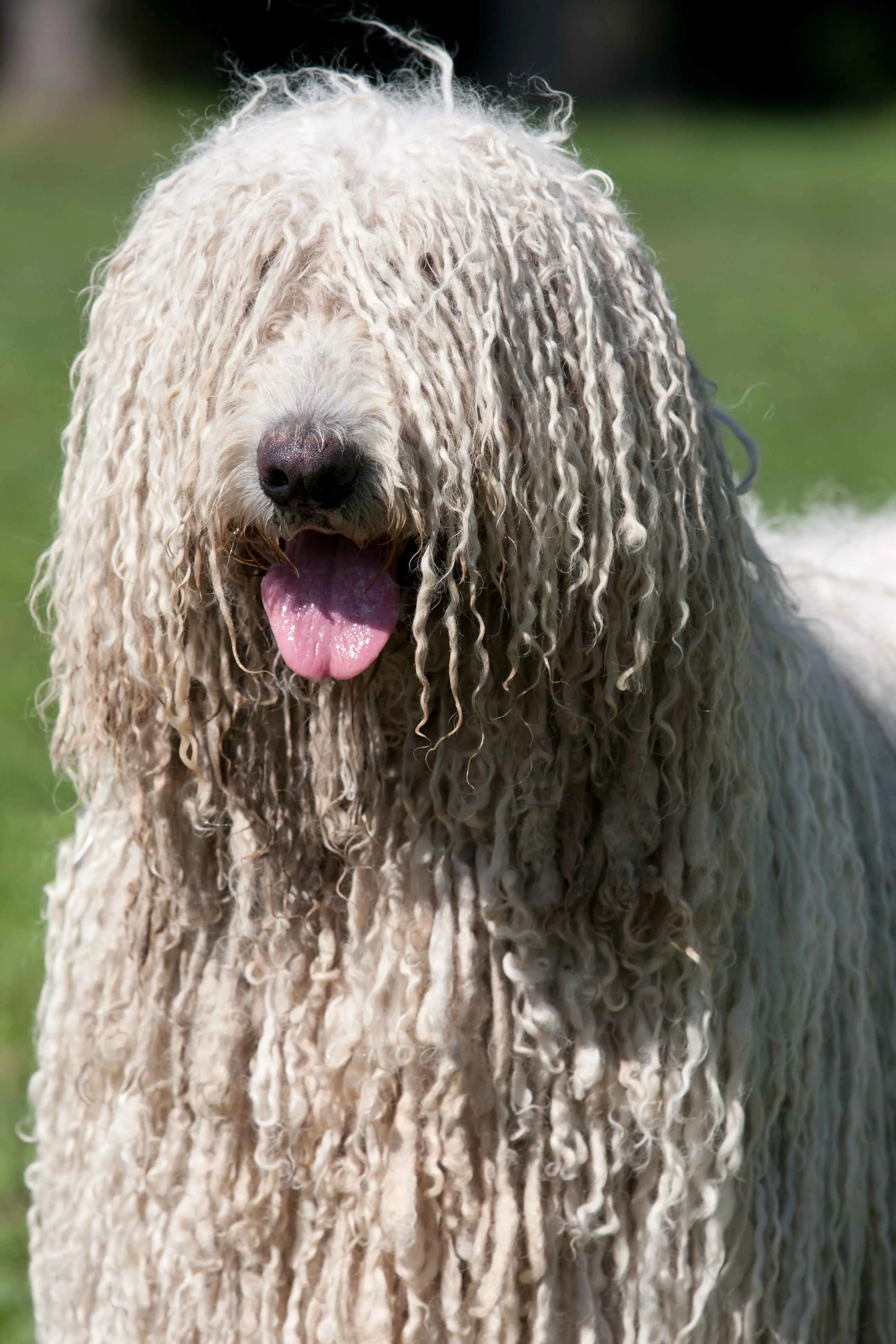
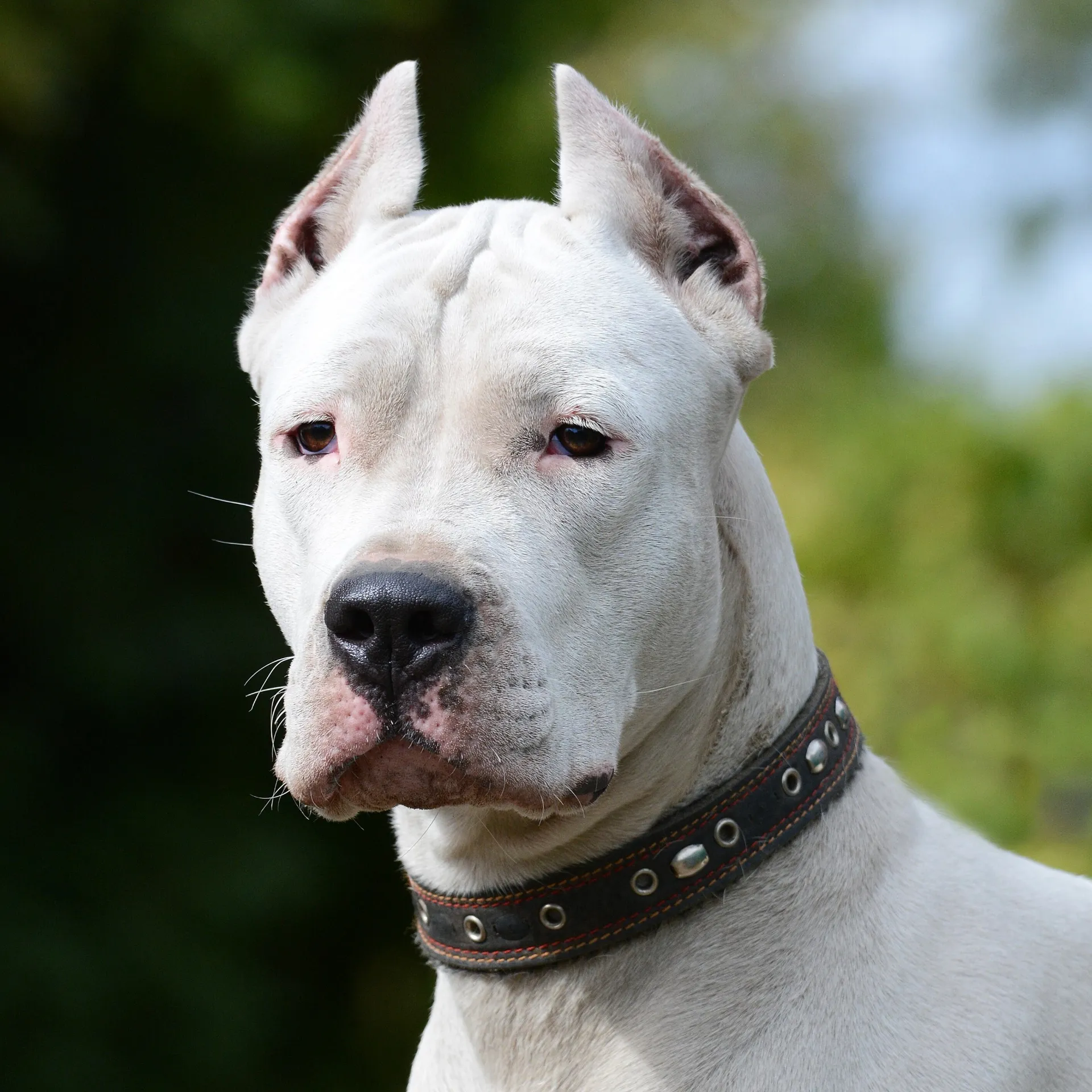
Because Berners are pricey and rare, some Indian pet parents also consider Newfoundlands or Great Pyrenees imports as alternatives, though these are also challenging in hot climates. If you want a similar gentle-giant personality but more adaptable to India, look into native breeds like the Himalayan Sheepdog.
Nutrition & Healthcare for Bernese Mountain Dogs in India
Monthly Food Expenses
₹ 3,000 - ₹ 4,500
Calories per day
Puppies: 2200 kcal
Adults: 2500 kcal
Essential Nutrients
Protein
Carbohydrates
Fats
Minerals
Vitamins
Fibre
List of foods
Chicken
Fresh Meat
Fresh Fish
Fruits
Home made meals
Vegetables
Dry Dog Food
The Bernese Mountain Dog, with its gorgeous tricolor coat and gentle temperament, is a showstopper in any Indian home. But behind that fluffy exterior is a giant working breed that needs carefully balanced nutrition and healthcare to thrive in our climate. The American Kennel Club (AKC) highlights that Berners are large, powerful, and surprisingly sensitive—meaning pet parents need to pay extra attention to diet, weight, and preventive care.
Protein: The Foundation of a Berner’s Diet
Big dogs mean big muscles, and protein is their building block. According to PetMD, large working breeds like Berners should get diets with 22–26% protein to maintain lean muscle.
India-friendly protein picks:
- Boiled chicken or turkey (unspiced, always)
- Eggs (a couple per week—scrambled or boiled)
- Freshwater fish like rohu or catla, rich in omega-3s
- Goat meat in moderation (better in winters since it’s heavier to digest)
During peak summers, avoid heavy red meat—it can make your Berner sluggish. Stick to lean chicken, fish, or eggs for easier digestion.
Healthy Fats: For Skin, Coat & Joints
That thick double coat may look majestic, but in Indian heat it often leads to skin dryness, shedding, and even fungal issues. Hill’s Pet Nutrition notes that good fats are essential for coat health and joint flexibility.
Simple Indian boosters:
- Sardines (twice a week, lightly cooked)
- 1–2 teaspoons of coconut oil per week mixed into meals
- Vet-approved fish oil or flaxseed oil supplements
Carbohydrates: Steady Energy for a Gentle Giant
Berners aren’t hyper, but they do need slow-release energy for their daily walks and playtime. The Spruce Pets explains that complex carbs help prevent blood sugar spikes and weight gain—something large breeds are prone to.
Best Indian carb picks:
- Oats or daliya (broken wheat) for easy digestion
- Brown rice or red rice for fiber
- Sweet potatoes, pumpkin, bottle gourd, carrots
Skip calorie bombs like biscuits, parathas dripping with ghee, and fried snacks—they quickly lead to obesity in large breeds.
Vitamins & Minerals: Supporting Joints & Immunity
Big dogs age faster, and joint support is a lifelong need. Dogster points to calcium, phosphorus, and vitamins A, D, and E as essential for large breeds.
Easy add-ons in India:
- Boiled veggies like spinach, peas, beans, carrots
- Vet-guided calcium supplements (especially for puppies)
- Glucosamine/chondroitin for adults to prevent arthritis
Feeding Guidelines for Bernese Mountain Dogs
- Puppies (2–12 months): 3–4 small meals daily. Use large-breed puppy kibble with extras like boiled chicken or egg. Avoid excess calcium—it can cause joint deformities.
- Adults (1–6 years): Two hearty but portion-controlled meals. In hot Indian cities, give lighter morning meals (rice + veggies) and protein-rich dinners (chicken + sweet potato).
- Seniors (6+ years): Softer meals with fish, eggs, and well-cooked veggies. Reduce calories by 15–20% to prevent obesity, and add joint support.
Like other giant breeds, Berners are prone to bloat (gastric torsion). The AKC recommends smaller, frequent meals, slow-feeder bowls, and keeping exercise separate from mealtimes.
Breakdown of Macro-nutrients
Best Foods for Berners in India
Premium kibble: Farmina N&D Large Breed, Royal Canin Giant Breed, Hill’s Science Diet Large Breed, Acana Large Breed.
Home-cooked meals:
- Chicken + pumpkin + spinach + rice
- Sardines + sweet potato + beans
- Egg + oats + carrots
Healthy treats: Apple, cucumber, carrot sticks, curd, or homemade chicken jerky (unspiced).
Hydration boosts: Always fresh water, plus cooling options like coconut water or bone broth in peak summers.
Never feed these foods to Bernese Mountain Dog
Avoid anything with these ingredients
Alcohol
Avocados
Almonds
Cherries
Cinnamon
Garlic
Grapes
Onions
Sugar
- Toxic: chocolate, grapes, raisins, onions, garlic, xylitol
- Indian foods: pakoras, biryani, samosas, parathas, curries
- Unsafe meats: rawhide chews, brittle bones, processed sausages
- Sugary foods: mithai, ice cream, cakes (obesity + tummy issues)


Health
Avg Monthly Expenses
₹ 1,500 - ₹ 2,250
Common Health Issues
Bloat
Hip Dysplasia
Canine Influenza
Heartworm
Panosteitis
Parasites
Parvovirus
Rabies
Well being
Exercise
Bonding
Games
Socialization
Hiking
Energy Level
Medium
Exercise routine
60 - 90 minutes
Recognising Stress
Changes in appetite
Excessive Barking
Pacing
Excessive Panting
Reluctance to move
Healthcare for Bernese Mountain Dogs in India
Berners are loving but fragile giants. With proper care in India, they usually live 7–10 years (shorter than medium breeds, but with great quality of life if managed well).
Common Health Concerns
- Hip & Elbow Dysplasia: Very common in Berners. PetMD recommends controlled exercise and joint supplements.
- Heat Sensitivity: With that heavy coat, Indian summers are tough. Walk only early morning or late evening, and provide AC/coolers in peak months.
- Cancer Risks: Sadly, Berners have one of the highest rates of cancer among breeds. Regular vet checkups after age 5 are critical.
- Obesity: Watch those chapati scraps—extra weight worsens joint issues.
- Skin Infections: Humidity in Chennai, Mumbai, or Kolkata can trigger hot spots. Keep the coat dry after baths and rains.
General Indian Home Care
- Vet visits: Annually for adults, biannually for seniors
- Grooming: Weekly brushing; more in shedding seasons
- Parasite control: Flea/tick prevention in Indian summers is a must
- Cooling aids: Cooling mats, tiled floors, shaded balconies, AC rooms in metros
Vaccination details
Growth Stage
Core Vaccines
6-8 Weeks
Distemper, Parvovirus, Canine Influenza
10-12 Weeks
Distemper, Parvovirus, Leptospirosis
14-16 Weeks
Distemper, Parvovirus, Rabies
Annually
Rabies, Distemper, Parvovirus
Recommendations to care for senior Bernese Mountain Dog
- Biannual vet checkups with bloodwork
- Softer, smaller meals with easy proteins like fish
- Orthopedic bedding (wooden or tiled Indian floors are tough on joints)
- AC or fans during hot, humid months
- Joint supplements (glucosamine, omega-3, turmeric)
Similar Breeds
Grooming Needs of Bernese Mountain Dogs in Indian Homes
Avg Monthly Expenses
₹ 1,200 - ₹ 1,800
Shedding Level
Very High Shedding
Hygienic Checklist
Bathing
Brushing
Ear Cleaning
Eye Care
Nail Trimming
Teeth Care
Benefits of Grooming
Cleanliness
Low Shedding
Odourless
Prevents Bad Breath
Prevents infections
Quality of life
If you’re bringing home a Bernese Mountain Dog in India, be ready for some serious grooming sessions. Their beautiful, thick double coat is stunning but also high-maintenance. The American Kennel Club notes that Berners shed all year, with heavy “blowouts” during seasonal changes.
In Indian homes, especially in cities like Bengaluru, Pune, or Delhi where dust collects quickly, daily brushing (or at least 3–4 times a week) will keep shedding manageable and prevent matting.
Bathing: Once a month works for most Berners, but in humid cities like Chennai or Mumbai, you’ll want to dry them thoroughly to avoid skin infections.
Ears & Nails: With floppy ears, infections are a risk—so check weekly, particularly during the monsoons. Nails grow fast on Indian tiled/marble floors, so trim every 3 weeks.
Teeth: Big breeds like Berners are prone to tartar buildup. PetMD suggests brushing 2–3 times a week with dog-safe toothpaste to prevent dental disease.


Written by
Happy Pet TeamAuthor
Team Happy Pet is a passionate collective of pet experts, enthusiasts, and advocates dedicated to sharing trusted and insightful content.
Our cont
Compare with similar breeds
Frequently Asked Questions
What is the temperament of a Bernese Mountain Dog?
Bernese Mountain Dogs are known for their gentle, affectionate, and loyal temperament. They make wonderful family companions because they get along well with kids and other animals. They are also protective and alert, which makes them good watchdogs.
Do Bernese Mountain Dogs shed a lot?
Bernese Mountain Dogs are notorious shedders. They have a thick double coat that sheds heavily, especially during twice-yearly shedding seasons. Brushing is necessary to control the loose fur on a frequent basis (several times per week).
Is a Bernese Mountain Dog a good fit for my apartment?
Although Berners are adaptable to many kinds of homes, a home with a yard is the best. Their large size and need for exercise make them better suited for a space where they can roam and play. If you live in an apartment, be prepared to provide them with ample daily walks and playtime to meet their exercise needs.
How long do Bernese Mountain Dogs live?
7–10 years on average, sometimes less due to genetic health issues.