Home
/
Dog Breeds
/
Cavalier King Charles Spaniel
Cavalier King Charles Spaniel
Origin
United Kingdom
Size
Small Breed
Ideal Space
Apartment
Ideal Weather
15º-25ºC
Life Expectancy
12-15 years
Cost of buying
₹ 2,50,000 - ₹ 4,50,000
Top 5 Traits
Loyal
Intelligent
Playful
Friendly
Energetic
Avg Monthly Expenses
₹ 3,300 - ₹ 5,400
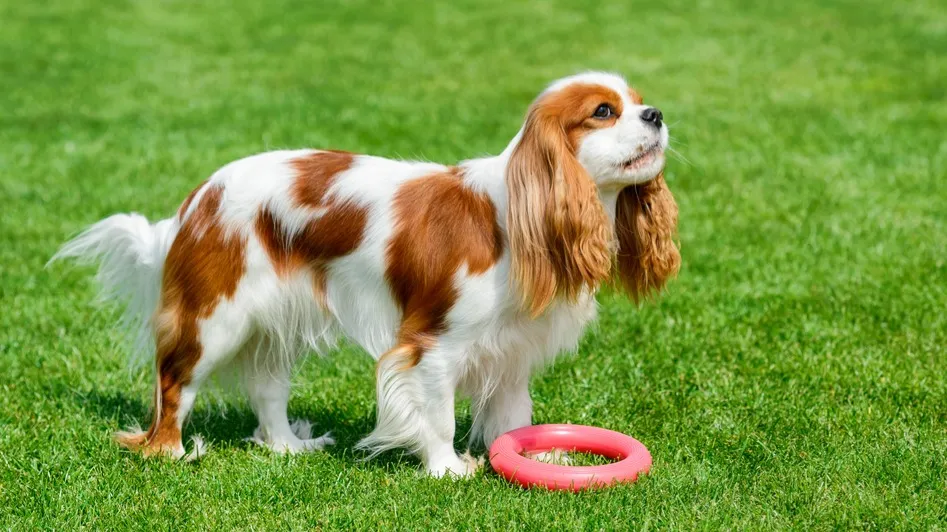

by Happy Pet TeamUpdated on 14 Sept 2025
Meet the Cavalier King Charles Spaniel: The Royal Lapdog with a Big Heart
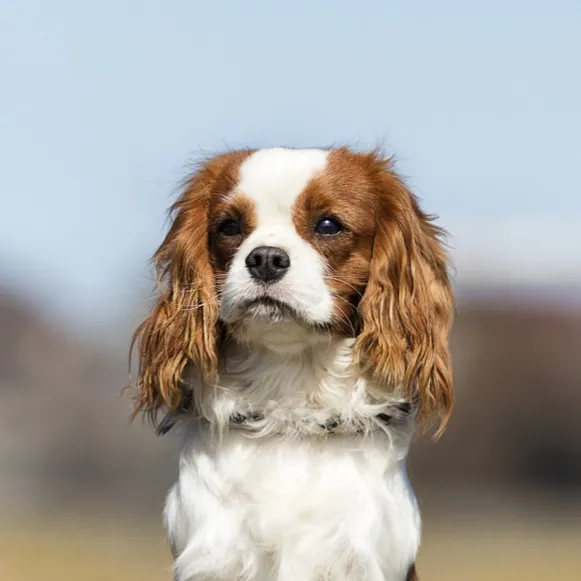
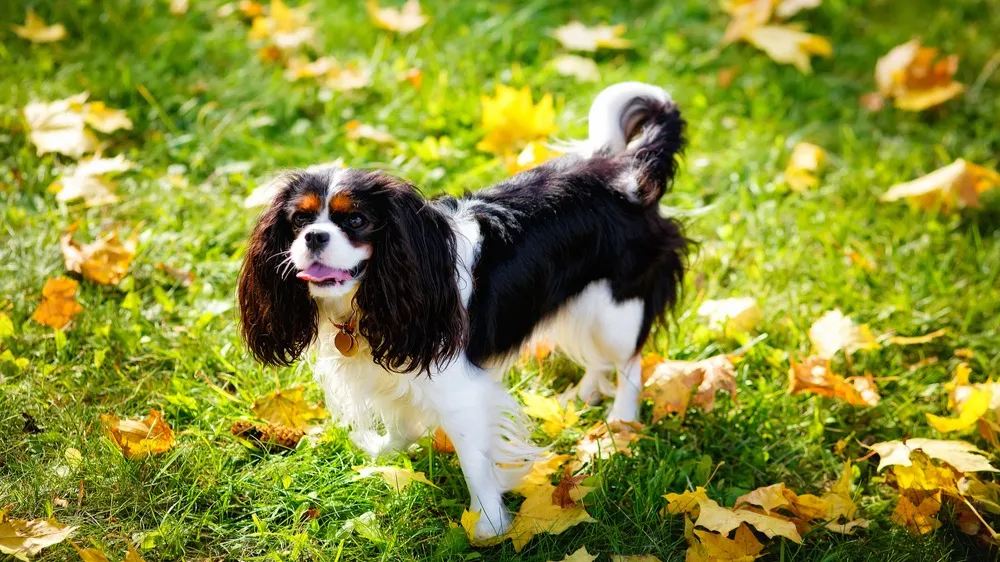
The Cavalier King Charles Spaniel may have royal roots in England—famously adored by British nobility—but in India, this little charmer wins hearts for a very different reason: they’re one of the sweetest, most affectionate lapdogs you can bring home. With their silky feathered coat, long ears, and soulful puppy-dog eyes, Cavaliers have a way of making you feel like the most important person in the world.
Unlike some toy breeds that can be fussy or aloof, Cavaliers are all about people. They thrive on companionship, whether that’s curling up on your sofa during a Netflix binge, following you from room to room, or tagging along for a morning walk. Their ever-wagging tails and eagerness to please make them a hit with kids, grandparents, and even first-time dog parents.
In India, they’re still quite rare and are usually imported, which makes them a more expensive choice. But families who do bring them home are quickly smitten. Apartment dwellers in metros like Mumbai, Delhi, and Bengaluru especially appreciate how well Cavaliers adapt to smaller spaces, as long as they get their daily walks and playtime.
How Long Do Cavaliers Live?
With the right care, Cavaliers usually live 9–14 years, according to PetMD.
Temperament & Personality
If you want a companion who doubles as a snuggle buddy and a cheerful playmate, the Cavalier fits perfectly.
- With family: These dogs thrive on human contact. In Indian homes, they’re happiest curled up on your lap while you work from home, or following you from room to room. Leaving them alone for long stretches isn’t ideal as they can develop separation anxiety.
- With kids: Cavaliers are famously gentle, making them wonderful with children. Just teach young kids to handle their long ears gently.
- With strangers: Expect some barking when the doorbell rings, but true to their nature, they usually warm up quickly to guests, if socialised properly.
- Training: They’re eager-to-please and food-motivated, which makes training relatively easy. Use positive reinforcement like treats, praise, and play, rather than harsh corrections.
- Energy levels: While playful, they’re not hyperactive. The AKC describes them as adaptable companions who can match your lifestyle, whether that’s daily walks in Delhi or cozy evenings indoors in Pune.
Apartment vs. Farmhouse Life in India
- In Apartments (Mumbai, Bengaluru, Hyderabad): Cavaliers do beautifully in flats. They don’t need huge spaces but do need daily walks for about 30–45 minutes, split between cooler morning and evening hours. Indoor play with soft toys or tug-of-war keeps them stimulated.
- In Farmhouses or Suburban Homes: They’ll enjoy a secure yard, but unlike working breeds, they won’t insist on endless running. Instead, they’ll happily potter around, sunbathe, or keep you company in the garden. Just ensure fences are secure—they may wander off if they spot a squirrel or stray cat.
Climate Considerations in India
That beautiful, silky coat looks glamorous, but it comes with responsibilities in Indian weather.
- Hot cities (Delhi, Chennai, Kolkata): Cavaliers are sensitive to heat and humidity. Stick to early morning and dusk walks, provide AC or fans indoors, and always keep a water bowl handy. Never over-exercise them in peak summer, short-nosed breeds, even partially, can struggle with overheating.
- Hill stations (Ooty, Shimla, Coorg): They thrive in cooler climates and will be more energetic in these regions.
- Monsoons: Long ears and a dense coat mean they’re prone to ear infections and fungal skin issues in humid conditions. Always dry them thoroughly after walks or baths, and check ears weekly for redness or odor.
- Shedding: Cavaliers shed moderately year-round, with heavier shedding before summer. Regular brushing saves your home from fur tumbleweeds.
Characteristics
Barking
Quiet
Loud
Temperament with Kids
Aggressive
Friendly
Playfulness
Silent
Very Playful
Friendliness
Not Friendly
Super Friendly
Compatibility with other dogs
Aggressive
Friendly
Need for attention
Independent
Very Needy
Monthly Expenses


Lifespan & Availability in India
Cost of buying
₹ 2,50,000 - ₹ 4,50,000
With good care, Cavaliers usually live 9–14 years.
Their price usually ranges between ₹2.5–4.5 lakhs, depending on lineage, health screenings, and import paperwork. Always check for health clearances, especially for heart and eye issues, before committing.
Exercise Needs
Cavaliers may look like dainty lapdogs, but DogTime stresses that they were bred as sporting spaniels. They’re playful, curious, and need regular activity, though not as much as a working herding dog.
Daily Activity: Around 45–60 minutes of daily exercise is ideal. In Indian apartments, split it into two short walks—one in the cool morning and one after sundown. Avoid harsh midday outings in hot months.
Outdoor Play: They enjoy chasing balls or playing fetch in secure, shaded spaces. In farmhouses or gated colonies, they’ll happily trot alongside kids, but always supervise—Cavaliers can get overheated quickly in May–June.
Mental Stimulation: They thrive on interaction. Puzzle feeders, hide-and-seek games, or basic obedience drills keep them sharp. In Indian flats, these games double up as enrichment when long outdoor sessions aren’t possible. Left alone too long, they may bark excessively or develop separation anxiety.
Prerequisites to pet a Cavalier King Charles Spaniel
Access to Groomer
Access to Veterinary
Lifestyle Compatibility
Financial Capability
Space and Environment
Shop or Adopt a Cavalier King Charles Spaniel in India
Bringing a Cavalier into your home requires extra diligence:
- Health paperwork: Always check for cardiac and eye clearances, as these are the most common issues in the breed.
- Breeder practices: Look for breeders who raise pups indoors, with plenty of family interaction, not in cages.
- Documentation: Ask for KCI or FCI pedigree papers, and make sure vaccinations are up to date.
Adoption options are rare, but sometimes Cavaliers are surrendered to breed-specific rescues abroad. If importing, plan for quarantine, acclimatization, and vet supervision during the adjustment period.
Best Nutrition for Cavalier King Charles Spaniels in India
Monthly Food Expenses
₹ 1,200 - ₹ 1,800
Calories per day
Puppies: 500 kcal
Adults: 550 kcal
Essential Nutrients
Protein
Fats
Carbohydrates
Fibre
Vitamins
Minerals
List of foods
Chicken
Dry Dog Food
Fresh Meat
Fresh Fish
Fruits
Vegetables
The Cavalier King Charles Spaniel may have royal roots, but here in India, this silky-coated lapdog is more about charm and companionship than chasing game. They’re small, affectionate, and slightly lazy at heart, which means what goes into their bowl has a huge impact on keeping them fit, active, and healthy in our climate. Since they’re prone to obesity and heart issues, diet management is just as important as cuddles.
Protein: Building Strength Without the Bulk
Even though Cavaliers aren’t working farm dogs, they still need quality protein to maintain lean muscle and support heart health. PetMD emphasizes that animal protein also boosts immunity, which is key in India where seasonal infections are common.
India-friendly protein picks:
- Boiled chicken or turkey (boneless, no spices, skin removed)
- Freshwater fish like rohu or basa — rich in omega-3s for coat and heart health
- Eggs 2–3 times a week (boiled or scrambled without oil)
- Paneer in small amounts, but only if your dog digests dairy well
Stick to lighter proteins like chicken and fish in cities like Delhi or Chennai as heavy red meats can make Cavaliers sluggish in the heat.
Healthy Fats: For Silky Coats & Heart Support
Their long, feathery coat is one of the Cavalier’s most striking features, but in humid Indian climates it can easily get dull or flaky. According to Hill’s Pet Nutrition, healthy fats not only keep skin supple but also support joint and cardiac health—a must for a breed prone to mitral valve disease.
Simple add-ins from Indian kitchens:
- A teaspoon of coconut oil in meals (improves digestion and skin health)
- Cooked sardines once or twice a week for omega-3s
- Vet-approved fish oil capsules in small doses
Carbohydrates: Energy Without Extra Kilos
Cavaliers are moderate-energy dogs, but they’re also notorious snack beggars. Overdoing carbs can pile on the weight, putting extra strain on their heart and joints.
Best slow-release options:
- Oats or daliya (broken wheat) for easy digestion
- Brown or red rice in small portions
- Vegetables like pumpkin, sweet potato, bottle gourd, and carrots for fiber and hydration
Vitamins & Minerals: Boosting Longevity
The AKC notes that Cavaliers are generally healthy but vulnerable to age-related conditions like heart disease and arthritis. Micronutrient-rich foods and supplements can slow down those risks.
Indian-friendly boosters:
- Lightly steamed carrots, beans, peas, and spinach
- Vet-guided calcium during puppyhood (avoid overdosing—it harms growing bones)
- Glucosamine/chondroitin for seniors to support joints
Feeding Guidelines for Cavaliers
- Puppies (2–12 months): 3–4 small meals daily. Choose high-quality small-breed puppy kibble or balanced home-cooked meals with chicken, rice, and veggies.
- Adults (1–7 years): 2 meals daily. Breakfast can be lighter (curd rice + boiled veggies), while dinner should be protein-rich (chicken/fish + pumpkin or oats).
- Seniors (7+ years): Switch to heart-friendly, lower-calorie diets with more fiber. Soft foods like fish, eggs, and well-cooked veggies are easier to digest. Add supplements like omega-3s and glucosamine.
- Because Cavaliers are prone to heart disease, avoid excessive salty foods, no papads, pickles, or chips from the family plate.
Breakdown of Macro-nutrients
Best Foods for Cavaliers in India
- Premium kibble: Royal Canin Cavalier King Charles Adult (specially designed for this breed), Farmina N&D Ancestral Grain Small Breed, Hill’s Science Diet Small Breed.
- Balanced home-cooked meals:
- Chicken + pumpkin + spinach + brown rice
- Sardines + sweet potato + beans
- Egg + oats + carrots
- Healthy treats: Apple slices, cucumber sticks, plain curd, or carrot sticks.
- Hydration: Fresh water at all times. In summer, add coconut water (unsweetened, small amounts) for hydration.
Never feed these foods to Cavalier King Charles Spaniel
Avoid anything with these ingredients
Alcohol
Almonds
Avocados
Cherries
Cinnamon
Coffee / Tea
Dairy
Fruit seeds
Garlic
Grapes
Lemon
Milk Products
Mushrooms
Onions
Salt
Sugar
Cavaliers may look like they can handle table scraps, but their sensitive tummies (and heart) beg to differ.
- Toxic foods: Chocolate, grapes, raisins, onions, garlic, and xylitol (in sugar-free gum/candies).
- Indian comfort foods: Pakoras, samosas, jalebis, or spicy curries, these wreak havoc on their gut.
- Unsafe meats & bones: Rawhide chews, sausages, and chicken bones (splinter risk).
- Sugary treats: Mithai, cakes, ice cream, cause obesity and dental issues.
- Caffeine & alcohol: Tea, coffee, beer, wine, strictly poisonous.
- Dairy overload: A spoon of plain curd is fine, but milk, paneer, or butter often lead to bloating.
- Street scraps: Chaat, pav bhaji, fried rice, tempting but dangerous for digestion.


Health
Avg Monthly Expenses
₹ 900 - ₹ 1,800
Common Health Issues
Heartworm
Hip Dysplasia
Progressive Retinal Atrophy (PRA)
Patellar Luxation
Epilepsy
Skin Allergies
Well being
Exercise
Agility Training
Bonding
Games
Socialization
Energy Level
Medium
Exercise routine
30 - 60 minutes
Recognising Stress
Changes in appetite
Pacing
Excessive Barking
Excessive Panting
Reluctance to move
Healthcare for Cavalier King Charles Spaniels in India
Common Health Concerns
Mitral Valve Disease (MVD) & Heart Issues
Cavalier King Charles Spaniels are especially prone to mitral valve disease, one of the top health challenges in the breed. As WebMD outlines, Cavaliers frequently develop heart murmurs and often progress to congestive heart issues, especially after age 5. In India, heat, humidity, and being overweight make heart strain worse. So for city apartments, keep walks gentle, avoid extreme exertion in hot weather, and watch for signs like coughing, breathlessness, or reluctance to exercise.
Syringomyelia & Skull-Related Issues
Another serious issue is syringomyelia (SM) — essentially fluid accumulation or cavities in the spinal cord because of a mismatch in skull and brain size. PetMD and CavalierHealth.org note this tends to show up between 6 months to a few years, though symptoms and severity vary. Owners should watch for signs like persistent scratching (especially of the neck/shoulder area), yelping or discomfort around the head, changes in gait, or sensitivity to touch.
Eye Conditions
Cavaliers are predisposed to several eye problems — cataracts, retinal dysplasia, dry eye (keratoconjunctivitis sicca), and more. Early detection helps a lot. Keep an eye out for redness, excessive tearing, cloudiness, or reluctance to be in bright light. Because many Indian homes have strong sunshine or glare, shade and eye protection (when needed) help.
Ear & Skin Issues
Their long, floppy ears can trap moisture, dirt, or allergens, raising the risk of ear infections — especially in monsoon rains or humid coastal cities. Weekly checks and cleaning are helpful. Their skin may also react to allergens or fungal infections if damp. Proper grooming and drying are key.
Orthopedic Conditions
Patellar luxation (slipping knee caps), hip dysplasia, and joint stiffness are also risks. Keeping the dog lean, avoiding too many stairs especially for pups or seniors, using joint supplements (with vet approval), and offering comfortable bedding (especially on hard Indian floors) can help.
General Indian Home Care
- Vet Visits: Especially important for Cavaliers—annual visits are necessary for young dogs, but after ~5–6 years, biannual checkups are wise, including heart scans (if possible), eye exams, and dental checks.
- Weight Management: Cavaliers love treats and human food, but obesity worsens many of their health risks (heart, joints, breathing). Stick to high-quality food, portion control, and treat moderation.
- Heat & Humidity care: These can trigger respiratory discomfort (because Cavaliers are somewhat brachycephalic), skin/ear issues, and heat stress. Walk early/late, offer shade, keep indoors ventilated or with AC/fans.
- Parasite Control: Fleas, ticks, mites, worms — all a problem in Indian conditions, especially monsoons. Regular preventive treatments are essential.
Vaccination details
Growth Stage
Core Vaccines
6-8 Weeks
Distemper, Parvovirus, Canine Hepatitis, Parainfluenza
10-12 Weeks
Distemper, Parvovirus, Canine Hepatitis, Parainfluenza
14-16 Weeks
Distemper, Parvovirus, Canine Hepatitis, Parainfluenza, Rabies
12-16 Weeks
Distemper, Parvovirus, Canine Hepatitis, Parainfluenza, Rabies
Every 1-3 Years
Distemper, Parvovirus, Canine Hepatitis, Rabies
Recommendations to care for senior Cavalier King Charles Spaniel dogs
- Heart & Cardiac Monitoring: By senior age, most Cavaliers show signs of mitral valve degeneration. Regular echocardiograms or at least heart murmur monitoring help. Follow vet-prescribed medications as needed.
- Diet Adjustments: Softer, more digestible proteins (fish, boiled chicken), reduced calories (over 15-20% less), more fiber, smaller meals to avoid digestive stress.
- Joint Support: Glucosamine, omega-3 fatty acids, comfortable bedding, and gentle low-impact exercise. Don’t force long runs; short walks and gentle play are better.
- Eye & Ear Hygiene: Older dogs often have worsening eye dryness or hearing issues. Regular checkups help. For ears, keep clean and dry to avoid infections.
- Comfort & Environment: Ensure warm, dry resting spots in winter, cool shady areas in summer. Minimize slippery surfaces. Allow rest—they won’t bounce around as much with age.
Similar Breeds
Cocker Spaniel | Beagle | Shih Tzu | Pug
Grooming Needs of Cavalier King Charles Spaniels in Indian Homes
Avg Monthly Expenses
₹ 1,200 - ₹ 1,800
Shedding Level
Moderate Shedding
Hygienic Checklist
Brushing
Ear Cleaning
Bathing
Nail Trimming
Eye Care
Teeth Care
Benefits of Grooming
Cleanliness
Prevents infections
Quality of life
Low Shedding
Odourless
Prevents Bad Breath
The Cavalier King Charles Spaniel has a silky, medium-length coat with feathering on the ears, chest, and tail. While AKC calls it naturally elegant, in India’s heat, dust, and humidity, that beauty takes some consistent upkeep.
Brushing: Cavaliers shed moderately year-round, and their fine hair tangles easily. A thorough brushing 3–4 times a week helps prevent mats, especially behind the ears and on the legs. In humid cities like Mumbai or Kolkata, daily quick brushing keeps the coat airy and reduces the risk of fungal skin troubles.
Bathing: Their coat isn’t naturally smelly, so a bath every 4–6 weeks is plenty. But in Indian summers, where sweat and dust accumulate quickly, wiping them down with a damp towel between baths helps. Always dry the feathered areas properly—especially after monsoon walks—to avoid hotspots or fungal infections.
Ears & Nails: Their long, floppy ears are prone to infections because moisture and dust get trapped easily. A weekly clean with a vet-approved solution keeps problems at bay. On Indian marble or tile floors, their nails don’t wear down naturally, so trim every 3–4 weeks to avoid slipping.
Teeth: Dental care is critical for Cavaliers. PetMD highlights that they’re prone to early dental disease. In India, where good dental chews can be pricey, you can add brushing 2–3 times a week with dog-safe toothpaste, plus offer crunchy foods like raw carrots as natural plaque scrapers.


Written by
Happy Pet TeamAuthor
Team Happy Pet is a passionate collective of pet experts, enthusiasts, and advocates dedicated to sharing trusted and insightful content.
Our cont
Frequently Asked Questions
What are common health issues in Cavalier King Charles Spaniels?
Common health issues in this breed include heart conditions such as mitral valve disease, hip dysplasia, ear infections, and eye problems like cataracts and dry eye. Regular veterinary check-ups and preventive care are essential to detect and manage these conditions early.
Can Cavalier King Charles Spaniels be left alone?
Cavaliers are social dogs and prefer not to be left alone for long periods. They may develop separation anxiety if left alone frequently. If you need to be away, consider doggy daycare, a pet sitter, or providing interactive toys to keep them occupied.
Are Cavaliers prone to weight gain?
Yes, Cavaliers can be prone to weight gain. Monitor their diet and exercise regularly to maintain a healthy weight. Avoid feeding them table scraps and high-calorie treats.
How long do Cavaliers live?
On average 9–14 years with proper care.
Can they live in Indian apartments?
Yes—absolutely. Their size and temperament suit flats, but they need daily exercise and climate control.