Home
/
Dog Breeds
/
Dogue de Bordeaux
Dogue de Bordeaux
Origin
France
Size
Large Breed
Ideal Space
Independent House
Ideal Weather
15º-25ºC
Life Expectancy
8-12 years
Cost of buying
₹ 2,50,000 - ₹ 5,00,000
Top 5 Traits
Loyal
Protective
Disciplined
Fearless
Intelligent
Avg Monthly Expenses
₹ 4,900 - ₹ 7,650



by Happy Pet TeamUpdated on 28 Aug 2025
Meet the Dogue de Bordeaux: France’s Gentle Giant with a Heart for Families
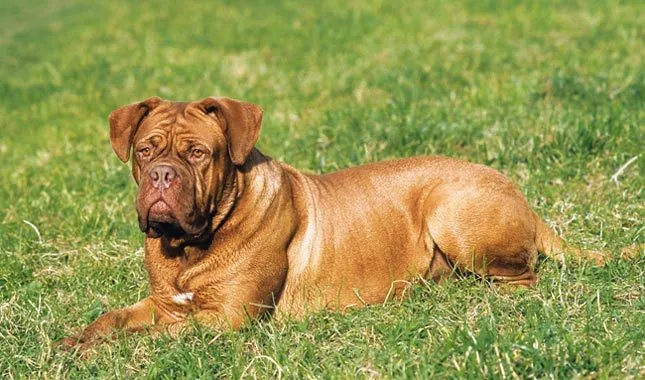
If you’ve ever wished for a dog that looks like a bodyguard but acts like a cuddly best friend, the Dogue de Bordeaux—often called the French Mastiff—might be the one. This muscular breed has been around since medieval France, where it was prized for guarding estates, pulling carts, and even hunting large animals. Today, the American Kennel Club describes the breed as loyal, affectionate, and courageous, qualities that make it an excellent family dog.
In India, Dogues are still relatively rare but are slowly catching the eye of pet parents looking for a protective yet gentle companion. With their short coats and laid-back personalities, they can adapt to Indian homes quite well, as long as you manage their drooling, heat sensitivity, and exercise routines.
How Long Do Dogues de Bordeaux Live?
Unlike some medium-sized breeds that enjoy long lifespans, the Dogue de Bordeaux usually lives around 5–8 years, according to VCA Animal Hospitals. However, more recent surveys shared on Wikipedia suggest that with good care, many can live closer to 10–11 years.
Temperament & Personality
Despite their imposing appearance, the Dogue de Bordeaux is often described as a sensitive and affectionate family companion.
They are famously loyal and thrive in family environments. The PDSA notes that they are patient with children, though due to their sheer size, supervision during play is important—especially in Indian homes with toddlers. Their natural guarding instincts mean they will alert you to strangers, which makes them reassuring companions for Indian families in apartments or independent houses. That said, they are more protective than aggressive, which is why Purina UK calls them “gentle guardians.”
Training, however, needs a gentle hand. VCA Animal Hospitals highlights that Dogues respond poorly to harsh methods and thrive on calm, positive reinforcement. Early socialization is equally important. In India, where they’ll frequently encounter neighbors, delivery staff, and even street dogs, exposing them to a variety of experiences from puppyhood helps them grow into well-balanced adults.
Apartment vs. Farmhouse Life
The Dogue de Bordeaux can adapt to different lifestyles, but your setup needs to match their needs.
In city apartments, whether in Mumbai or Bengaluru, they can live comfortably indoors if given two short walks daily—preferably early in the morning or late in the evening to avoid the heat. Their relatively low stamina means they don’t need marathon runs, but they do enjoy tug-of-war and puzzle toys indoors. Since drooling comes with the breed, families often keep towels handy and use washable mats to protect floors—a practical tip echoed by The Spruce Pets.
On the other hand, farmhouses or suburban homes are ideal for this breed. With shaded courtyards or secure gardens, they can lounge peacefully while still keeping watch over the property. However, secure fencing is important, as the PDSA points out that even calm mastiffs may wander if something piques their interest. In semi-urban Indian settings, supervision around livestock or smaller pets is also wise, given their strong guarding instincts.
Regardless of where you live, managing the Indian climate is key. Cooling mats, ceiling fans, and air-conditioned rest spaces can prevent overheating, while their calm temperament makes them much easier to handle indoors than high-energy working breeds. Just be ready for the slobber—it’s part of their charm!
Characteristics
Barking
Quiet
Loud
Temperament with Kids
Aggressive
Friendly
Playfulness
Silent
Very Playful
Friendliness
Not Friendly
Super Friendly
Compatibility with other dogs
Aggressive
Friendly
Need for attention
Independent
Very Needy
Monthly Expenses


Lifespan & Price in India
Cost of buying
₹ 2,50,000 - ₹ 5,00,000
Dogue de Bordeauxs typically live 8–10 years, which is shorter than many other breeds, largely due to their giant size and health predispositions, according to the Kennel Club.
In India, they are rare and usually imported, which makes them quite expensive. A healthy, registered puppy can cost anywhere from ₹2.5–5 lakhs, depending on lineage and certifications.
Exercise Needs
Despite their massive size, Dogue de Bordeauxs are not high-energy dogs. According to DogTime, they need about 45–60 minutes of moderate exercise daily—long walks, light play, or a bit of obedience training. Over-exercising them, especially as puppies, can harm their growing joints.
In India’s climate, timing matters. These dogs are brachycephalic (short-nosed), which makes them prone to heatstroke. Always schedule walks during the early mornings or late evenings, avoid midday heat, and carry water. In apartments or smaller homes, you can supplement walks with indoor games like tug-of-war, food puzzles, or short training sessions.
Prerequisites to pet a Dogue de Bordeaux
Access to Veterinary
Lifestyle Compatibility
Financial Capability
Space and Environment
Willingness to train
Shop or Adopt a Dogue de Bordeaux: Tips for India
Adoption is rare but not impossible—some rescues occasionally get large breeds abandoned due to their high care needs. Checking with city-based NGOs like CUPA Bengaluru or RESQ Pune is worth a try.
Because they are prone to conditions like hip dysplasia and heart problems, always ask for health clearances from breeders. Avoid buying from backyard sellers who cannot provide hip, elbow, and heart test results. Importing from established FCI-recognized breeders or approaching KCI-registered kennels in India is the safer route.
If you decide to buy, here is what to look for:
- Health certifications: Make sure breeders provide hip, elbow, and cardiac screening documents.
- Breeder ethics: Puppies should be raised at home, not in cages, and well-socialized with people.
- Genetic background: Insist on microchipping and vaccination records before bringing your pup home.
Remember: Dogue de Bordeauxs are not the best choice for first-time pet parents in India. Their size, drooling, and health issues can be overwhelming without prior large-breed experience.
Nutrition Care for Dogue de Bordeaux
Monthly Food Expenses
₹ 3,000 - ₹ 4,500
Calories per day
Puppies: 1800 kcal
Adults: 1700 kcal
Essential Nutrients
Protein
Fats
Carbohydrates
Fibre
Vitamins
Minerals
List of foods
Dry Dog Food
Fresh Meat
Vegetables
Chicken
Fresh Fish
Home made meals
The Dogue de Bordeaux may look like a massive couch potato, but don’t be fooled—this giant mastiff has unique nutritional needs to stay healthy. Traditionally bred as guardians and working dogs in France, they are powerful yet surprisingly gentle. Their diet in India should focus on joint health, weight management, and skin care, since their short noses, large size, and wrinkled faces make them prone to health issues. The American Kennel Club recommends a high-quality, balanced diet for this breed, while VCA Animal Hospitals highlights that obesity is one of the biggest risks for giant breeds like the Bordeaux.
Protein: Strong Muscles for a Heavyweight
Protein is the foundation of a Dogue de Bordeaux’s diet. Since these dogs are muscular and heavy-boned, they need lean protein to maintain strength without adding unnecessary fat. The PetMD nutrition guide explains that protein supports muscle repair and daily activity.
For Indian homes, excellent protein choices include chicken, turkey, goat meat, and eggs. Locally available fish such as rohu, mackerel, and sardines are affordable and packed with omega-3s, which also help with skin health. Always serve meats boiled or lightly cooked—no masalas or heavy oils—since spicy foods can upset their sensitive stomachs.
Healthy Fats: Fuel & Skin Support
Unlike fluffy-coated breeds, the Dogue’s short coat may look low-maintenance but is prone to dryness and skin infections. Healthy fats are crucial for maintaining skin integrity and immune function. VCA Hospitals emphasizes omega fatty acids for breeds that are prone to skin fold infections.
Salmon, sardines, and anchovies are excellent natural sources of omega-3s. For Indian kitchens, adding a spoon of coconut oil once or twice a week can improve digestion and coat shine. Some pet parents even use small amounts of homemade fish oil (vet-approved) as a budget-friendly supplement.
Carbohydrates: Steady Energy, Not Extra Weight
Dogues are not high-energy dogs—they’re more “short walk and nap” types. That means carbs should provide steady energy, not contribute to weight gain. As Purina notes, this breed is prone to obesity if overfed.
In Indian diets, complex carbs like sweet potatoes, brown rice, oats, ragi (finger millet), and bajra (pearl millet) are great options. They release energy slowly, keeping your Bordeaux active for playtime without piling on extra kilos. Avoid refined foods like bread or biscuits, which add calories without nutrition.
Vitamins & Minerals: Strong Bones & Immunity
Being a giant breed, the Dogue de Bordeaux needs extra attention to bone health and immunity. Micronutrients play a big role in preventing joint issues and supporting their overall wellness.
Indian staples like pumpkin, carrots, spinach, beans, and peas are easy to mix into meals for a vitamin boost. Many pet parents prepare boiled vegetables with rice and chicken, creating balanced, digestible meals. For bone and joint support, calcium (for puppies) and glucosamine (for adults and seniors) are often recommended by vets.
Feeding Guidelines for Dogue de Bordeaux
- Puppies (2–12 months): Feed 3–4 small meals daily to avoid bloating. A mix of high-quality large-breed puppy kibble and home-cooked protein (like chicken or egg) works well. Calcium supplements may be prescribed for bone growth.
- Adults (1–6 years): Two meals a day are ideal. Rotate between premium large-breed kibble and home food. During hot Indian summers, feed lighter meals in the morning (like rice with vegetables) and heavier protein meals at night (like chicken with pumpkin or fish with sweet potato).
- Seniors (6+ years): Cut calories by 15–20% to prevent obesity and add joint supplements like glucosamine or chondroitin. Opt for lean proteins (fish, chicken breast) and easy-to-digest carbs. Smaller, more frequent meals help with digestion.
Because this breed is prone to bloat (gastric torsion), always feed smaller portions and avoid exercise right after meals—a key tip highlighted by Rover’s Bordeaux guide.
Breakdown of Macro-nutrients
Best Foods for Dogue de Bordeaux in India
- Premium Kibble: Large-breed formulas like Royal Canin Giant, Farmina N&D Ancestral Grain, or Orijen Large Breed are better suited for their size and slower metabolism.
- Home-Cooked Meals:
- Chicken + pumpkin + brown rice + spinach
- Mackerel or sardine + sweet potato + beans
- Egg + oats + carrots
- Supplements: Omega-3 for skin and joints, glucosamine for mobility, and probiotics for digestion—always under veterinary advice.
Always provide fresh, clean water, especially in hot and humid cities where Dogues can overheat easily.
Never feed these foods to Dogue de Bordeaux
Avoid anything with these ingredients
Alcohol
Almonds
Avocados
Cherries
Cinnamon
Coffee / Tea
Dairy
Fruit seeds
Garlic
Lemon
Milk Products
Mushrooms
Onions
Salt
Sugar
Because of their sensitive digestion and tendency to gain weight, avoid:
- Toxic foods like onions, garlic, grapes, raisins, chocolate, and xylitol.
- Indian street foods such as pakoras, samosas, biryani, or curries—they’re too oily and spicy.
- Low-quality kibble loaded with corn, soy, or artificial fillers.
- Unsafe chews like rawhide, which can splinter and cause blockages.


Health
Avg Monthly Expenses
₹ 1,200 - ₹ 1,950
Common Health Issues
Bloat
Hip Dysplasia
Heartworm
Parasites
Panosteitis
Canine distemper
Parvovirus
Leptospirosis
Well being
Exercise
Bonding
Games
Socialization
Hiking
Energy Level
Medium
Exercise routine
45 - 60 minutes
Recognising Stress
Changes in appetite
Excessive Panting
Reluctance to move
Increased laziness
Decreased play
Excessive Barking
Pacing
Healthcare for the Dogue de Bordeaux
The Dogue de Bordeaux—often called the French Mastiff—is a powerful, affectionate giant that forms deep bonds with its family. With proper care, they typically live 8–10 years, though some may live longer if health is carefully managed. According to the American Kennel Club, this breed is generally healthy but, like many large dogs, is prone to certain hereditary and structural conditions. Since Dogues are still rare in India and often imported, choosing a breeder who provides health screening certificates (especially for heart and joint conditions) is critical.
India’s hot and humid climate poses a big challenge for this brachycephalic (short-nosed) breed. Dogues can overheat very quickly, so pet parents need to adapt their routines—walk them only in the early mornings or late evenings, keep water bowls in multiple rooms, and use cooling mats or air-conditioning indoors during peak summer.
Common Health Issues in Dogue de Bordeaux
Like many giant breeds, the Dogue de Bordeaux is prone to specific health issues. The Dogue de Bordeaux Society of America highlights concerns such as hip and elbow dysplasia, heart problems (especially dilated cardiomyopathy and aortic stenosis), and bloat (gastric dilatation-volvulus).
- Joint Issues: Their heavy frame makes them vulnerable to arthritis and hip/elbow dysplasia. In India’s cities where walking surfaces are mostly tiled or concrete, this strain can worsen. A good mix of short walks on grass, indoor play, and puzzle feeders can help them stay active without damaging their joints.
- Heart Concerns: Regular vet check-ups that include echocardiograms are vital, especially since cardiac issues are relatively common in the breed. In metro cities like Mumbai, Delhi, and Bengaluru, many specialty clinics now offer such screenings.
- Heat Sensitivity: Being a flat-faced breed, they struggle with India’s warm climate. Always avoid strenuous play during the day and keep them indoors during peak heat. Even car rides in non-AC vehicles can be dangerous.
- Skin Problems: Their loose, wrinkled skin can develop fungal or bacterial infections in humid Indian monsoons. Dry them thoroughly after baths or rainy walks, and use mild, vet-recommended antifungal shampoos when needed.
- Dental Health: Like many mastiff breeds, they drool a lot, which can make dental hygiene tricky. Without care, tartar buildup can lead to gum disease.
General Healthcare Tips for Indian Homes
- Regular Vet Visits: At least two checkups a year with focus on heart, joints, and dental health. In larger Indian cities, choose clinics with facilities for cardiac scans and orthopedic evaluations.
- Dental Hygiene: Weekly brushing with dog-safe toothpaste is a must. Indian pet parents can also use dental chews available on platforms like Heads Up For Tails or Supertails to keep plaque under control.
- Weight Management: Dogues are prone to obesity, which worsens joint and heart problems. Stick to portion-controlled meals and avoid feeding high-fat table scraps like ghee-rich curries or fried snacks.
- Supplements: As the VCA Animal Hospitals note, glucosamine and chondroitin support joint health, while omega-3 fatty acids (fish oil capsules are easily available in Indian pharmacies) aid heart and coat health.
Mental Enrichment: Though calm indoors, they thrive when mentally engaged. Food puzzles, slow feeders, and short obedience sessions keep them sharp and prevent boredom-related chewing.
Vaccination details
Growth Stage
Core Vaccines
6-8 Weeks
Distemper, Parvovirus
10-12 Weeks
DHPP (Distemper, Hepatitis, Parainfluenza, Parvovirus)
12-16 Weeks
Leptospirosis, Lyme Disease
14-16 Weeks
DHPP, Rabies
Anually
DHPP, Rabies, Leptospirosis, Lyme Disease
Recommendations to care for senior Dogue de Bordeaux dogs
Because giant breeds age faster, Dogues are considered seniors by the age of 6 years. At this stage:
- Schedule bi-annual health checkups with full blood panels to monitor kidneys, thyroid, and liver.
- Switch to low-calorie, senior-specific diets to prevent weight gain. Home-cooked meals of lean chicken, pumpkin, and rice work well, with the addition of vet-approved joint supplements.
- Provide orthopedic bedding to ease pressure on joints, especially on India’s hard flooring.
- In hot climates like Chennai or Kolkata, keep walks extremely short and focus more on indoor activity.
- Gentle massages and a pinch of turmeric (only under a vet’s advice) can help with stiffness.
Similar Breeds
Bull Mastiff | Spanish Mastiff
Grooming Routine of the Dogue de Bordeaux
Avg Monthly Expenses
₹ 700 - ₹ 1,200
Shedding Level
Moderate Shedding
Hygienic Checklist
Bathing
Brushing
Ear Cleaning
Nail Trimming
Eye Care
Teeth Care
Benefits of Grooming
Cleanliness
Low Shedding
Prevents Bad Breath
Prevents infections
Quality of life
Odourless
The Dogue de Bordeaux may look like a rugged giant, but when it comes to grooming, they’re surprisingly low-maintenance. Their coat is short and fine, as described by the American Kennel Club, which means you won’t be dealing with heavy shedding like you would with fluffy northern breeds. A quick brushing once or twice a week with a rubber curry brush is usually enough to remove loose hairs and keep their skin healthy.
In India, where dust and pollution are common in metro cities, a wipe-down with a damp cloth between brushes helps reduce grime buildup. Bathing once every 6–8 weeks is plenty, unless your Bordeaux decides to roll in the garden mud after the rains. Always use a mild, dog-friendly shampoo and dry them thoroughly to avoid fungal infections, which are more common in India’s humid climate.
Other grooming essentials:
- Wrinkle care: Like Bulldogs, their facial folds can trap moisture and dirt. Clean with a soft cloth daily during summers and monsoons.
- Ear & eye checks: Their droopy ears need weekly cleaning to prevent infections, especially in coastal cities.
- Paw care: Trim nails monthly—these big dogs can slip easily on marble or tile floors common in Indian homes.


Written by
Happy Pet TeamAuthor
Team Happy Pet is a passionate collective of pet experts, enthusiasts, and advocates dedicated to sharing trusted and insightful content.
Our cont
Compare with similar breeds

Frequently Asked Questions
Are Dogue de Bordeaux prone to health issues?
Like many large breeds, Dogue de Bordeaux are prone to certain health issues, including bloat, hip dysplasia, heart conditions, and joint problems. Regular veterinary check-ups, a balanced diet, and proper exercise can help mitigate these risks.
Do Dogue de Bordeaux drool a lot?
Yes, Dogue de Bordeaux are known for their tendency to drool, especially after eating or drinking. Keeping a towel handy to wipe their drool can help manage this characteristic.
What is the temperament of a Dogue de Bordeaux?
Dogue de Bordeaux are known for their loyalty, affection, and protective nature. They are gentle giants who are devoted to their families but can be wary of strangers. Proper socialization and training are essential to ensure they remain well-mannered and balanced.