Home
/
Dog Breeds
/
Drentsche Patrijshond
Drentsche Patrijshond
Origin
Netherlands
Size
Medium Breed
Ideal Space
House with backyard
Ideal Weather
10º-25ºC
Life Expectancy
12-14 years
Cost of buying
₹ 2,50,000 - ₹ 4,50,000
Top 5 Traits
Athletic
Energetic
Intelligent
Loyal
Playful
Avg Monthly Expenses
₹ 4,650 - ₹ 6,600



by Happy Pet TeamUpdated on 31 Aug 2025
Meet the Drentsche Patrijshond: The Gentle Dutch Sporting Dog
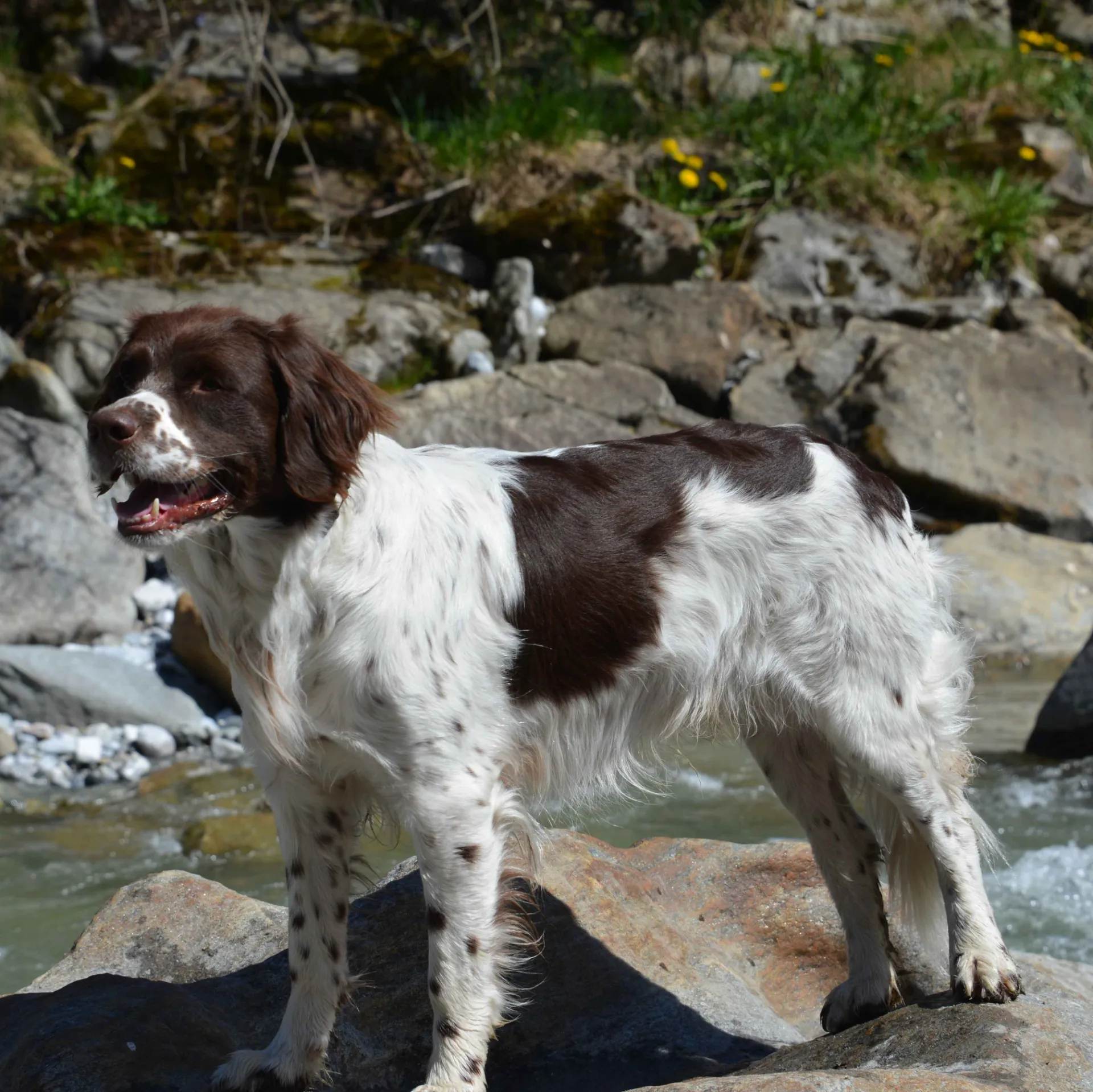
The Drentsche Patrijshond—often called the Drent—is a versatile Dutch gundog with a history dating back to the 16th century. Originally bred in the province of Drenthe, these dogs worked as all-round hunting companions, flushing game and guarding farms, according to WagWalking. What sets them apart is their ability to switch easily between fieldwork and family life.
Unlike many hunting breeds that were bred only for nobility, the Drent was a true family dog, living indoors and outdoors, which explains why even today they’re so people-focused, notes the Dogster. In India, they are extremely rare, but they appeal to pet parents who want a medium-sized, affectionate, and trainable dog that balances energy with calmness.
How Long Do Drents Live?
The Drentsche Patrijshond has a lifespan of 12–14 years, and many even live to 15 with good care.
Temperament & Personality
Drents are best described as calm, loyal, and affectionate when at home, and energetic, sharp, and focused outdoors. The American Kennel Club (AKC) calls them versatile gundogs with an affectionate family side, while Dogster highlights their gentle and people-oriented personality.
Unlike some high-strung hunting breeds, Drents are naturally relaxed indoors and deeply bonded to their families. They’re good with children when raised together and are generally more tolerant of other pets compared to many hunting dogs—though, like any breed, early socialization matters.
Training is smooth with reward-based methods, as Drents are intelligent but sensitive. Harsh correction doesn’t work well, but treats, toys, or games will get excellent results, according to American Breeder.
Apartment vs. Farmhouse Life in India
A Drent can adapt to an apartment in India if their exercise and mental needs are met. They require at least 60–90 minutes of daily activity, according to Dogster, which can be split between long walks, fetch, or indoor enrichment games. In apartments, puzzle feeders or hide-and-seek with treats are great ways to keep them engaged.
In farmhouses or homes with gardens, they’re in their element. Their hunting heritage means they love to roam and explore, so a secure fence is a must.
As for climate, their medium-length double coat protects them in cooler regions like Ooty or Shimla. In hot metros like Delhi or Chennai, though, early-morning or evening walks, fans, and shaded rest areas are key. Their floppy ears need regular checks in India’s humid monsoon months to avoid fungal infections.
Characteristics
Barking
Quiet
Loud
Temperament with Kids
Aggressive
Friendly
Playfulness
Silent
Very Playful
Friendliness
Not Friendly
Super Friendly
Compatibility with other dogs
Aggressive
Friendly
Need for attention
Independent
Very Needy
Monthly Expenses


Lifespan & Availability in India
Cost of buying
₹ 2,50,000 - ₹ 4,50,000
Drents typically live 12–14 years, and many enjoy active senior years with proper care. They are known for being robust, healthy dogs, but their rarity makes them a challenge to find in India.
Currently, Drents are extremely rare in India. Most puppies are imported from Europe or the US, which means costs can be high. Price Range: While there isn’t much data from Indian breeders, imports may range anywhere between ₹2.5–4.5 lakhs, depending on lineage, health clearances, and shipping.
Exercise Needs for Drents
The Drent is a hunting breed with moderate energy levels—not as hyper as a Border Collie, but not a couch potato either. They need about an hour of daily exercise, split between physical activity and mental enrichment.
- In Apartments (Delhi, Bengaluru, Mumbai): Drents can adapt if they get two brisk walks daily, stair play, and puzzle toys indoors. Their calmer temperament compared to spaniels makes them surprisingly good for city living.
- In Farmhouses or Suburban Homes: They thrive with secure open spaces where they can run, sniff, and explore. But because of their hunting instincts, a fenced yard is important to prevent them from chasing stray cats or birds.
- In Indian Climate: They handle mild hill stations (like Ooty or Shimla) wonderfully. In hot metros like Chennai or Hyderabad, schedule walks in early mornings or evenings and provide cooling options indoors. Swimming or splash tubs are excellent for summer fun.
Prerequisites to pet a Drentsche Patrijshond
Access to Veterinary
Appropriate Climate
Lifestyle Compatibility
Financial Capability
Space and Environment
Access to Groomer
Shop or Adopt a Drent in India
Adopting or buying a Drentsche Patrijshond in India is challenging due to their rarity.
- Adoption: It’s unlikely you’ll find a Drent in Indian rescues. However, occasionally, global breed-specific rescue groups coordinate international adoptions.
- Buying from a breeder: If you’re considering importing, ensure the breeder provides:
- Genetic test results for hip dysplasia, elbow dysplasia, PRA, and epilepsy
- Proof of vaccinations, microchip, and pedigree papers
Evidence that puppies are home-raised and socialized (not kennel-only)
Nutrition Care for Drentsche Patrijshonds in India
Monthly Food Expenses
₹ 2,250 - ₹ 3,000
Calories per day
Puppies: 1200 kcal
Adults: 1600 kcal
Essential Nutrients
Protein
Fats
Carbohydrates
Vitamins
Minerals
List of foods
Chicken
Dry Dog Food
Fresh Meat
Fresh Fish
Fruits
Home made meals
Vegetables
The Drentsche Patrijshond, or Drent, may be calm indoors, but they’re energetic hunting dogs outdoors—built to run, track, and retrieve. That means their food should fuel both stamina and focus while also protecting their joints and supporting their medium-length coat. The (AKC) notes that balanced nutrition is key for active sporting breeds, and the Drent is no exception.
Protein: Fuel for Muscles & Hunting Instincts
Protein is the backbone of a Drent’s diet, building lean muscle, repairing tissues, and fueling their natural retrieving drive. PetMD recommends 22–30% high-quality animal protein for active gundog breeds.
Indian-friendly protein picks:
- Boiled chicken or goat meat (lightly cooked, no masala)
- Eggs (boiled or scrambled without oil)
- Local fish like rohu, sardines, or mackerel, which also provide omega-3s for skin and coat health
- In India’s hot cities, stick to lighter proteins like chicken or fish, as red meats can feel too heavy and harder to digest.
Fats: Brain, Skin & Energy Boosters
Fats are not just energy—they’re essential for shiny coats, healthy skin, and brain development. Hill’s Pet highlights omega fatty acids as vital for sporting breeds with medium coats
Good options for Indian homes:
- Fatty fish such as mackerel or sardines
- A teaspoon of coconut oil 2–3 times a week
- Vet-approved fish oil capsules, great for joint and coat health
These sources keep your Drent’s coat glossy while preventing dryness, especially in dusty cities like Delhi.
Carbohydrates: Steady Energy for Active Dogs
Drents are not hyper like terriers, but they do need sustained energy for long walks, play, or training sessions. The Spruce Pets advises choosing complex carbs over fillers to fuel sporting breeds without causing weight gain, according to the The Spruce Pets.
Carb picks for Indian kitchens:
- Sweet potatoes or pumpkin (energy + fiber)
- Brown rice or oats (easy to digest)
- Millets like ragi (finger millet) and bajra (pearl millet) for sustained release
- Light veggies like bottle gourd for hydration
Skip biscuits, white bread, or fried snacks, they add calories without nutrition and can upset digestion.
Vitamins & Minerals: The Silent Health Protectors
Strong bones, sharp eyes, and a healthy immune system all depend on micronutrients. Dogster points out that calcium, phosphorus, and vitamins A, D, and E are especially important for medium sporting breeds.
Indian options:
- Carrots, spinach, beans, and peas (lightly boiled) mixed into meals
- Vet-approved calcium for growing puppies (avoid excess to protect joints)
- Glucosamine or chondroitin for seniors to ease joint stiffness
Feeding Guidelines for Drents
Puppies (up to 12 months):
Feed 3–4 small meals daily with a puppy formula for medium breeds. Add boiled chicken or egg to make meals more appealing. Avoid calcium overload, which can harm developing joints.
Adults (1–7 years):
Two meals a day are ideal. Rotate between premium kibble and balanced home-cooked meals. In hot Indian summers, give lighter breakfasts (like rice + pumpkin) and protein-rich dinners (chicken or fish with sweet potato).
Seniors (7+ years):
Reduce calories by 15–20% to prevent weight gain. Focus on digestible proteins (fish, chicken, egg) and keep up with joint support supplements.
Like many medium sporting breeds, Drents can be prone to bloat (GDV). Always feed smaller meals and avoid intense exercise right after eating.
Breakdown of Macro-nutrients
Best Food Choices for Drents in India
Premium Kibble Picks
- Royal Canin Medium Adult – tailored for medium sporting breeds
- Orijen Six Fish – grain-free, protein-rich for active dogs
- Farmina N&D Ancestral Grain – easily digestible and climate-suited
- Acana Singles – excellent for sensitive stomachs
- Hill’s Science Diet Medium Breed – supports weight and joint health
Transition slowly when switching kibbles to avoid tummy upsets.
Home-Cooked Meal Ideas
- Chicken + pumpkin + brown rice + spinach
- Sardines/mackerel + sweet potato + beans
- Egg + oats + carrots
- Paneer (in moderation) + ragi porridge + peas
Keep meals lightly cooked, no spices, oils, or heavy masalas—Drents can have sensitive stomachs.
Healthy Treat Picks
- Carrot or cucumber sticks (crunchy, hydrating)
- Seedless apple slices
- Unsweetened curd (cooling in summer)
- Homemade chicken jerky (oven-dried, no salt or spices)
Hydration Helpers
- Unsalted bone broth (mineral-rich)
- Coconut water (occasionally, in moderation)
- Multiple fresh water bowls indoors during India’s peak summers
Foods to Avoid for Drents in India
Avoid anything with these ingredients
Alcohol
Almonds
Cherries
Avocados
Cinnamon
Coffee / Tea
Dairy
Fruit seeds
Garlic
Grapes
Lemon
Milk Products
Mushrooms
Onions
Salt
Sugar
Even though Drents are hardy, some foods common in Indian homes are unsafe:
- Toxic foods: Onions, garlic, grapes, raisins, chocolate, xylitol, caffeine.
- Fried Indian snacks: Pakoras, samosas, bhajiyas, curries with masala and ghee, cause obesity and tummy issues
- Unsafe chews: Rawhide, brittle cooked bones, or heavily processed meats like sausages and salami
- Low-quality kibble: Those filled with corn, soy, or artificial dyes
- Sugary or dairy-heavy foods: Mithai (gulab jamun, barfi), ice cream, milkshakes, or excess paneer


Health
Avg Monthly Expenses
₹ 1,200 - ₹ 1,800
Common Health Issues
Bloat
Hip Dysplasia
Heartworm
Parasites
Lyme disease
Canine Influenza
Kennel Cough
Leptospirosis
Well being
Exercise
Bonding
Games
Socialization
Hiking
Energy Level
High
Exercise routine
60 - 90 minutes
Recognising Stress
Changes in appetite
Excessive Barking
Excessive Panting
Reluctance to move
Decreased play
Pacing
Healthcare for the Drentsche Patrijshond in India
The Drentsche Patrijshond, or Drent, is often described as a hardy, all-purpose hunting dog from the Netherlands. With a life expectancy of 12–14 years, they tend to enjoy long, healthy lives when given proper preventive care. But like all purebred dogs, Drents have some inherited conditions and climate-related risks that Indian pet parents should be aware of.
Common Health Concerns
Hip & Elbow Dysplasia
As with many medium sporting breeds, joint issues such as hip and elbow dysplasia can occur. PetMD notes that these conditions affect mobility and can lead to arthritis over time, according to PetMD. In India, where walks often take place on hard concrete roads, it’s best to supplement exercise with grass play, swimming, or indoor games to reduce joint strain.
Ear Infections
With their long, floppy ears, Drents are prone to ear infections, especially in India’s humid cities like Mumbai and Chennai. According to VCA Animal Hospitals (VCA), moisture and wax buildup can quickly lead to infections. Weekly ear checks, gentle cleaning with vet-approved solutions, and thorough drying after baths or rainy walks are musts.
Eye Issues
Drents may inherit eye conditions such as Progressive Retinal Atrophy (PRA), which causes gradual vision loss. Responsible breeders in Europe now use DNA testing to avoid passing on PRA, according to Wisdom Panel. For Indian owners, annual eye exams, especially after age five, help detect changes early.
Epilepsy
Some Drents are predisposed to idiopathic epilepsy, a neurological condition that can cause seizures. The Drentsche Patrijshond Club of North America advises that prospective pet parents ask breeders for genetic history on seizure disorders (DPCA). While rare, early diagnosis is important for treatment and quality of life.
Obesity & Digestion
Drents love food and are prone to weight gain if portions aren’t controlled. AKC warns that excess weight worsens joint issues and shortens lifespan. In India, where family members often slip pets rotis or mithai, it’s crucial to set strict feeding routines. Stick to measured meals and avoid fried, spiced, or oily human foods.
Parasites & Infections
India’s warm climate increases risks of ticks, fleas, and worms. Preventive spot-on treatments or oral tablets, along with regular deworming, help keep your Drent safe. Vaccinations against parvo, distemper, and rabies remain essential.
General Healthcare Tips for Indian Homes
- Regular Vet Visits: Once a year for adults, twice for seniors. Ask breeders for hip, elbow, and eye clearances before bringing a puppy home.
- Weight Management: Stick to measured portions and avoid sharing Indian fried snacks like samosas, pakoras, or biryani scraps.
- Ear & Skin Care: Dry ears and fur thoroughly after monsoon walks. Use mild, vet-approved shampoos to prevent fungal infections.
- Dental Care: Weekly brushing and safe chews reduce tartar buildup and bad breath.
- Parasite Prevention: Flea/tick prevention is essential in Indian metros like Bengaluru and Pune during rains.
- Mental Stimulation: Drents are intelligent hunters—puzzle toys, obedience drills, or hide-and-seek games keep them mentally sharp indoors.
Vaccination details
Growth Stage
Core Vaccines
6-8 Weeks
Distemper, Parvovirus, Adenovirus, Parainfluenza (DHPP)
10-12 Weeks
DHPP booster
12-16 Weeks
Rabies
Recommendations to care for senior Drentsche Patrijshond dogs
By around age seven, Drents begin entering their senior years. With the right care, they can remain active well into their teens.
- Biannual vet checkups with blood tests for kidneys, liver, and thyroid
- Lighter senior diets with digestible proteins like fish or chicken
- Joint support supplements (glucosamine, chondroitin, or vet-approved turmeric)
- Orthopedic bedding on hard Indian floors (marble or tiles) for joint comfort
- Heat management in metros like Delhi or Chennai with fans, cooling mats, or AC
- Gentle exercise like short walks or swimming to stay fit without over-stressing joints
Grooming Routine for the Drentsche Patrijshond in Indian Homes
Avg Monthly Expenses
₹ 1,200 - ₹ 1,800
Shedding Level
Moderate Shedding
Hygienic Checklist
Brushing
Bathing
Ear Cleaning
Nail Trimming
Eye Care
Teeth Care
Benefits of Grooming
Cleanliness
Low Shedding
Odourless
Prevents infections
Quality of life
The Drentsche Patrijshond (Drent) has a medium-length, dense double coat that is designed to protect them while working in fields and forests. According to the American Kennel Club (AKC), their coat is relatively low-maintenance compared to other long-haired gundogs.
- Brushing: A good weekly brushing with a slicker brush or comb is enough to keep their coat clean and reduce tangles. During seasonal sheds (spring and autumn), increase to 2–3 times a week to manage loose fur in Indian homes.
- Bathing: Only bathe occasionally—say once every 2–3 months or after muddy play. Frequent washing strips natural oils that keep their coat water-resistant.
- Ears: With their floppy ears, Drents are prone to moisture buildup, especially in humid Indian cities like Mumbai and Chennai. Weekly checks and gentle cleaning are essential.
- Nails & Teeth: Nail trims every 4–6 weeks and weekly brushing with dog-safe toothpaste help maintain hygiene and prevent infections.
- In India’s monsoon months, always dry your Drent thoroughly after outdoor walks to prevent fungal skin infections.
Similar Breeds
German Longhaired Pointer | Brittany Spaniel | English Setter


Written by
Happy Pet TeamAuthor
Team Happy Pet is a passionate collective of pet experts, enthusiasts, and advocates dedicated to sharing trusted and insightful content.
Our cont
Compare with similar breeds
Frequently Asked Questions
Are Drentsche Patrijshonds prone to any health issues?
While Drentsche Patrijshonds are generally healthy dogs, they may be prone to certain health issues like bloat, hip dysplasia, and skin allergies. Regular veterinary check-ups and preventive care can help keep them healthy and detect any potential issues early.
Are Drentsche Patrijshonds good with children and other pets?
Yes, Drentsche Patrijshonds are generally good with children and other pets, especially if they are socialized and trained from a young age. They enjoy being part of the family and can make excellent companions for households with children and other animals.
Do Drentsche Patrijshonds make good watchdogs?
Yes, Drentsche Patrijshonds are alert and observant dogs, making them natural watchdogs. While they are not typically aggressive, they will bark to alert their owners of any unusual activity or strangers approaching their territory.
How long do Drents live?
Most live 12–14 years, with some reaching their mid-teens with good care.
Do they adapt to Indian climate?
They do fine in India but thrive best in cooler regions or homes with AC/fans during peak summers.