Home
/
Dog Breeds
/
Eurasier
Eurasier
Origin
Germany
Size
Medium Breed
Ideal Space
Apartment
Ideal Weather
15º-25ºC
Life Expectancy
12-14 years
Cost of buying
₹ 60,000 - ₹ 80,000
Top 5 Traits
Intelligent
Loyal
Playful
Protective
Fearless
Avg Monthly Expenses
₹ 4,650 - ₹ 6,600

by Happy Pet TeamUpdated on 22 Jul 2025
Introduction to the Eurasier
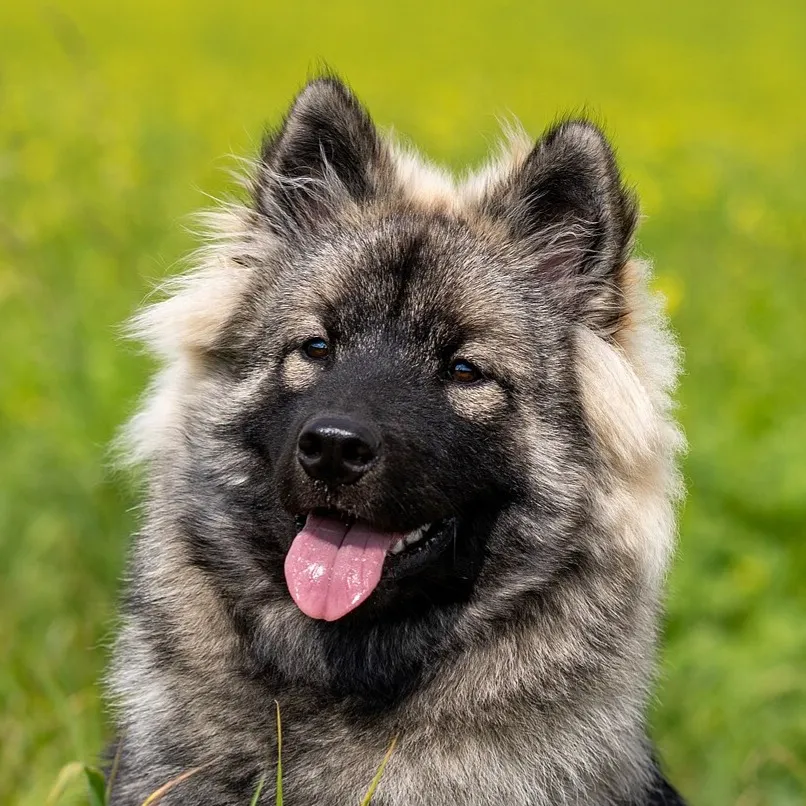
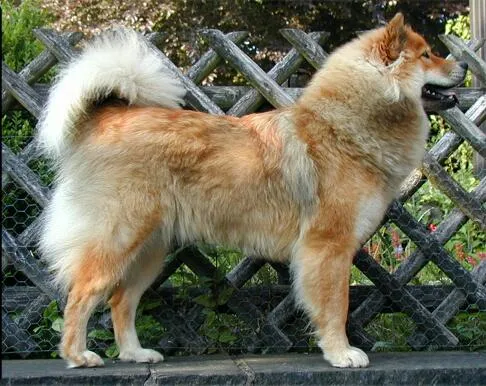
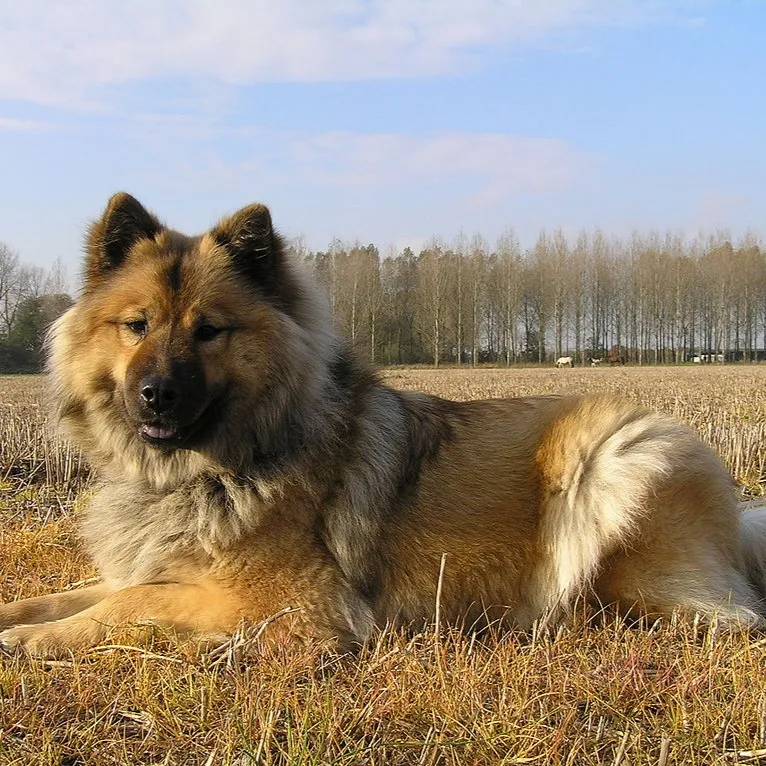
The Eurasier is a spitz-type breed that is calm, balanced, and intelligent and was developed in Germany in the 1960s. Designed by breeding a Chow Chow to the Wolfspitz (and later the Samoyed), the Eurasier was developed as an ideal family dog, alert but not snappy, loving but not needy.
Though its coat is plush and it bears a wolf-like appearance, the Eurasier lacks hunting instinct, so it is a docile house dog that gets on well with the members of its family. The FCI recognised the breed formally in 1973.
How Long Do Eurasiers Live?
Eurasiers have a life span of 12-15 years with proper care.
Eurasier Temperament and Personality
Eurasiers are loving, gentle and extremely bright.
- Very loyal to their family
- Good with children and other pets
- Not aggressive but observant and alert
Eurasier Exercise Needs
Eurasiers are calm indoors but need daily activity to stay fit.
- Walks: 2 sessions of 30 minutes daily
- Mental stimulation: Puzzle toys, scent work, or hide-and-seek
- Avoid intense jumping: Especially in puppies, to protect joints
They don’t need constant play but do enjoy outdoor time with their family.
Characteristics
Barking
Quiet
Loud
Temperament with Kids
Aggressive
Friendly
Playfulness
Silent
Very Playful
Friendliness
Not Friendly
Super Friendly
Compatibility with other dogs
Aggressive
Friendly
Need for attention
Independent
Very Needy
Monthly Expenses


Eurasier’s Price Guide
Cost of buying
₹ 60,000 - ₹ 80,000
The price of a Eurasier can be anywhere from Rs.60,000 to Rs.80,000.
Similar Breeds to the Eurasier
Prerequisites to pet a Eurasier
Access to Groomer
Access to Veterinary
Appropriate Climate
Lifestyle Compatibility
Financial Capability
Shop or Adopt a Eurasier: Make the Right Choice!
Eurasier is a charming, affectionate and devoted companion, distinguished by its unique appearance. When you adopt a Eurasier, you provide a loving home to a dog in need and bring a devoted friend into your life. Adoption helps support animal welfare and deters unethical breeding practices.
Best Practices to Follow While Shopping or Adopting a Eurasier
- Try shelters or breed-specific rescues like the Eurasier Rescue Network.
- Select breeders that provide health clearances and proper care.
- Their breathing issues make regular vet visits important.
- Their thick coat requires constant brushing and care.
- Moderate activity helps prevent obesity.
- Stubbornness is curbed by early training and builds confidence.
- Ideal for apartments but sensitive to extreme temperatures.
- Handle with care, best for families with older children.
Nutrition Care for the Eurasier
Monthly Food Expenses
₹ 2,250 - ₹ 3,000
Calories per day
Puppies: 1000 kcal
Adults: 900 kcal
Essential Nutrients
Protein
Fats
Carbohydrates
Fibre
Vitamins
Minerals
List of foods
Chicken
Dry Dog Food
Fresh Meat
Fresh Fish
Fruits
Vegetables
- Eurasiers need a properly balanced diet to support their body size and coat.
- Also, add protein, healthy fats, carbs, vitamins, and minerals to their food for strength and coat health.
- Preventing low quality food to avoid deficiencies and weight gain.
- Adjust feeding based on age and activity level.
- Mix dry food with lean meats and vegetables for balanced nutrition.
Feeding Guidelines for Eurasiers
Puppies (Up to 12 Months): Feed 3-4 meals daily. Large-breed puppy food is best for Eurasiers. Avoid calcium overload to prevent joint issues.
Adults (1–7 Years): Feed 2 meals a day. A typical adult needs around 3 to 4 cups daily, based on weight and activity level.
Seniors (7+ Years): Switch to senior dog food. Focus on digestibility and joint support. Feed smaller, more frequent meals.
Note: These are general guidelines. Consult a veterinarian to determine the specific dietary needs of your dog.
Breakdown of Macro-nutrients
Best Foods for Eurasiers
- Cold-water fish formulas – To keep the coat healthy and joints safe. Contains omega-3s, which are beneficial to the skin, coat, and mobility.
- Grain-inclusive diets – Prevent the risks of taurine deficiency. Heart health can be boosted by whole grains in certain dogs.
- Lightly-cooked meals – For fussy eaters or those with a delicate stomach. Easier to digest and more palatable.
- Limited ingredient recipes – In the case of food sensitivities. Aids in the prevention of typical allergens.
Foods to Avoid for Eurasiers
Avoid anything with these ingredients
Alcohol
Almonds
Avocados
Cherries
Cinnamon
Coffee / Tea
Dairy
Fruit seeds
Grapes
Mushrooms
Onions
Salt
Sugar
Milk Products
Lemon
Garlic
- Chocolate, grapes, and onions – Harmful to dogs. Even minor doses may lead to serious illness or even death.
- Xylitol (in sugar-free gum and treats) – Are potentially deadly. It leads to liver failure and acute insulin spike.
- Excess fatty foods – Cause pancreatitis. Damages the brain, causes vomiting, abdominal pain and acute complications.
- Too much calcium – Harmful to developing puppies. Has the potential to interfere with bone growth in the large breeds.
- Grain-free diets (long-term) – May be associated with heart diseases, without monitoring taurine. Never put a dog on a new diet without consulting a vet.


Healthcare for the Eurasier
Avg Monthly Expenses
₹ 1,200 - ₹ 1,800
Common Health Issues
Bloat
Hip Dysplasia
Heartworm
Parasites
Canine distemper
Leptospirosis
Lyme disease
Panosteitis
Well being
Exercise
Bonding
Socialization
Games
Hiking
Energy Level
Medium
Exercise routine
90 - 120 minutes
Recognising Stress
Changes in appetite
Pacing
Excessive Panting
Excessive Barking
Reluctance to move
Common Health Problems of Eurasiers
Eurasiers are generally healthy but benefit from proactive vet care. However, they are prone to some health issues, such as -
- Autoimmune thyroiditis – It causes weight gain, inertia, and coat problems. Need lifelong hormone treatment and requires supervision.
- Hip and elbow dysplasia – Genetically transmitted joint diseases. May cause pain, arthritis, and stiffness.
- Exocrine pancreatic insufficiency (EPI) – Affects digestion. With every meal, dogs require supplements of enzymes.
- Patellar luxation – Irregular knee stability. May skip or limp; occasionally, surgery is necessary.
General Healthcare Tips for Eurasier
- Thyroid testing: Advised after every 2 years. Assists in the early formation of autoimmune thyroid problems.
- Joint screenings: At the age of 2, hips, elbows, and knees. Prevention of long-term mobility issues through early detection.
- Parasite prevention: Fleas/ticks may find shelter in thick fur. Give year round vet-recommended preventives.
- Weight management: Keep lean to reduce orthopedic risk. Being overweight puts pressure on the joints and organs.
- Mental enrichment: Scent games and the use of puzzle toys prevent boredom. Helps your dog to stay mentally alert and active.
Vaccination details
Growth Stage
Core Vaccines
6-8 Weeks
Distemper, Parvovirus
10-12 Weeks
Distemper, Parvovirus, Adenovirus, Parainfluenza
14-16 Weeks
Distemper, Parvovirus, Rabies
12-16 Months
Rabies, Booster for Distemper and Parvovirus
Anually
Rabies, Leptospirosis, Bordetella (Kennel Cough)
Senior Eurasier Care
- Comfortable bedding: Orthopedic foam assists joints. It relieves pressure and enhances sleep in old dogs.
- Exercise: Short walks, light exercises or swimming. Allows movements without overworking the joints.
- Vet check-ups: Every 6 months is advised. Age related problems are handled better when caught early.
- Higher protein diets: Aids in the preservation of muscle mass. Select high quality animal proteins to support them.
- Monitor thyroid function: The prevalence of hypothyroidism increases as age advances. Frequent checkups also help avoid weight gain and fatigue.
Important Note: This information is for general guidance only. Always consult a qualified veterinarian for personalized advice.
Eurasier Grooming Routine
Avg Monthly Expenses
₹ 1,200 - ₹ 1,800
Shedding Level
Moderate Shedding
Hygienic Checklist
Bathing
Brushing
Nail Trimming
Ear Cleaning
Eye Care
Teeth Care
Benefits of Grooming
Cleanliness
Low Shedding
Odourless
Prevents infections
Quality of life
Prevents Bad Breath
Grooming a Eurasier is essential but manageable.
- Brushing: 2–3 times a week, daily during shedding season
- Bathing: Every 2–3 months or when dirty
- Nail trimming: Every 3–4 weeks
- Ear cleaning: Weekly to prevent buildup
- Never shave: Double coat regulates temperature


Written by
Happy Pet TeamAuthor
Team Happy Pet is a passionate collective of pet experts, enthusiasts, and advocates dedicated to sharing trusted and insightful content.
Our cont
Compare with similar breeds

Frequently Asked Questions
Are Eurasiers good with kids and other pets?
Yes, they are quiet and tolerant, particularly when raised at a young age.
Do Eurasiers shed a lot?
They are a moderate shedder all year round, with spikes of heavy shedding twice a year. It is controlled by regular brushing.
Are Eurasiers good for apartments?
Yes, provided they have plenty of exercise daily and are not left by themselves too long.
Are Eurasiers easy to train?
They are smart and sensitive, and responsive. Be patient and positive.