Home
/
Dog Breeds
/
Italian Greyhound
Italian Greyhound
Origin
Italy
Size
Small Breed
Ideal Space
Apartment
Ideal Weather
15º-25ºC
Life Expectancy
12-15 years
Cost of buying
₹ 1,50,000 - ₹ 3,00,000
Top 5 Traits
Athletic
Playful
Intelligent
Loyal
Disciplined
Avg Monthly Expenses
₹ 2,200 - ₹ 3,750

by Happy Pet TeamUpdated on 14 Sept 2025
Meet the Italian Greyhound: The Petite Elegance of the Dog World
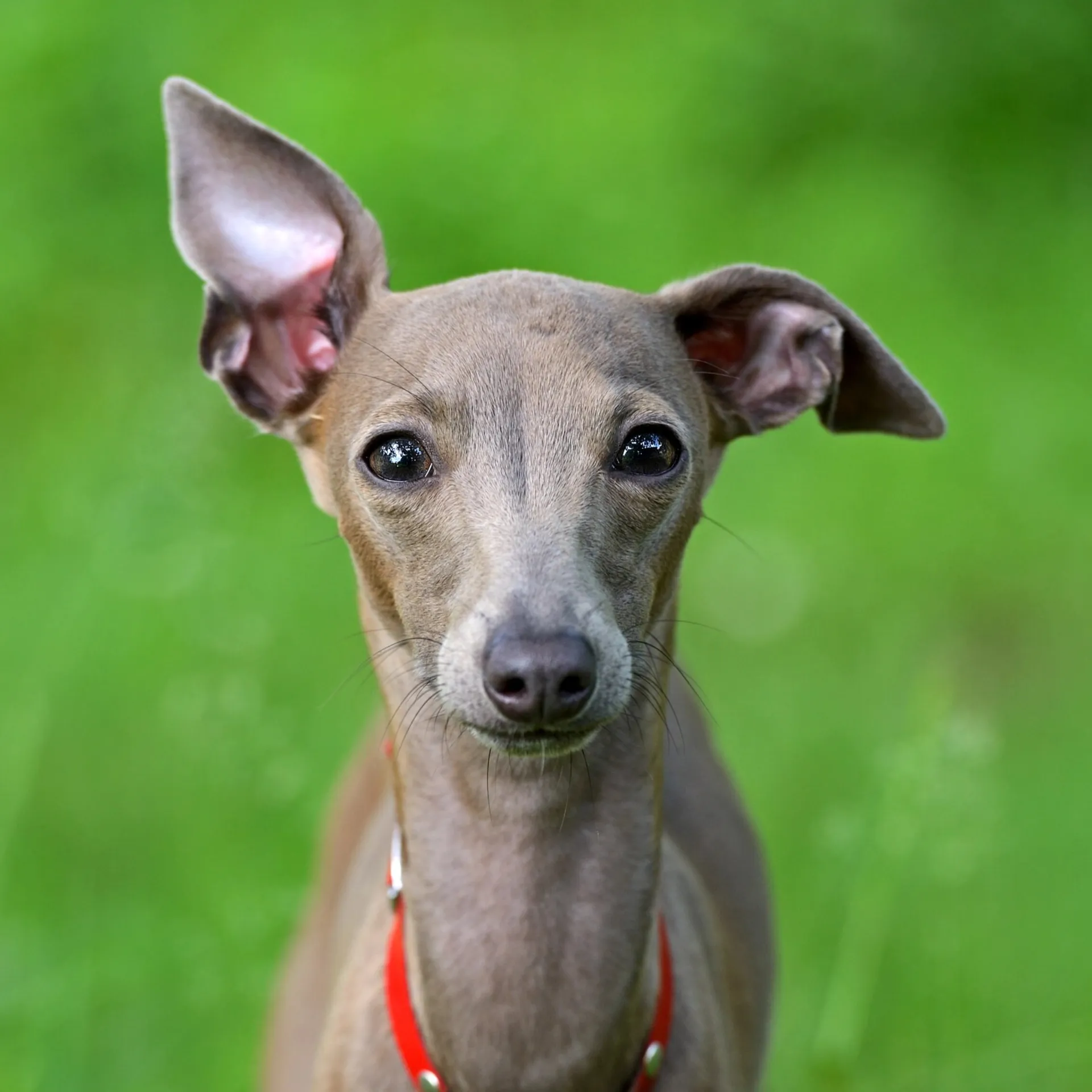
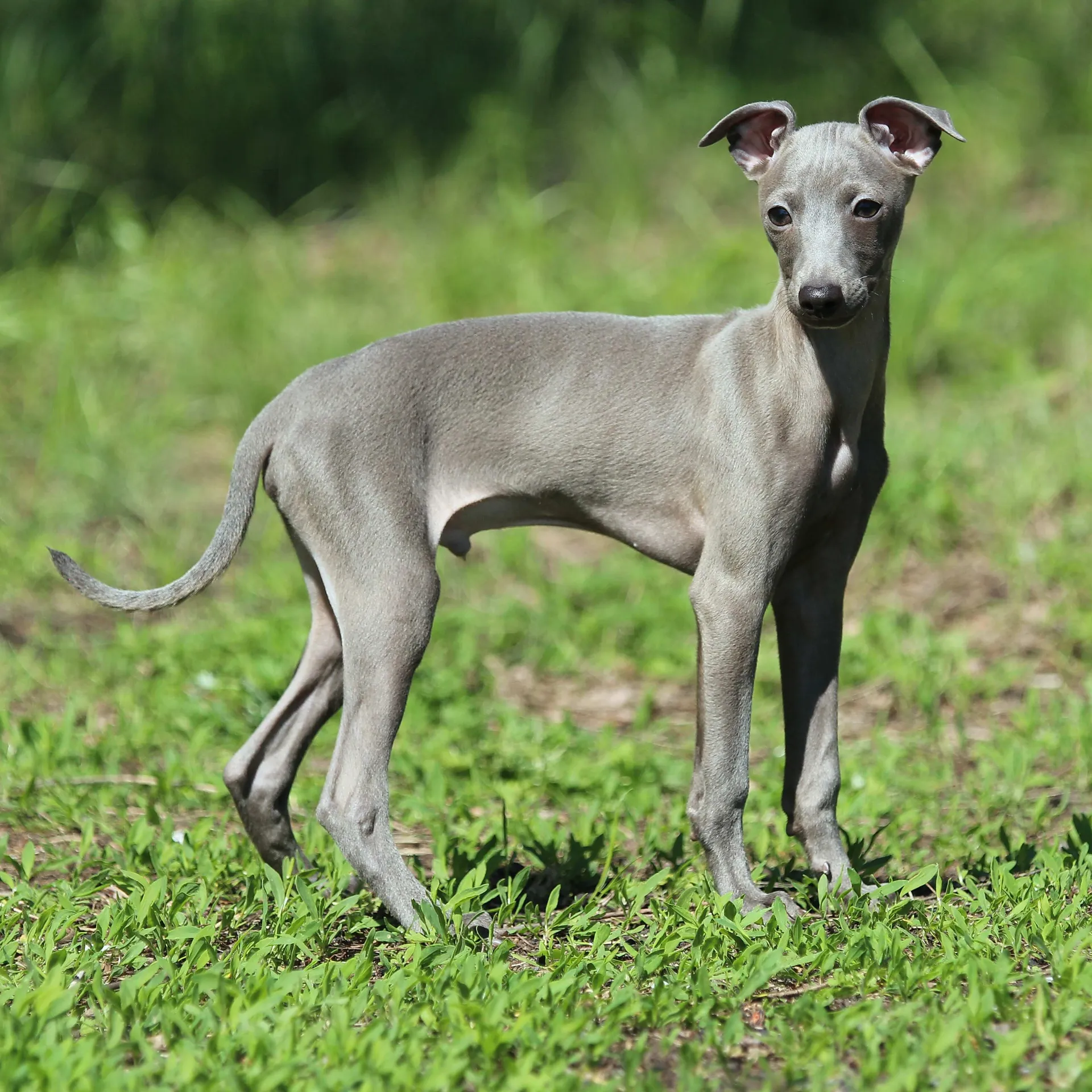
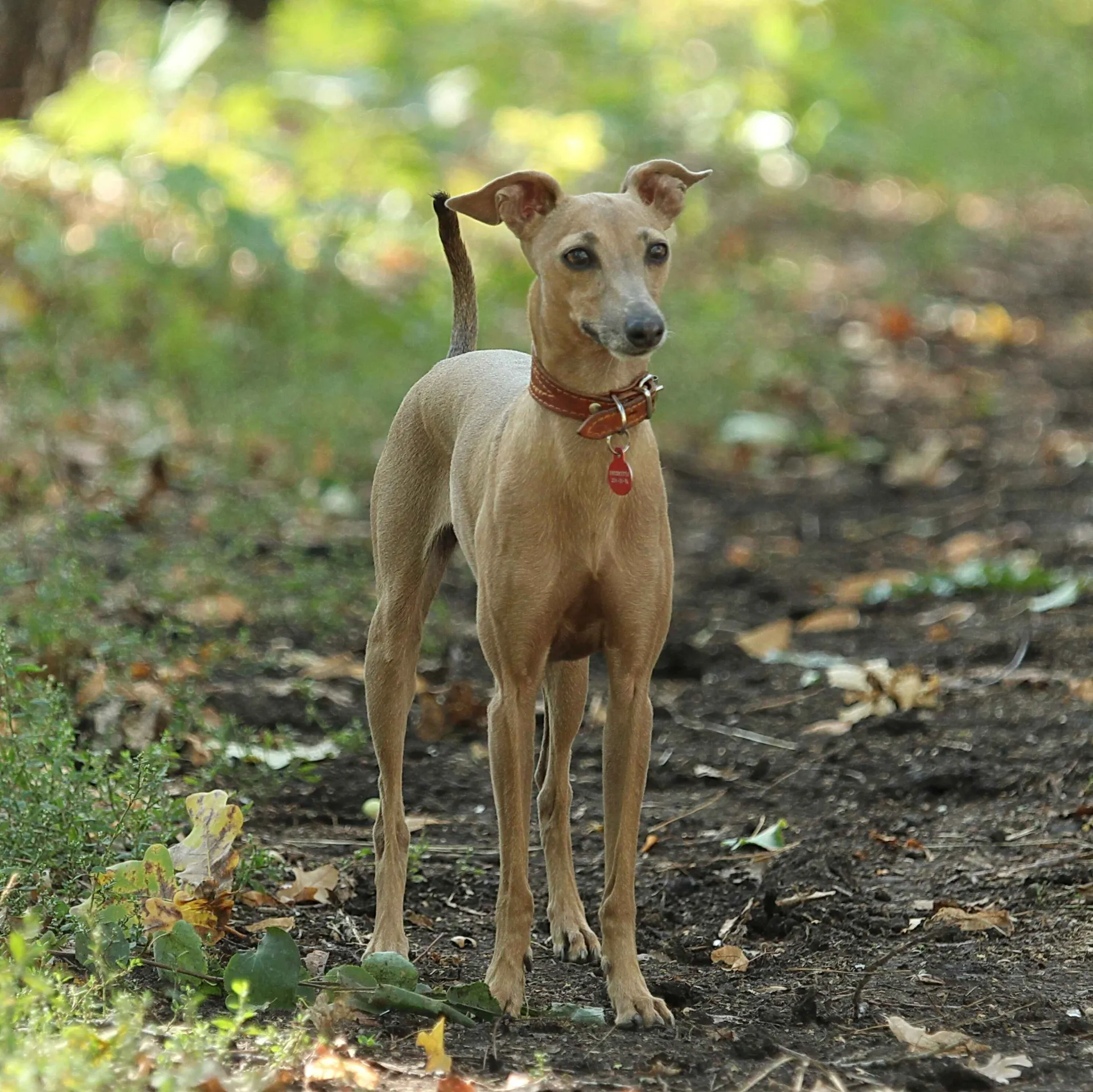
The Italian Greyhound, often nicknamed the “miniature Greyhound,” is a delightful mix of elegance, speed, and affectionate companionship. Though tiny compared to their sighthound cousins, they share the same graceful build and alert personality. In India, Italian Greyhounds are rare and usually imported, making them a premium choice for families who love a small, sleek, and devoted dog, according to AKC.
Despite their sprightly nature, Italian Greyhounds are surprisingly relaxed indoors. They’ll happily curl up on your sofa or follow you around a Bengaluru, Pune, or Kochi apartment, proving that even city dwellers can enjoy life with these petite companions. Families in gated communities, farmhouses, or homes with terraces in cities like Gurgaon, Hyderabad, or Chennai find them adaptable and affectionate, especially when included in daily life.
How Long Do Italian Greyhounds Live?
These tiny sighthounds are relatively long-lived. According to PetMD, Italian Greyhounds typically live 12–15 years with proper care. While generally healthy, they can be prone to dental issues, delicate bones, and cold sensitivity—factors Indian pet parents need to consider in both city apartments and suburban homes across Delhi, Mumbai, and Kochi. Regular vet visits and a diet suitable for small, active dogs are essential.
Temperament & Personality
With Family:
Italian Greyhounds thrive on attention. In Indian homes, they enjoy lounging beside you during work-from-home hours in Bengaluru, Pune, or Hyderabad, or playing in your terrace garden in cities like Chennai, Gurgaon, or Kochi. They don’t like being left alone for long periods; separation anxiety can become an issue if ignored.
With Kids:
These little dogs are gentle and affectionate with children but are delicate. Even playful toddlers can accidentally hurt them. Supervision is important, and teaching kids to be gentle with their tiny bodies is a must in Indian households with limited indoor space, whether in Mumbai apartments or Pune bungalows.
With Strangers:
Italian Greyhounds are friendly but cautious. They’re unlikely to bark excessively, making them suitable for apartment living, yet early socialisation ensures they remain comfortable with visitors or neighbors in cities like Delhi, Kolkata, or Bengaluru.
Training:
These dogs are intelligent but sensitive. Harsh corrections backfire, so reward-based training with treats, gentle praise, or play works best. In India, recall training is critical—these dogs are fast and curious, and a loose pet can easily dart after a bird, cat, or even a scooter in cities like Chennai or Kochi.
Energy Levels:
Italian Greyhounds need short bursts of activity daily. A 20–30 minute run in a secure yard or park plus indoor play is usually sufficient. In Indian apartments across Mumbai, Hyderabad, or Pune, puzzle toys and mini agility games can keep their minds active. Without stimulation, they may become anxious or vocal.
Apartment vs. Farmhouse Life in India
In Apartments (Delhi, Mumbai, Bengaluru, Chennai, Hyderabad, Pune, Kochi, Gurgaon):
Italian Greyhounds can adjust well, provided they have a safe space for running or indoor enrichment. Large balconies with safety nets or nearby dog-friendly parks are ideal. Their tiny size makes them a good fit for flats, but their energy and curiosity need to be managed.
In Farmhouses or Suburban Homes (Goa, Gurgaon outskirts, Pune outskirts, Ooty, Shimla):
These dogs flourish in open spaces. A securely fenced yard allows them to sprint safely, which they love. Places like Goa, Pune outskirts, or hill-station homes make excellent environments, but fencing is non-negotiable—they can slip through gaps chasing a bird or butterfly!
Climate Considerations in India
Hot Cities (Delhi, Chennai, Kolkata, Mumbai, Hyderabad, Pune):
Italian Greyhounds have thin coats and little body fat, making them prone to heat stress. Walk them only in early morning or evening, keep them indoors with fans or AC during peak heat, and provide constant access to water. Sunburn can also be an issue, so shade is crucial.
Hill Stations (Ooty, Shimla, Coorg, Manali, Kasauli):
Cooler climates suit them perfectly. They are more playful, comfortable, and willing to explore outdoors. Hill-station families or those vacationing in these spots often find Italian Greyhounds thriving.
Monsoons (Mumbai, Kochi, Goa, Bengaluru, Kolkata):
Though they have short coats, humidity can irritate their skin. Wipe them dry after walks in the rain, especially around the belly and paws, to prevent fungal infections.
Shedding:
Italian Greyhounds shed minimally, making grooming easy. A weekly gentle brushing keeps the coat sleek and removes loose hair, especially on light-colored Indian floors or furniture. During seasonal sheds, brushing 2–3 times a week is ideal.
Characteristics
Barking
Quiet
Loud
Temperament with Kids
Aggressive
Friendly
Playfulness
Silent
Very Playful
Friendliness
Not Friendly
Super Friendly
Compatibility with other dogs
Aggressive
Friendly
Need for attention
Independent
Very Needy
Monthly Expenses


Lifespan & Price in India
Cost of buying
₹ 1,50,000 - ₹ 3,00,000
Italian Greyhounds typically live 12–15 years with proper care.
They are rare in India and mostly imported from Europe or the U.S. Depending on lineage and breeder practices, prices can range from ₹1.5–3 lakhs.
Exercise Needs
Despite their petite size, Italian Greyhounds are energetic sprinters. They enjoy short bursts of activity rather than long runs.
Daily Activity:
Aim for 30–45 minutes of exercise, broken into two sessions—morning and evening—to avoid India’s midday heat, especially in Delhi, Hyderabad, Chennai, or Jaipur.
Outdoor Play:
If you have a terrace, balcony, or gated lawn, supervise play closely. Their speed and curiosity mean they can chase small animals or slip through gaps in fencing. Always provide water during outdoor sessions, particularly during May–June heat.
Mental Stimulation:
Bored Italian Greyhounds can get anxious or fidgety. Indoor games like hide-and-seek with treats, puzzle feeders, or short obedience sessions help keep them engaged, especially in apartments or smaller Indian homes.
Prerequisites to pet a Italian Greyhound
Access to Veterinary
Appropriate Climate
Lifestyle Compatibility
Financial Capability
Space and Environment
Shop or Adopt an Italian Greyhound in India
Health paperwork: Ask for vet clearances covering heart, bones, and dental health. These are common concerns for the breed.
Responsible breeders: Choose breeders who socialize puppies indoors with families rather than in kennels. Socialization is essential for a sensitive breed.
Documentation: Ensure KCI or FCI pedigree papers and updated vaccinations.
Adoption: Rare within India. International rescues may have listings. If importing, prepare for quarantine, vet checks, and gradual adjustment to India’s warmer climate using shaded areas, AC/fans, and frequent hydration.
Nutrition for Italian Greyhounds in India
Monthly Food Expenses
₹ 1,200 - ₹ 1,800
Calories per day
Puppies: 600 kcal
Adults: 500 kcal
Essential Nutrients
Protein
Fats
Carbohydrates
Fibre
Vitamins
Minerals
List of foods
Chicken
Dry Dog Food
Fresh Meat
Vegetables
Fruits
Italian Greyhounds may look like delicate, elegant lapdogs, but these little sprinters have surprisingly high energy and sensitive digestion. Their tiny frames, thin skin, and fast metabolism mean that what goes in their bowl greatly affects their health and happiness. In India, where heat, humidity, and heavy monsoons can stress small dogs, careful nutrition is crucial for maintaining energy, lean muscle, and overall well-being. (PetMD notes that small breeds with fast metabolisms require balanced diets to avoid digestive or joint problems).
These dogs don’t need huge portions, but they thrive on nutrient-dense meals spread across multiple feedings.
Protein: Lean, Gentle Fuel
Italian Greyhounds are sprinters by nature, but their tiny stomachs cannot handle heavy or fatty foods. Quality protein builds lean muscle and supports heart health without overloading their digestive system.
India-friendly protein sources:
- Boiled chicken (skinless, unspiced): Perfect for daily meals in hot cities like Delhi or Chennai.
- Eggs (boiled or scrambled without oil): Feed 2–3 times a week for easy digestion and energy.
- Paneer (if dairy-tolerant): A small portion occasionally provides extra protein and calcium.
- Small portions of fish: Freshwater fish like rohu or basa, lightly cooked, for omega-3s that protect joints and skin.
Tip: Divide meals into 2–3 small servings per day, rather than one large meal, to reduce the risk of digestive upset, according to DogTime.
Healthy Fats: Shine & Joint Support
Thin-skinned Italian Greyhounds are prone to dry skin, especially in dusty or hot Indian climates. Healthy fats keep their coat shiny, support joints, and provide sustained energy.
Simple additions for Indian homes:
- A tiny teaspoon of coconut oil per meal for coat and digestion.
- Cooked sardines or small freshwater fish once a week for natural omega-3s.
- Vet-approved fish oil capsules in tiny doses, especially in winter or dry months.
Carbohydrates: Energy Without Weight Gain
Italian Greyhounds burn calories quickly but can become lethargic if overfed carbs. In Indian cities, where outdoor play may be limited during hot afternoons, portion control is key.
Good carb sources:
- Oats or daliya (broken wheat) for steady energy.
- Small amounts of brown or red rice.
- Fiber-rich veggies like pumpkin, carrot, bottle gourd, or sweet potato for hydration and digestion.
Avoid: Heavy grains like chapati, paratha, or refined flour, which can bloat their sensitive tummy.
Vitamins & Minerals: Tiny Boosters for Lifelong Health
Italian Greyhounds age faster than larger breeds, so prevention is better than cure. Micronutrients keep bones strong, teeth healthy, and immune systems robust.
Indian-friendly options:
- Lightly steamed peas, spinach, beans, or carrots mixed with meals.
- Vet-guided calcium supplements for puppies, but avoid overdoing it to protect joints.
- Glucosamine or chondroitin for older dogs to support mobility.
Feeding Guidelines
- Puppies (2–12 months): 3–4 small meals a day. Use high-quality small-breed puppy kibble or home-cooked meals (chicken + oats + pumpkin).
- Adults (1–7 years): 2 meals daily. Breakfast lighter (curd rice + veggies), dinner protein-rich (chicken/fish + pumpkin + oats).
- Seniors (7+ years): Softer, low-calorie meals. Scrambled eggs, boiled fish, or well-cooked veggies work well. Add supplements only under vet guidance.
Never exercise immediately before or after meals; a gentle walk 30–45 minutes later is ideal, say VetStreet small breed feeding tips.
Breakdown of Macro-nutrients
Best Foods for Italian Greyhounds in India
Premium Kibble (small breed formulas):
- Farmina N&D Mini Breed
- Royal Canin Mini Adult
- Hill’s Science Diet Small Breed
Balanced Home-Cooked Combos:
- Chicken + pumpkin + spinach + oats
- Egg + daliya + carrots
- Sardines + sweet potato + beans
Healthy Treats: Apple slices, cucumber sticks, plain curd, or carrot sticks.
Hydration: Always provide fresh water; in summer, add a small splash of unsweetened coconut water for electrolytes.
Never feed these foods to Italian Greyhound
Avoid anything with these ingredients
Alcohol
Almonds
Avocados
Cherries
Cinnamon
Coffee / Tea
Milk Products
Lemon
Grapes
Garlic
Dairy
Onions
Salt
Sugar
Mushrooms
Italian Greyhounds’ small stomachs are sensitive; many common Indian foods can cause digestive distress or worse:
- Toxic foods: Chocolate, grapes, raisins, garlic, onions, xylitol.
- Fried/oily snacks: Pakoras, samosas, bhujia, jalebis.
- Unsafe meats: Sausages, cooked bones, rawhide chews.
- Sugary treats: Mithai, cakes, ice cream → obesity + dental issues.
- Caffeine & alcohol: Tea, coffee, beer, wine.
- Dairy overload: A spoon of curd is okay; avoid milk or butter.


Health
Avg Monthly Expenses
₹ 300 - ₹ 750
Common Health Issues
Bloat
Heartworm
Canine Influenza
Canine distemper
Hip Dysplasia
Parvovirus
Parasites
Well being
Exercise
Bonding
Games
Socialization
Agility Training
Energy Level
Medium
Exercise routine
30 - 45 minutes
Recognising Stress
Changes in appetite
Excessive Barking
Pacing
Excessive Panting
Reluctance to move
Increased laziness
Medical Care
Italian Greyhounds may be small and delicate, but their health needs are very real. Their thin skin, tiny frame, and fast metabolism make them prone to specific issues, especially in India’s heat, humidity, and dust. With attentive care, these graceful little sprinters can live long, happy lives.
Common Health Concerns
Bloat & Digestive Sensitivity
While bloat is less common than in giant breeds, Italian Greyhounds have sensitive stomachs that can react badly to overeating or sudden activity. Avoid feeding one large meal; split food into 2–3 small portions a day. Always wait 20–30 minutes after meals before walks or play. Signs like restlessness, drooling, or vomiting mean a prompt vet visit is required.
Heart Issues
These little dogs can develop heart murmurs or arrhythmias. In polluted cities like Delhi, Mumbai, or Bengaluru, limit outdoor activity when air quality is poor. Short walks, gentle indoor play, and regular vet checkups help detect problems early, according to DogTime on Italian Greyhound care.
Bone & Joint Concerns
Italian Greyhounds are thin-boned and prone to fractures if they slip or jump from heights. Marble or tile floors common in Indian homes can be risky. Use rugs or yoga mats to prevent slips, and supervise stair climbing—especially for puppies or seniors. Avoid rough play on hard surfaces.
Eye Issues
They can inherit progressive retinal atrophy (PRA) or cataracts. Dust, pollen, and strong sun in cities like Chennai or Jaipur can further irritate their eyes. Watch for squinting, cloudiness, or bumping into furniture. Indoor shaded spots and sheer curtains help reduce glare.
Skin & Coat Sensitivity
Their short, thin coat is low-maintenance but prone to dryness, rashes, or sunburn in Indian heat. Apply vet-recommended moisturizers or coconut oil sparingly in winter, and avoid midday walks during hot months. After monsoon walks, dry them thoroughly to prevent fungal infections.
Dental Care
Italian Greyhounds often have crowded teeth, which increases tartar buildup. Brushing 2–3 times a week with dog-safe toothpaste, plus crunchy treats like carrots or cucumber sticks, works well in Indian homes where imported chews can be expensive, states VCA Hospitals on small breed dental health.
General Indian Home Care
Vet Visits:
For young Italian Greyhounds, yearly checkups are fine. From age 5 onwards, schedule biannual visits for heart, joint, dental, and eye monitoring.
Weight Control:
Despite their delicate look, Italian Greyhounds are active and can gain weight if overfed. Avoid leftovers like parathas, fried snacks, or sweets. Stick to small, controlled meals with lean proteins.
Heat & Humidity Management:
Their thin skin and low body fat make Indian summers challenging. Walk them only in early mornings or late evenings in cities like Delhi, Hyderabad, Chennai, or Jaipur. Provide fans or AC indoors and always have fresh water available. A cooling mat or shaded balcony is helpful.
Parasite Protection:
They can get ticks and fleas easily, especially during monsoons in Goa, Kerala, or Bengaluru. Use vet-approved monthly preventives, and check for parasites regularly.
Vaccination details
Growth Stage
Core Vaccines
6-8 Weeks
Distemper, Parvovirus, Adenovirus (DHPP)
10-12 Weeks
DHPP Booster
14-16 Weeks
Rabies
16-20 Weeks
DHPP Booster
Recommendations to care for senior Italian Greyhound dogs
Italian Greyhounds are considered seniors around 7–8 years. Health monitoring becomes even more important.
Heart Monitoring:
Annual checkups, including auscultation or ECG if recommended, help detect murmurs or arrhythmias early.
Joint Support:
Older Italian Greyhounds may develop arthritis. Use orthopedic bedding, gentle indoor walks, and vet-approved glucosamine supplements. Avoid slippery surfaces and high jumps.
Diet Adjustments:
Switch to easily digestible, softer foods: boiled chicken, eggs, fish, or senior-specific kibble. Smaller meals reduce digestive strain and help maintain healthy weight.
Eye & Skin Care:
Continue weekly checks for cloudiness, discharge, or irritation. Protect skin from sunburn with light clothing or indoor shaded areas during summer.
Comfort & Safety:
Provide cushioned bedding in winter, shaded cool zones in summer, and avoid stairs or rough play. Italian Greyhounds thrive in calm, stable environments.
Similar Breeds
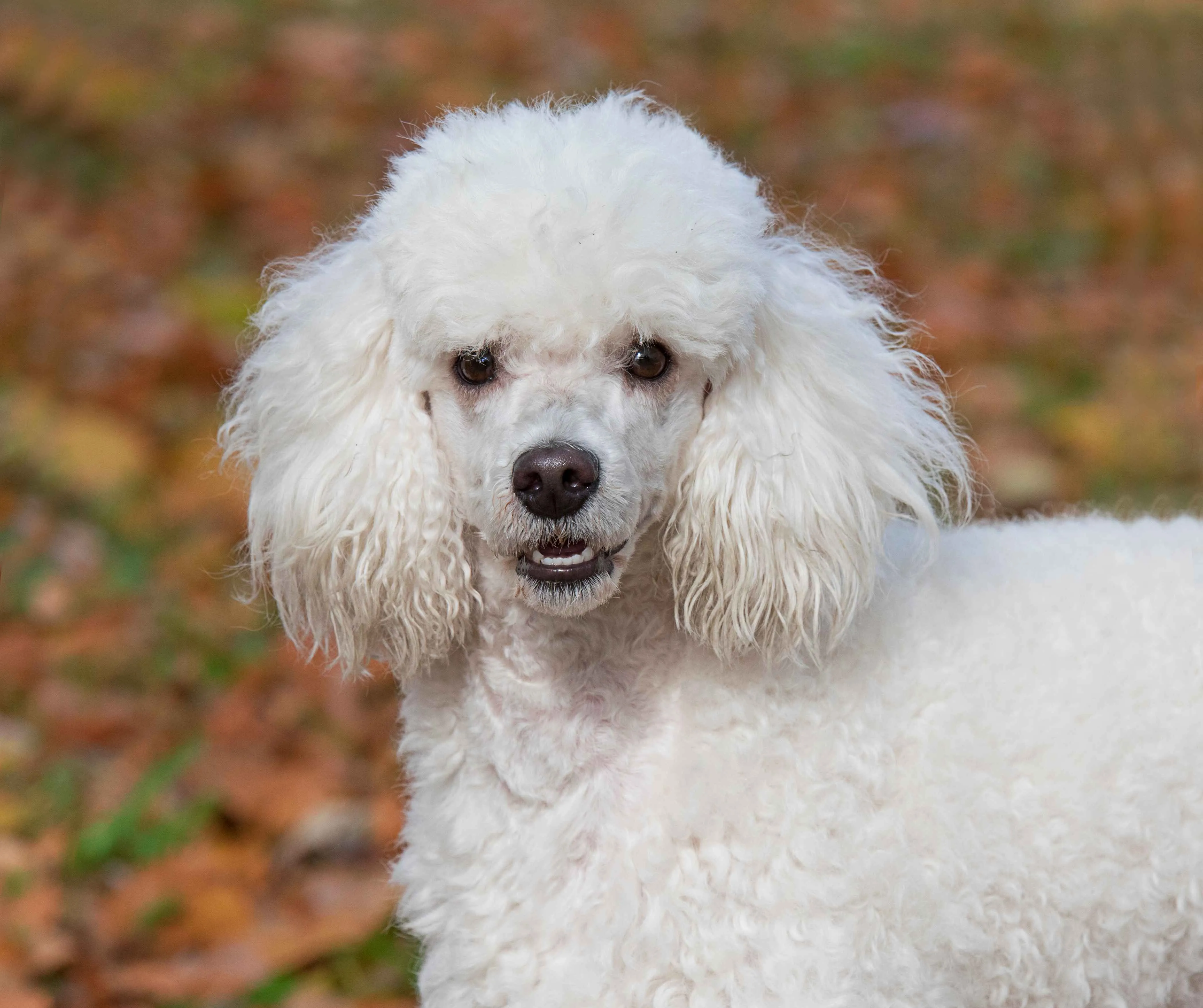
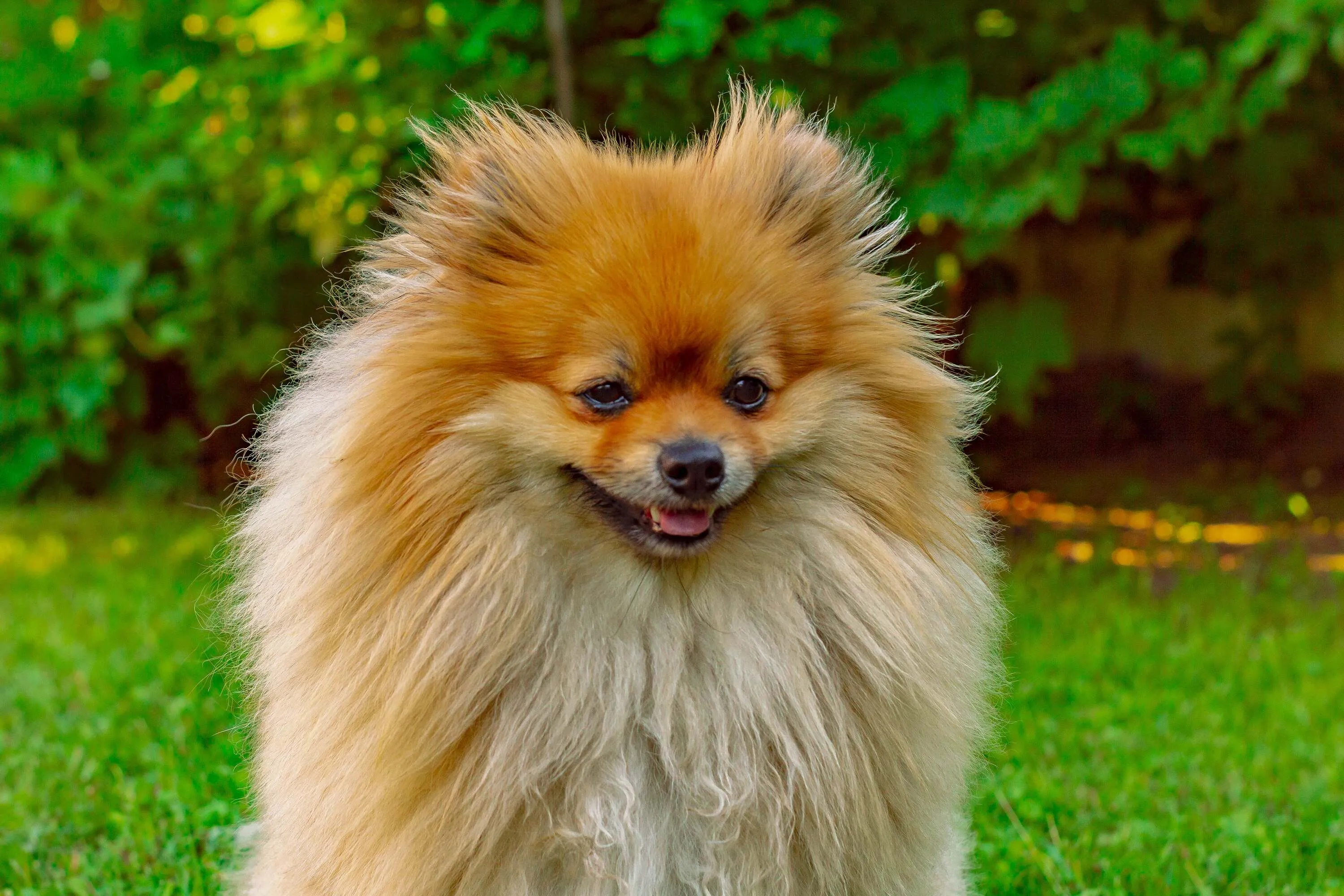
Whippet | Miniature Pinscher | Silken Windhound
Grooming
Avg Monthly Expenses
₹ 700 - ₹ 1,200
Shedding Level
Low Shedding
Hygienic Checklist
Bathing
Brushing
Ear Cleaning
Nail Trimming
Teeth Care
Eye Care
Benefits of Grooming
Cleanliness
Low Shedding
Odourless
Prevents Bad Breath
Prevents infections
Quality of life
Italian Greyhounds are tiny, elegant sprinters with short, smooth coats that are surprisingly low-maintenance. Unlike thick-coated or long-haired breeds, they don’t require hours of brushing—but India’s heat, dust, and humidity mean a little routine care goes a long way.
Brushing
Italian Greyhounds shed minimally. A quick weekly brush with a soft bristle or rubber grooming mitt is usually enough to keep their shiny coat in top condition. In dusty Indian cities like Delhi, Mumbai, or Pune, wiping them down with a damp cloth more frequently helps remove pollution and allergens. Pay attention to the belly and behind the legs—these areas can collect dust during playtime.
Bathing
These tiny dogs don’t need frequent baths—once a month is sufficient unless they get particularly dirty. In humid cities such as Chennai, Kolkata, or Kochi, you can use a mild, vet-approved dry shampoo between baths. Always ensure their skin is thoroughly dry after bathing or rain exposure, as their thin coat can trap moisture and lead to rashes or fungal issues.
Ears & Nails
Italian Greyhounds have small, high-set ears that rarely get infections, but India’s monsoon humidity can still cause irritation. Check weekly and wipe gently with a dog-safe ear cleaner if needed. Their nails don’t naturally wear down on smooth Indian floors (marble, tile, or laminate), so trim every 2–3 weeks to prevent slips and joint strain.
Teeth
Dental care is crucial for this tiny breed. Small mouths and crowded teeth can easily develop tartar. Brush 2–3 times a week with dog-safe toothpaste, and offer crunchy treats like carrots or cucumber slices. This is a practical and cost-effective alternative to imported dental chews in India.


Written by
Happy Pet TeamAuthor
Team Happy Pet is a passionate collective of pet experts, enthusiasts, and advocates dedicated to sharing trusted and insightful content.
Our cont
Frequently Asked Questions
Do Italian Greyhounds have a strong prey drive?
Yes, Italian Greyhounds have a natural instinct to chase small animals due to their sighthound heritage. It's important to keep them on a leash or in a securely fenced area when outdoors to prevent them from running off after small animals.
How do Italian Greyhounds fare in hot climates?
Italian Greyhounds are sensitive to extreme temperatures, including heat. It's essential to provide them with shade, plenty of water, and avoid exposing them to high temperatures for prolonged periods. Limiting outdoor activities during the hottest parts of the day is also recommended.
Do Italian Greyhounds require a lot of grooming?
Italian Greyhounds have short coats that require minimal grooming. Regular brushing with a soft-bristle brush helps to remove loose hair and keep their coat shiny. Additionally, occasional baths and nail trimming are necessary to maintain their overall hygiene.
Are they good with families?
Absolutely. Gentle, affectionate, and usually great with older children. Supervise play due to their fragile frame.
Can they handle India’s heat?
Not well. Walk in cooler hours, provide AC/fans, and keep water accessible at all times.