Home
/
Dog Breeds
/
Kai Ken
Kai Ken
Origin
Japan
Size
Medium Breed
Ideal Space
House with backyard
Ideal Weather
15º-25ºC
Life Expectancy
12-15 years
Cost of buying
₹ 50,000 - ₹ 1,00,000
Top 5 Traits
Athletic
Fearless
Intelligent
Loyal
Protective
Avg Monthly Expenses
₹ 3,550 - ₹ 5,400

by Happy Pet TeamUpdated on 16 May 2025
Meet the Kai Ken
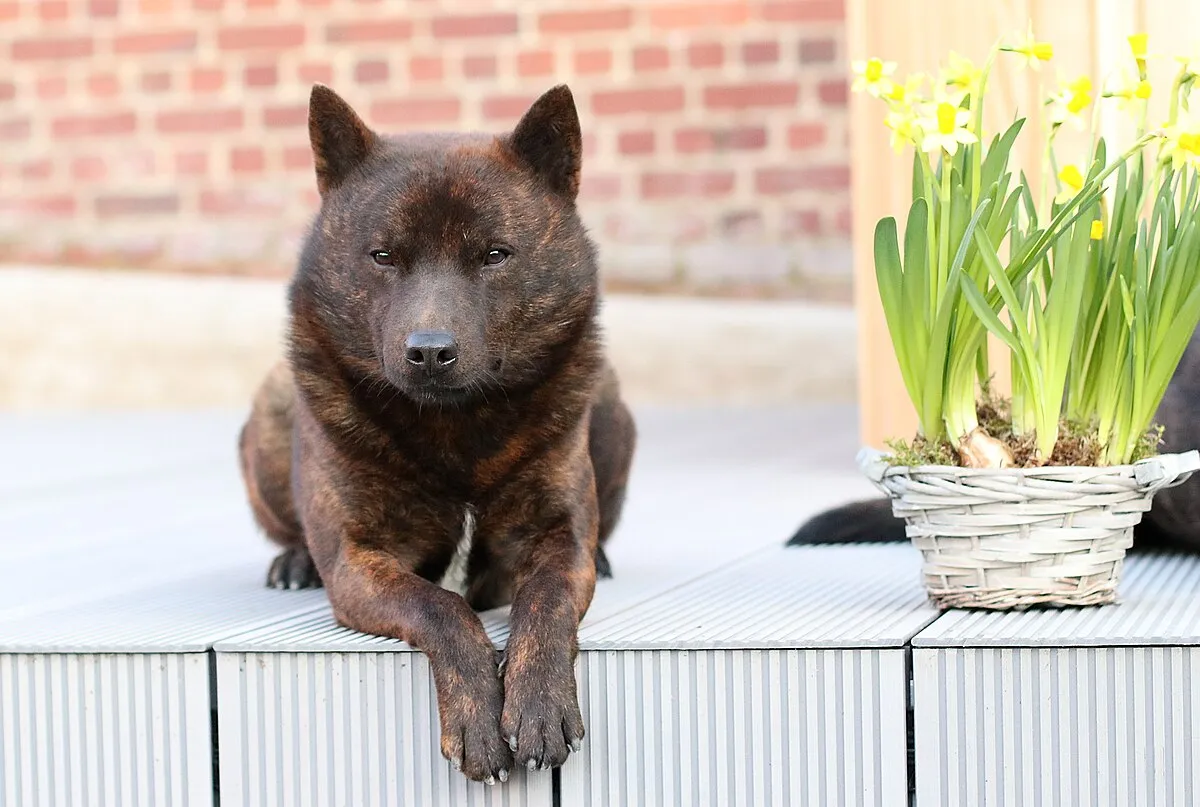
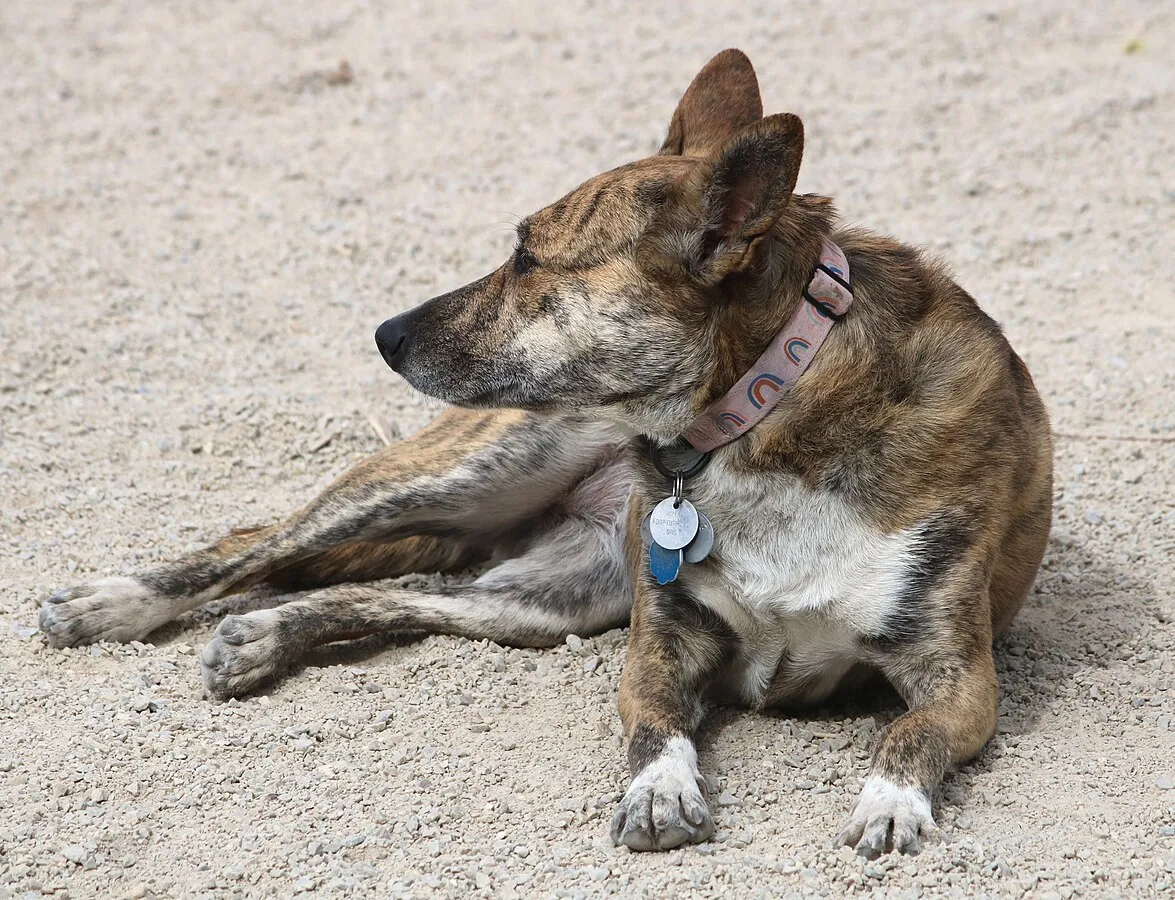
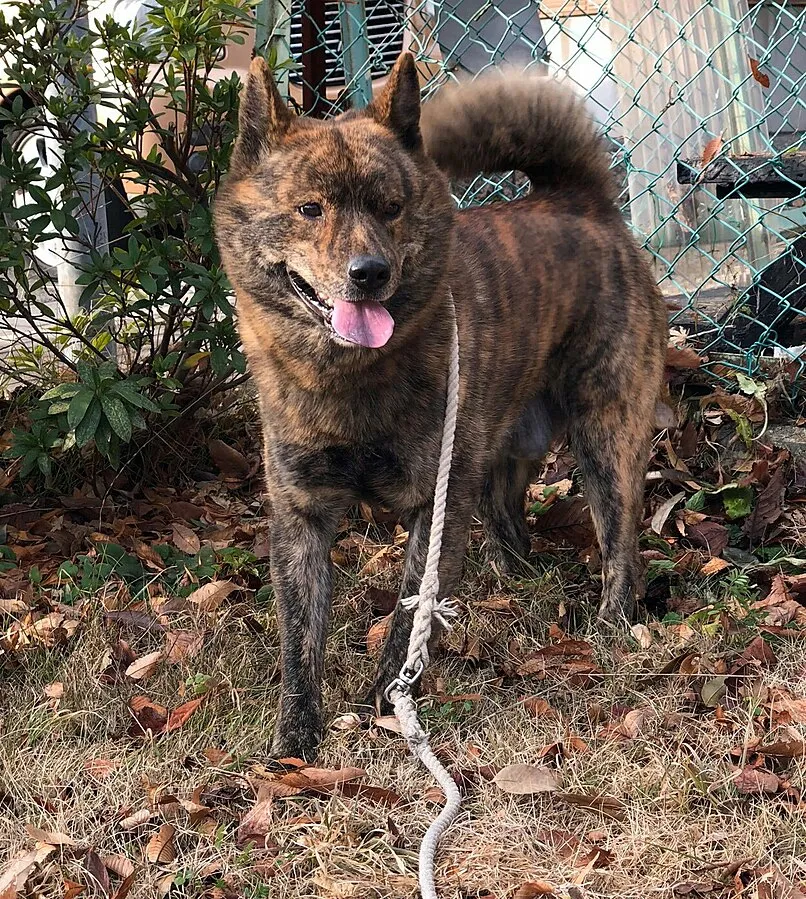
The Kai Ken (KK) is called a ‘Tiger Dog’. It is a rare, ancient breed from Japan with a brindle coat. The hunting breed is famous for its loyalty, intelligence, and agility. Today, they are considered a national treasure in Japan.
What is the Temperament of a Kai Ken like?
- The Kai Ken forms strong bonds with family members. It is naturally wary of strangers. This breed is perfect for watchdogs.
- Quick learners that respond well to positive reinforcement; early socialization is beneficial.
How To Care for a Kai Ken?
- Daily walks, play sessions, weekly hikes and agility training are a must for meeting their energy needs.
- Regular brushing, especially during shedding seasons, keeps their coat clean and healthy.
- A balanced diet appropriate for their size and activity level is a must.
- Regular veterinary check-ups to screen for common health issues cannot be missed.
Let’s dive into knowing more about this breed.
what is the Personality of a Kai Ken like?
The Kai Ken is intelligent and very loyal. They form strong bonds with their family but are reserved around strangers. They have to be socialized from an early age.
This breed is highly active and alert. However, they have an independent nature that might not be easy to please. Training KKs requires patience, consistency, and positive reinforcement. They are known to respond best to trust-based training methods.
What is the lifespan of a Kai Ken?
The Kai Ken has an average lifespan of 12 to 16 years, with some living even longer with proper care and an active lifestyle.
Traits and Characteristics of the Kai Ken
The Kai Ken is a highly-intelligent breed known for its strong instincts, loyalty, and athleticism. Below are some defining physical and behavioral traits based on breed standards and expert insights.
Physical Traits of the Kai Ken
- Height: 15–20 inches
- Weight: 20–40 pounds
- Coat: Medium-length double coat, weather-resistant, with a soft undercoat
Kai Kens are not for first-time dog owners. They work best with experienced dog owners who know how to work with their heritage, intelligence, energy levels, drive to hunt and guard, and need for structure.
Characteristics
Barking
Quiet
Loud
Temperament with Kids
Aggressive
Friendly
Playfulness
Silent
Very Playful
Friendliness
Not Friendly
Super Friendly
Compatibility with other dogs
Aggressive
Friendly
Need for attention
Independent
Very Needy
Monthly Expenses


Price of Kai Ken Puppies in India
Cost of buying
₹ 50,000 - ₹ 1,00,000
Kai Ken puppies are rare in India, and their price typically ranges from ₹50,000 to ₹1,00,000, depending on factors like breeder reputation, lineage, location, and whether the puppy is registered with kennel clubs such as the Kennel Club of India (KCI). Since this is a less common breed, prices may be higher due to limited availability.
Buying from Reputable Breeders
Choosing a responsible breeder ensures that your Kai Ken is healthy and well-socialized.
Research Thoroughly: Look for breeders with positive reviews, ethical breeding practices, and experience with the breed. Avoid backyard breeders who may not prioritize health.
Visit the Breeder: If possible, inspect the living conditions, meet the puppy’s parents, and check for signs of neglect or overbreeding. Be cautious of puppy mills that mass-produce dogs without regard for their health.
Ask for Documentation: Request health records, vaccination certificates, and KCI registration papers to confirm the puppy’s pedigree and medical history.
Adopting a Kai Ken in India
Adoption is a compassionate and often more cost-effective way to bring home a Kai Ken.
Check Shelters and Rescue Groups: Though Kai Kens are rare in Indian shelters, some rescue organizations or breed-specific groups may occasionally have them.
Adoption Fees: Expect a nominal adoption fee covering vaccinations, spaying/neutering, and basic healthcare—usually far less expensive than purchasing from a breeder.
Similar Breeds to Kai Ken
Prerequisites to pet a Kai Ken
Access to Groomer
Access to Veterinary
Lifestyle Compatibility
Financial Capability
Appropriate Climate
Before You Get Your New Kai Ken Home!
Before bringing home a Kai Ken, make sure you're ready.
Understand the Breed: Kai Kens are high-energy, intelligent, and independent, requiring dedicated training and socialization.
Prepare Your Home: Set up a comfortable space with a dog bed, bowls, high-quality food, and interactive toys to keep them mentally engaged. You might find some good options on Amazon.
Plan for Training and Socialization: Start obedience training early, as Kai Kens have a strong prey drive and can be aloof with strangers. Expose them to new environments, people, and animals from a young age to encourage balanced behavior.
By making an informed decision, you’ll set yourself and your future Kai Ken up for a happy, healthy life together!
Nutritional Care for Your Kai Ken
Monthly Food Expenses
₹ 2,250 - ₹ 3,000
Calories per day
Puppies: 1000 kcal
Adults: 900 kcal
Essential Nutrients
Protein
Fats
Carbohydrates
Vitamins
Minerals
List of foods
Chicken
Dry Dog Food
Fresh Meat
Fresh Fish
Vegetables
Keep your Kai Ken healthy, active, and resilient with the right nutrition. This intelligent and athletic breed requires a balanced diet to maintain energy levels, support muscle development, and promote overall well-being. Here’s what you need to know:
Protein:
Animal-based proteins like chicken, beef, fish, and eggs are a must for this active breed. A diet with at least 25–30% protein is ideal for adult Kai Kens. Puppies may need even more for proper development.
Fats:
Omega-3 and omega-6 fatty acids from sources like fish oil, flaxseed, and chicken fat are the best for KK. However, keep an eye on the fat intake of your Kai Ken as the lesser active ones can be prone to obesity.
Carbohydrates and Fiber:
Complex carbohydrates from brown rice, sweet potatoes, and vegetables helps a lot. They provide a steady energy release without blood sugar spikes. Dietary fiber from pumpkin, carrots, and oats helps in digestion. The best part? The dogs love to snack on those! In summer, blend all of these and make popsicles!
Vitamins and Minerals:
A well-balanced diet should include essential vitamins and minerals for bone strength, immune function, and overall vitality. Calcium and phosphorus are crucial for joint health, while antioxidants like vitamins C and E help combat inflammation and aging-related issues.
Hydration:
Fresh, clean water should be available at all times, especially after exercise or outdoor activities. Dehydration can lead to fatigue, overheating, and kidney issues.
Feeding Schedule:
Puppies (up to 6 months): 3–4 small meals daily should be good to support their growth and digestion.
Adults (1+ years): Twice-daily meals to maintain energy and prevent overeating. Maintain food times as the dogs do well with structure.
Senior Dogs (7+ years): Lighter portions, with added joint support supplements to promote longevity.
Before making any major dietary adjustments, consult a veterinarian or canine nutritionist to ensure your Kai Ken’s diet meets its requirements.
Breakdown of Macro-nutrients
What to feed A Kai Ken?
- Since Kai Kens have a naturally lean build, portion control and high-quality ingredients are a must.
- Animal-based proteins like chicken, turkey, fish, and beef provide essential amino acids to maintain muscle strength and stamina. A diet with at least 25–30% protein is needed.
- Brown rice, quinoa, and sweet potatoes provide steady energy without causing blood sugar spikes. Some dogs might be allergic to corn, wheat, or soy. Check with your vet before adding these to the diet
- Blueberries, carrots, pumpkin, and spinach reduce inflammation and help maintain joint health.
- Omega-3 and Omega-6 fatty acids from salmon oil, flaxseed, and chicken fat help maintain a glossy coat and healthy skin. This should make up to 10%–15% of their diet for optimal health.
- Pumpkin, apples, and oats are excellent fiber sources. Adding probiotics or fermented foods (like plain yogurt) helps maintain a healthy gut microbiome.
Foods to avoid for a Kai Ken?
Avoid anything with these ingredients
Alcohol
Avocados
Cherries
Cinnamon
Coffee / Tea
Dairy
Fruit seeds
Grapes
Lemon
Milk Products
Mushrooms
Onions
Salt
Sugar
Onions, garlic, grapes, raisins, chocolate, and high-fat foods should never be given. Kai Kens can be sensitive to excessive fat intake, which may lead to digestive distress or pancreatic issues.


Health
Avg Monthly Expenses
₹ 600 - ₹ 1,200
Common Health Issues
Canine distemper
Canine Influenza
Heartworm
Hip Dysplasia
Panosteitis
Parasites
Leptospirosis
Bloat
Well being
Exercise
Bonding
Games
Socialization
Agility Training
Energy Level
High
Exercise routine
60 - 90 minutes
Recognising Stress
Changes in appetite
Excessive Barking
Pacing
Excessive Panting
Reluctance to move
Increased laziness
Common Health Issues in Kai Kens
Like all dogs, the Kai Ken have certain genetic predispositions to specific health issues. Let’s find out about a few:
- Hip Dysplasia: While not as common as in larger breeds, hip dysplasia can still affect Kai Kens, leading to joint pain, stiffness, and reduced mobility. Keep your dog at a healthy weight to reduce strain on the joints. Provide joint supplements and maintain a balance of low-impact exercise (like swimming or controlled walks) to keep joints strong without overexertion.
- Allergies & Skin Sensitivities: Kai Kens have a dense double coat. Itchiness, redness, and hot spots can be caused by food sensitivities and environmental triggers like pollen or dust mites. Bathe your Kai Ken with a mild, hypoallergenic shampoo to remove allergens and prevent buildup.
- Eye Conditions: Progressive retinal atrophy (PRA) or cataracts can gradually impair a KK’s vision. Look for signs like cloudy eyes, night blindness, or increased clumsiness. Keep in touch with your vet regularly.
- Dental Issues: Kai Kens can develop plaque buildup and gum disease. Brushing their teeth at least 3 times a week with a dog-safe toothpaste and providing dental chews and hard kibble helps reduce plaque buildup
Regular vet check-ups, a well-balanced diet, proper grooming, and daily exercise are essential to keeping your Kai Ken in peak condition. By staying informed about potential health risks, you can take early action and provide the best care for your loyal companion.
Vaccination details
Growth Stage
Core Vaccines
6-8 Weeks
Distemper, Parvovirus
10-12 Weeks
DHPP (Distemper, Hepatitis, Parainfluenza, Parvovirus)
14-16 Weeks
DHPP, Rabies
Annually
DHPP, Rabies
Senior Dog Care for Kai Ken Breed
Watching your Kai Ken age can be an emotional experience, but small adjustments can make their later years comfortable.
Older Kai Kens may be more prone to weight gain and metabolic issues. A high-protein, low-fat diet helps maintain muscle while preventing unnecessary fat accumulation.
Below are a few pointers that might help.
- Gentle, Daily Activity – Low-impact exercise like short walks, light hikes, or controlled play sessions
- Paw & Nail Care – Senior dogs may struggle with lack of grip on smooth floors. Keep their nails trimmed and consider non-slip rugs or paw grips.
- Interactive Toys – Puzzle feeders and treat-dispensing toys encourage cognitive function and prevent boredom.
- Training Refreshers – Short, fun training sessions (even just 5-10 minutes a day) using positive reinforcement can keep them engaged and responsive.
- Orthopedic Bedding – A memory foam or orthopedic bed relieves pressure on aging joints and provides better sleep quality.
- Temperature Regulation – Senior dogs are more sensitive to extreme heat or cold. Keep their sleeping area warm in winter and cool in summer to prevent discomfort.
Senior dogs should visit the vet every 6 months. Watching out for increased lethargy, changes in appetite, excessive thirst, or difficulty moving could indicate an underlying health issue.
How to Groom a Kai Ken?
Avg Monthly Expenses
₹ 700 - ₹ 1,200
Shedding Level
Moderate Shedding
Hygienic Checklist
Brushing
Bathing
Ear Cleaning
Nail Trimming
Eye Care
Teeth Care
Benefits of Grooming
Cleanliness
Low Shedding
Odourless
Prevents infections
Quality of life
Prevents Bad Breath
Kai Kens have a dense double coat that helps protect them from harsh weather conditions. Kai Kens shed naturally and need a solid grooming routine to maintain a healthy, clean coat.
Brush your Kai Ken at least twice a week to remove loose fur and prevent mats, especially during shedding seasons (March to May & September to November)
Bathing once every 2-3 months is enough unless they get particularly dirty.


Written by
Happy Pet TeamAuthor
Team Happy Pet is a passionate collective of pet experts, enthusiasts, and advocates dedicated to sharing trusted and insightful content.
Our cont
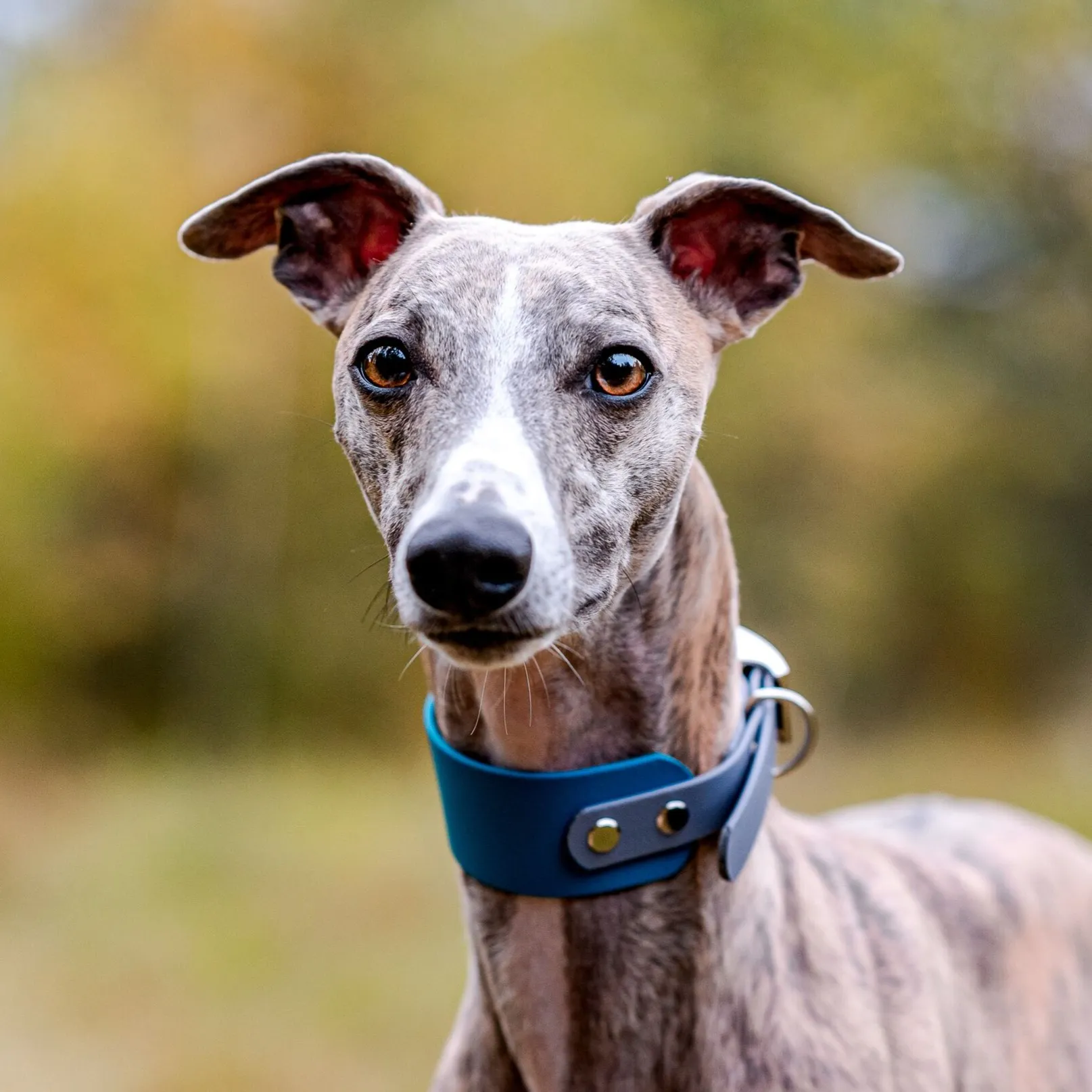
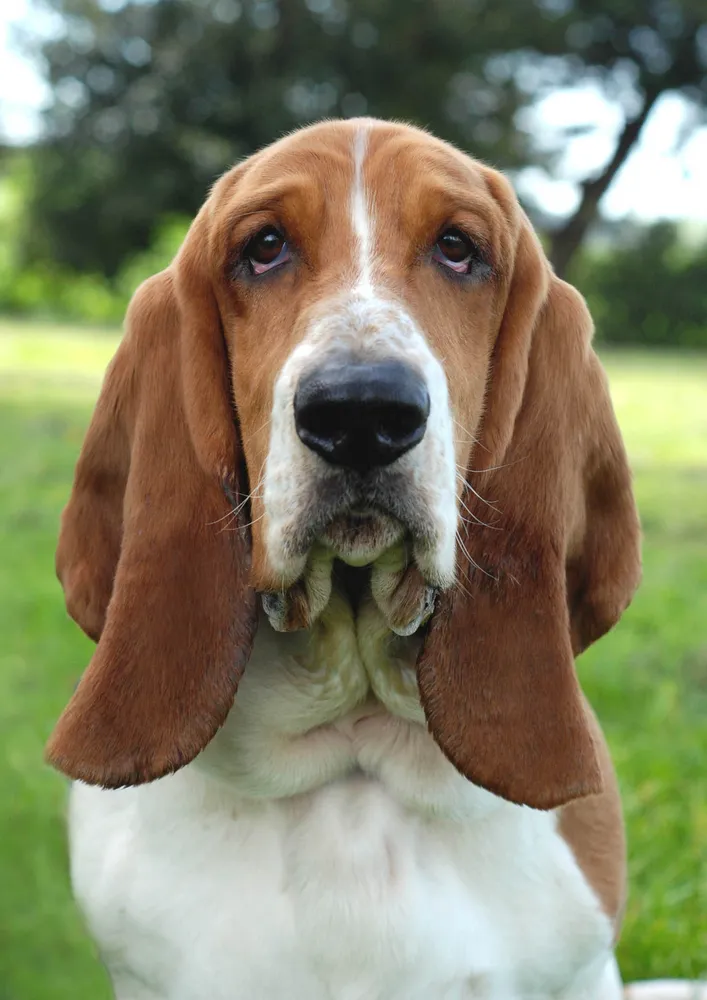
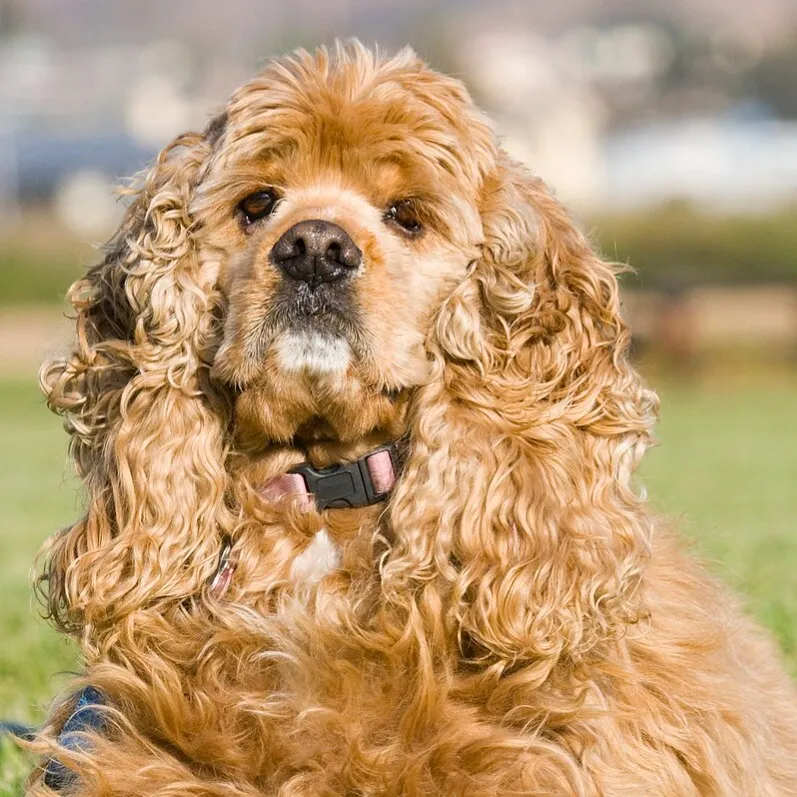
Compare with similar breeds

Frequently Asked Questions
Do Kai Kens require special training?
Kai Kens are intelligent but can be independent and strong-willed. Consistent, positive reinforcement training from a young age is important to channel their energy and intelligence effectively.
Are Kai Kens prone to any specific health problems?
While Kai Kens are generally healthy dogs, they may be prone to hip dysplasia and bloat, common in medium to large breeds. Regular veterinary check-ups, proper nutrition, and maintaining a healthy weight can help mitigate these risks.
Are Kai Kens good with children?
Yes, Kai Kens are generally good with children, being loyal and protective. However, early socialization and proper training are important.