Home
/
Dog Breeds
/
Kerry Blue Terrier
Kerry Blue Terrier
Origin
Ireland
Size
Medium Breed
Ideal Space
House with backyard
Ideal Weather
10º-25ºC
Life Expectancy
12-15 years
Cost of buying
₹ 40,000 - ₹ 80,000
Top 5 Traits
Intelligent
Energetic
Loyal
Playful
Protective
Avg Monthly Expenses
₹ 4,650 - ₹ 6,600


by Happy Pet TeamUpdated on 5 Jul 2025
Introduction to the Kerry Blue Terrier
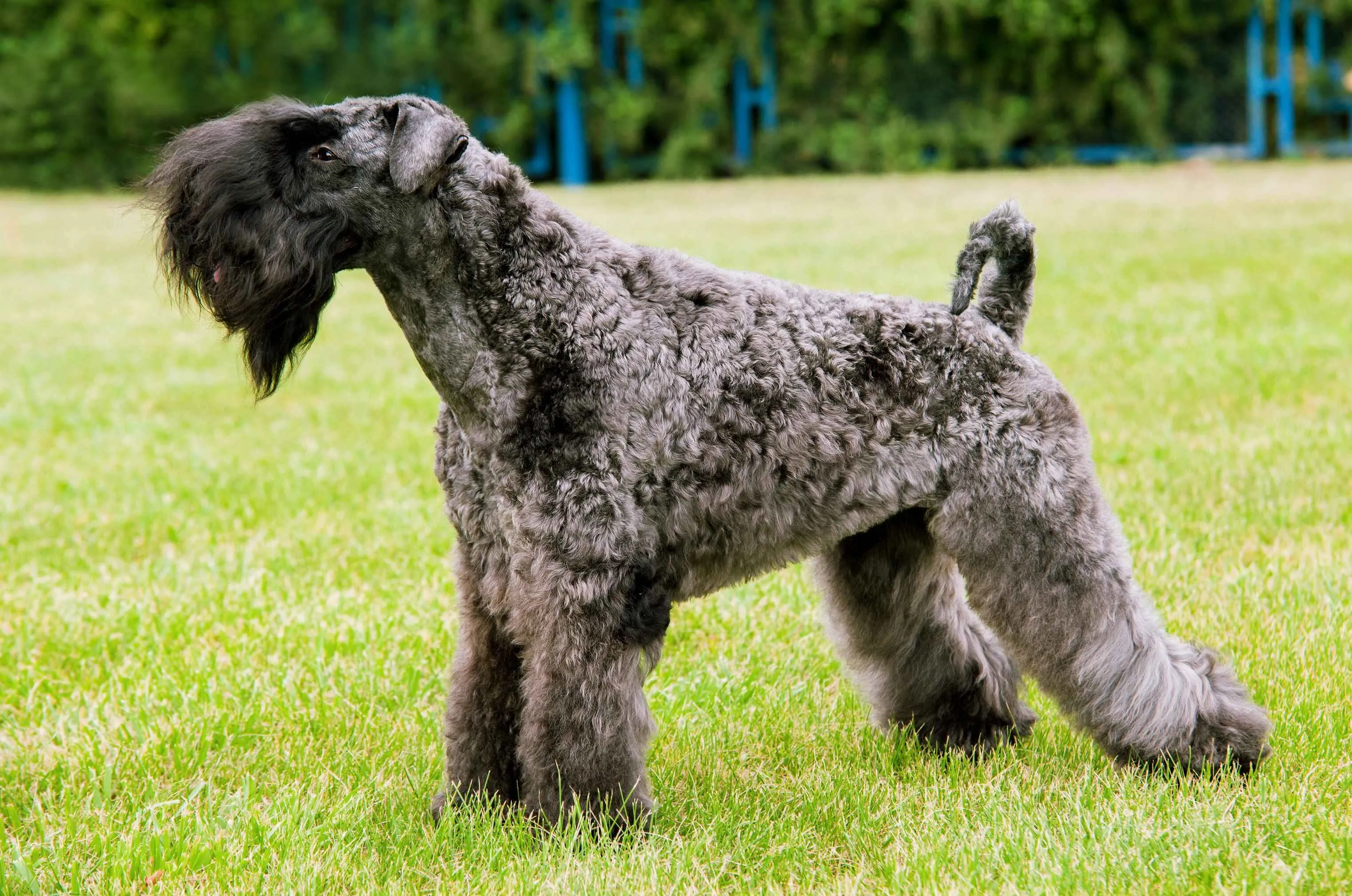
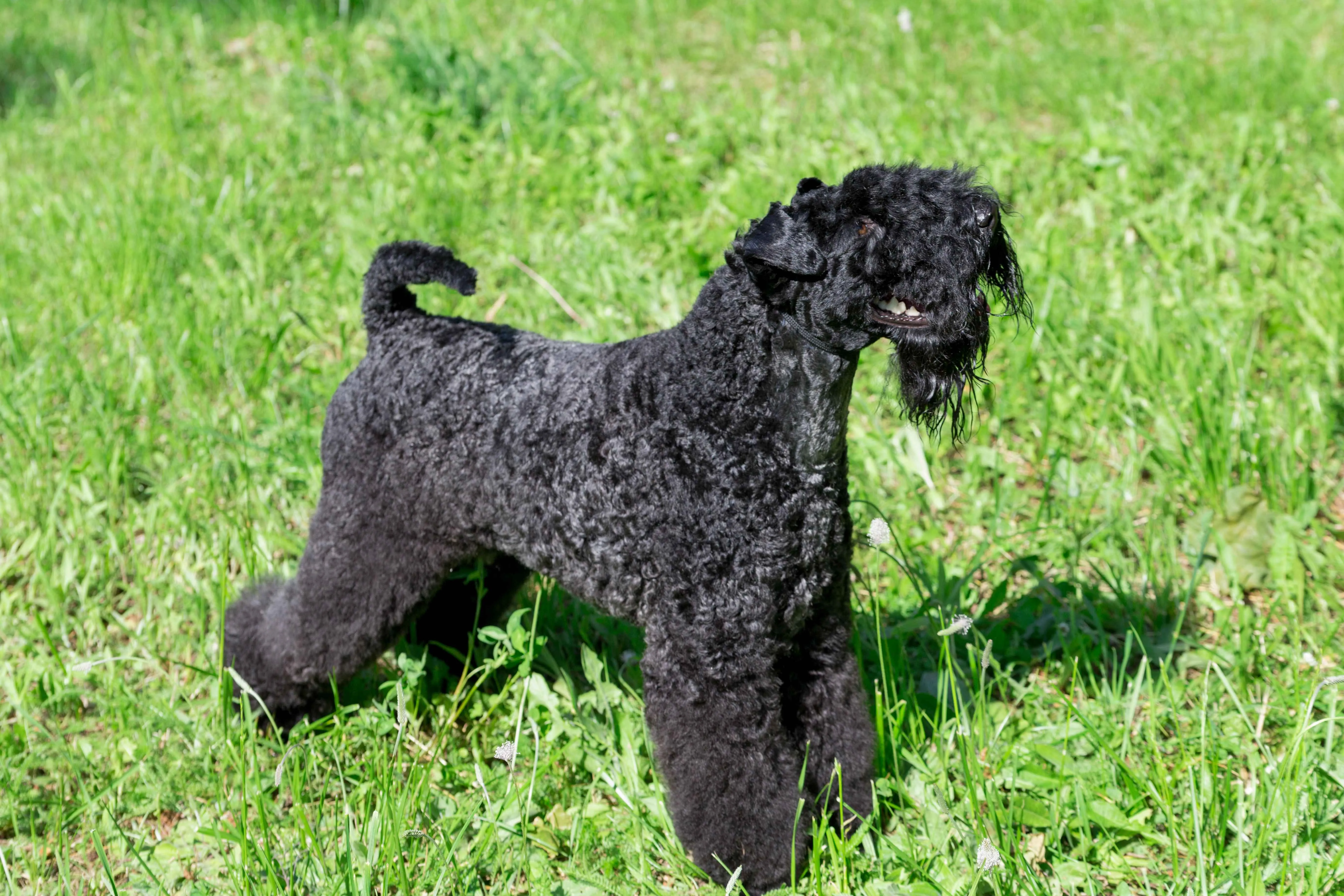
Kerry Blue Terrier, referred to as the national dog of Ireland, originated in County Kerry in the southwest of Ireland. The true origin of the breed is mostly a matter of folklore, but it is assumed that a blue-coated dog, which swam ashore on a Spanish ship wrecked off the coast, started to mate with local terriers to produce this incredible breed.
The Kerry Blue was bred as a multi-purpose farm dog and was used to hunt vermin, protect property, drive livestock and to retrieve waterfowl. The Kennel Club (UK) and the American Kennel Club acknowledged it in 1922.
How Long Do Kerry Blue Terriers Live?
The Kerry Blue Terriers can live up to 12-15 years when well cared for and in some cases up to 18 years.
Kerry Blue Terrier Temperament and Personality
Kerry Blues are:
- Intelligent and eager to learn
- Affectionate with family
- Alert and courageous
- Independent and strong-willed
- Reserved with strangers
They are faithful friends, though young training and socialisation are also a necessity in order to deal with their protective nature and dog-on-dog aggression
Kerry Blue Terrier Exercise Needs
This is a high-energy breed that needs 60–90 minutes of exercise daily:
- Morning walk or jog (20–30 min)
- Midday mental games or short fetch (15–20 min)
- Evening play session or hike (30–45 min)
They love swimming, agility, obedience, and structured play. Without stimulation, they may develop behaviour issues.
Characteristics
Barking
Quiet
Loud
Temperament with Kids
Aggressive
Friendly
Playfulness
Silent
Very Playful
Friendliness
Not Friendly
Super Friendly
Compatibility with other dogs
Aggressive
Friendly
Need for attention
Independent
Very Needy
Monthly Expenses


Kerry Blue Terrier’s Price Guide
Cost of buying
₹ 40,000 - ₹ 80,000
The Kerry Blue Terrier price in India can be anywhere from Rs. 40,000 to Rs. 80,000.
Similar Breeds to the Kerry Blue Terrier
Prerequisites to pet a Kerry Blue Terrier
Access to Groomer
Access to Veterinary
Appropriate Climate
Space and Environment
Willingness to train
Time and Effort
Shop or Adopt a Kerry Blue Terrier: Make the Right Choice!
Adopting a Kerry Blue Terrier gives a deserving dog a home, and responsible shopping ensures ethical breeding. Pick based on your capacity to fulfil their high-strength lifestyle, brainpower, and training requirements.
Best Practices for Shopping or Adopting a Kerry Blue Terrier
- Find reputable breeders or adoption centres.
- Get health screened for hip dysplasia and heart problems.
- Look at the dog’s temperament and levels of energy.
- Inquire about vaccination, deworming, and medical records.
- Make ample space for exercise and play.
- Start obedience training early to manage their strong will.
- Prevent behavioural issues by socializing them well.
- Invest in long-term care commitment and regular vet checkups.
Nutrition Care for the Kerry Blue Terrier
Monthly Food Expenses
₹ 2,250 - ₹ 3,000
Calories per day
Puppies: 1400 kcal
Adults: 1100 kcal
Essential Nutrients
Protein
Fats
Carbohydrates
Vitamins
Minerals
List of foods
Chicken
Dry Dog Food
Fresh Meat
Fresh Fish
Vegetables
Home made meals
- Kerry Blue Terriers require high quality protein to keep their lean muscles and endurance.
- Healthy fats give energy and keep their coat glossy.
- Sweet potatoes & brown rice provide essential carbohydrates for sustained activity.
- Vitamins and minerals improve immunity and help support joint health.
- Dietary adjustments are needed in puppies, adults and seniors to ensure optimal health.
- Avoid low quality food as it can lead to deficiencies and contribute to digestive issues.
- Complete nutrition comes from a balanced diet of dry food, fresh meats and vegetables.
Feeding Guidelines for Kerry Blue Terriers
Puppies (2–12 Months): Feed 3–4 small meals per day. Puppy-specific food should be chosen that is rich in protein and fat. Adjust the portions as they grow (approx. 1½–2½ cups daily).
Adults (1–7 Years): Feed 1⅔ to 2⅓ cups per day. After 12 months, usually one meal a day suffices.
Seniors (7+ Years): Retain normal portion size on senior-formulated food. Seek extra supplements for joint support. Reduce the food ratio according to decreased activity
Note: These are general guidelines. Consult a veterinarian to determine the specific dietary needs of your dog.
Breakdown of Macro-nutrients
Best Foods for Kerry Blue Terriers
Look for high-quality dog food with:
- Keep real meat as the first ingredient. This will help provide high-quality protein for strength and support overall health.
- Omega-3 fatty acids (as a coat and joint supplement). Helps to maintain skin and minimises inflammation.
- If your dog is prone to allergies, pick up limited-ingredient food. This helps avoid common triggers like grains or artificial additives.
- Chondroitin and glucosamine. Encourage good flexibility and relieve stiffness.
- No artificial additives or colouring. Makes their food clean and more digestible.
High-end brands specialising in raw, minimally processed foods will do.
Foods to Avoid for Kerry Blue Terriers
Avoid anything with these ingredients
Alcohol
Almonds
Avocados
Cinnamon
Cherries
Garlic
Grapes
Lemon
Onions
- Avoid Grapes & raisins at all costs, as they can cause sudden kidney failure in dogs.
- Don’t let chocolate anywhere near your dog as it contains theobromine, which is highly toxic to dogs.
- Prevent Xylitol (found in sugar-free gum). It can dramatically drop blood sugar levels and might damage the liver.
- Avoid Onions & garlic in your dog's diet. This might damage the red blood cells and can cause anaemia.
- Keep Alcohol miles away from your dog. Even a tiny amount can be extremely fatal to pets.


Healthcare for the Kerry Blue Terrier
Avg Monthly Expenses
₹ 1,200 - ₹ 1,800
Common Health Issues
Hip Dysplasia
Bloat
Heartworm
Kennel Cough
Lyme disease
Parasites
Well being
Exercise
Agility Training
Bonding
Games
Socialization
Energy Level
High
Exercise routine
45 - 60 minutes
Recognising Stress
Changes in appetite
Excessive Barking
Pacing
Excessive Panting
Reluctance to move
Increased laziness
Common Health Problems of Kerry Blue Terriers
- Cerebellar Abiotrophy (CA): A hereditary neurological issue that affects coordination in young puppies. It cannot be cured, though supportive care can be used to manage the symptoms.
- Degenerative Myelopathy (DM): A disease of the spinal cord which affects old dogs, producing progressive paralysis. Mobility can be maintained by regular physical therapy and vet checkups.
- Hip Dysplasia: Weak hip development resulting in arthritis. Discomfort can also be relieved by weight control and joint supplements.
- Dry Eye (Keratoconjunctivitis Sicca): Less tear production leads to inflammation. Requires lifelong eye drops or medications prescribed by the vet.
- Entropion: The eyelids invert, making the eye sore. Tends to be fixed by a small surgery.
General Healthcare Tips for Kerry Blue Terrier
- See the vet every six months to check for things like joint pain or diabetes. Health issues can be caught before they get serious through regular checkups.
- Prevent stress on bones or internal organs by maintaining a healthy weight. Weight management is done through portion control and everyday exercise.
- Brush their teeth frequently to prevent plaque and gum disease. Dental hygiene also helps reduce the risk of infections affecting the heart or the kidneys.
- Follow your vet’s advice for vaccinations and deworming. It keeps your dog from getting life-threatening illnesses and parasites.
- Look for symptoms like eye cloudiness, limping or unusual thirst and receive treatment sooner. Small changes can lead to huge improvements over time if we pay attention to them.
Vaccination details
Growth Stage
Core Vaccines
6-8 Weeks
Canine Distemper, Parvovirus, Canine Hepatitis
10-12 Weeks
Canine Distemper, Parvovirus, Canine Hepatitis, Leptospirosis
14-16 Weeks
Canine Distemper, Parvovirus, Canine Hepatitis, Rabies
Annually
Canine Distemper, Parvovirus, Rabies, Leptospirosis, Bordetella (if needed)
Senior Kerry Blue Terrier Care
Aging Kerry Blues need:
- Glucosamine and omega-3 foods are specifically designed for seniors. Boosts joint health and maintains inflammation at low levels.
- Soft bedding for arthritic joints. Alleviates discomfort and takes pressure off the aching limbs.
- Prevention of stiffness by gentle yet frequent exercise. Aids with moving around without overworking.
- Mental stimulation (puzzle toys, easy training). Keeps their mind active and avoids mental lapses.
- Vet visits every 6 months for early detection of issues. Allows prompt treatment of age-related conditions.
Important Note: This information is for general guidance only. Always consult a qualified veterinarian for personalized advice.
Kerry Blue Terrier Grooming Routine
Avg Monthly Expenses
₹ 1,200 - ₹ 1,800
Shedding Level
Low Shedding
Hygienic Checklist
Bathing
Brushing
Ear Cleaning
Eye Care
Nail Trimming
Teeth Care
Benefits of Grooming
Low Shedding
Odourless
Prevents Bad Breath
Quality of life
Prevents infections
Cleanliness
- Brush 2–3 times a week with a slicker brush
- Clean their ears weekly
- Trim nails every 3–4 weeks
- Brush teeth 2–3 times per week


Written by
Happy Pet TeamAuthor
Team Happy Pet is a passionate collective of pet experts, enthusiasts, and advocates dedicated to sharing trusted and insightful content.
Our cont
Compare with similar breeds


Frequently Asked Questions
Do Kerry Blue Terriers shed?
No, they are a non-shedding breed, but their coat grows continuously and requires regular trimming.
Are Kerry Blue Terriers good with children?
Yes, they are loyal and playful with respectful children. Early socialization helps a lot.
Are they hypoallergenic?
Yes. They are often considered hypoallergenic due to their non-shedding coat.
Do they get along with other dogs?
Sometimes. They may show same-sex aggression if not socialized early. Supervision is recommended.