Home
/
Dog Breeds
/
Kishu Ken
Kishu Ken
Origin
Japan
Size
Medium Breed
Ideal Space
House with backyard
Ideal Weather
10º-25ºC
Life Expectancy
12-15 years
Cost of buying
₹ 50,000 - ₹ 1,50,000
Top 5 Traits
Athletic
Fearless
Intelligent
Loyal
Protective
Avg Monthly Expenses
₹ 3,550 - ₹ 5,400

by Happy Pet TeamUpdated on 16 May 2025
Overview of the Kishu Ken breed
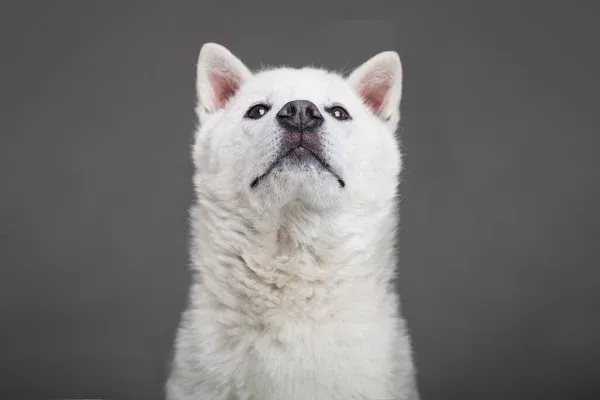
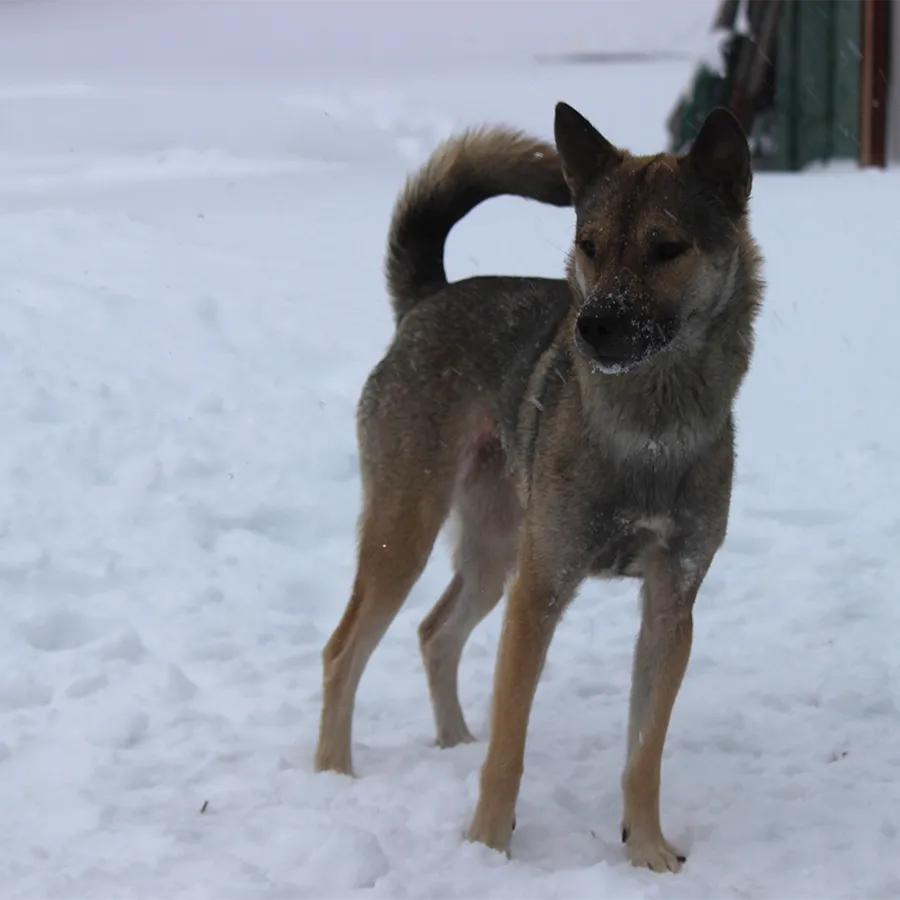
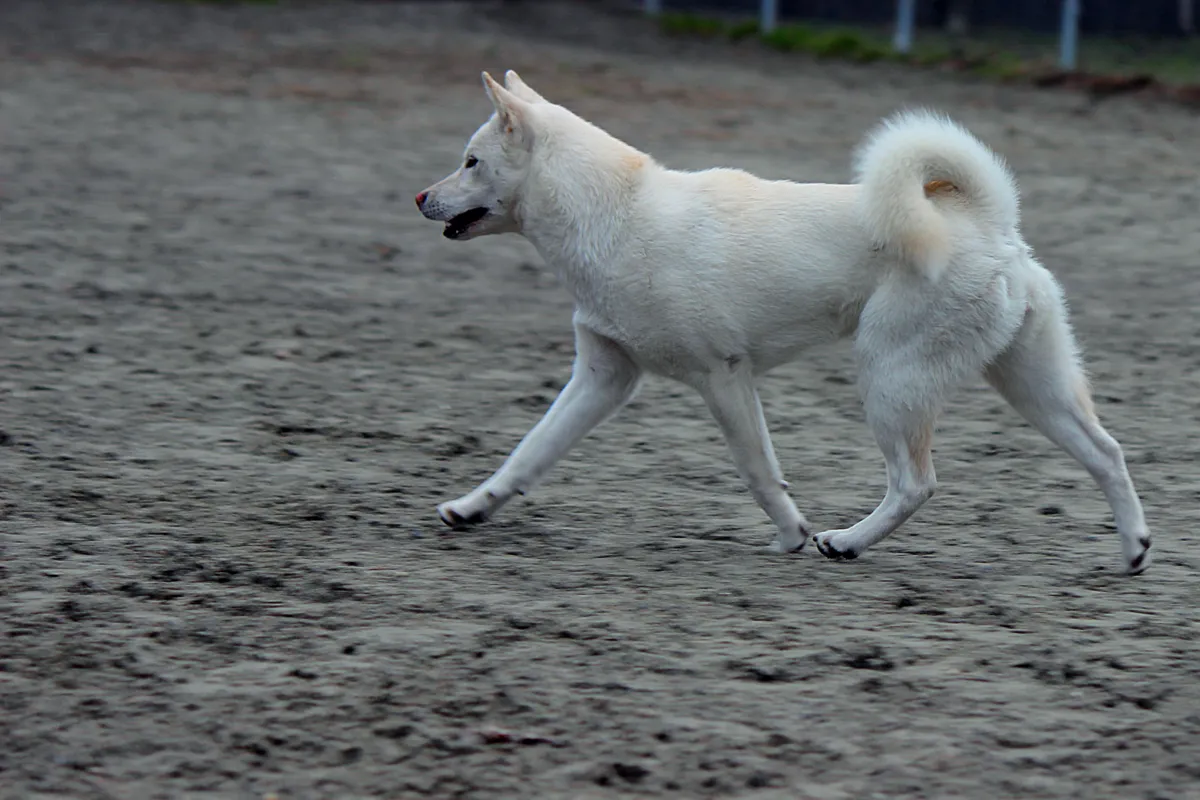
The Kishu Ken is a rare dog breed in Japan that was very much valued for its athletic structure, loyalty, and amazing hunting instincts.
Medium-sized, the Kishu Ken is a spitz-type breed with a strong, muscular build, alert stature, and dignified expression. Originally bred to hunt boar and deer in Japan, this breed has a strong, loyal, and courageous personality that can also be quite intelligent.
With keen senses, a strong prey drive, and an independent mindset, the Kishu Ken is a great guard dog and a loyal companion for experienced and active pet parents.
Origin & History of Kishu Ken Dog
The Kishu Ken, a breed that descends from ancient hunting dogs developed in Japan’s remote Kishu province. It has a long heritage of accomplishment and natural abilities that have made it a national treasure in Japan.
Characteristics
Barking
Quiet
Loud
Temperament with Kids
Aggressive
Friendly
Playfulness
Silent
Very Playful
Friendliness
Not Friendly
Super Friendly
Compatibility with other dogs
Aggressive
Friendly
Need for attention
Independent
Very Needy
Monthly Expenses


Adopt or Shop A Kishu Ken Dog
Cost of buying
₹ 50,000 - ₹ 1,50,000
There are two main options available to you when it comes to bringing a Kishu Ken into your family; adoption or purchasing from a reputable breeder.
Shopping the Breed
If you do go for a Kishu Ken, make sure that you're working with an experienced breeder. If the breeder is responsible, they will include extensive health records, pedigree information, and documentation of appropriate socialization.
Expect to pay around ₹50,000 to ₹1,50,000 for a Kishu Ken from a good breeder, based on the lineage of the family tree, showing potential and breeder repute.
Always visit the breeder, see the conditions in which the dogs are raised, and ask lots of questions to make sure you’re making an informed decision.
Adopting the Breed
However, adopting a Kishu Ken from a rescue organization or shelter can be a great and rewarding decision. If you do manage to find Kishu Kens to rescue, keep in mind that their rarity outside of Japan makes them difficult to find homes for.
Adoption fees usually come with initial veterinary care, vaccinations, and spaying/neutering included, making this a cost-friendly choice.
Search breed-specific rescues and animal shelters near you and see if a Kishu Ken is available for adoption.
Prerequisites to pet a Kishu Ken
Access to Groomer
Access to Veterinary
Appropriate Climate
Space and Environment
Time and Effort
Willingness to train
Are you ready to bring a Kishu Ken home?
While Kishu Ken takes time, devotion, and an active lifestyle, the rewards are limitless—a loyal companion who is smart and protective and will add hours to your life.
If you are willing to provide the space, exercise, appropriate nutrition, and regular training needed, the Kishu Ken may be the right addition to your family.
Come discover the joy, and find the mutual soul of Kishu Ken.
Nutrition Guide for the Kishu Ken
Monthly Food Expenses
₹ 2,250 - ₹ 3,000
Calories per day
Puppies: 1200 kcal
Adults: 1500 kcal
Essential Nutrients
Protein
Carbohydrates
Fats
Fibre
Minerals
Vitamins
List of foods
Dry Dog Food
Chicken
Fresh Meat
Fresh Fish
Vegetables
Home made meals
Kishu Kens are friendly, active, and athletic dogs. The Kishu Ken is a medium-sized Japanese hunting dog that thrives on a balanced, protein-rich diet. Nutrition needs to focus on good proteins, good fats, vitamins, and minerals. This keeps their muscles stimulated and coats lustrous, indicative of their good health. On average, an adult Kishu Ken needs between 700 to 1,200 calories a dayl. Puppies and highly active adults may require up to 1,400 calories, while senior dogs usually need fewer — around 700 to 900.
Note: These are general guidelines. Consult a veterinarian to determine the specific dietary needs of your dog.
Breakdown of Macro-nutrients
Choose the right food for your Kishu Ken
A Kishu Ken needs the right food to complement its lifestyle. Choose a high-quality dry dog food with a premium protein source (chicken, lamb, fish, etc.) as the first ingredient. Ideally, the food meets AAFCO standards, has few fillers such as corn or soy, and strikes a balance between carbohydrates and fats.
- Protein: Provides necessary muscle repair and energy; protein from lean meats helps keep them athletic.
- Fats: Good fats, like omega fatty acids, promote skin and coat health and deliver a dense source of energy.
- Carbohydrates & Fiber: Provide sustained energy from whole grains, fruits, and vegetables; keep you regular.
In this way, occasionally fresh, home-cooked meals and raw food toppers can add variety while keeping your Kishu Ken on a nutrient-dense diet designed for its high-energy needs.
These Foods can be toxic for your Kishu Ken
Avoid anything with these ingredients
Almonds
Avocados
Alcohol
Cinnamon
Garlic
Grapes
Lemon
Mushrooms
Onions
When feeding a Kishu Ken, do not provide food that can result in toxic or digestive problems. Here are some important ingredients to avoid:
- Chocolate: It contains theobromine, which is toxic to dogs.
- Raisins and Grapes: Even small amounts can damage the kidneys.
- Onions and Garlic: Red blood cells are damaged, and/or anaemia occurs.
- Avocados: May be toxic to dogs due to persin.
- Alcohol and Caffeine Even low doses can be lethal.
- Cheap Fillers (Corn, Soy): They offer little nutritional value, which can lead to weight gain and digestive issues.
Keep your Kishu Ken healthy and full of energy by closely avoiding these foods.


Health Guide for Kishu Ken Breed
Avg Monthly Expenses
₹ 600 - ₹ 1,200
Common Health Issues
Parvovirus
Canine distemper
Rabies
Heartworm
Lyme disease
Parasites
Bloat
Kennel Cough
Well being
Exercise
Agility Training
Bonding
Games
Socialization
Hiking
Energy Level
High
Exercise routine
60 - 90 minutes
Recognising Stress
Changes in appetite
Excessive Barking
Pacing
Reluctance to move
Excessive Panting
Increased laziness
Common Health issues found in Kishu Ken Dog
If that means keeping your Kishu Ken healthy with regular veterinary check-ups, a balanced, high-protein diet, plenty of daily exercises, an up-to-date vaccination program, keeping a check on your dog's weight, and tending to any signs of discomfort as soon as you notice them.
Common Health issues found in Kishu Ken Dog
The Kishu Ken is a relatively healthy breed, but potential owners should be aware of a few health issues:
- Hip Dysplasia: A joint problem in which the hip socket fails to develop as it should, causing pain and arthritis later in life.
- Entropion: A hereditary eye formation defect in which the eyelid rolls inward and usually requires surgical reconstruction.
- Thyroid Deficiency: This is an issue that comes mostly from autoimmune issues, and it can manifest with symptoms such as an increase in weight, lethargy, and even skin issues.
- Allergies: Skin irritations (atopy, outdoors of farm) or ear infections are variable; they usually require diet changes or medications.
- Autoimmune Conditions: This led some patients to experience skin conditions or other problems that need to be managed for a lifetime.
- Regular vet visits — and taking your Kishu Ken in for proactive health screenings (like eye exams and hip assessments) — can help catch these issues early on, and keep your Kishu Ken in good health.
Vaccination details
Growth Stage
Core Vaccines
6-8 Weeks
Distemper, Parvovirus
10-12 Weeks
Distemper, Parvovirus, Leptospirosis, Hepatitis (Adenovirus)
14-16 Weeks
Distemper, Parvovirus, Rabies, Leptospirosis
12-16 Months
Booster for Distemper, Parvovirus, Rabies
Anually
Rabies, Leptospirosis (as per vet’s recommendation)
Guide to care for your senior Kishu Ken dog
Kishu Kens grow older, and their care needs to reflect this. The following are some important tips for caring for senior Kishu Kens:
- Regular Vet Check-ups: Frequent assessments can help to identify age-related issues like arthritis and hypothyroidism in their infancy.
- Adjusted Exercise: When you’re able, choose mild, low-impact activities, such as short walks, to stay mobile without overdoing it.
- Joint Supplements: Look for joint support supplements like glucosamine and chondroitin.
- Senior Diet: A specially formulated diet for senior dogs may aid in weight management and give nutrients while also potentially lowering the risk of ageing-related health issues.
Grooming Guidelines fro Kishu Ken
Avg Monthly Expenses
₹ 700 - ₹ 1,200
Shedding Level
Moderate Shedding
Hygienic Checklist
Bathing
Brushing
Ear Cleaning
Eye Care
Nail Trimming
Teeth Care
Benefits of Grooming
Cleanliness
Low Shedding
Odourless
Prevents Bad Breath
Quality of life
Prevents infections
Normally, your Kishu Ken is an easy-to-groom, low-maintenance breed compared to many others.
- Brushing: At least once a week, brush your Kishu Ken to remove dead hair and avoid matting; expect him to shed heavily in spring and fall.
- Bathing: Only bathe your dog when needed with a dog-safe mild shampoo to avoid robbing the coat of its natural oils.
- Nail Trimming: To keep your Kishu Ken comfortable and to avoid having walking be a problem for all, claw cuts are consistently expected.
- Ear and Dental Care: Regularly clean ears to prevent infections and regularly brush teeth to help ensure good oral health
Regular grooming will keep your dog looking great, and also take a moment to check for any skin irritation or other health issues.


Written by
Happy Pet TeamAuthor
Team Happy Pet is a passionate collective of pet experts, enthusiasts, and advocates dedicated to sharing trusted and insightful content.
Our cont
Compare with similar breeds
Frequently Asked Questions
Does the Kishu Ken make a good family dog?
Yes, they’re loyal, so they bond closely with family. Due to their reserved nature, they need to be socialized at an early age.
What type of exercise does the Kishu Ken require?
They require daily physical exercise and mental stimulation. Regular walks and playtime help them drain energy.
Is it important to groom your Kishu Ken regularly?
Brush once a week, or more when shedding. Routine nail trims and ear checks are also important.
What kind of temperament does Kishu Kens have with other pets?
They can live well with other pets if they are socialized from a young age. However, their high prey drive may necessitate supervision.