Home
/
Dog Breeds
/
Kooikerhondje
Kooikerhondje
Origin
Netherlands
Size
Medium Breed
Ideal Space
House with backyard
Ideal Weather
10º-25ºC
Life Expectancy
12-15 years
Cost of buying
₹ 40,000 - ₹ 60,000
Top 5 Traits
Energetic
Intelligent
Loyal
Playful
Protective
Avg Monthly Expenses
₹ 4,650 - ₹ 6,600

by Happy Pet TeamUpdated on 16 May 2025
Introduction to Kooikerhondje Dog Breed
Kooikerhondje dogs are small to medium-sized working class dogs mainly used in decoy traps for ducks. These dogs are most beloved for their intelligence, sensitivity and kind nature.
Has this breed piqued your interest? Then, let us look at the origin and history of this charming dog breed in the next section.
History & Origin of Kooikerhondje
Kooikerhondje dogs are also called ‘Nederlandse Kooikerhondje’, as the name suggests originated from the Netherlands are working dogs employed especially in decoy traps for ducks. This is one of the oldest recorded breeds who appear in the paintings of Dutch masters from the Middle Age.
They are also associated with the Dutch Monarchy, Prince William of Oranje; his dog Kuntz is credited for saving him from assassins. After World War II this breed started to diminish and was at the verge of extinction. However, in late 1939, a lady by name Baronesse von Hardenbroek van Ammerstol, set out to preserve this dog breed and in the process found a female dog by name Tommy. She then consciously bred 52 litters from 1942 to 1976, later in 1971 this breed was officially recognized by Raad van Beheer (the Dutch equivalent of AKC).
Life expectancy of Kooikerhondje Dogs
The average lifespan of Kooikerhondje can vary from 12 years to 15 years. They are generally healthy dogs, with proper care, balanced diet, medical care, training and exercise they can outline their peers.
Physical Characteristics & Nederlandse Kooikerhondje's Temperament
Physical characteristics:
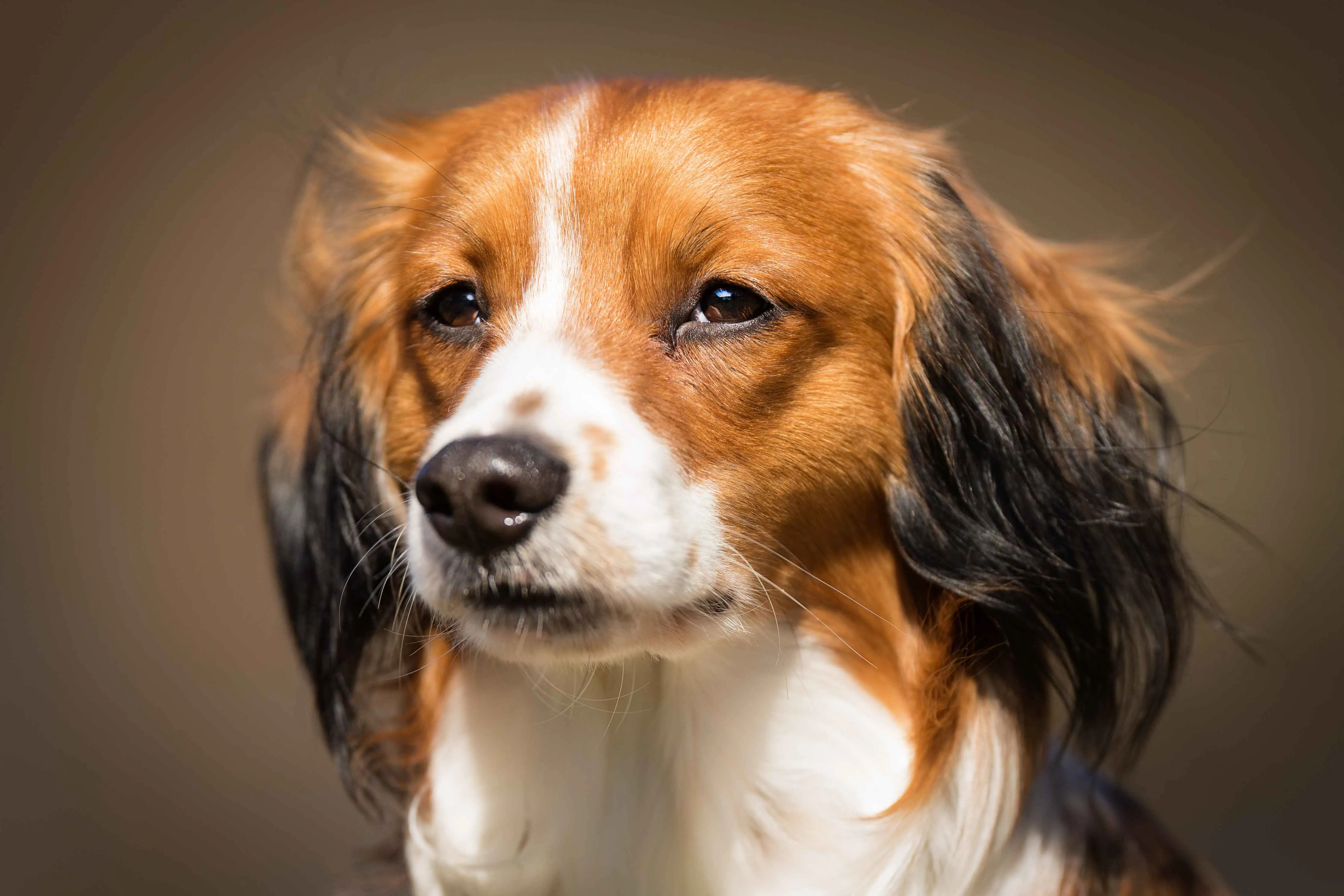
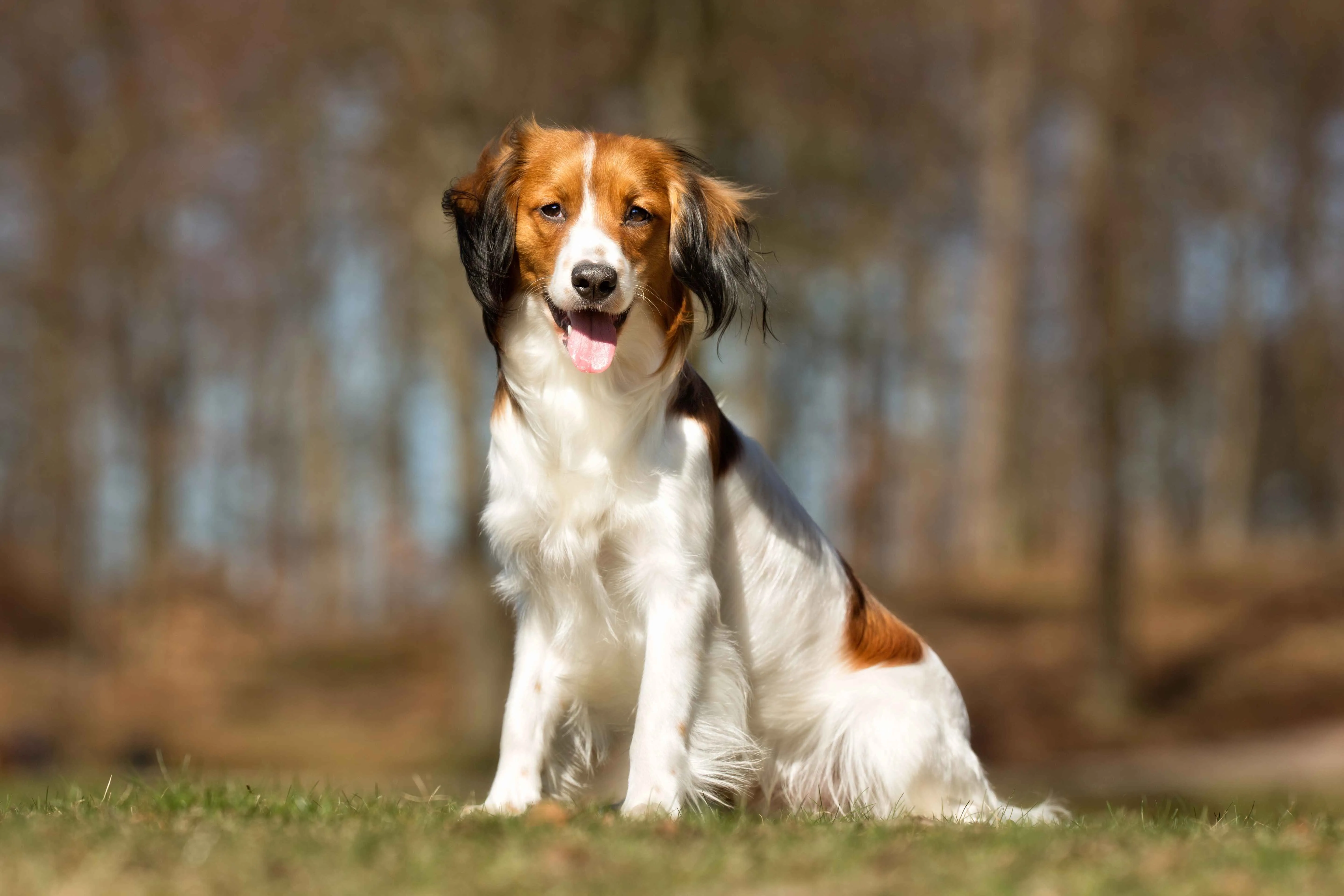
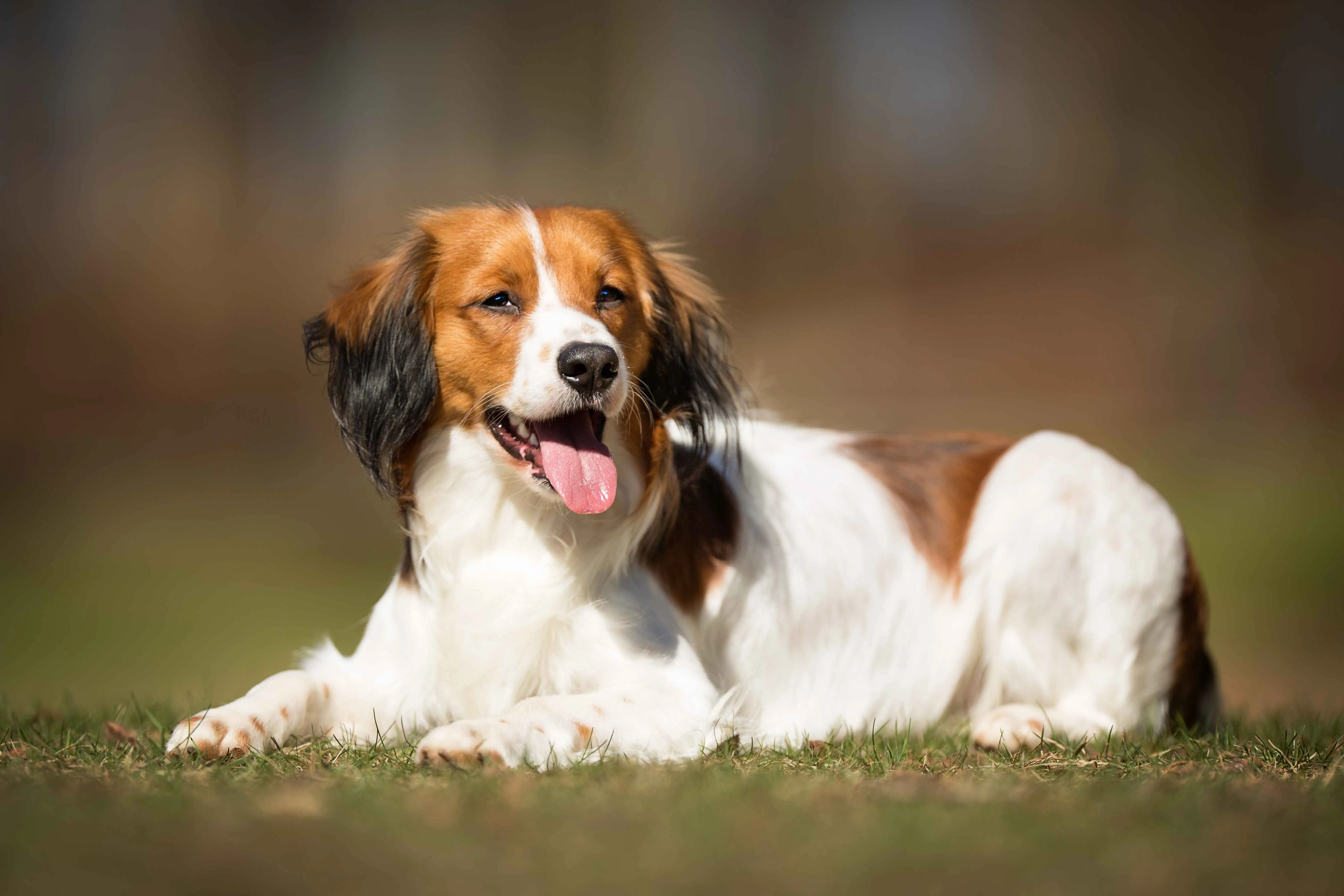
- They have soft and vibrant coats that have unique orange-red patches on white.
- Their height differs based on the gender, males stand at 40 cm whereas females are generally shorter with a height of 38 cm.
- The adult Kooikerhondjes weigh around 9 to 14 kgs.
Read the complete breed standard as defined by AKC
Temperament
- Kooikerhondjes are independent dogs and love to do things on their own.
- They are intelligent and love to cuddle, however, because of their origin as working dogs they can be vary around strangers.
- Early socilaization from a young age or puppy stage is a must for them to behave
Characteristics
Barking
Quiet
Loud
Temperament with Kids
Aggressive
Friendly
Playfulness
Silent
Very Playful
Friendliness
Not Friendly
Super Friendly
Compatibility with other dogs
Aggressive
Friendly
Need for attention
Independent
Very Needy
Monthly Expenses


What is the price of a Kooikerhondje?
Cost of buying
₹ 40,000 - ₹ 60,000
The average price of a Kooikerhondje dog can vary from ₹ 40,000 to ₹ 60,000 in India. There are several factors that affect the cost like breeder, lineage, health conditions. Some show quality dogs will cost you even more.
Several factors should be considered while purchasing a puppy -
- The most essential thing when purchasing a pet is choosing a trustworthy breeder. Ensure that any breeder treats the dogs appropriately and follows the moral breeding procedure.
- Ask the breeder to provide health certificates and lineage papers to ensure that the dog is healthy and purebred. Visit the kennel to confirm that there is no in-breeding taking place.
- The cost of puppies depends on many variables like ancestry, the possibility of show quality, and breeder reputation.
Adopt
There is another way to get a Kooikerhondje puppy home, i.e. to Adopt
- Give a homeless pet all the love with adoption. Maybe breed-specific rescues, a local animal shelter, or other rescue groups have a puppy up for adoption.
- Adoption fees usually cover vaccinations, spaying/neutering, and initial medical care. These fees vary, but they are generally lower than they would be to buy from a breeder.
Here are some of the breeds that are similar to Nederlandse Kooikerhondje dogs -
Dutch Shepherd | Stabyhoun | English Springer Spaniel | Keeshond | Welsh Springer Spaniel |
Prerequisites to pet a Kooikerhondje
Access to Groomer
Access to Veterinary
Appropriate Climate
Space and Environment
Lifestyle Compatibility
Willingness to train
Time and Effort
Now that you know what it takes to raise a Kooikerhondjes, are you ready to take the next step to get one home?
Research: Do thorough research about the breed, its requirements, health issues, temperaments, traits, and compatibility. See if the dog breed is a good fit for your lifestyle.
Find reputable sources: Before buying a puppy, look for a trustworthy breeder who practices ethical breeding. Also, check out the local rescues or shelters if you are planning to adopt.
Visit breeder/adoption centers: Make a plan to visit the kennels or adoption centers before going to buy or adopt the dog. Know about their behavior, health, immunization, history, and lineage.
Ask for documentation: Do not miss the health certification, vaccination record, and any other related document from the breeder before buying the puppy. If you are adopting, make sure you inquire about the behavior and past and recent health conditions.
Prepare your home: It is your duty to make a comfortable living space for the dog before bringing it into your life. So make sure you are well aware of the requirements, such as space, time, and commitment needed to have a dog at home. Ensure you have enough supplies, grooming tools, a bed, a food bowl, and other necessities.
Nutritional Guide to Kooikerhondje Dog Breed
Monthly Food Expenses
₹ 2,250 - ₹ 3,000
Calories per day
Puppies: 1200 kcal
Adults: 800 kcal
Essential Nutrients
Protein
Carbohydrates
Fats
Fibre
Vitamins
Minerals
List of foods
Chicken
Dry Dog Food
Fresh Meat
Fresh Fish
Fruits
Home made meals
Vegetables
Kooikerhondjes are active dog breeds and need adequate nutrients in their diet for them to maintain overall health and well-being. In this section let us learn about all the necessary elements that should be a part of your Kooikerhondje’s diet -
- Kooikerhondjes diet should be designed after consulting your veterinarian. They would suggest a comprehensive diet that considers their health condition.
- Design a diet keeping in mind different factors like age, size, activity, health condition, and neutering status.
- The food should contain adequate protein, carbohydrates, vitamins, minerals and fibres to promote overall health.
- Choose the commercial dog food carefully and check their labels to look at the ingredients. Make sure it meets all the AAFCO standards as they comprise of all the necessary nutrients.
- Keeping them hydrated is also a part of a balanced diet, an adequate amount of water helps them in overall functioning of the body.
In the next section we shall have a look at what are all the food items that can be fed to your Kooikerhondje dogs.
Note: These are general guidelines. Consult a veterinarian to determine the specific dietary needs of your dog.
Breakdown of Macro-nutrients
Guide to choose the right food for your Kooikerhondje
- Animal-based proteins found in food items like meat, lamb and chicken. This promotes muscle development and boosts immunity.
- Healthy fats like omega-3 and omega-6 present in flaxseed oils, fish oils and other edible oils promote shiny coat and skin health.
- Feed your dog vegetables like carrots, beetroot, spinach, cucumber, green beans etc, to provide vitamins and minerals.
- Fruits like apples, bananas, strawberries, blueberries, mangoes and peaches help in providing anti-oxidants without added sugar.
- You can also feed them brown rice, sweet potatoes, barley and oats in a balanced manner to provide carbohydrates to meet the energy demands.
- Provide them water to maintain overall internal organ functioning and maintain body temperature.
Just like how you got an idea about what are all the food items that are necessary for your dog, as a pet parent it is important to know what are all the foods that can cause serious damage to your dog.
In the next section we will give you a brief overview of the harmful foods that should be steered away from dogs.
Never feed these food items to Kooikerhondje dogs
Avoid anything with these ingredients
Alcohol
Almonds
Mushrooms
Onions
Salt
Grapes
Garlic
Cherries
Cinnamon
Avocados
Coffee / Tea
- Do not ever feed your dog human foods like chocolates, onions, garlic, avocados, and grapes. This can cause serious damage to their digestive system and can be poisonous.
- Steer clear of food items that are highly processed like meat or mutton, this leads to obesity and indigestion in dogs.
- Check the label of commercial dog foods and avoid those foods that have artificial preservatives, colors and odors.
- Some dogs are lactose intolerant and hence, you should avoid milk, and milk-products.
- Food items that have high levels of salt and sugar are to be avoided as it leads to high blood pressure and diabetes in dogs respectively.


Overview of Nederlandse Kooikerhondje's Healthcare
Avg Monthly Expenses
₹ 1,200 - ₹ 1,800
Common Health Issues
Hip Dysplasia
Patellar Luxation
Bloat
Canine distemper
Kennel Cough
Parvovirus
Parasites
Well being
Exercise
Agility Training
Bonding
Games
Socialization
Hiking
Energy Level
High
Exercise routine
60 - 90 minutes
Recognising Stress
Changes in appetite
Excessive Barking
Pacing
Excessive Panting
Reluctance to move
Increased laziness
Some common health issues found in Kooikerhondje dogs
Kooikerhondje dogs, even though they are pretty healthy, are prone to some genetic conditions, this can be controlled by selective breeding.
The Nederlandse Kooikerhondje Club of the United States of America, has recognized some of the common health conditions that are found in these dogs. Below is a brief overview of that -
- Patellar Luxation: This is a condition where the kneecap shifts sideways from its normal position and causes swelling. This is common in small and big dog breeds and can be treated by administering anti-inflammatory medicines with vet’s consultation.
- Von Willebrand Disease: This is a protein deficiency condition inherited by one of the parents. This prevents blood clot in dogs and this can be detected during blood tests. Unfortunately, this issue is not a cure, but can be prevented by cautious ethical bleeding.
- Hip Dysplasia: This is a genetic condition in dogs where the hip joint is not developed properly causing joint pain and inflammation. This can be treated based on the severity of the condition. While in some dogs it can be treated by joint supplements, and balanced diet whereas in severe conditions a surgery can be used as a cure.
Vaccination details
Growth Stage
Core Vaccines
6-8 Weeks
DHPP (Distemper, Hepatitis, Parainfluenza, Parvovirus)
12 Weeks
DHPP booster, Rabies
16 Weeks
DHPP final booster
Annually
DHPP booster, Rabies
Senior dog care guide for Kooikerhondje dogs
The needs of dogs vary as they age, hence, you should be equipped with the necessary knowledge to take care of your senior dogs to make their life easier and worthwhile. Here are few simple tips to make your senior dog comfortable and keep them healthy -
- Vet check-ups: Their medical needs change as they age, regular vet check-ups are needed to make sure they are healthy and to detect any ailments at an early stage.
- Balanced diet: It is a very important factor because the food needs of senior dogs can be different. Consult your veterinarian to design a healthy diet for them. Some of the pet food brands have introduced specialized senior dog food. You can also opt for that.
- Mild exercise: Their stamina reduces as they age, but to prevent obesity daily exercise is a must. However, you should be mindful not to over-excert as it can cause joint pain in dogs.
- Comfortable place: Having a comfortable place to rest and get access to all the things they need prevents them from unnecessary movement.
- Mental stimulation: Although this is often neglected it is also very important to keep them active and lively. Engage them with interactive toys, puzzles and socialize them.
Important Note: This information is for general guidance only. Always consult a qualified veterinarian for personalized advice.
Grooming guide for your Kooikerhondje dog
Avg Monthly Expenses
₹ 1,200 - ₹ 1,800
Shedding Level
Moderate Shedding
Hygienic Checklist
Bathing
Brushing
Ear Cleaning
Eye Care
Nail Trimming
Teeth Care
Benefits of Grooming
Cleanliness
Low Shedding
Odourless
Prevents Bad Breath
Quality of life
Prevents infections
Kooikerhondje dogs have medium length water resistant coats, and are moderate shedders. Here is a simple guide that can help you groom your Kooikerhondje -
- They are moderate shedders and need regular brushing once or twice a week to avoid matting of hair and to remove loose hairs.
- They need a bath as and when needed, use specialised shampoo to avoid any allergic reactions or skin irritation.
- Ear cleaning should be done regularly to avoid accumulation of debris and dirt. Use vet-recommended ear cleaning liquids.
- Nail trimming has to be done once there are overgrown nails to prevent discomfort in walking.
- Clean their teeth regularly to avoid any kind of infection or dental decays. Be very cautious and use tooth paste designed for dogs, human toothpastes can be poisonous to them.


Written by
Happy Pet TeamAuthor
Team Happy Pet is a passionate collective of pet experts, enthusiasts, and advocates dedicated to sharing trusted and insightful content.
Our cont
Compare with similar breeds
Frequently Asked Questions
Are Kooikerhondjes good family pets?
Yes, Kooikerhondjes make excellent family pets. They are friendly, playful, and good with children. However, they may be reserved around strangers and benefit from early socialization.
Are Kooikerhondjes easy to train?
Yes, Kooikerhondjes are intelligent and eager to please, making them relatively easy to train. Positive reinforcement methods work best, and they excel in obedience and agility training.
Do Kooikerhondjes have any common health issues?
Common health issues in Kooikerhondjes include hip dysplasia, bloat, and susceptibility to certain infections like Leptospirosis and Lyme disease. Regular veterinary care and preventive measures can help manage these risks.