Home
/
Dog Breeds
/
Korean Jindo Dog
Korean Jindo Dog
Origin
South Korea
Size
Medium Breed
Ideal Space
House with Farm Area
Ideal Weather
10º-30ºC
Life Expectancy
12-15 years
Cost of buying
₹ 50,000 - ₹ 1,50,000
Top 5 Traits
Loyal
Intelligent
Protective
Energetic
Fearless
Avg Monthly Expenses
₹ 3,550 - ₹ 5,400


by Happy Pet TeamUpdated on 2 Oct 2025
Introduction to Korean Jindo Dog
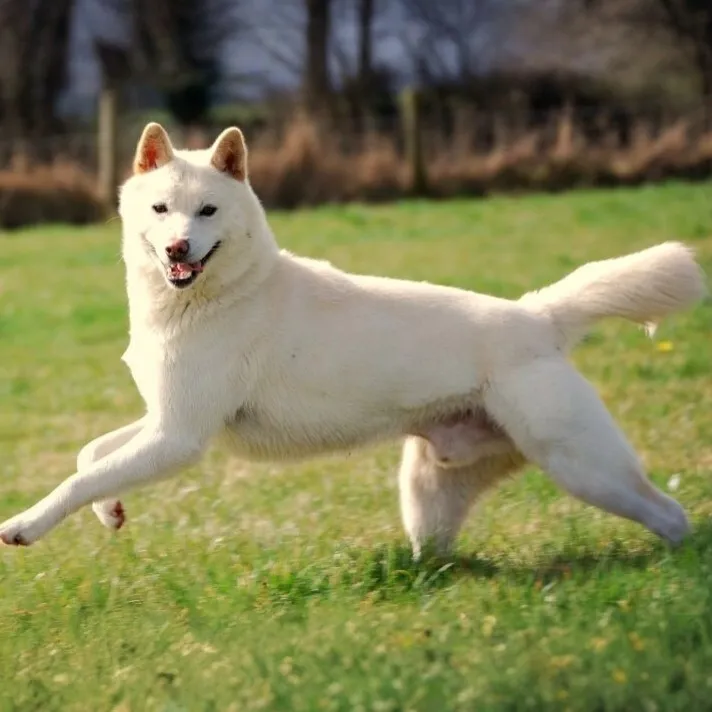
The Korean Jindo Dog puppy is a breed that is exceptionally intelligent, loyal, and agile. Their origin can be traced in Jindo Island of South Korea, the white Korean Jindo dog is a naturally well-balanced medium-sized dog that have been admired for centuries for their hunting prowess, individualistic traits, and protective features. These korean jindo dog breeds are particularly prized for their great loyalty to their family, which makes a super choice for those who place high importance on intelligence and closeness with their dog.
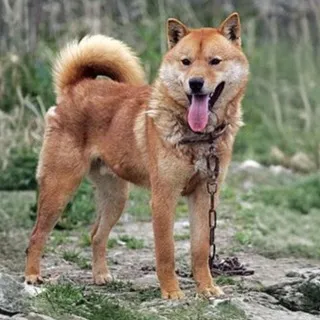
The Korean Jindo Dog breed presents a shiny and muscular look, along with a thick double coat that includes a range of colorations ranging from white to black to tan, or a combination of different shades. Their classy, red-fox-like appearance and confident attitude only make them more appealing, and it's no surprise that they are greatly valued as a national treasure in Korea. In spite of the growing popularity globally, these korean jindo dogs remain loyal to their lineage as hunters and guardians.
Even though Korean Jindos have been used to describe them as being a little standoffish when it comes to strangers, they are extremely loyal to their family and so are one of the most trustworthy and committed pets to own. Th white korean jindo dog breeds are naturally clean dogs and have very little odor to them, and they need only the perfect amount of physical and mental stimulation to keep them in good health and spirits.
Origin & History of Korean Jindo Dog
The Korean Jindo Dog breed boasts a rich and captivating history of more than a thousand years. They originated from Jindo Island, situated off the southern coast of South Korea. The white korean jindo dog was initially bred to hunt as the harsh conditions of the island and rocky coastline made a perfect haven for cultivating the breed's excellent hunting sense, agility, and strength. The white korean Jindo dog was originally bred for hunting big game, including deer, boar, and rabbits, and was admired for its tracking and catching ability.
The Korean Jindo dog breeds are thought to be among the oldest and purest of the native dog breeds in Korea. The breed's earliest written reference is the 15th century Joseon Dynasty, in which the Jindos were described in historical records as being very skilled hunting dogs that were highly valued by Korean royalty. Throughout the centuries, the white korean jindo dogs were bred selectively for their hunting ability, intelligence, and temperament.
Perhaps the most fascinating fact about the Korean Jindo Dog breeds is their history of strong association with Korean culture and mythology. The Jindo's loyalty and courage are generally revered in Korean myths, with tales of the dog's heroic deeds, including protecting their owners or defending villages. Indeed, the Jindo was revered to such an extent that it was regarded as a symbol of purity and was legally protected in Korea until fairly recently.
Today, the Korean jindo dog breeds have become popular globally, although they are still more prevalent in Korea. The Korean Jindo became recognized by the American Kennel Club (AKC) in 2009, although it had long been designated as a national treasure in Korea as a result of its cultural and historical importance.
Lifespan of Korean Jindo Dog
The white Korean Jindo Dog has a relatively long lifespan for a medium-sized breed, typically living between 12 to 15 years when given proper care. These korean jindo dog breeds are generally considered a healthy dog with few genetic health problems. However, like any dog, regular veterinary check-ups, a balanced diet, and appropriate exercise are crucial for ensuring a long and healthy life.
As active and energetic dogs, Korean Jindos tend to develop musculoskeletal problems later in life, like arthritis, so care must be taken to check their joints, particularly once they reach old age. Proper diet and regular exercise are essential to keep them agile and strong throughout their entire lifespan.
Their longevity is owed up to their strong genes and powerful immune system, both of which are typical for the breed's natural working dog heritage. Maintaining proper care will ensure that the Jindo is kept in top physical form for the majority of their lifetime.
Physical Traits and Characteristics of Korean Jindo Dog
These medium sized white korean jindo dog breeds have some interesting features which are highlighted below:
- Weight: The Korean Jindo is a medium-sized dog, boasting a muscular and athletic build. Adult males usually weigh 18 to 22 kg (40 to 48 lbs), and the females are smaller, weighing 16 to 20 kg (35 to 44 lbs). Their dense, compact body ensures that they appear strong and resilient, necessary for their ancient function of hunting and guardianship.
- Height: The Korean Jindo Dog stands at the shoulder approximately 45 to 55 cm (18 to 22 inches) tall, with males tending towards the upper end of this range. Their compact size is well-suited to living in a variety of environments, both rural and urban, provided they are given adequate exercise and mental stimulation.
- Coat: The Korean Jindo Dog breeds are perhaps best known for its thick, double coat that enables it to survive the rugged climate of its native homeland. The hard outer coat is straight, and the undercoat is thick and soft, helping to insulate the dog from the cold. The coat is found in a variety of different colors, such as white, black, tan, and brown. Some Korean Jindo dog breeds will also have a combination of these colors with patterns like black and tan or red and white. Grooming is necessary for the Korean Jindo Dog to keep a healthy coat and to avoid matting, especially during shedding time, which takes place every two months. Brushing regularly is required, even though they do not need frequent bathing unless to keep clean.
- Tail: The Korean Jindo Dog has a unique tail that falls over its back in a beautiful arch. The tail is usually described as a fox-like tail and is held in a loose, yet dignified, manner. The tail is a significant aspect of the breed's appearance and contributes to their general agility and balance.
Temperament of Korean Jindo Dog
The Korean Jindo dog breeds have a temperament full of loyalty, independence, protectiveness, intellect and a lot more things.
- Loyalty and Independence: Perhaps the most characteristic aspect of the Korean Jindo Dog breeds is their intense loyalty to its family. The breed is famous for being devoted to its owners and having a strong protective instinct with a great degree of independent thinking.
- Protective Nature: Being a breed that has historically been bred for guarding and hunting, the Korean Jindo Dog breeds are a naturally protective animal. They are extremely territorial and will defend their home and family vigorously if they feel threatened. This makes them great watchdogs, but it also necessitates early socialization.
- Intelligence and Trainability: The Korean Jindo Dog puppy is very intelligent, so it is comparatively easy to train, though because of their independent personality, they will not always comply with instructions at once, which can be remedied with positive training techniques.
- Energy and Exercise Needs: The Korean Jindo Dog breeds are an extremely energetic breed, with stamina and agility to burn. They love going on long walks, hiking, and other physically active pursuits that enable them to stretch their legs and exercise their natural predilections. They also possess a strong prey drive because they were originally hunters, so they love to do activities such as chasing or tracking.
Characteristics
Barking
Quiet
Loud
Temperament with Kids
Aggressive
Friendly
Playfulness
Silent
Very Playful
Friendliness
Not Friendly
Super Friendly
Compatibility with other dogs
Aggressive
Friendly
Need for attention
Independent
Very Needy
Monthly Expenses


How Much Does a Korean Jindo Dog Cost?
Cost of buying
₹ 50,000 - ₹ 1,50,000
A Korean Jindo Dog generally falls in the range of ₹ 50,000 - ₹ 1,50,000, based on qualities such as lineage, health, and the reputation of the breeder.
Adopt a Korean Jindo Dog Puppy
Adopting a Korean Jindo Dog can be a rewarding experience. It's highly recommended to get in touch with local shelters and breed-specific rescues to find one that suits your lifestyle.
Similar Breeds to Korean Jindo Dog
If you find your white korean jindo breeds happy to go and fun loving but still are looking to surf through some other similar breeds, you can try out the below options:-
Prerequisites to pet a Korean Jindo Dog
Access to Groomer
Access to Veterinary
Appropriate Climate
Lifestyle Compatibility
Financial Capability
Now that you understand the commitment of raising a Korean Jindo Dog, are you ready to bring one into your family?
- Research: Dive into understanding the breed’s independent yet loyal nature, exercise needs, and grooming requirements. Korean Jindo Dogs require active mental and physical stimulation, and their protective instincts make them ideal for experienced dog owners. Make sure this breed fits your lifestyle, especially in terms of training, exercise, and space.
- Find Reputable Sources: Seek breeders who prioritize the health and temperament of their dogs, specifically focusing on genetic screening for common conditions like hip dysplasia and PRA. If you choose adoption, consider breed-specific rescues or shelters that specialize in finding homes for Korean Jindos.
- Visit the Breeder/Adoption Center: It’s important to meet the puppies or dogs in person. Ask about their health, socialization, and exposure to different environments. This will give you insight into how they may adapt to your home and lifestyle.
- Ask for Documentation: Request vaccination records, health clearances, and any behavioral information the breeder or shelter can provide. If adopting, inquire about the dog’s past living conditions and any behavior challenges they may have faced.
- Prepare Your Home: Make your home ready for a Korean Jindo Dog by creating a secure, spacious environment that accommodates their need for exercise and mental stimulation. Have the necessary supplies on hand, such as high-quality food, training tools, and a designated resting area, especially if you’re adopting a young pup.
An Elaborate Nutrition Guide for Korean Jindo Dog Breed
Monthly Food Expenses
₹ 2,250 - ₹ 3,000
Calories per day
Puppies: 1200 kcal
Adults: 800 kcal
Essential Nutrients
Protein
Fats
Carbohydrates
Fibre
Vitamins
Minerals
List of foods
Chicken
Dry Dog Food
Fresh Meat
Fresh Fish
Fruits
Mutton
Home made meals
Vegetables
Maintaining the health of Korean Jindo Dog puppy requires a well-balanced diet that supports their energy levels, muscle tone, and overall well-being. These white korean jindo dog breeds require high-quality protein to sustain their active lifestyle.
- Protein: Protein is important to the Korean Jindo Dog because it aids in their muscle growth and repair. Lean meats like chicken, lamb, turkey, and fish are good sources of protein. It is important to select food with a minimum of 20% to 30% protein content for maximum growth and energy.
- Carbohydrates: Complex carbohydrates like sweet potatoes, brown rice, and oats are perfect for supplying sustained energy, particularly since this breed needs a lot of exercise frequently. These carbohydrates support healthy blood sugar levels and overall stamina.
- Vitamins and Minerals: A well-balanced diet full of vitamins and minerals is essential for the Korean Jindo Dog puppy to have an efficient immune system, healthy bones, and a lustrous coat. Raw vegetables such as spinach, carrots, and broccoli and fruits such as blueberries and apples must be added to provide them with a complete range of nutrients.
- Hydration: As with any dog, it is important to make sure that your Korean Jindo Dog breeds have access to plenty of clean, fresh water at all times, particularly after exercise or playtime.
Note: These are general guidelines. Consult a veterinarian to determine the specific dietary needs of your dog.
Breakdown of Macro-nutrients
Selecting the Right Food for Your Korean Jindo Dog
Good food is everything as it ensures the health of your gut which further keeps all the functions in the body at par. This is similar with dogs as it is with humans. It is fundamentally crucial to select the right food for your Korean Jindo Dog to ensure their health, energy, and longevity. Due to their active lifestyle and high energy levels, a balanced diet that nourishes muscle growth and mental stimulation is imperative. Some food options for your Korean Jindo include:
High-end Dry Kibble:
While browsing for dry kibble, opt for a premium dry kibble that is 25-30% or higher in protein, with the protein being of real meat origin such as chicken, lamb, or fish. Energy is where the magic is with its best source being complex carbohydrates such as sweet potatoes, brown rice, and oats for long-lasting energy and a healthy gut. For skin and coat health, use kibble supplemented with omega-3 and omega-6 fatty acids from fish oil or flaxseed for your korean jindo puppy.
Home Cooking:
All hail the hands that feed us the meal, the dogs will hail too. In case you prefer to cook your korean jindo puppy dog's meals, use lean meats such as chicken, turkey, or beef as the primary protein which can be supplemented with fresh veggies such as carrots, spinach, and green beans for vitamins and fiber. Use whole grains such as brown rice and sweet potatoes as carbohydrates. You may also add into the mix some fish oil and calcium to help maintain your Korean Jindo dog's joint and bone health, particularly for working dogs.
Food to Avoid for Your Korean Jindo Dog Breed
Avoid anything with these ingredients
Alcohol
Garlic
Almonds
Grapes
Avocados
Lemon
Cherries
Milk Products
Cinnamon
Mushrooms
Coffee / Tea
Onions
Salt
Dairy
Fruit seeds
Sugar
When preparing meals for your Korean Jindo, it is crucial to steer clear of some foods that are dangerous:
- Chocolate, grapes, raisins: These are poisonous to any dog and even your korean jindo puppy and can lead to kidney failure.
- Onions and garlic: These can lead to anemia and gastrointestinal problems, which can develop into more serious ailments.
- Alcohol and caffeine: Both of these are extremely toxic for dogs and result in severe poisoning and even death if the case is extreme.
- Milk/Dairy (if lactose intolerant): Lactose intolerance in dogs is common, and dairy will cause a dog to have diarrhea and stomach upset.


Healthcare Manual for Korean Jindo Dog Breed
Avg Monthly Expenses
₹ 600 - ₹ 1,200
Common Health Issues
Hip Dysplasia
Skin Allergies
Ear Infections
Patellar Luxation
Progressive Retinal Atrophy (PRA)
Cancer
Thyroid Disease
Well being
Exercise
Agility Training
Bonding
Games
Socialization
Energy Level
High
Exercise routine
60 - 90 minutes
Recognising Stress
Changes in appetite
Excessive Barking
Pacing
Reluctance to move
Excessive Panting
Common Health Issues Found in Jindo Dog
The Korean Jindo Dog puppy is a healthy breed in general, but as with any dog, they can be susceptible to some health ailments.
- Hip Dysplasia: Hip dysplasia is a prevalent medium-sized dog condition, and the Korean Jindo Dog is no different. The condition results when the hip joint fails to develop normally, resulting in arthritis and a lack of mobility. Regular vet check-ups can diagnose the condition early, which can help deal with it and arrest its progress.
- Progressive Retinal Atrophy (PRA): PRA is a genetic disease that causes blindness in dogs. It is crucial to check the eye condition of your Jindo and get frequent check-ups to identify early signs of the disease.
Vaccination details
Growth Stage
Core Vaccines
6-8 Weeks
Distemper, Parvovirus, Adenovirus, Rabies
10-12 Weeks
DHPP (Distemper, Hepatitis, Parainfluenza, Parvovirus)
14-16 Weeks
DHPP booster, Rabies booster
Annually
DHPP, Rabies booster
How to Care for Senior Korean Jindo Dogs?
As your Korean Jindo Dog breeds enter their older years, adjust their exercise and diet. Give them softer-to-eat food, shorter walk times, and regular visits to the vet for checkups.
Diet Adjustments for Senior Jindo Dogs
Senior Korean Jindo Dogs have different nutritional needs than when they were younger as their metabolism slows down, and they may have more difficulty digesting certain foods. Try incorporating easy to digest foods into their diet, while adding foods that are rich in omega-3 fatty acids which can support joint health. Owing to their slower digestive systems it can be harder to process a large meal so feed them smaller meals frequently while maintaining their hydration needs at best.
Exercise Modifications for Senior Jindo Dogs
While Korean Jindo dog breeds are naturally active dogs, their exercise needs change as they age. Overexertion can lead to joint pain and fatigue, so it’s crucial to adjust their activity level while still keeping them engaged and active. Incorporate shorter walks of 15-30 minutes as well low impact activities depending on how much your canine companion can take. Particularly avoid high impact exercises and present them with interactive toys that keeps up their mental stimulation.
Regular Vet Check-ups and Monitoring Health
As your Korean Jindo Dog ages, regular veterinary visits become more important to detect any underlying health problems early. Senior dogs are more susceptible to conditions like arthritis, heart disease, and dental issues, so proactive care is essential through annual check ups and regular vet visits.
Providing Comfort in Their Later Years
Comfort becomes a priority as your Korean Jindo Dog enters its senior years which can be enabled through soft bedding, warm places to sleep specifically in cold weathers. If your Jindo has trouble jumping or climbing stairs, consider adding ramps or steps to help them get on the couch or into the car.
Emotional Care and Attention
As your Korean Jindo Dog ages, their emotional needs may also shift as senior dogs can sometimes become more anxious or stressed, especially if they experience discomfort from aging joints or changes in their routine. Try maintaining a routine for them that is consistent throughout with gentle playtime and activities that stimulate them cognitively.
Grooming Guide For Korean Jindo Dog
Avg Monthly Expenses
₹ 700 - ₹ 1,200
Shedding Level
Moderate Shedding
Hygienic Checklist
Bathing
Brushing
Ear Cleaning
Nail Trimming
Eye Care
Teeth Care
Benefits of Grooming
Cleanliness
Prevents infections
Quality of life
Odourless
Low Shedding
Prevents Bad Breath
Taking care of your white korean jindo dog breeds is an essential part of being a responsible pet parent. The care regime expands from healthcare to as small as trimming of the nails, each and every bit is substantially crucial.
- Training: Early training is important with positive reinforcement methods to ensure a good bond with your Jindo.
- Socialization: Get your Korean Jindo dog puppy accustomed to different environments, individuals, and other animals at an early age to avoid being aggressive.
- Exercise: Engage your white korean Jindo dog in a minimum of 1 hour of exercise every day to ensure that it remains healthy and cheerful.


Written by
Happy Pet TeamAuthor
Team Happy Pet is a passionate collective of pet experts, enthusiasts, and advocates dedicated to sharing trusted and insightful content.
Our cont
Compare with similar breeds
Frequently Asked Questions
How much exercise does a Korean Jindo Dog need?
A Korean Jindo Dog puppy requires at least 1 hour of exercise per day to maintain its health and happiness.
Are Korean Jindo dog breeds good with kids?
Yes, white Korean Jindo dogs are generally friendly to children, provided that they have been socialized from puppyhood.
Can Korean Jindo dog breeds be easily trained?
The Korean Jindo Dog puppy is an intelligent animal but also has a mind of its own and can be stubborn. Early socialization and training are the keys to having a well-mannered dog.