Home
/
Dog Breeds
/
Lakeland Terrier
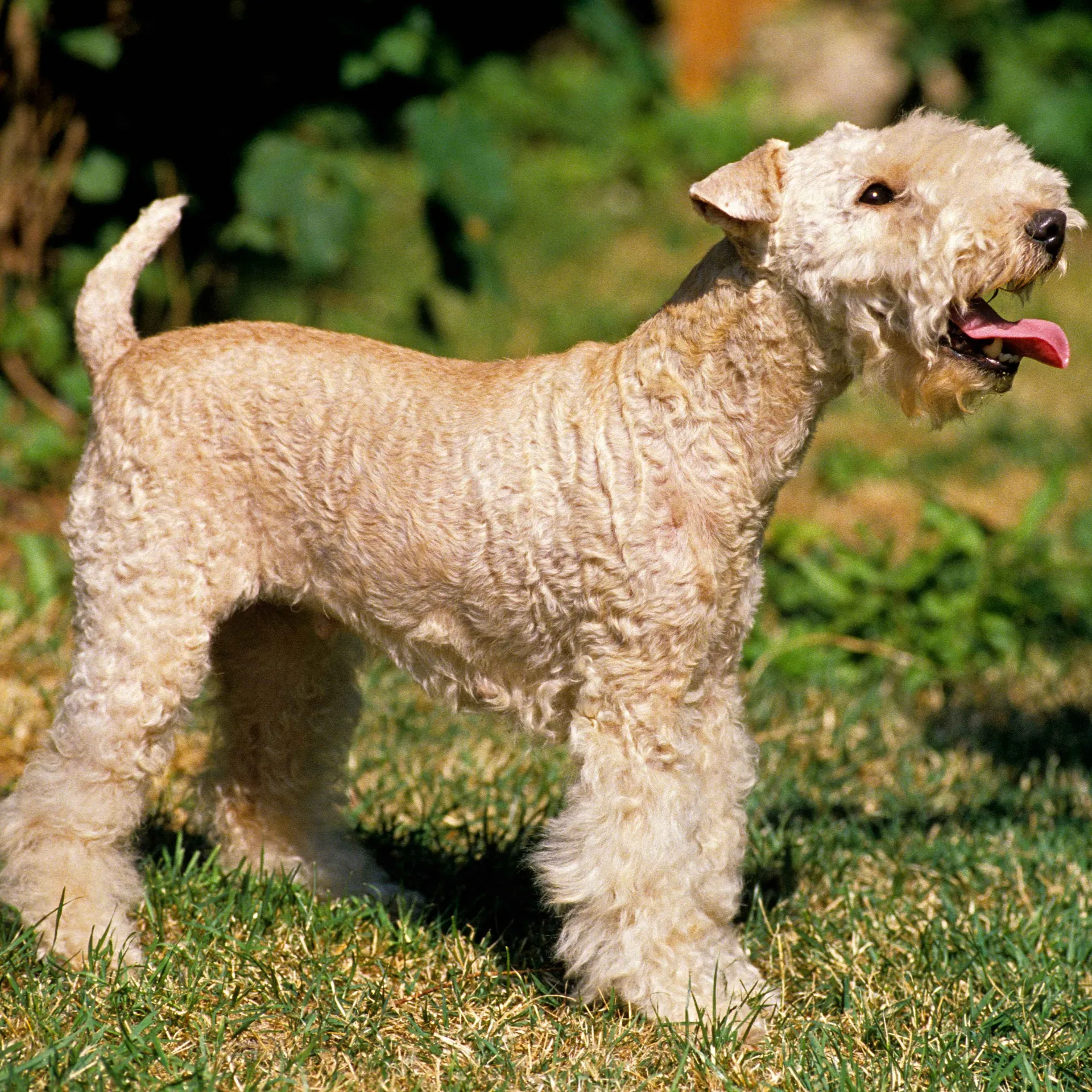
Lakeland Terrier
Origin
England
Size
Small Breed
Ideal Space
Apartment
Ideal Weather
5º-20ºC
Life Expectancy
12-15 years
Cost of buying
₹ 80,000 - ₹ 1,20,000
Top 5 Traits
Intelligent
Energetic
Loyal
Playful
Fearless
Avg Monthly Expenses
₹ 2,200 - ₹ 3,750



by Happy Pet TeamUpdated on 6 Aug 2025
Introduction to the Lakeland Terrier
According to Spruce PETS, the Lakeland Terrier is one of the UK’s oldest terrier breeds, originating from the Lake District in the 1700s.
Originally called the Fell, Patterdale, Cumberland, and Westmoreland Terrier, it was employed by farmers to keep vermin down and hunt foxes that threatened their livestock.
The breed standard was developed in the early 1900s, which included the contribution of the now extinct Old English Black and Tan Terrier, Welsh Terrier, Bedlington Terrier, Wire Fox Terrier, Border Terrier, and Dandie Dinmont.
The breed was officially recognized by the American Kennel Club in 1934 and the United States Lakeland Terrier Club was established in 1954 to promote the breed's special characteristics.
Lifespan of the Lakeland Terrier:
The average lifespan for Lakeland Terriers tends to be 12–15 years, which is quite long for a terrier breed.
Lakeland Terrier Personality and Temperament:
- Intelligent & Curious: They are very intelligent and love to explore.
- Affectionate: They bond well with their family and are social creatures.
- Independent: Lakeland Terriers are affectionate but also independent, sometimes stubborn.
- Playful: They're a bit fun-loving and love a play session.
Lakeland Terrier Exercise Needs:
Lakeland Terriers need around 30 to 45 minutes of daily exercise. Activities like brisk walks, play sessions, and mental stimulation through training or puzzle toys keep them active and healthy.
Characteristics
Barking
Quiet
Loud
Temperament with Kids
Aggressive
Friendly
Playfulness
Silent
Very Playful
Friendliness
Not Friendly
Super Friendly
Compatibility with other dogs
Aggressive
Friendly
Need for attention
Independent
Very Needy
Monthly Expenses


How Much Does a Lakeland Terrier Cost?
Cost of buying
₹ 80,000 - ₹ 1,20,000
The price of Lakeland Terriers can range anywhere between ₹ 80,000 - ₹ 1,20,000. You can also choose to adopt one from any local animal shelter.
Prerequisites to pet a Lakeland Terrier
Access to Groomer
Access to Veterinary
Appropriate Climate
Lifestyle Compatibility
Financial Capability
Shop or Adopt a Lakeland Terrier: Choice is Yours!
By adopting a Lakeland Terrier, you provide a dog with a second chance, and ethical shopping enforces responsible breeding. Pick the breed based on how you will be able to meet the breed’s needs of training, grooming, and exercise.
Best Practices to Follow While Shopping or Adopting a Lakeland Terrier
- Locate ethical breeders or trusted adoption centres.
- Get hereditary conditions and health screenings.
- Watch the puppy socialize and react to behaviour.
- Inquire about vaccinations and medical history.
- Give them a safe home with room to exercise.
- Get to know their spirited and independent nature.
- Begin training and socialization early.
- Long-term health needs a regular vet check-up.
Lakeland Terrier Nutrition & Diet Guide
Monthly Food Expenses
₹ 1,200 - ₹ 1,800
Calories per day
Puppies: 1500 kcal
Adults: 600 kcal
Essential Nutrients
Protein
Fats
Carbohydrates
Fibre
Vitamins
Minerals
List of foods
Chicken
Dry Dog Food
Fresh Meat
Fresh Fish
Fruits
Home made meals
Vegetables
- Lakeland Terriers need a balanced diet to support their energetic and compact build.
- Include high-quality protein, healthy fats, carbohydrates, vitamins, and minerals for muscle strength and coat health.
- Avoid low-quality food as it may lead to poor health and nutritional deficiencies.
- Puppies, adults, and senior Lakeland Terriers have different feeding needs that should be adjusted with age.
- Mixing dry food with fresh ingredients like lean meats, vegetables, and brown rice ensures balanced nutrition.
Note: These are general guidelines. Consult a veterinarian to determine the specific dietary needs of your dog.
Breakdown of Macro-nutrients
Best Foods for Lakeland Terrier
- Chicken, turkey, and lamb contain proteins that help build muscle and give energy levels a boost.
- Healthy fats from fish oil or flaxseed support coat health and skin.
- Rice and sweet potatoes provide the necessary carbohydrates to fuel daily activities.
- Carrots and spinach provide vitamins & minerals to support their immune system.
- Make sure your Lakeland always has access to fresh water.
If you are worried about your Lakeland Terrier’s nutritional needs, talk to your vet about what kind of food will be best for your dog.
Feeding Guidelines for Lakeland Terriers:
- Puppies: To prevent low blood sugar, young Lakeland Terriers should be fed four to five small meals each day. As they grow, gradually reduce their meals to 2 times a day.
- Adults: The Lakeland Terrier as a small terrier breed needs two to three daily meals to sustain its energy.
Foods to Avoid for Lakeland Terriers
Avoid anything with these ingredients
Alcohol
Almonds
Avocados
Cherries
Cinnamon
Coffee / Tea
Dairy
Fruit seeds
Garlic
Grapes
Lemon
Milk Products
Mushrooms
Onions
Salt
Sugar
- Excessive treatment can result in obesity. Treats should never make up more than 10% of your dog’s daily caloric intake.
- Do not feed your dog chocolate, onions, garlic, grapes, or raisins, as these are toxic to dogs.


Healthcare Tips for Lakeland Terriers
Avg Monthly Expenses
₹ 300 - ₹ 750
Common Health Issues
Hip Dysplasia
Patellar Luxation
Skin Allergies
Epilepsy
Allergies
Ear Infections
Eye Disorders
Thyroid Disease
Well being
Exercise
Agility Training
Bonding
Games
Socialization
Energy Level
High
Exercise routine
45 - 90 minutes
Recognising Stress
Changes in appetite
Excessive Barking
Pacing
Excessive Panting
Reluctance to move
Increased laziness
Decreased play
Common Health Issues in Lakeland Terriers
Lakeland terriers are generally healthy but need routine checkups with the vet for preventive care.
- Allergies: Sometimes, they might suffer from seasonal allergies, especially from grass or pollen. Visiting the vet on a regular basis accompanied by hypoallergenic diets can help manage symptoms.
- Ear Infections: The floppy ears of Lakeland Terriers make them prone to ear infections. To prevent infections, keep their ears clean and dry.
- Dental Issues: Prevention of oral diseases demands regular dental checkups. To keep their oral health intact then daily brushing and dental treats can do wonders.
Preventive Healthcare for Lakeland Terriers:
- Regular Vet Visits: To keep a Lakeland Terrier healthy, make sure you take them for routine checkups.
- Balanced Diet: Give them high-quality food to avoid obesity and to keep them healthy.
- Exercise: Make sure they’re getting enough exercise to keep them fit and mentally stimulated.
- Monitor Weight: Obesity can cause several health problems, so make sure you keep an eye on their weight.
Vaccination details
Growth Stage
Core Vaccines
6-8 Weeks
Distemper, Parvovirus, Adenovirus (DAPP)
10-12 Weeks
Additional DAPP booster, Leptospirosis (if recommended by vet)
14-16 Weeks
Final DAPP booster, Rabies
Annually
Booster vaccinations for DAPP and Rabies
Senior Dog Care for Lakeland Terrier
Senior Lakeland terriers need a vet checkup twice every year. Provide them with a balanced diet as suggested below along with a comfortable bed & nonslip mats for better mobility. You should take them for short walks 2 times a day & play mild games with them to keep them active. Regular brushing helps with circulation & helps keep their coat healthier.
Important Note: This information is for general guidance only. Always consult a qualified veterinarian for personalized advice.
Grooming Tips for Lakeland Terriers
Avg Monthly Expenses
₹ 700 - ₹ 1,200
Shedding Level
Low Shedding
Hygienic Checklist
Bathing
Brushing
Ear Cleaning
Nail Trimming
Eye Care
Teeth Care
Benefits of Grooming
Cleanliness
Low Shedding
Odourless
Prevents Bad Breath
Prevents infections
Quality of life
Lakeland Terriers have a non-shedding double coat, making them a good choice for people who suffer from allergies. However, their coat needs constant grooming to remain healthy and fit.
Must-Have Grooming Tools for Lakeland Terriers
- Soft-bristle brush – It helps remove loose hair and dirt.
- Mild dog shampoo – Prevents skin irritation.
- Nail clippers – They help keep their nails trimmed.
- Ear cleaner – To keep infections out of their ears.
Grooming Needs of Lakeland Terriers
- Brushing: To prevent matting and tangling, brush your Lakeland Terrier at least once a week. As they have a wiry coat, a slicker brush or comb will work best.
- Bathing: The only time you need to bathe your dog is around once a month or when they’re dirty. They could get dry skin from overbathing. To maintain their coat texture use a mild dog shampoo.
- Nail Trimming: Trim your dog's nails at least once a month to prevent nails from growing too long. Long nails can cause discomfort and affect their walking posture.
- Ear Cleaning: Clean your dog's ears every few weeks to prevent infection. Check for redness or a bad odour, which could indicate an infection.


Written by
Happy Pet TeamAuthor
Team Happy Pet is a passionate collective of pet experts, enthusiasts, and advocates dedicated to sharing trusted and insightful content.
Our cont




Frequently Asked Questions
Are Lakeland Terriers aggressive?
Lakeland Terriers are not normally aggressive. Due to their hunting background, they often show a strong prey drive, so they may bark or chase smaller animals. But they are friendly and affectionate to humans. Lakeland Terriers rarely act aggressive yet display a strong natural instinct to hunt prey. Socialization and early training sessions assist dogs in becoming properly socialized companions.
Do Lakeland Terriers bark a lot?
Yes, Lakeland Terriers are quite vocal. They are known for their high-pitched bark, which would be a problem in a quiet space like an apartment. Although barking can be managed through consistent training and socialization, potential owners should be ready for a dog that enjoys being loud. Activities and mental stimulation also help to reduce excessive barking.
What is the lifespan of a Lakeland Terrier?
A Lakeland Terrier can live 12 to 15 years. If provided with good care (regular vet check-ups, balanced nutrition, and good exercise), many Lakeland Terriers can stay healthy and active up to their senior years. A long and fulfilling life can include maintaining physical and mental health.
What are common health issues in Lakeland Terriers?
Lakeland Terriers are generally healthy but susceptible to eye problems, dental issues, and hormonal disorders. Visiting the veterinarian regularly to keep an eye on these health issues helps catch them in the early stages. As your dog ages, preventive care such as dental hygiene and routine eye exams will help keep them healthy.
How much exercise do Lakeland Terriers need?
Lakeland Terriers are energetic and require daily exercise to stay fit and happy. They need regular walks, playtime, and mental stimulation (through training or interactive toys). If there's not enough activity, they might get bored and start chewing and digging. Physical and mental challenges on a consistent basis will keep them engaged and satisfied.