Home
/
Dog Breeds
/
Moscow Guard
Moscow Guard
Origin
Russia
Size
Giant Breed
Ideal Space
House with backyard
Ideal Weather
10º-24ºC
Life Expectancy
10-12 years
Cost of buying
₹ 25,000 - ₹ 80,000
Top 5 Traits
Loyal
Protective
Intelligent
Energetic
Fearless
Avg Monthly Expenses
₹ 5,700 - ₹ 8,550

by Happy Pet TeamUpdated on 2 Jun 2025
Introducing You to the Moscow Guard Breed
Every legendary guardian has a story behind them filled with strength, loyalty, and unwavering protection. Uncover the secrets of the Moscow Guard — a mysterious yet powerful.
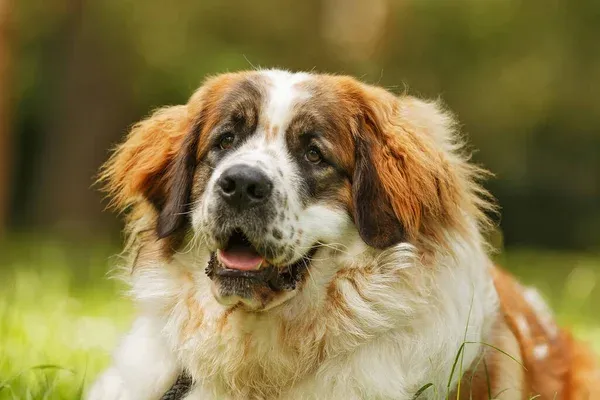
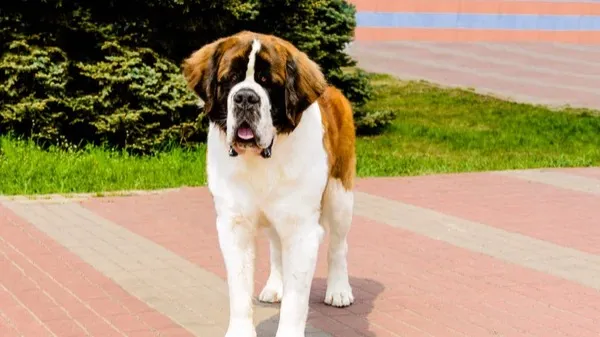
The Moscow Guard (more commonly referred to as the Moscow Watchdog) is a protection and guarding breed with 1950s origins in the Soviet Union. The overwhelming demand for a reliable all-purpose guard/retriever dog immediately after WW2 resulted in the development of the Soviet Union's own Malinois.
Breeders at the Central School of Military Dog Breeding sought to develop a dog that retained the power of St. Bernard while also providing the aggressive protective drive of the Caucasian Shepherd Dog. The outcome was a robust, strong, and tough breed known for its lookout abilities and loyalty.
The Moscow Guard today is a symbol of power and, when properly socialized, gentle companionship. Its imposing presence is balanced by a calm temperament around family members, making it a unique breed capable of serving both as a protector and a loving companion.
Lifespan of the Moscow Guard
The Moscow Guard generally has a life span of 10 to 12 years, as do many large breeds. Many owners have reported dogs that, with proper nutrition, health care, and exercise, have lived the equivalent of a few years beyond this range.
What Are The Moscow Guard's Traits & Characteristics?
The Moscow Guard is a mix of strength and empathy—a true protector with a heart. Here are some key traits and characteristics:
Physical Traits of Moscow Guard Breeds
Size & Build:
- Mature Males: approximately 77-78 cm; females are a little smaller.
- The examination is segregate for Male (55 kg) and Female (45 kg).
Coat:
- A thick, double coat works well in colder natural habitats.
- Patterns include regular white with red patches, sable, and uncommon markings.
Distinctive Markings: A black mask with prominent features is often highlighted on the face.
Behavioral Characteristics of the Moscow Guard
- Loyal & Protective: Instincts tell them to be vigilant guardians of home and family.
- Calm Demeanor: They can have a calmer demeanor with those in the family if socialized properly.
- Assertive & Confident: They are as commandingly present as they are smart and adaptable.
- Social Needs: They require early socialization and lifelong training to ensure
Care & Temperament of the Moscow Guard
The temperament of the Moscow Guard is multi‐dimensional
- Devoted: They Form Close Ties With Their Families
- Independent Minds: They are sweet but need an independent streak that calls for firm but gentle guidance.
- Alert and Watchful: Natural guardians are always on the alert to warn their owners of any unusual activity.
Care Necessities
To ensure a Moscow Guard flourishes, it means:
- Daily Exercise: Daily long walks and playing sessions to release their energy.
- Uniform Training: Clinics form, where positive reinforcement is done.
- Earliest socialization with the entourage: There are the surroundings and the people you live with.
- Keep their minds active: Try puzzles, training sessions, and interactive play.
Characteristics
Barking
Quiet
Loud
Temperament with Kids
Aggressive
Friendly
Playfulness
Silent
Very Playful
Friendliness
Not Friendly
Super Friendly
Compatibility with other dogs
Aggressive
Friendly
Need for attention
Independent
Very Needy
Monthly Expenses


How Much Does a Moscow Guard Cost?
Cost of buying
₹ 25,000 - ₹ 80,000
Choosing between adopting and buying a Moscow Guard depends on your circumstances, lifestyle, and the available options in your area. Both choices have their merits, and understanding them can lead to a better decision for both you and the dog.
The price of a Moscow Guard puppy in can be ₹ 25,000 - ₹ 80,000 depending on the lineage, breeder reputation and location. Normally, prices correlate with the quality, health clearances, and rarity of the dog.
Shopping the Breed
When buying a Moscow Guard from a breeder, do your due diligence and ensure that you are working with a moral and reputable source.
- Private Breeders: Consider carefully whether or not to breed (with) your pet, and do so responsibly.
- Health certification: Ask if the breeder provides health certificates for the puppy, and whether he/she is willing to discuss potential genetic conditions present in the breed.
- Breeder Reputation: Look for reviews from prior customers, both on the breeder’s website and elsewhere online, to verify the breeding facility’s dedication to humane practices.
- Lodge Inspectorized: If possible, visit the breeder’s establishment to see the living conditions of the dogs. Responsible breeders will have a nice environment.
Selecting a responsible breeder of Moscow Guards will help to ensure that you are getting a healthy dog from a solid lineage, as well as one that has been socialized and taken care of to be a well-rounded adult.
Adopting the Breed
Today, adopting a Moscow Guard can be a very satisfying experience. There are many reputable shelters and rescue groups with Moscow Guards available for adoption. By adopting, you’re giving a deserving animal a second chance at having a loving home and helping combat pet overpopulation.
While not too common, some genes are less likely to be discriminated against than others or may be picked up by more than one puppy in a mixed puppy litter. These organizations specialize in rehabilitating and rehoming dogs in need.
Local Shelters: A number of local animal shelters have Moscow Guards available for adoption from time to time. Go to your local shelter and ask about the breed.
Fostering: Driving it home. We'd recommend fostering first if you are new to the breed. Fostering can be a great way to gain insight into the dog’s personality and needs.
Prerequisites to pet a Moscow Guard
Access to Veterinary
Appropriate Climate
Lifestyle Compatibility
Time and Effort
Access to Groomer
Best Practices to Follow While Shopping or Adopting a Moscow Guard
- Research Thoroughly:
- Research within reputable breeders or adoption agencies.
- Check the health clearances and pedigree of the dog.
- Ask for Health Records: Work with the dog that is having the training.
- Visit in Person: If you can, visit the place in person to see what type of environment the dog lives in and respond to you.
- Consider Adoption: Dogs in shelters waiting to find a loving home. It can be one of the most rewarding things you can do to give a deserving pet a second chance.
- Prepare Your Home: Make sure that you have a safe, large enough space for such an active breed.
- Understand the Commitment: Moscow Guard dog ownership is a long-term commitment that involves daily care, exercise, and attention.
Nutritional Care of the Moscow Guard
Monthly Food Expenses
₹ 3,000 - ₹ 4,500
Calories per day
Puppies: 1800 kcal
Adults: 2200 kcal
Essential Nutrients
Carbohydrates
Fats
Minerals
Protein
Vitamins
Fibre
List of foods
Dry Dog Food
Fresh Meat
Fresh Fish
Home made meals
Fruits
Vegetables
Chicken
Given the Moscow Guard’s size and active nature, proper nutrition is paramount to maintaining optimal health, energy, and longevity. A well-balanced diet supports not only their physical development but also aids in managing the high energy demands of such a large breed.
Must-Follow Nutritional Tips for the Moscow Guard Dogs-
Well-balanced meals contain low-fat protein, carbs, and fat.
- Portion Control: Moscow Guards risk becoming obese if not given carefully measured portions, which can lead to other health complications.
- Routine Feeding Time: Set up a consistent feeding schedule to control digestion and metabolism.
Note: These are general guidelines. Consult a veterinarian to determine the specific dietary needs of your dog.
Breakdown of Macro-nutrients
Food Habits of the Moscow Guard Breed
The Moscow guards have hearty appetites. Evidence of this can be found in their food habits, but a very sparse or unbalanced diet can lead to nutritional deficiencies. Proprietors have to train the subsequent orders:
- Hungry Dogs: This is a hungry breed that often needs to see up to six meals a day. Feeding in a controlled environment is crucial.
- Dietary Diversity: They tend to thrive on high-protein diets, but a mix of ingredients promotes health.
- Prone to Obesity: Because of their size, overfeeding can quickly become obesity. Moderation is key.
Recommended Ingredients for a Moscow Guard
What good stuff do you include when putting together a healthy menu?
- Lean Meats: Chicken, turkey, and lean beef offer necessary proteins.
- Fish: Fish like salmon are high in omega-3 fatty acids, which can help maintain a healthy skin and coat.
- Vegetables: Carrots, green beans, and sweet potatoes add vitamins and fiber.
- Grains: Brown rice and oats provide carbohydrates and keep energy levels up.
- Supplements: Joint health and coat condition can benefit from a dog’s supplements, such as glucosamine and omega fatty acids.
What to Avoid in a Moscow Guard’s Diet?
Avoid anything with these ingredients
Alcohol
Almonds
Cherries
Cinnamon
Dairy
Garlic
Grapes
Mushrooms
Onions
Salt
Sugar
In the age of the Moscow Guard, some foods and ingredients are toxic. Avoid:
- Theobromine & Caffeine: Poisonous even in small doses.
- Grapes & Raisins: Can cause kidney failure.
- Excessive Fat: Overly fatty foods can lead to pancreatitis.
- Junk Foods: There are many sodium levels, sugars, Food additives, colors, preservatives, and other things that are also harmful to health.


Healthcare Tips for the Moscow Guard Breeds
Avg Monthly Expenses
₹ 1,500 - ₹ 2,250
Common Health Issues
Bloat
Canine distemper
Hip Dysplasia
Parasites
Parvovirus
Leptospirosis
Rabies
Heartworm
Well being
Exercise
Agility Training
Bonding
Games
Socialization
Energy Level
Medium
Exercise routine
45 - 90 minutes
Recognising Stress
Changes in appetite
Excessive Barking
Pacing
Excessive Panting
Reluctance to move
Increased laziness
Common Moscow Guard Health Issues
The Moscow Guard is a robust and healthy breed but, like all dogs, it may be prone to certain health issues. Keeping on top of your pet’s health is important to keep them happy and prolong their life.
- Hip Dysplasia: A genetic disease in which the hip joint develops unusually and leads to arthritis and pain. Routine veterinary appointments can help to mitigate these symptoms.
- Elbow Dysplasia: This is an elbow joint disorder that resembles hip dysplasia and can lead to lameness and arthritis.
- Gastric Torsion (Bloat): A twisting of the stomach that
can cut off blood flow and is potentially life-threatening. Prompt treatment is key.
- Skin Allergies: Environmental allergens, or some ingredients in food, can trigger skin irritations. Keep an eye on your dog for excessive scratching or redness.
- Cardiac Issues: Certain Moscow Guards experience cardiac issues as they progress in their years, leading to a need for regular monitoring and timely treatment.
If care and lifestyle are actively practised and maintained, all of the aforementioned conditions are treatable or controllable.
Preventive Healthcare Suggestions for a Healthy Moscow Guard
To preserve a Moscow Guard's health, customary workouts, brand-new consumption, vaccinations in a well-known time frame, and check-in-warning through the veterinarian, should be exterminated.
Here are some essentials to ensure a good quality of life for your Moscow Guard:
- Routine Vet Visits: Yearly or half-yearly appointments help detect early signs of health problems.
- Exercise Regimen: Enough daily activity to keep joints and muscles strong.
- Weight Control: Keep an eye on diet and weight to ward off problems related to obesity.
- Dental Care: Regular brushing and dental check-ups to prevent periodontal diseases.
- Vaccinations & Parasite Control: Be current with your immunizations & preventive parasite treatments
Vaccination details
Growth Stage
Core Vaccines
6-8 weeks
DHPP (Distemper, Hepatitis, Parvovirus, Parainfluenza)
10-12 weeks
Second DHPP booster
14-16 weeks
Third DHPP booster and Rabies
Annually
Rabies booster
Senior Dog Care for the Moscow Guard Breeds
LiLike any breed, older Moscow Guards need special treatment and attention. But as we age, we may also find ourselves with health challenges like arthritis, reduced mobility, or sensory decline.
How You Should Care for Senior Moscow Guard?
Some important factors to consider for senior dogs include:
- Specialized Diet: Reduced in total calories and higher in fiber, along with joint health support ingredients such as glucosamine.
- Gentle activity — A daily walk and light exercise, but not to the point of fatigue
- Ensuring a cozy living environment–having soft, supportive bedding along with easy access to food and water.
- Regular Health Checkups: Regular visits to the veterinarian to check for age-related problems and adapt accordingly.
- Cognitive Exercise: Use gentle games and activities to keep their minds active and avoid cognitive decline.
Grooming Tips for the Moscow Guard Breed
Avg Monthly Expenses
₹ 1,200 - ₹ 1,800
Shedding Level
High Shedding
Hygienic Checklist
Teeth Care
Eye Care
Nail Trimming
Brushing
Bathing
Ear Cleaning
Benefits of Grooming
Cleanliness
Low Shedding
Odourless
Prevents Bad Breath
Prevents infections
Quality of life
The Moscow Guard has a thick double coat that also needs proper grooming to keep the skin healthy and prevent matting. Here are some Grooming Tips -
- How do you groom them: Brushing: At least two times per week to remove loose hair and to prevent mats.
- Bathing: Bathe as needed—usually about every 6–8 weeks—using a mild dog shampoo.
- Trimming Nails: Trim their nails regularly to prevent overgrowth and discomfort.
- Ear Cleaning: Clean the ears as needed to work against infection, especially if the breed is prone to having deep ear polls.
- Oral Hygiene: You need to brush your teeth and keep your mouth clean, which impacts your health.


Written by
Happy Pet TeamAuthor
Team Happy Pet is a passionate collective of pet experts, enthusiasts, and advocates dedicated to sharing trusted and insightful content.
Our cont
Compare with similar breeds
Frequently Asked Questions
Q1: What is unique about the Moscow guard dog?
Ans: The distinctive thing about the Moscow Guard is its colossal, well-built physique, dense and waterproofed coat, a soft and kind disposition towards family members. His history as a bred protector in tough climates helps this unique character.
Q2: Are the Moscow Guards kid-friendly?
Ans: Yes, particularly when socialized and trained correctly, Moscow Guards are gentle and protective around children. The correct amount of early socialization, however, is also integral to a balanced temperament.
Q3: How much exercise does a Moscow Guard require?
Ans: Moscow Guards is a big, active breed that needs daily exercise, including long walks, playing, and controlled free running in a safe area to stay in good physical and mental condition.
Q4: Any health concerns that owners should know about?
Ans: Hip dysplasia, elbow dysplasia, bloat (less rarely). Preventive strategies include regular veterinary check-ups, weight management, and a balanced diet.
Q5: Can I get a Moscow Guard from a shelter instead of a breeder?
Ans: Absolutely. Blast from the past: Some shelters and rescue organizations might have Moscow Guards available for adoption. There are plenty of further and better and more fulfilling reasons to adopt than simply buying a dog.
Q6: How do I take care of my Moscow Guard?
Ans: Regular brushing, occasional bathing (every 6-8 weeks), nail clipping, ear cleaning, and dental care are necessary to keep their coat and health in check.